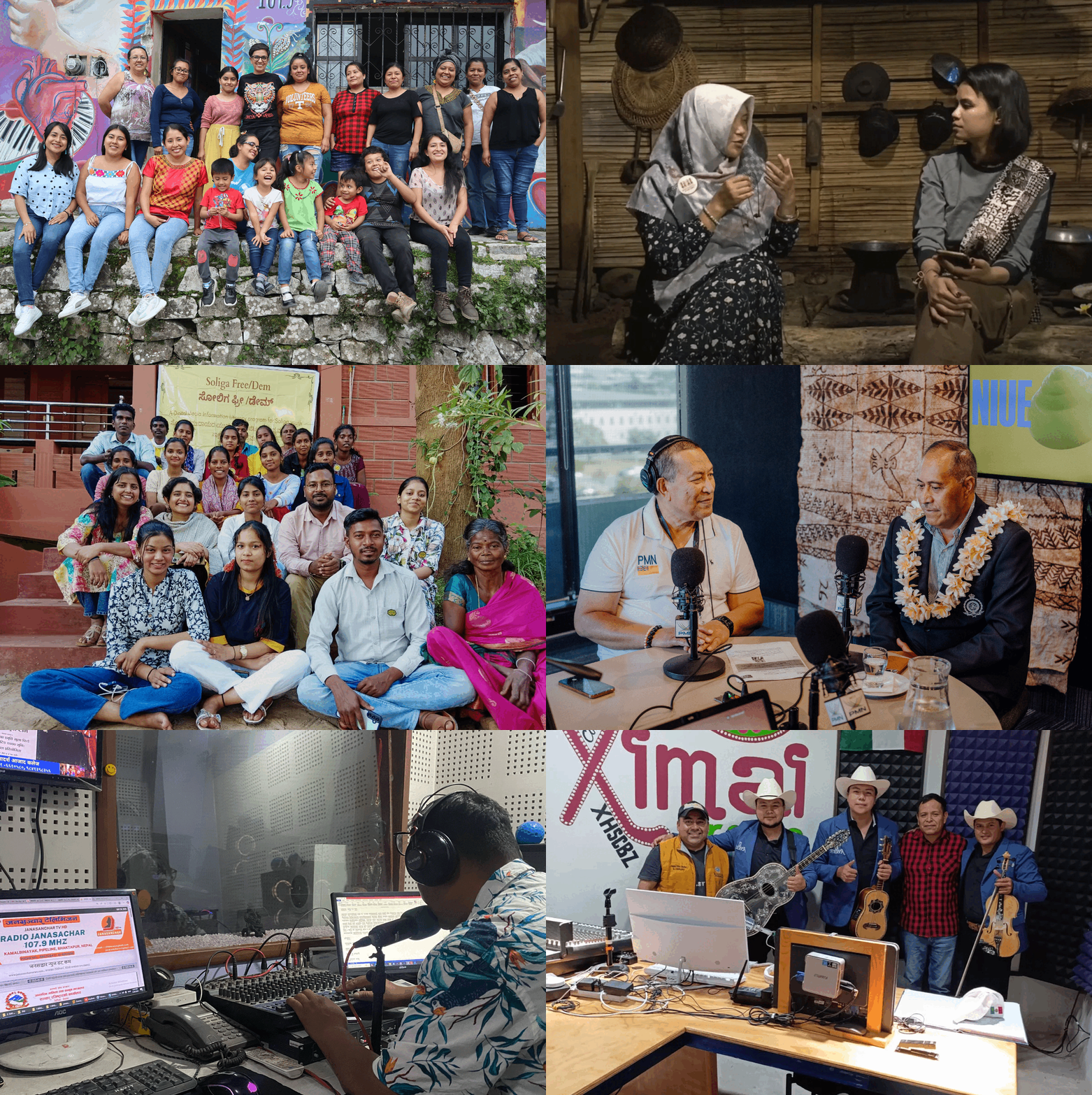
Indigenous community media are essential pillars for disseminating the voices, stories, and struggles of Indigenous Peoples. Through audio and video productions, they promote processes of resistance, affirmation, and cultural revitalization. The following community media outlets show the world a unique perspective on what territory, languages, diversity, and life mean. These media outlets are spaces where people learn and deconstruct through collective dialogue, addressing issues of great importance such as individual and collective rights while promoting the active participation of women, youth, Elders, and children.
These community media projects strengthen the commitment to the safeguarding of cultural identity, care of the territory, and the transmission of ancestral knowledge. They promote intergenerational exchange of knowledge and the integration of new tools, ensuring that future generations continue to learn, express themselves, and maintain ties to their Indigenous heritage, thus strengthening a dignified and respectful present and future.
Now in its ninth year, Cultural Survival's Indigenous Community Media Fund has maintained its goal of providing funding, support, and training to various types of Indigenous community media outlets so that they can carry out informational and documentary work, as well as processes of resistance within and outside their communities. Since 2017, the Indigenous Community Media Fund has awarded a total of 422 grants, supporting community media projects in 41 countries on 4 continents, for a total of $2,829,561.
In 2025, Cultural Survival's Indigenous Community Media Fund has awarded a total of $502,000 to 63 Indigenous communication projects that will benefit Indigenous Peoples in 29 countries: Argentina, Bangladesh, Bolivia, Botswana, Brazil, Chile, Ecuador, Colombia, United States of America, Philippines, Guatemala, India, Kenya, Mexico, Nepal, Peru, South Africa, Democratic Republic of Congo, Indonesia, Honduras, Mali, Nicaragua, Cambodia, Chile, Canada, Panama, Paraguay, Papua New Guinea, New Zealand, Nicaragua, and Tanzania.
The projects address needs in infrastructure, equipment, capacity building, and content production that will contribute to the sustainability of the work and community communication processes led by the community groups and media outlets.
We are pleased to introduce our 63 partners funded in 2025, featured with their consent:
Americas
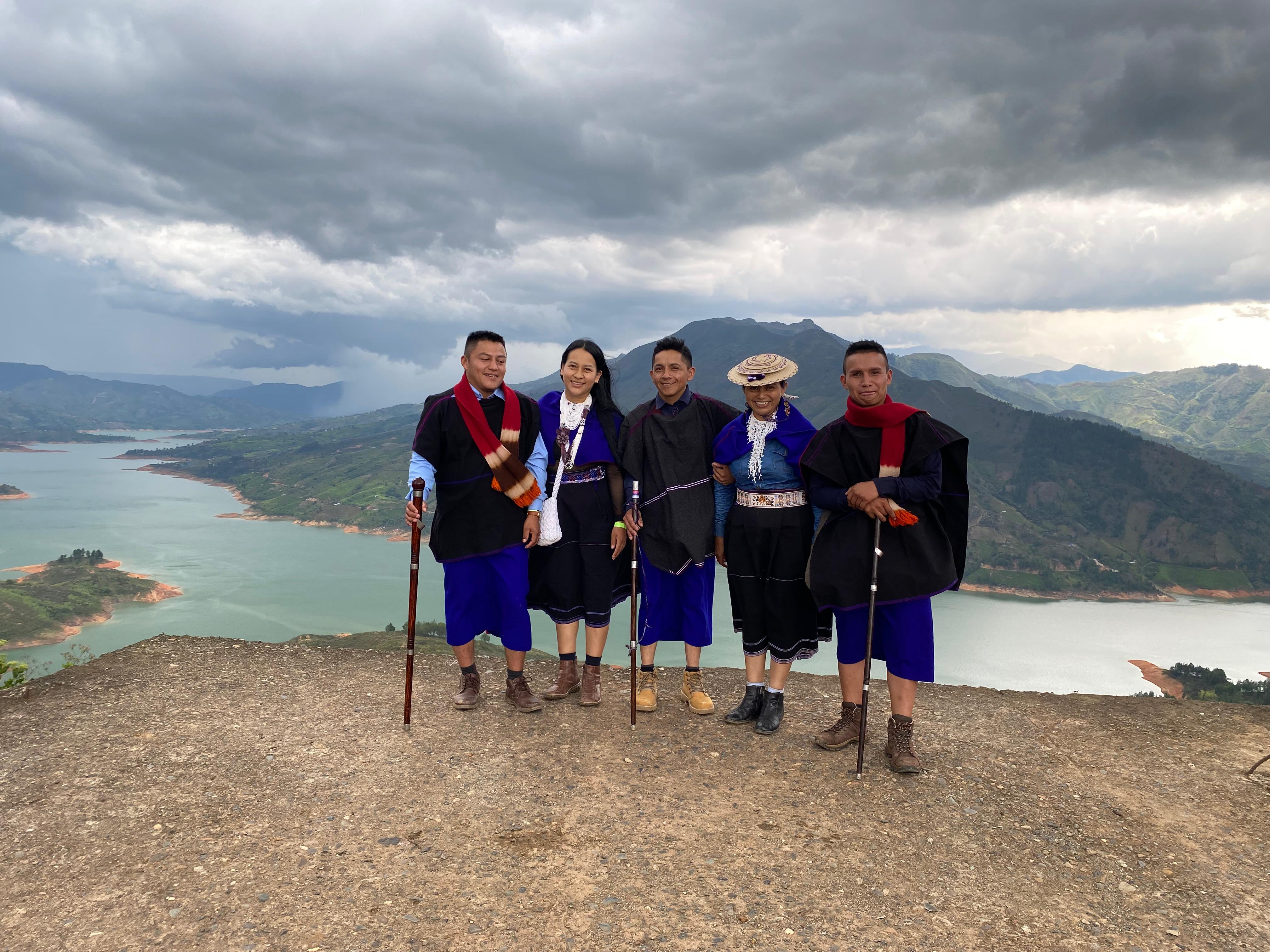
Indigenous Council of the Guambiano La Bonanza Reserve
Colombia (Misak)
The Indigenous Council of the Guambiano La Bonanza Reserve defends their territory, social equity, and buen vivir (good living) in harmony with Mother Earth, guided by the Misak worldview. It promotes self-education, community justice, food sovereignty, and cultural strengthening, integrating ancestral knowledge with organizational processes to guarantee the survival of the Misak People with respect, dignity, and love for nature.
“Usri to Usri - From Misak Mother to Mother Earth” strengthens the participation of Misak women in environmental and climate change issues. Through mingas , meetings, educational walks, and spaces for the transmission of knowledge, it promotes concrete actions for the care of Mother Earth from a Misak perspective, which recognizes the planet as a living being. It is a commitment to ecological awareness from the heart of the Misak culture.
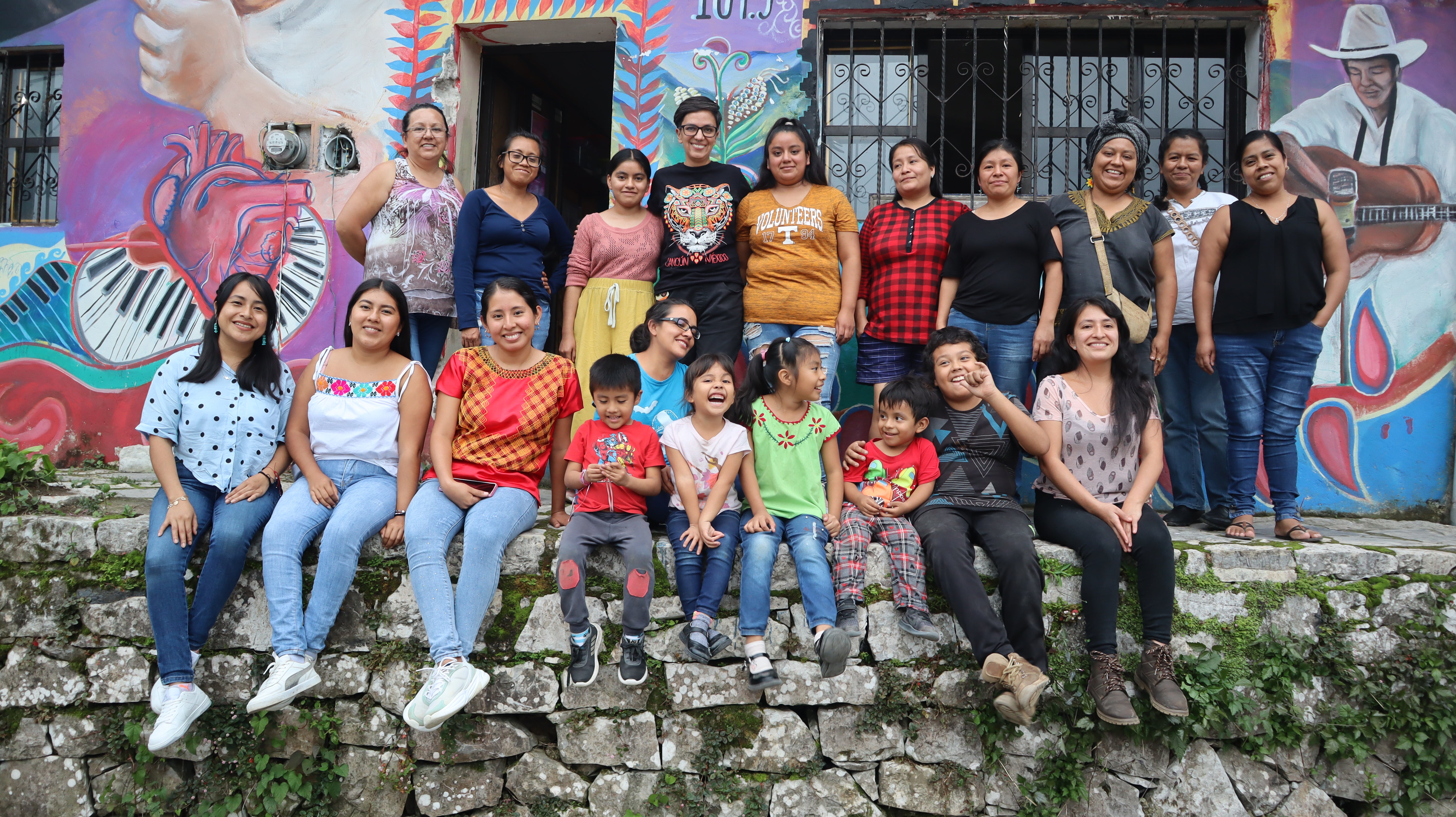
Radio Tsinaka
Mexico (Nahua)
Radio Tsinaka is a community radio station located in the northeastern highlands of Puebla, Mexico. Its community communication work seeks to reclaim and strengthen the identity of the Nahua, Tutunakú, and mestizo communities of Puebla and Veracruz, Mexico. Radio Tsinaka’s work is fed by various members of the community, including farmers and Indigenous movements working for the defense of territory, and regional organizations that promote a dignified life through education, health, and the economy. This media outlet aims to consolidate a team of professional Nahua and Tutunakú communicators in the region who create informative, educational, cultural, and entertaining radio content relevant to their community.
Their project, “The Word Flourishes,” dignifies the work of Radio Tsinaka’s communicators and strengthens their daily efforts. The team conducts surveys, designs methodologies, and carries out the legal aspects of the collective. Ultimately, they aim to inform and empower the Nahua, Tutunakú, and mestizo communities through community media, thereby promoting their self-determination.
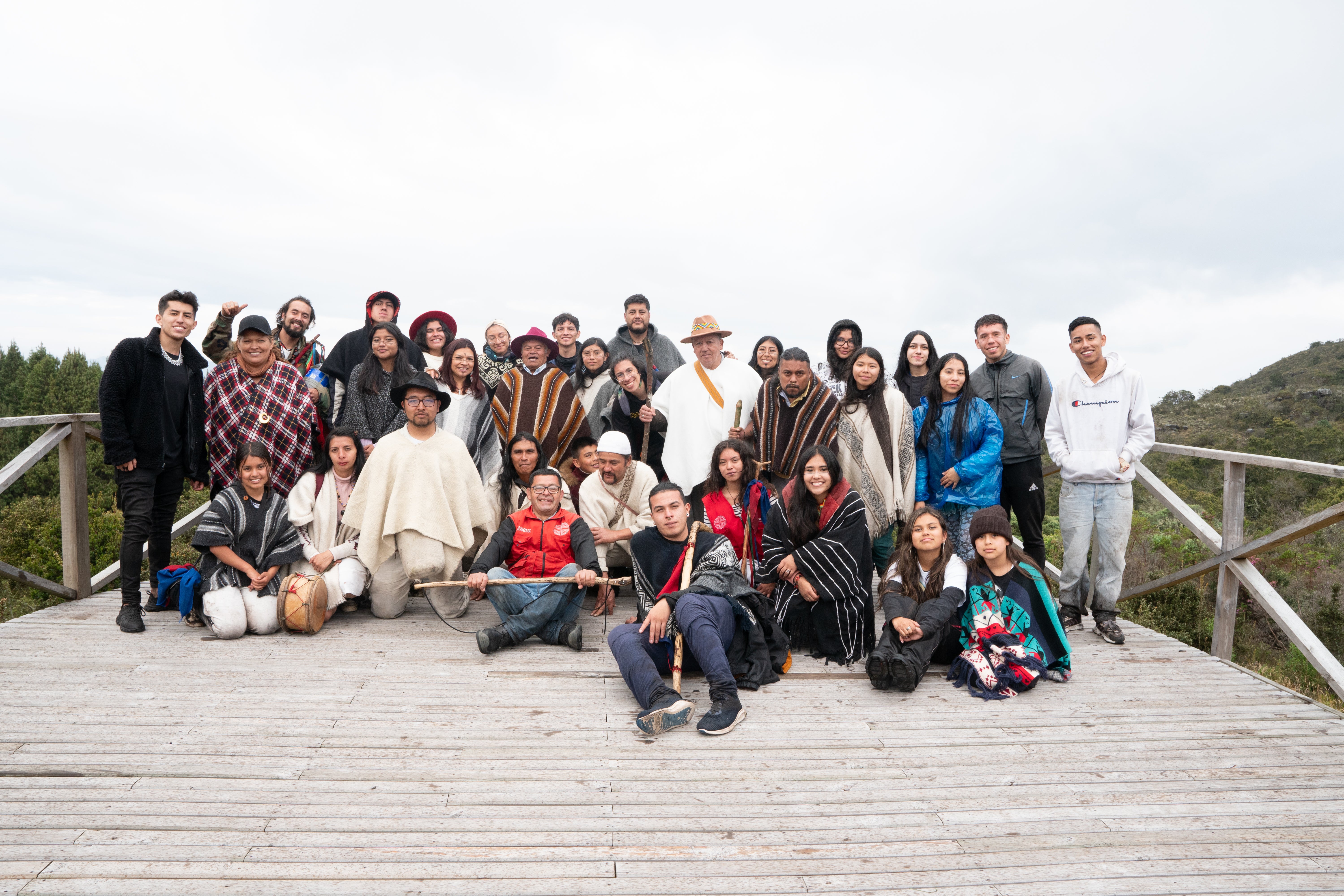
Nohosca-Muisca Communications of Suba
Colombia (Muisca)
The Nohosca-Muisca Communications of Suba team are strengthening their Muisca identity and raising awareness of community processes through memory, territory, and language. Their goal is to revitalize the Suba Cubun language and protect their territory through grassroots communication. They document cultural expressions as a form of resistance and collective healing.
The project, “Strengthening the Team of Nohosca Communicators,” launches the Muisca People’s community radio station in Suba with the goal of preserving ancestral memory and strengthening the Suba Cubun language. The team will train a group of Indigenous communicators to produce content on cultural and territorial knowledge, thereby raising awareness of the struggles of the Muisca people and promoting the defense of their territory. Content will be produced in their native language, and will include interviews with experts addressing issues related to youth, women, and spirituality.
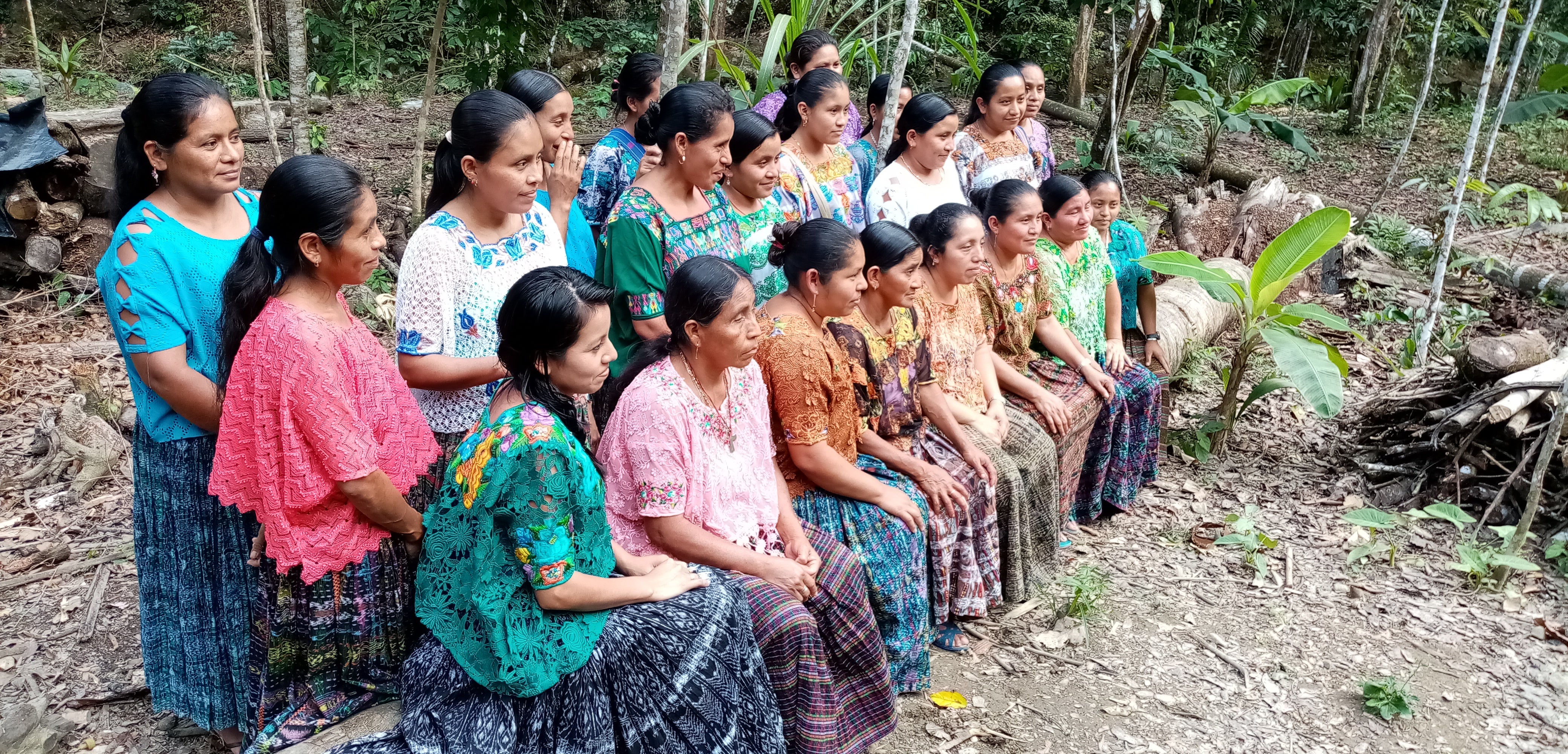
Estoreña Association for Integral Development (AEPDI)
Guatemala (Maya Q'eqchi')
The Estoreña Association for Integral Development works in the regions of Izabal and Alta Verapaz, Guatemala, with a focus on the defense of the Maya Q'eqchi' communities. One of their main areas of action is the protection of ancestral territory, which is currently threatened by industrial palm oil cultivation, hydroelectric projects, and concessions for transition mineral mining. The Maya Q'eqchi' communities have a deep historical relationship with their lands based on agriculture, fishing, and sustainable forest management. However, the Guatemalan state has only partially and insufficiently recognized their rights, which has led to multiple conflicts, including inadequate titling of communal lands, expansion of monoculture plantations, and the granting of mining and hydroelectric concessions without their Free, Prior and Informed Consent.
“Q'eqchi' Maya People Against Transitional Mineral Extraction Companies” strengthens the organizational capacities of the Q'eqchi' People to confront the impacts of mining in El Estor, Izabal. The team conducts training workshops on agroecology, Indigenous rights, the environment, and the economy; runs a bilingual radio campaign in Q'eqchi' and Spanish; and facilitates exchanges with organic farmers. Through these actions, the project promotes sustainable alternatives to the extractive model and prioritizes the active participation of women, youth, and directly affected communities.
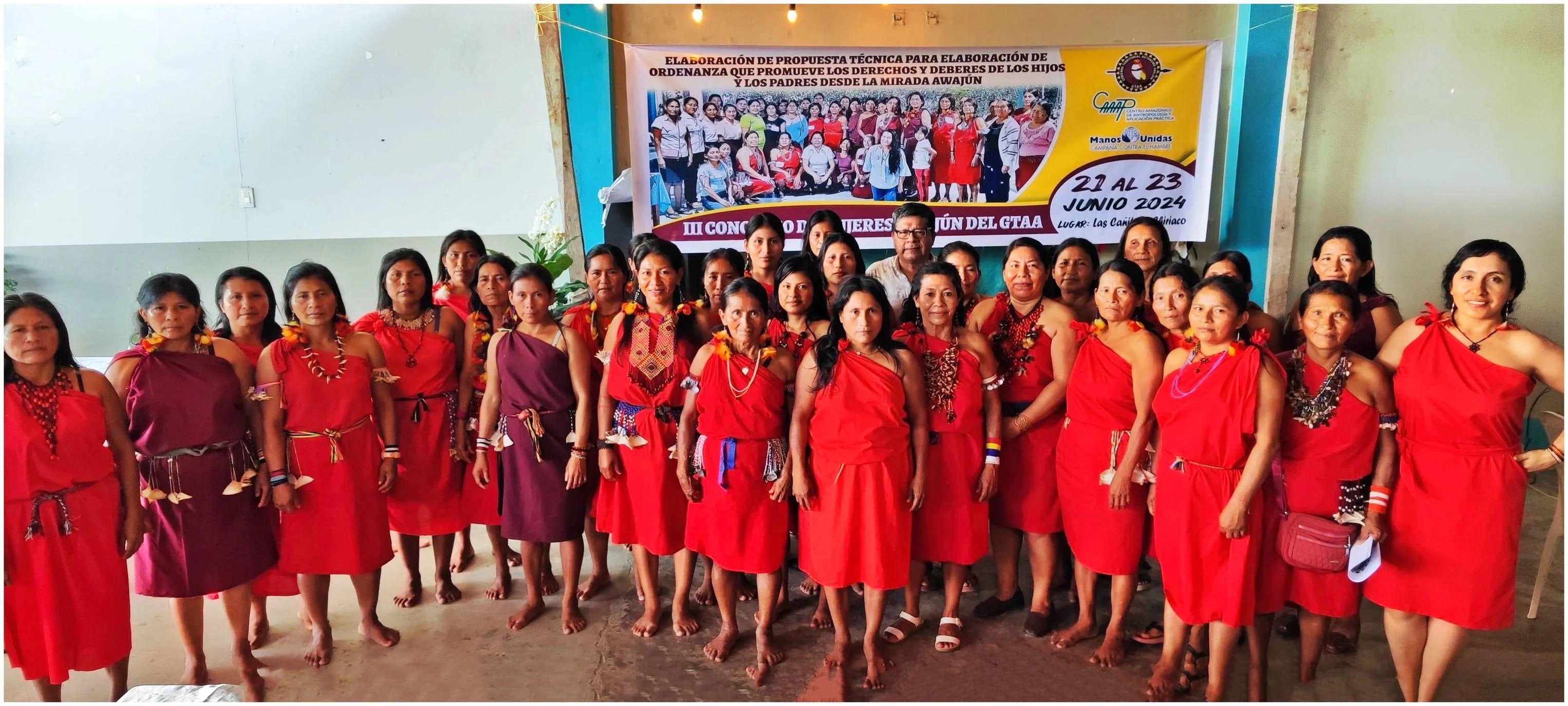
Awajún Autonomous Territorial Government (GTAA)
Peru (Awajún)
The Awajún Autonomous Territorial Government is the highest representative and self-governing body of the Awajún People. Founded on the collective right to self-determination, GTAA promotes, protects, and defends the collective rights to territory, identity, self-development, and self-government guided by the principle of Tajimat Pujut (Good Living) and the traditional structures of the Awajún people. GTAA protects the forest from extractive activities and promotes comprehensive health with an intercultural approach, bilingual education, community participation, and mapping of Native communities. It also promotes art and crafts as expressions of Awajún identity and a source of economic autonomy.
Their project, “Voices of the Jungle,” raises awareness of the impacts of illegal mining in Awajún territory and strengthens cultural identity as a tool for defense. Currently, the extractive industry is focused on alluvial gold extraction, which is carried out illegally by removing sediments from the Santiago and Cenepa Rivers. Young communicators and activists will be trained to produce bilingual podcasts in Awajún and Spanish addressing issues such as culture, worldview, and extractive threats. The project seeks to empower communities through accessible and culturally relevant content, to be disseminated through social media and local radio stations.
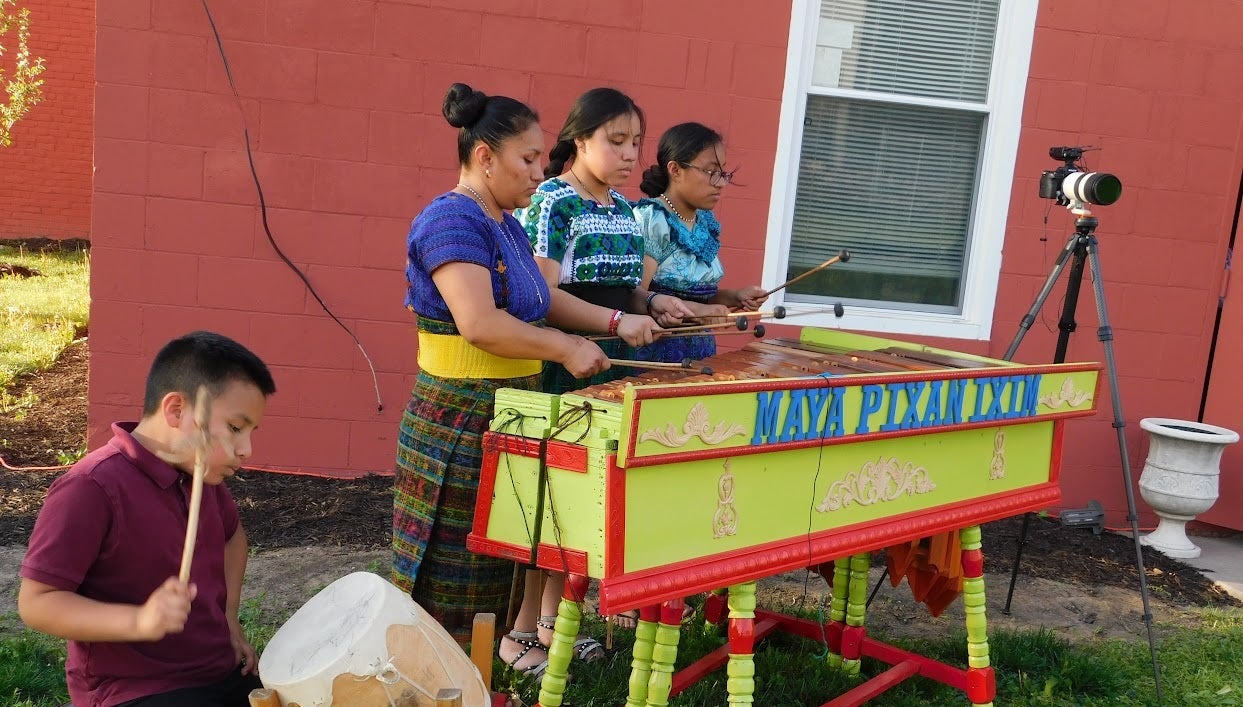
Pixan Ixim Maya Community (CMPI)
United States (Maya Qanjobal)
The Pixan Ixim Mayan Community is a Maya migrants organization based in Nebraska. Its mission is to implement community development projects based on the social organization system of the Qanjobal Nation and the United Nations Declaration on the Rights of Indigenous Peoples. CMPI currently has projects on health, art and culture, regenerative agriculture, and human rights.
Their newest project, “Radio Tzikin,” serves as a fundamental tool for resistance by promoting the Mayan culture and worldview for the Mayan diaspora in the United States. This is essential for preserving the Mayan languages of Q'anjob'al, K'iche', and Mam. Radio Tzikin seeks to form a team of Maya people from Nebraska and the traditional Maya territory for radio production in service of the Maya Nation.
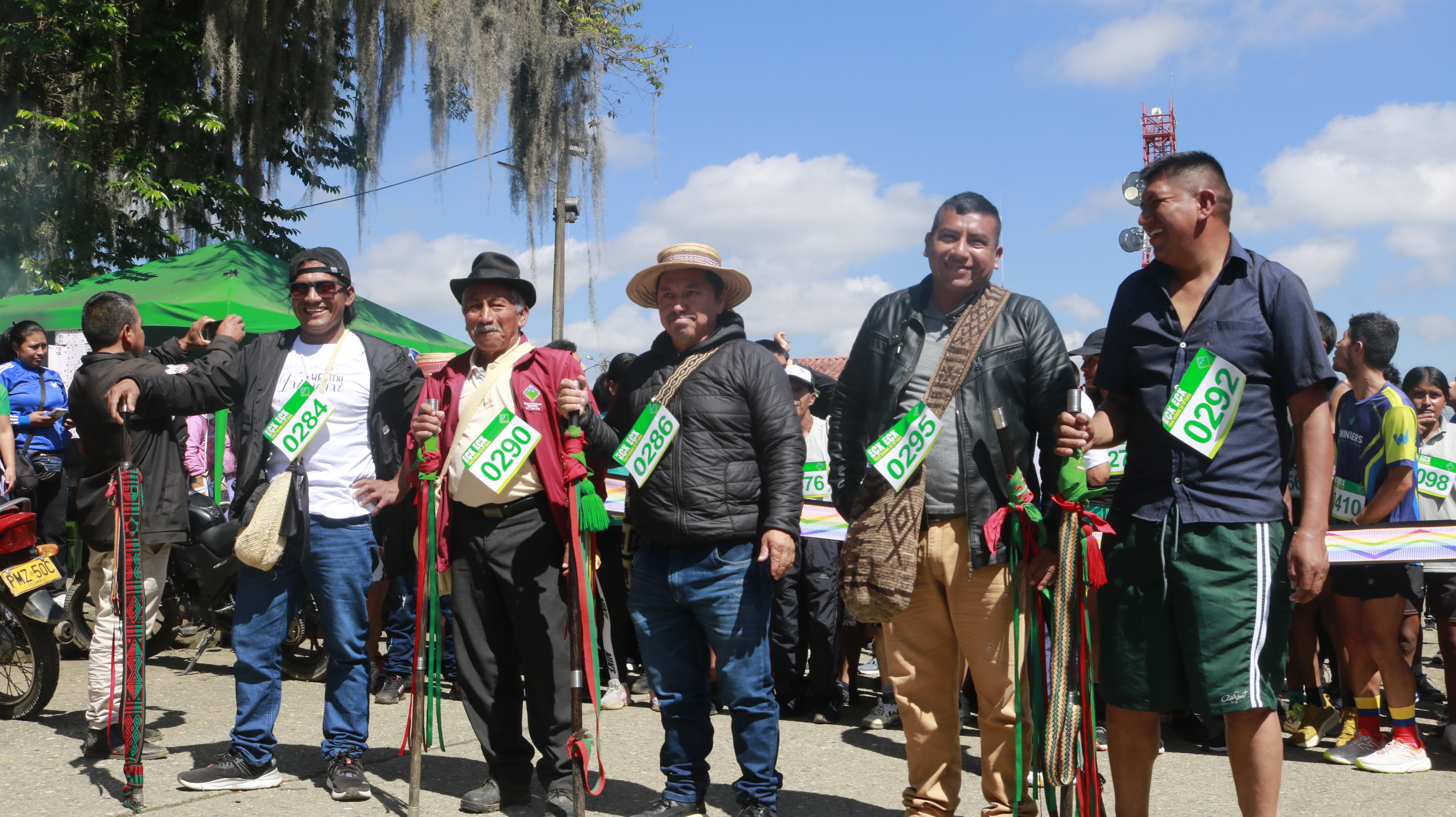
Uswal Nasa Yuwe Stereo 93.9 FM
Colombia (Nasa)
Community radio station Uswal Nasa Yuwe Stereo 93.9 FM strengthens cultural identity and promotes social integration among Indigenous Peoples, rural communities, and Afro-descendant populations in the six reserves that make up the ancestral territory of Sat Tama Kiwe, as well as in the six municipalities covered by its broadcast.
“Promotion of the Economic, Social, and Cultural Rights of Indigenous Peoples in Colombia Within the Framework of Indigenous Systems” delivers key information to community members who do not participate in assembly spaces. The radio station and the communications collective produce and share content on Indigenous systems prioritizing dialogue with community leaders. Through live and scheduled broadcasts, they keep the Indigenous community informed and strengthen its political participation in territorial matters.
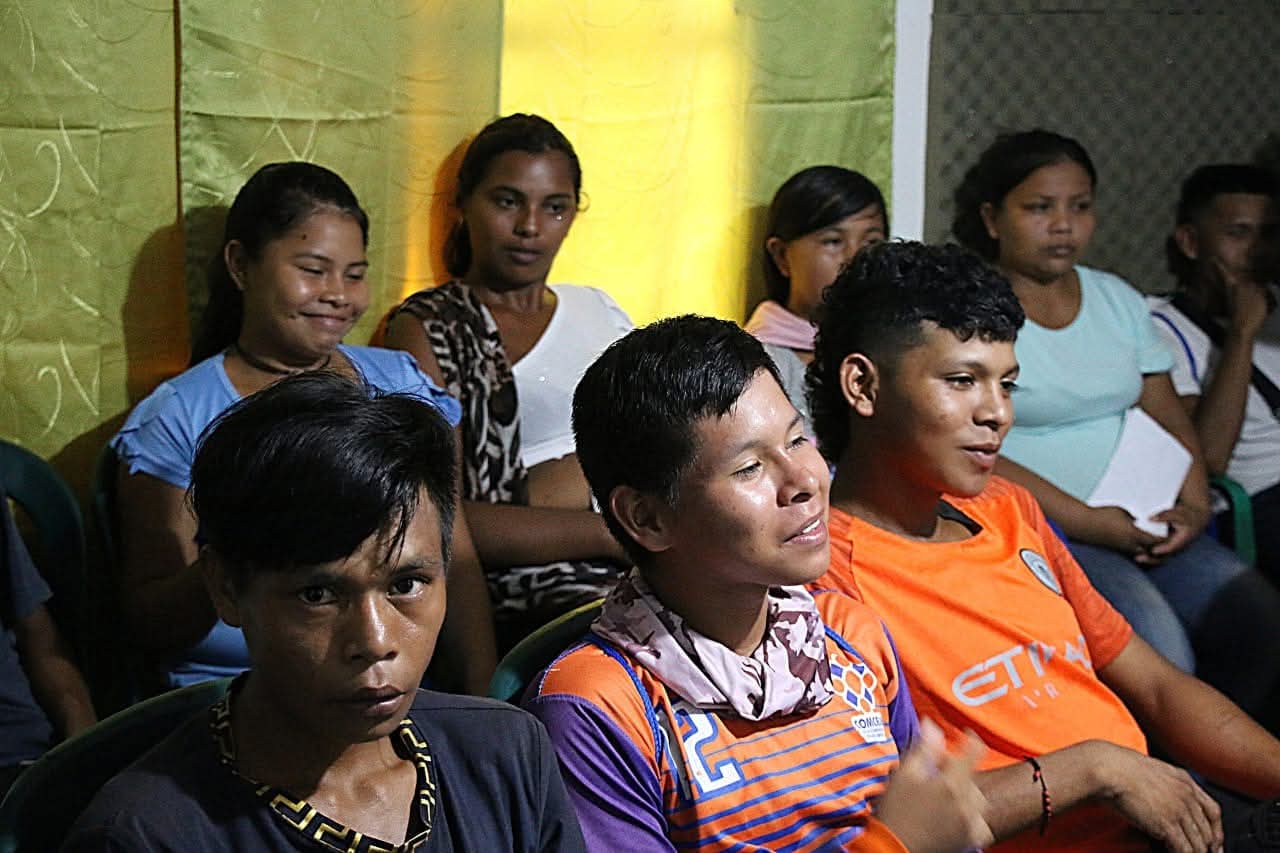
Puerto Carreño Indigenous Community Radio Station 104.3 FM
Colombia (Sikuani, Amorúa, Piaroa, Sáliba)
Puerto Carreño 104.3 FM is an Indigenous community radio station with a social, community, and Indigenous framework. Its editorial approach is based on freedom of expression and the articulation of the diverse voices that coexist in the territory through programs, interviews, and other audio content that promote participation, plurality, sexual and religious diversity, mutual respect, ethnocultural identity, Indigenous languages, care for Mother Earth, peacebuilding processes, and the defense of human rights.
The project, “Nicho Lingüístico Indígena Sikuani,” seeks to generate radio content that will strengthen the cultural identity and the leading role of communities. The programs will be broadcast in both Sikuani and Spanish through the community radio station, podcasts, and video clips, recognizing the linguistic diversity of Puerto Carreño, Vichada.
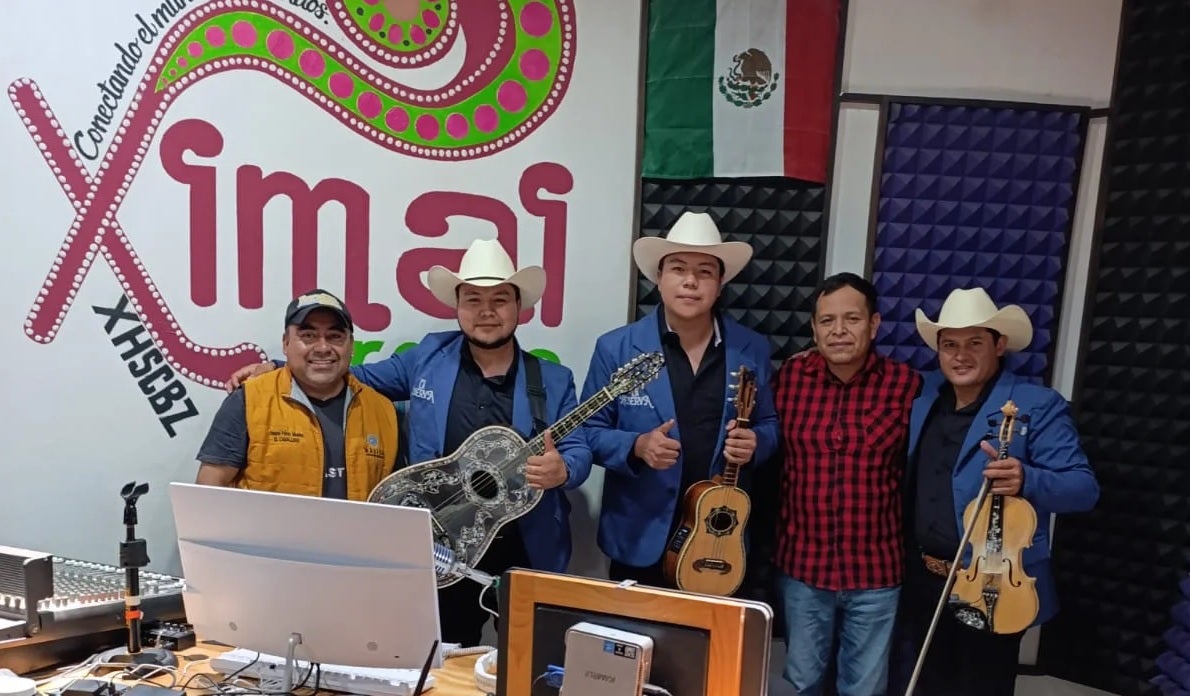
Ximai Communications
Mexico (Otomí / Hñähñu)
Ximai Communications, through Ximai Radio, aims to unite the community through radio—a space where the Hñahñu People’s language is revitalized daily and community members are given a voice to express their feelings and thoughts. This work contributes to strengthening the identity of the Hñahñu People, caring for their territory, and raising awareness of its importance. It also promotes mutual aid among its members, allowing the Hñahñu People to continue transmitting their worldview, traditions, music, legends, and stories through the radio.
Their project, “Nsuhai, Caring for Our World,” emerged in response to growing disturbances in natural weather cycles, such as off-season rains, extreme heat, untimely winds, and frosts at unusual times. The team is working to strengthen the ancestral knowledge of the Hñahñu People to address climate change by conducting workshops on climate change and the Hñahñu worldview, facilitating intergenerational dialogues with Elders, and producing radio programs. Through these activities, the members of Ximai Radio aim to share content with the communities of the Mezquital Valley to raise awareness about the importance of caring for and respecting the environment.
Yosokwi Communications Collective
Colombia (Arhuaco)
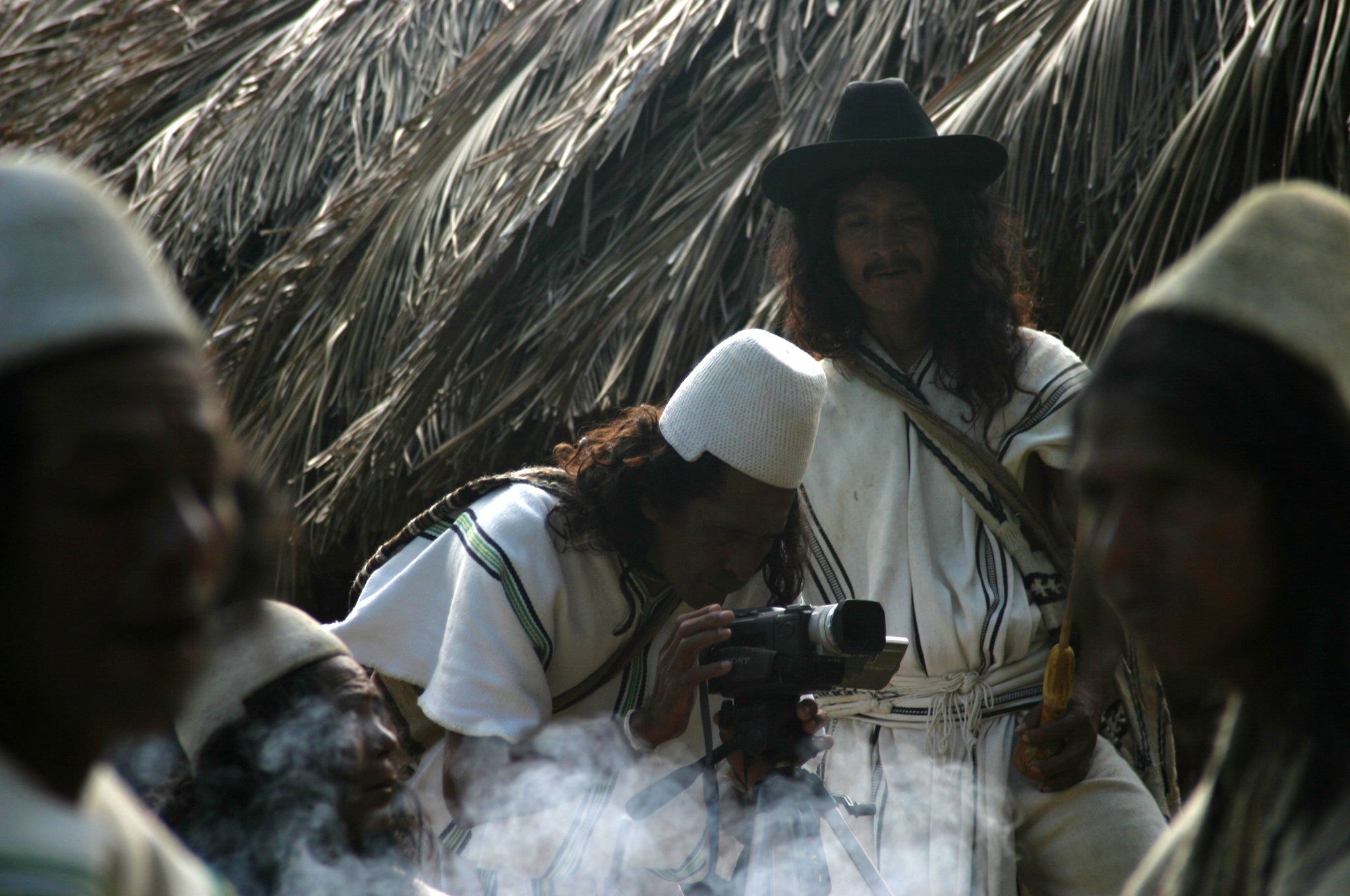
The Yosokwi Communications Collective, one of the leading references in Indigenous cinema in Colombia, aims to contribute to the strengthening of Indigenous communication processes in the Nevada Highlands of Santa Marta. Through video production, they aim to defend the territory and the linguistic and cultural revitalization of the Arhuaco People. The Yosokwi Collective has communicated to the world the depth of Indigenous ideas as key to the conservation of the Nevada Highlands ecosystem, while also highlighting the conflicts, external interests, extractive practices, and foreign visions that threaten the cultural survival and integrity of the ancestral territory.
The project, "Sowing Knowledge", strengthens cultural identity and preserves the Traditional Knowledge of the Arhuaco People through audiovisual tools and intercultural educational processes. The process begins with a spiritual opening and the coordination of activities with authorities and key actors, followed by the design of an educational module, the production of an Indigenous audiovisual exhibition, and the implementation of a stop-motion animation laboratory.
Radio Wao Apeninka
Ecuador (Waorani)
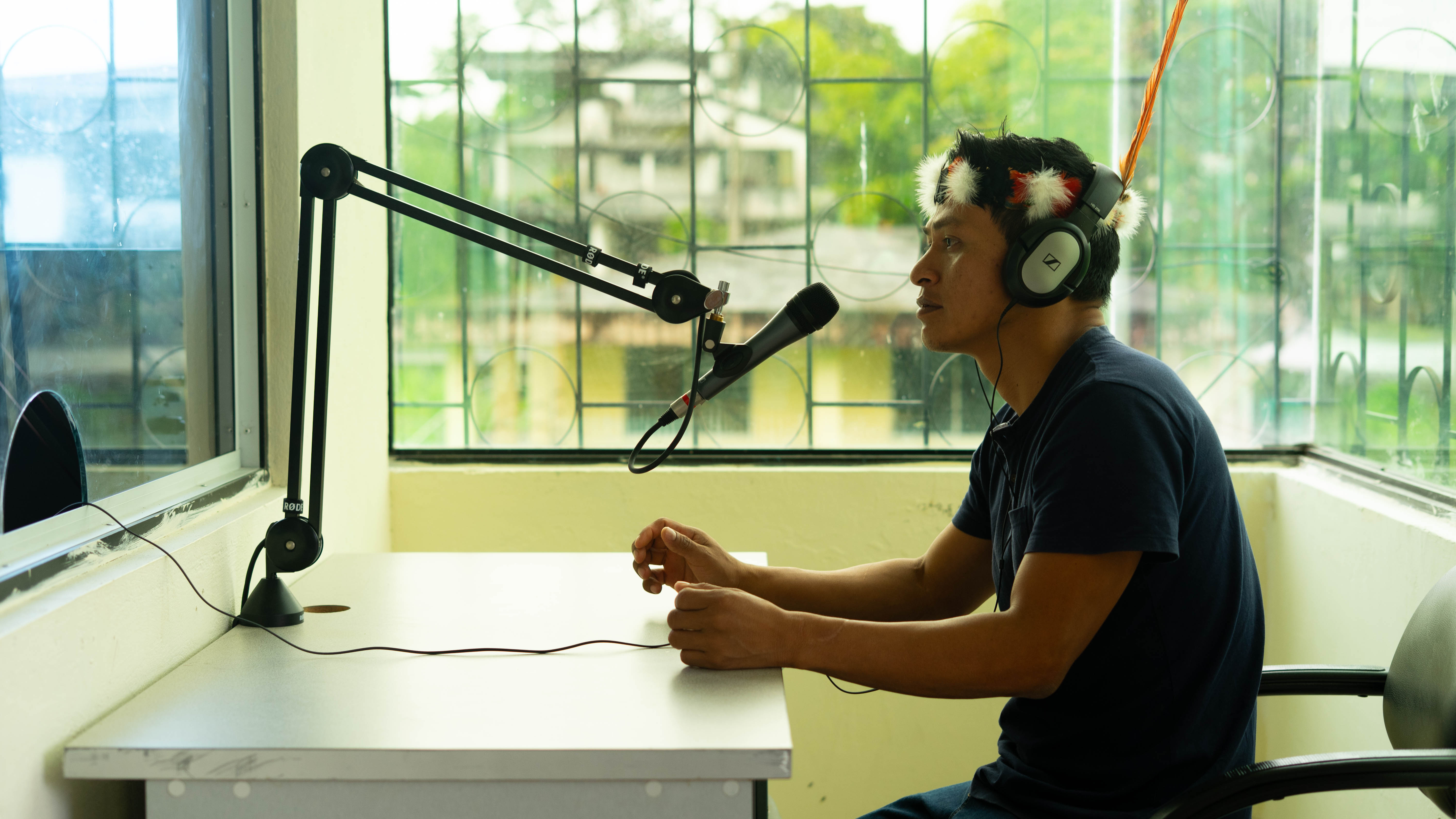
Radio Wao Apeninka is the community media outlet of the Waorani People of Ecuador. The station broadcasts from Puyo to expand its reach throughout the Waorani territory, strengthening the cultural identity and organization of the 87 communities spread across Napo, Orellana, and Pastaza provinces. The station broadcasts content mainly through their native language, Waotededo, rooted in their worldview, to inform, educate, and defend their rights as Indigenous Peoples in initial contact. Wao Apeninka serves as a collective tool for advancing self-determination and protecting their territory, which includes the Yasuní, one of the most biodiverse regions on the planet.
Their project, "Voices of the Territory: Strengthening the Communication Skills of Waorani Youth," reconnects Waorani youth with their cultural identity through workshops and radio productions. The initiative gathers youth from the territory and the city in a space for collective knowledge exchange, from which they create culturally relevant content. The workshops strengthen the technical, creative, and critical skills of Indigenous youth, enabling them to make the realities of the Waorani People visible from their own perspective.
Radio Chaski Jujuy 88.7 FM
Argentina (Kolla)
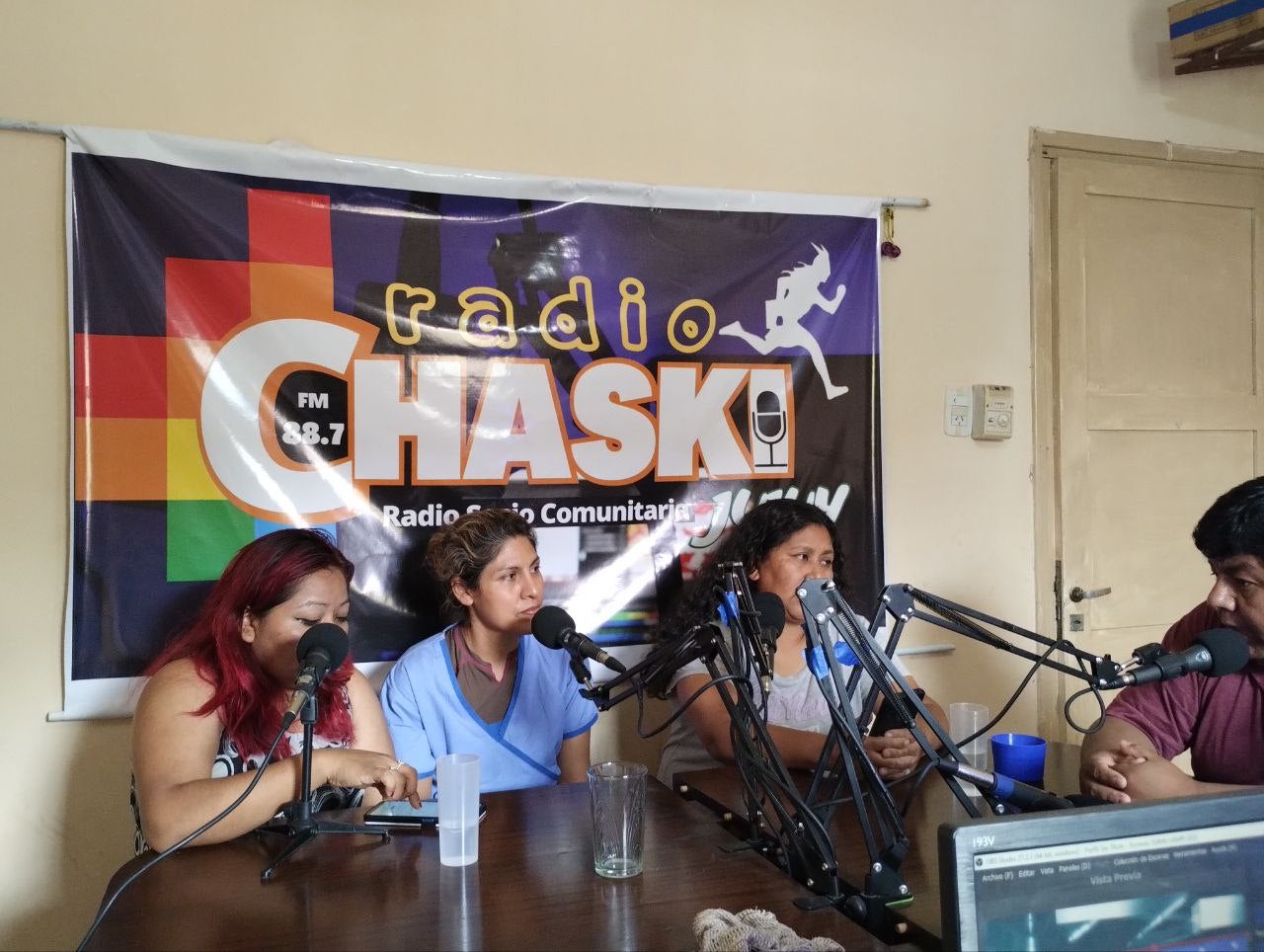
Radio Chaski Jujuy is the communications arm of the Llankaj Maki Council of Indigenous Peoples in Argentina. The station produces content on Indigenous issues, culture, and ceremonies, and conducts training workshops in communities working with youth and Elders. It also develops radio programs, graphic design, videos, and short documentary films. Its work is aligned with the defense of territory and the liberation of Indigenous peoples.
The project, “Seeds,” will be a series of workshops in Kolla and Guaraní communities in the region focused on programming, communication, and radio tools in the defense of their territory. Members of the station will also produce radio programs, videos, and podcasts. The goal is to provide Indigenous communities with tools to raise awareness of their issues and place them on the public agenda.
Community Communicators Collective of the Awá Nationality
Ecuador and Colombia (Awá)
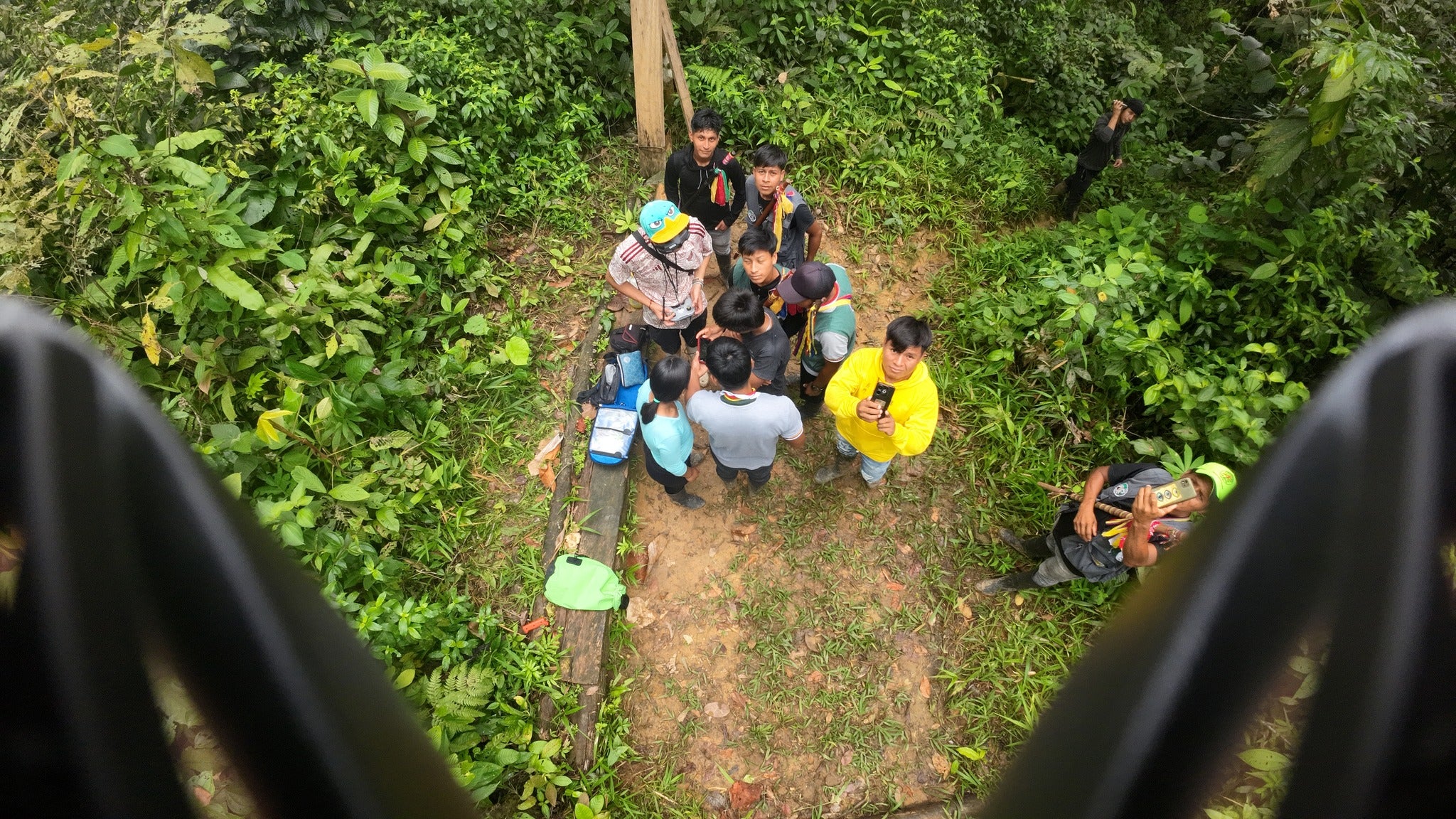
The Community Communicators Collective of the of Awá Nationality, formed in 2021 by Awá youth and women, promotes the cultural identity and rights of the Awá People and the defense of their territory against threats of extractivism, forced displacement, recruitment, and violence on the Colombian-Ecuadorian border. Their actions strengthen community communication systems based on their socio-territorial reality and incorporate emerging technologies through access to the internet and cell phones.
Their project, “Weaving Unity in Territory to Strengthen Community Communication of the Binational Awá People from Our Own Perspective and Voice,” aims to revitalize the cultural identity of the Awá People through alternative, inclusive, and participatory forms of community communication. It provides training for the Collective members, in collaboration with Radio Ampara Su 90.7 FM in Ecuador and sister stations Radio La Voz de UNIPA and Radio Stéreo Camawari in Colombia. The project trains young communicators to produce radio and video content on governance, the environment, culture, health, education, and socio-territorial conflicts. Content is broadcast in Spanish and Awapit on community radio stations and digital platforms in both countries.
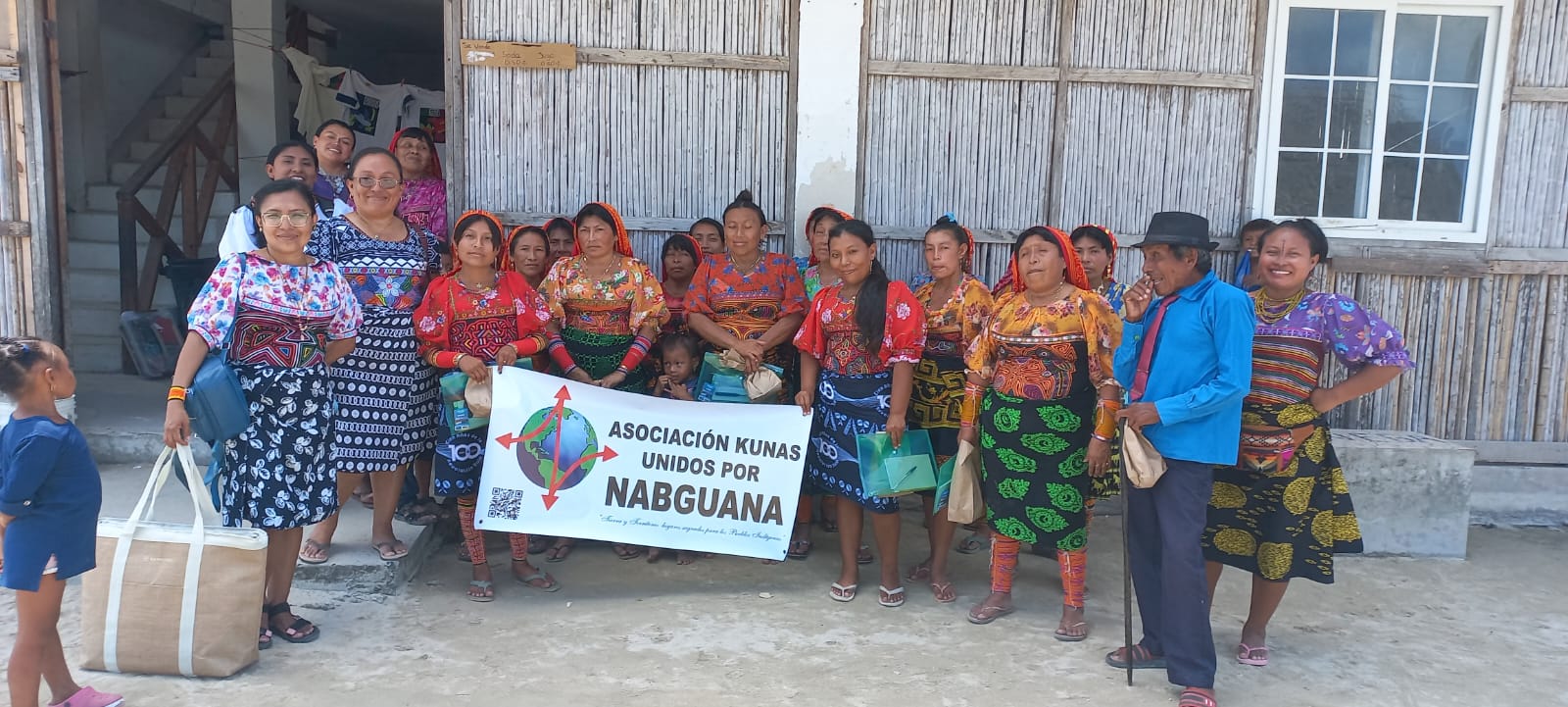
Kunas United Association for Nabguana
Panama (Guna and Emberá)
The Kunas United Association for Nabguana has nearly 34 years of experience in the design, development, management, administration, and implementation of plans, programs, and projects in social and economic development, health, culture, the environment, and infrastructure. Its work includes the construction of health centers, rural aqueducts, and schools, as well as workshops on radio and training for community doctors in communities and territories of the Guna, Emberá Wounaan, and Ngäbe-Buglé Peoples on collectively owned lands.
Their project, “Community Radio as a Means of Strengthening Indigenous Communities - Voices of Mother Earth,” aims to increase community knowledge about climate change. The group will hold workshops to strengthen their organization through strategic planning, proposals, and production of radio content on the impact of climate change on Indigenous communities.
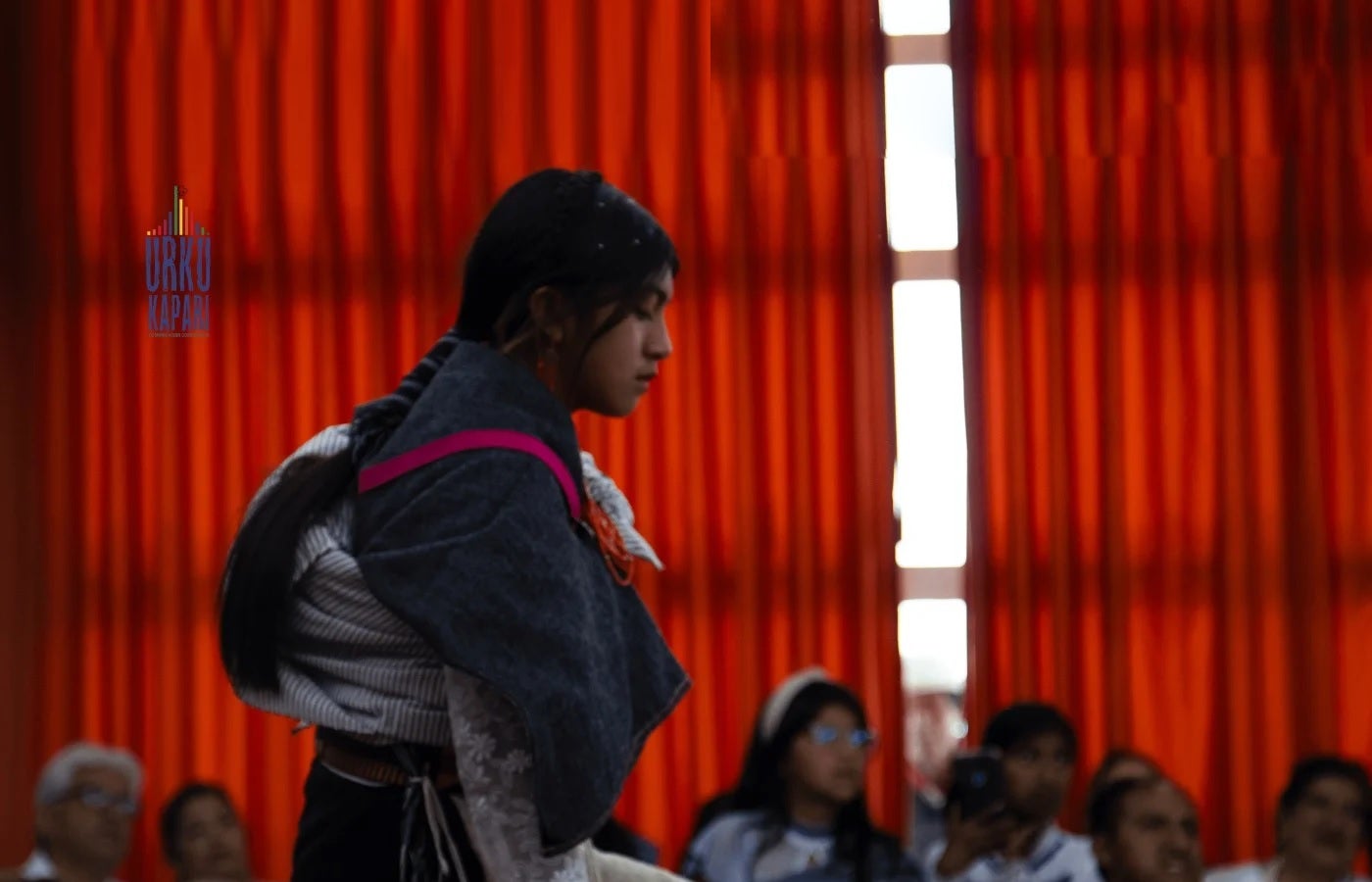
Urku Kapari Community Communication
Ecuador (Chibuleo)
Urku Kapari Community Communication, based in the Chibuleo community in Tungurahua, raises awareness of the realities in the provinces and communities of the Chibuleo People. Through short films, interviews, photographs, and social media, they re-value living cultures, oral memory, and community practices. The collective’s goal is to strengthen their identity and the social fabric through content that promotes reflection and cultural pride with a participatory approach, intergenerational dialogue, and community access to media.
The project, “Hands that Weave Knowledge: Revaluing Ancestral Embroidery in the Context of Environmental Justice,” researches and documents the traditional embroidery of the Kisapincha, Chibuleo, and Tomabela Peoples, emphasizing its connection to sustainability, biodiversity, and ancestral knowledge. The collective will produce a documentary that presents these artistic expressions as living manifestations of cultural identity and tools for sustainable development. The film will be screened in forums across various cities in Ecuador to foster dialogue and reflection on environmental justice and the preservation of Indigenous cultural heritage.
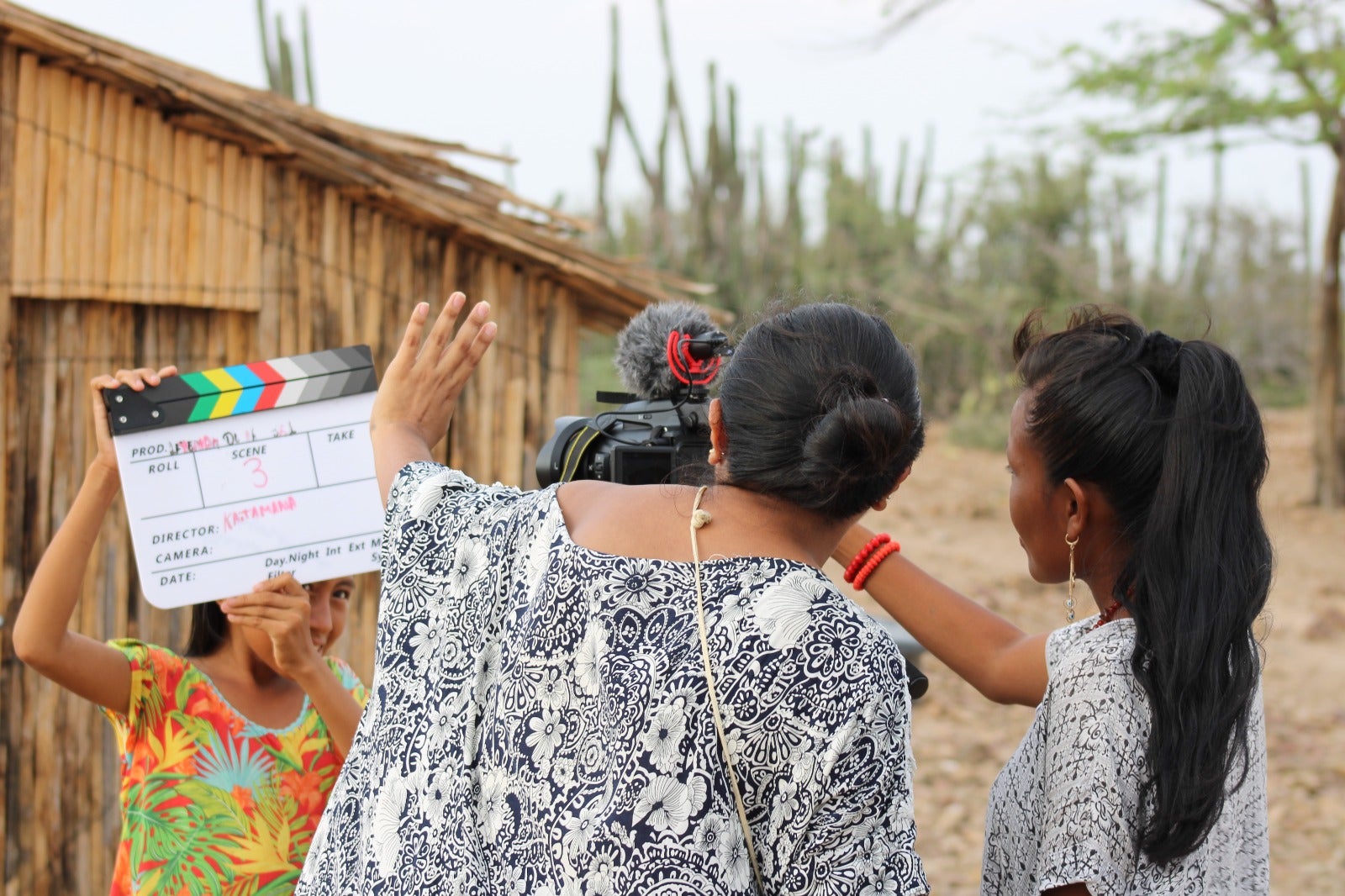
Women of the Desert Collective
Colombia (Wayuu)
The Women of the Desert Collective was formed in 2022 as a response to colonialist and stigmatizing narratives about abortion and sexual violence in rural Indigenous territories in the municipality of Uribia. The collective is made up of 15 Wayuu women from different generations, who organized to confront structural violence through audiovisual communication and community action.
“Jieyuu Lab 2025” is a multimedia laboratory led by the women of the collective that promotes climate justice from a gender, intersectional, decolonial, and ethnic perspective. The goal is to make visible the voices, knowledge, and resistance strategies of Indigenous women in the face of the climate crisis in La Guajira through the production of content in their native language of Wayuunaiki. Content will include audio pieces, photo reports, podcasts, short videos, and explorations of textile art with electronic components. The initiative strengthens the narrative capacities of young Wayuu people in rural areas, encouraging their participation in the defense of their territory and the protection of Indigenous women's rights.
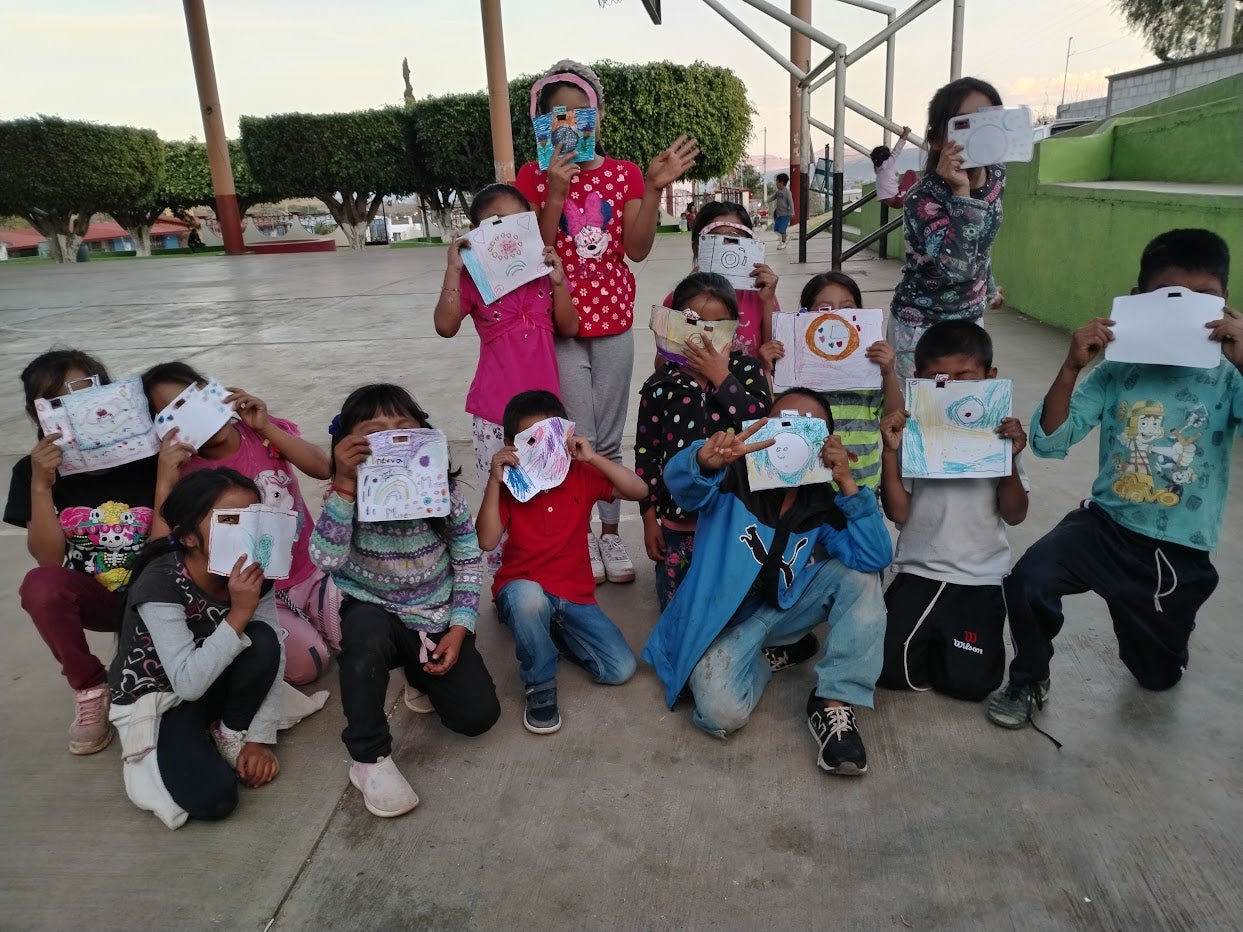
Zimatlán Community Audiovisual Production and Training Center
Mexico (Zapotec)
The Zimatlán Community Audiovisual Production and Training Center is a community organization and land defense initiative, where the camera acts as a tool of resistance and images serve as seeds of memory. From a communal perspective, it promotes audiovisual training that strengthens Zapotec identity, revitalizes the Zapotec language, and articulates a collective voice for territorial defense. Through workshops, labs, and spaces for intergenerational sharing, the collective has woven a narrative that challenges external discourses.
“Sustaining the Language: Community Audiovisual Cartography, Memory, and Tradition" seeks to strengthen the sense of belonging, territorial roots, and the recovery of Zapotec, a language at risk of disappearing. The initiative includes language circles, creative processes, and audiovisual training for story production. Intergenerational meetings and writing and production workshops are also part of the project.
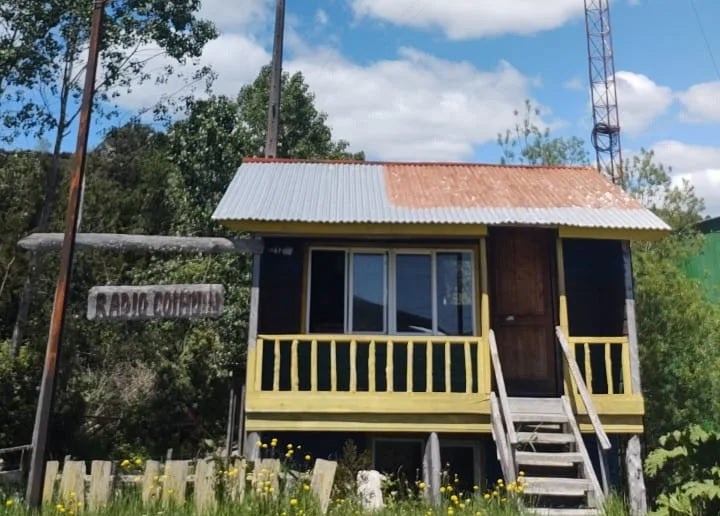
Koiwin Community Radio
Chile (Mapuche Williche)
The community created and manages Koiwin Community Radio as an autonomous media outlet to disseminate, highlight, and address issues related to cultural preservation, territorial protection, and the strengthening of community networks in rural areas.
Their project, “Self-Training School at Radio Koiwin in Compu: Reflection, Feeling Thoughts, and Production of Radio Content on the 200th Anniversary of the Treaty of Tantauco,” invites participants to reframe the present in light of historical processes. Through community meetings, the school works to strengthen the memory and territorial history of the Williche People. Its goal is to create spaces for critical reflection on colonization, the Treaty of Tantauco, and the community’s role while training a team in radio production to create critical content that will deepen the connection between the station and the community.
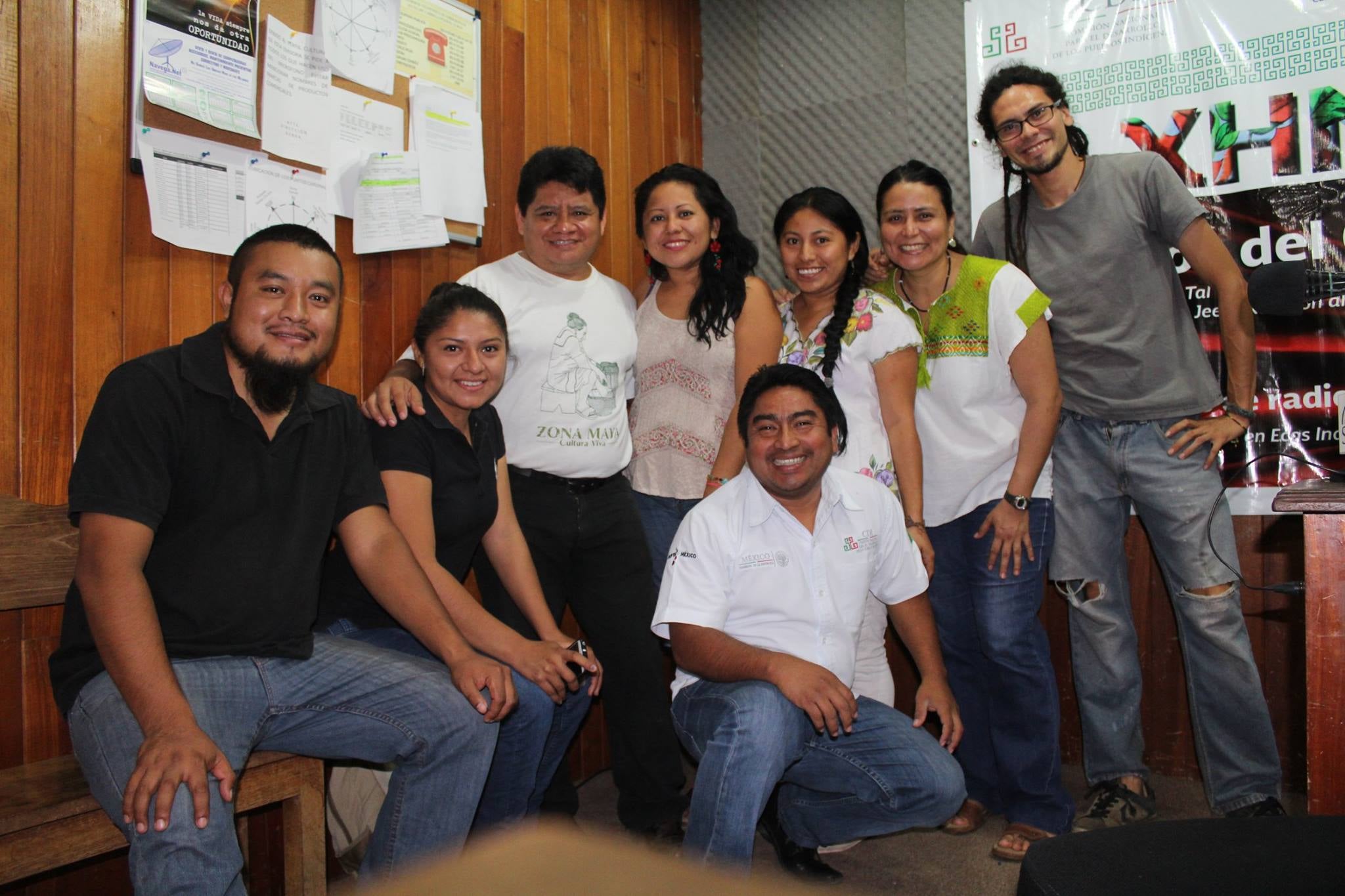
Uyool Che A. C.
Mexico (Maya)
The main objective of Uyool Che A.C. is to inform the community about environmental news and community activities. Special emphasis is placed on issues related to healthy food production, agroecology, economic, social, and environmental rights, and the promotion of social organization processes.
“Voices of My Land” aims to produce and disseminate information in Mayan and Spanish through virtual media and three radio stations based in the three states on the Yucatan Peninsula. The content will focus on production processes for food and resources to provide community members with the information they need to make more informed decisions about their health, caring for the environment and land, and preserving the traditions, knowledge, and ancestral wisdom that have sustained Maya families and communities throughout millenia.
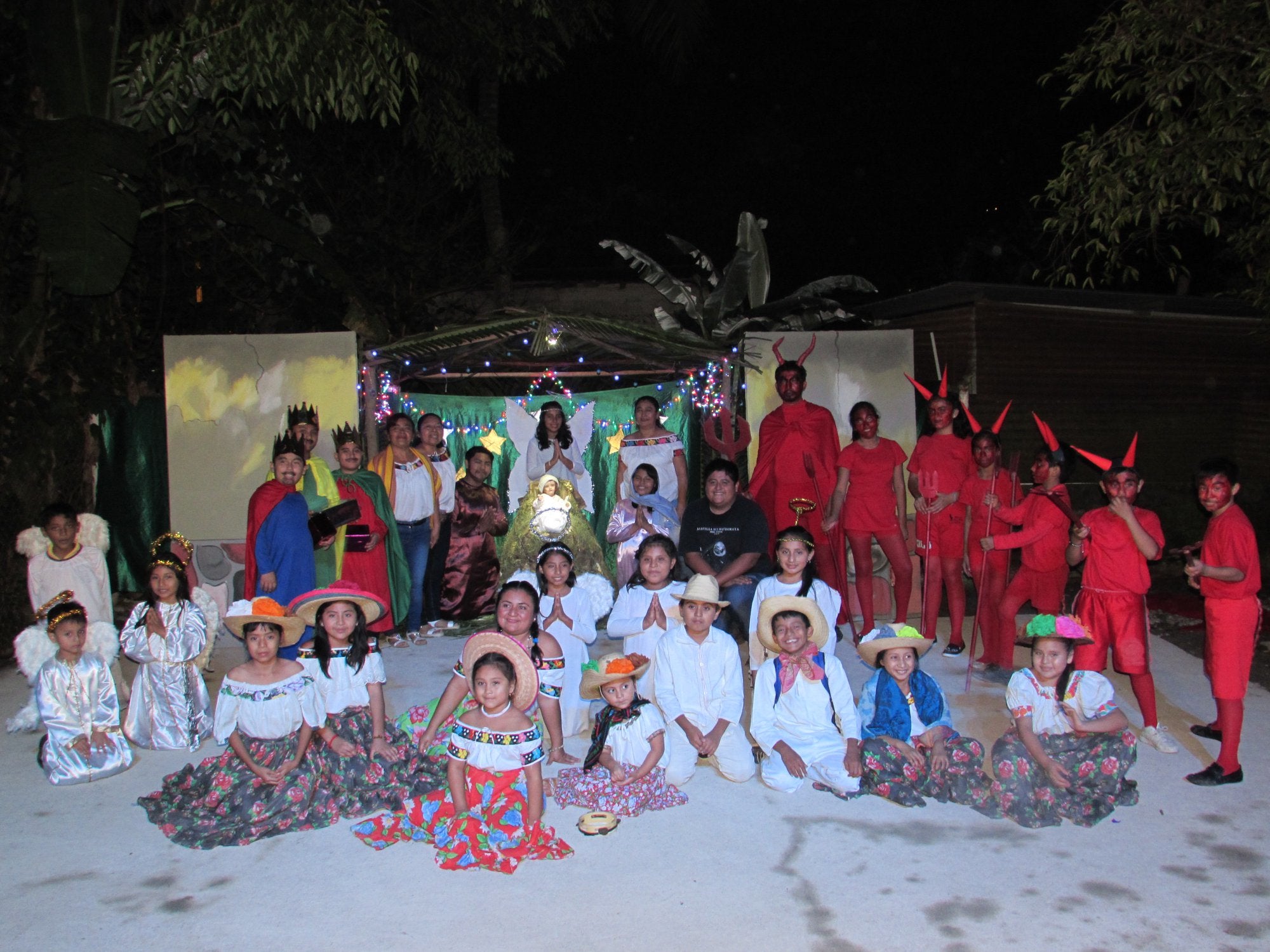
Children of the Tiger
Mexico (Ch'ol)
Children of the Tiger promotes theater as a tool for cultural management, education, recreation, and resistance. Their work promotes the strengthening of artistic expressions, highlighting the Zoque and Ch'ol roots of the community. Among their achievements is the National Festival of Indigenous Puppet and Object Theater, now celebrating its third year after touring 13 communities with various theatrical performances.
“Tabasco Community and Indigenous Arts Communication Gathering” weaves collaborative networks among artists, audiences, and alternative media to strengthen the promotion of productions with Indigenous perspectives. The project fosters intercultural dialogue and generates sustainable collaborations, revitalizing the intersections between contemporary and Traditional Knowledge in an artistic forum that highlights the cultural diversity of Tabasco. It includes multidisciplinary art exhibitions, roundtables, and art-media fusion workshops in Zoque-Ch'ol and Yokot'an communities.
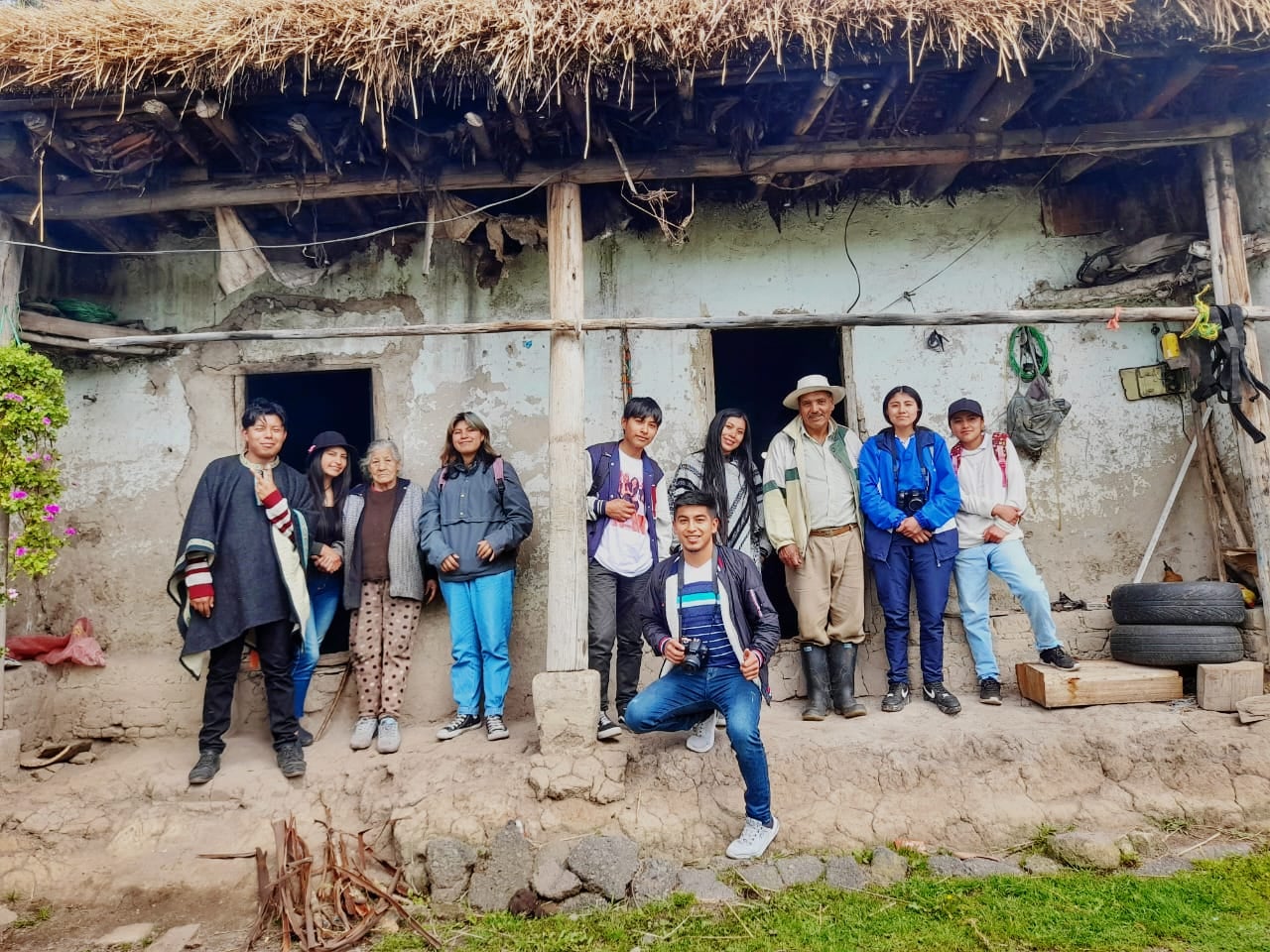
Yachay Wiñay Audiovisual Collective
Colombia (Pasto)
The Yachay Wiñay Audiovisual Collective is a community organization established in 2022. The team has developed various artistic media, including murals, photography, and video productions, in addition to organizing three editions of the Indigenous Audiovisual Festival. The collective has been recognized by the Ipiales Indigenous Reserve for its contribution to cultural strengthening through art and community communication.
Their project, “Strengthening the Cultural Knowledge of the Great Land of the Pastos Through Information and Communication Technologies and Environmental Protection,” preserves Indigenous identity through training in technology, communication, and the environment in three educational institutions. The main activities include video production and environmental care workshops, field trips for tree planting, the creation of school gardens, interviews with experts, and the organization of the 4th Indigenous Audiovisual Festival. This project will have a significant impact on Indigenous youth, strengthening their sense of cultural belonging, encouraging community participation, and promoting sustainable practices that combine tradition, technology, and territory.
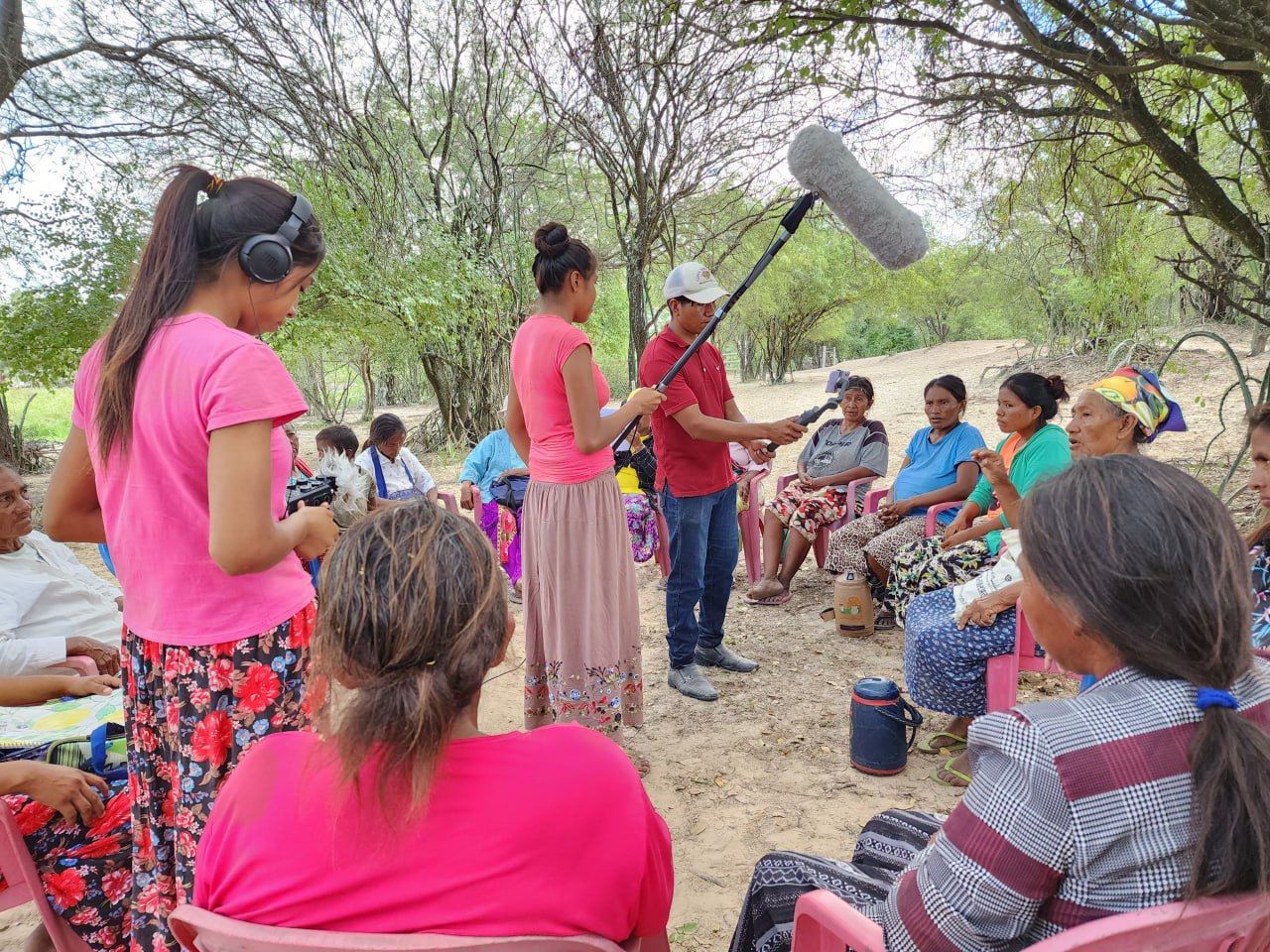
Digital Creators Network
Paraguay (Qom, Angaité, Nivaclè, Enlhet Norte, Guaraní Ñandeva)
The Digital Creators Network brings together community media from different Indigenous communities and Peoples of the Paraguayan Chaco to strengthen collective action, create training spaces, and develop communication initiatives. The network seeks to preserve Indigenous languages, cultures, and territories while providing skills in the use of information and communication technologies to strengthen the livelihoods of women.
“Voices of the Territory: Weaving the Future” seeks to strengthen the technical and organizational capacities of the Digital Creators Network of the Paraguayan Chaco through training in digital communication, audiovisual production, and content strategies. The project includes training modules to improve the planning, editing, and dissemination of content relevant to Indigenous communities, as well as to consolidate the internal governance of the network.
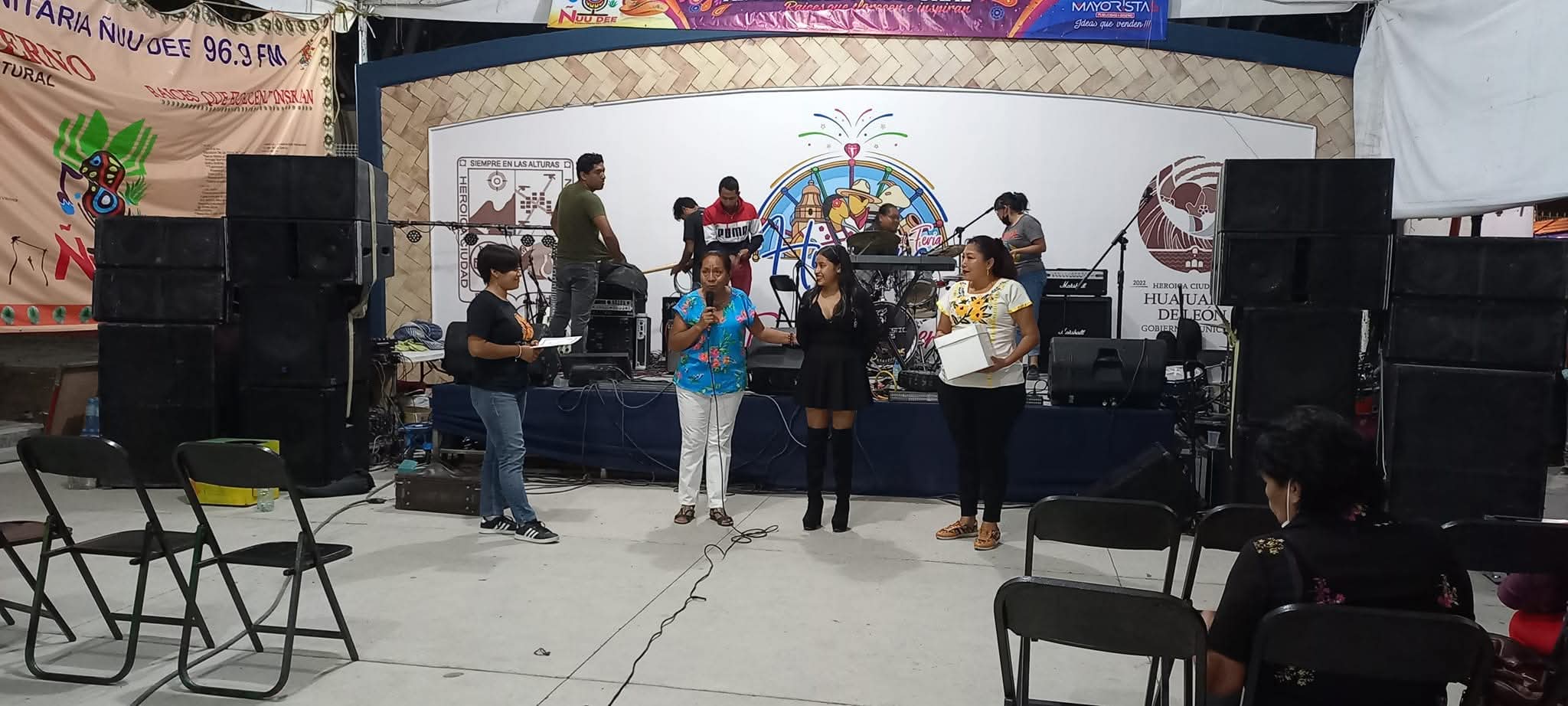
Ñuu Dee Community Radio
Mexico (Mixtec)
Ñuu Dee Community Radio promotes Mixtec culture, language, citizen participation, and human rights through accessible and culturally relevant radio content. The radio station operates as a space for meeting and dialogue, promoting popular communication processes that highlight social issues, strengthen community identity, and foster the social fabric.
The project, “Equipment and Support for the Dissemination of Ñuu Dee Community Radio,” strengthens the communications work of Ñuu Dee through training in radio production and the production of content in Mixtec and Spanish. Through specialized workshops in radio broadcasting, journalism, and production, the project improves the technical capacities of the radio team members. This project will have a positive impact on the preservation of the Mixtec language, access to information, and social cohesion in the communities involved.
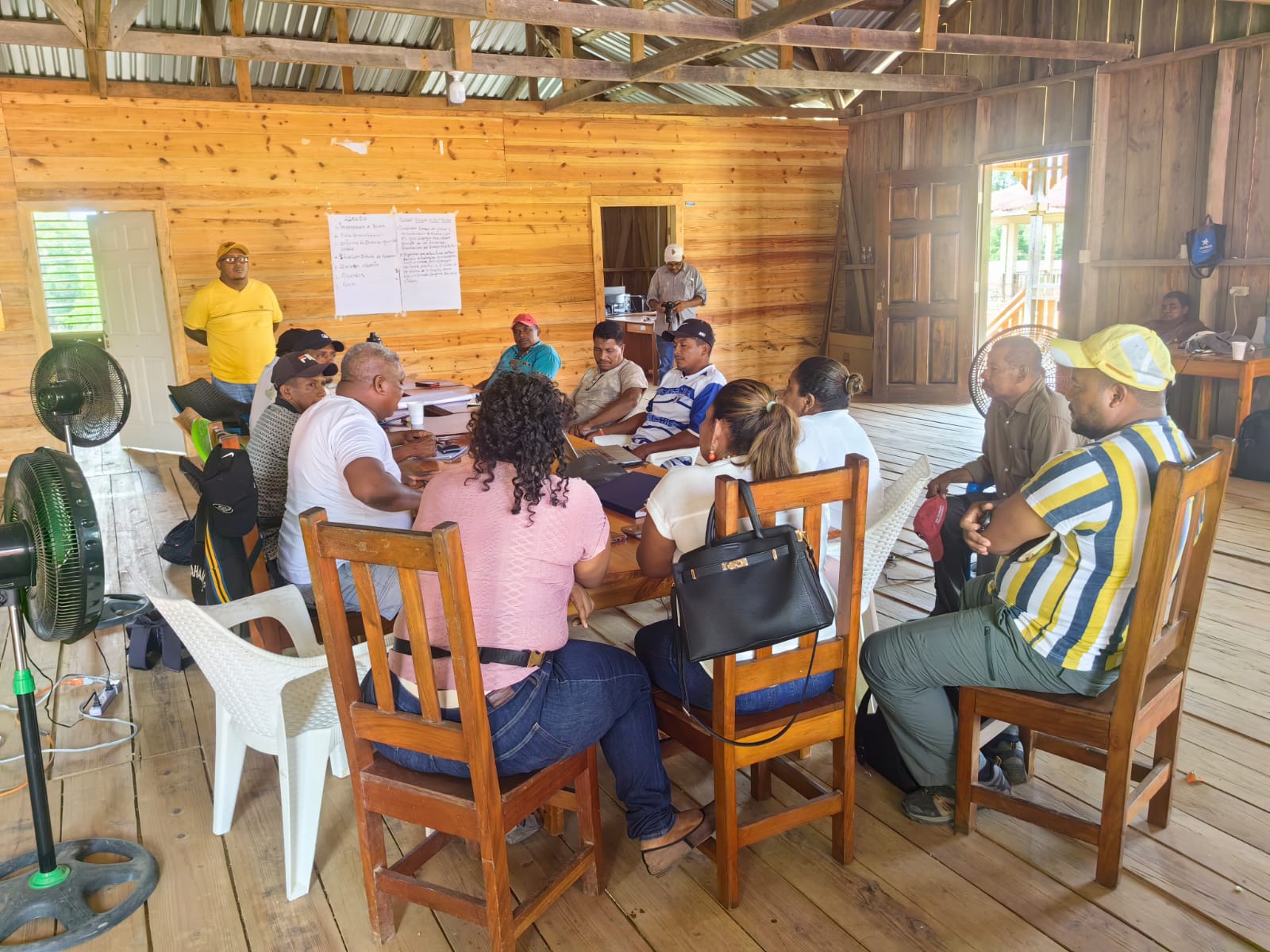
Miskitu Asla Takanka (MASTA)
Honduras (Miskitu)
The Miskitu People are organized into 12 Territorial Councils and 284 Community Councils distributed over a territory of 16,996 square kilometers. Internal communication among Miskitu communities is limited, so it was necessary to establish a community radio station to maintain a line of communication between the communities, the territorial authorities, and Miskitu Asla Takanka.
The project, “Voice of the Miskitu Descendants,” aims to set up a community radio station to inform and educate the Miskitu population. The main station will be installed in the MASTA office and will have three repeaters located in the Indigenous Territorial Councils of Truktsinasta, Bamiasta, and Diunat. The programs will be mainly informative, publicizing the activities carried out in each of the 12 territories and at MASTA, as well as ongoing project initiatives. The project will also hold radio training workshops on the collective rights of Indigenous Peoples, territorial governance, natural resource management, and other relevant topics.
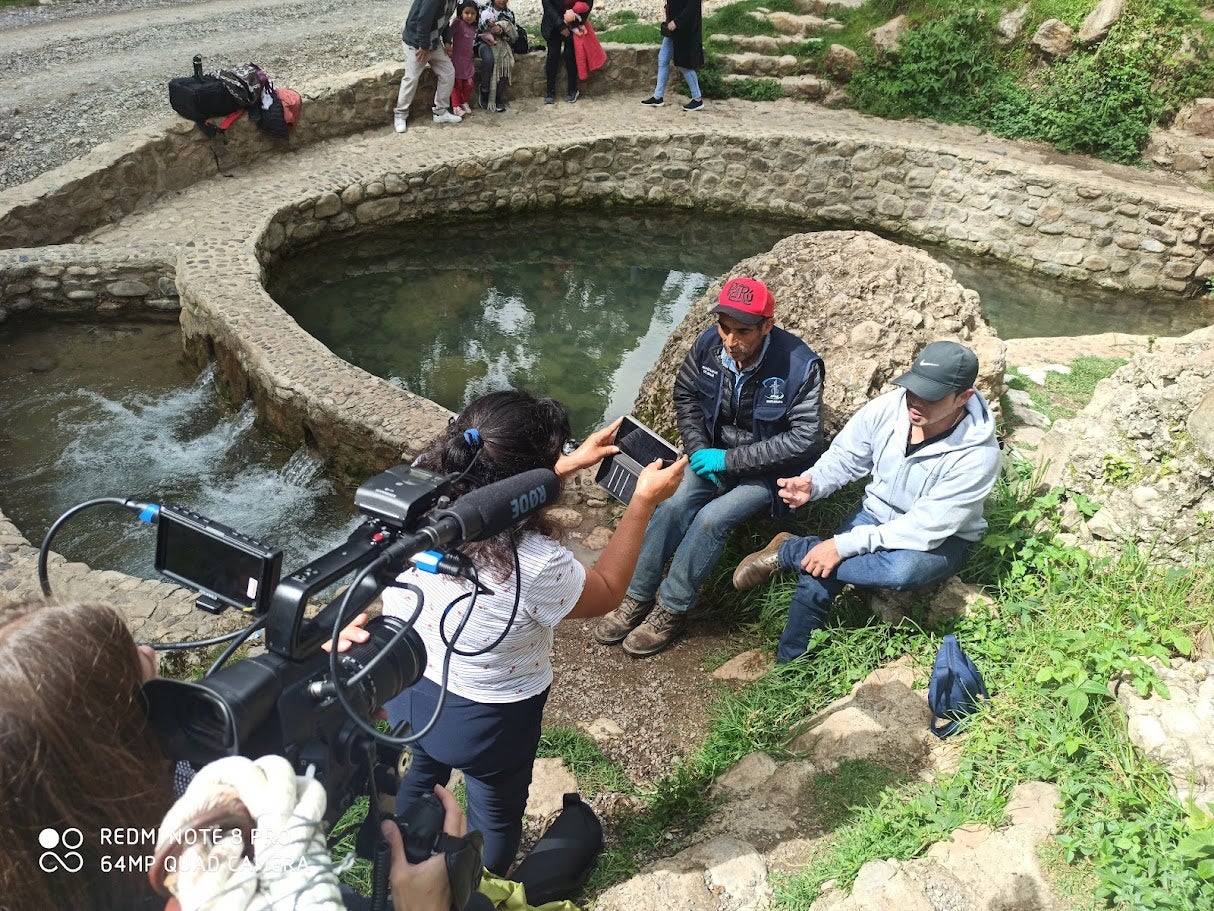
Coordinator of Regional Border Development for the Indigenous People of the Kanus Basin
Peru (Awajún and Wampis)
The Coordinator of Regional Border Development for the Indigenous People of the Kanus Basin is an organization with more than a decade of experience that brings together Wampis and Awajún communities, organizations, and collectives around the topics of management of territory, forest, and the Santiago River. Together with Indigenous leaders and community communicators, it works to defend the environment and health through awareness-raising and concrete measures to protect natural resources. It also strengthens cultural identity and promotes active participation in the face of the impacts of illegal mining.
“Voices of the River: Resistance Against Illegal Mining in the Santiago River” seeks to strengthen the communication capacities of the Awajún and Wampis communities in the face of illegal mining. Through workshops, festivals, radio campaigns, and intergenerational meetings, the project raises awareness of territorial struggles and highlights the role of women and youth as defenders of water, forests, and life. It coordinates Amazonian community media to demand respect for collective rights and the natural environment, promoting unity and Indigenous self-defense.
Red Chimpu Warmi Network
Bolivia (Uru Murato)
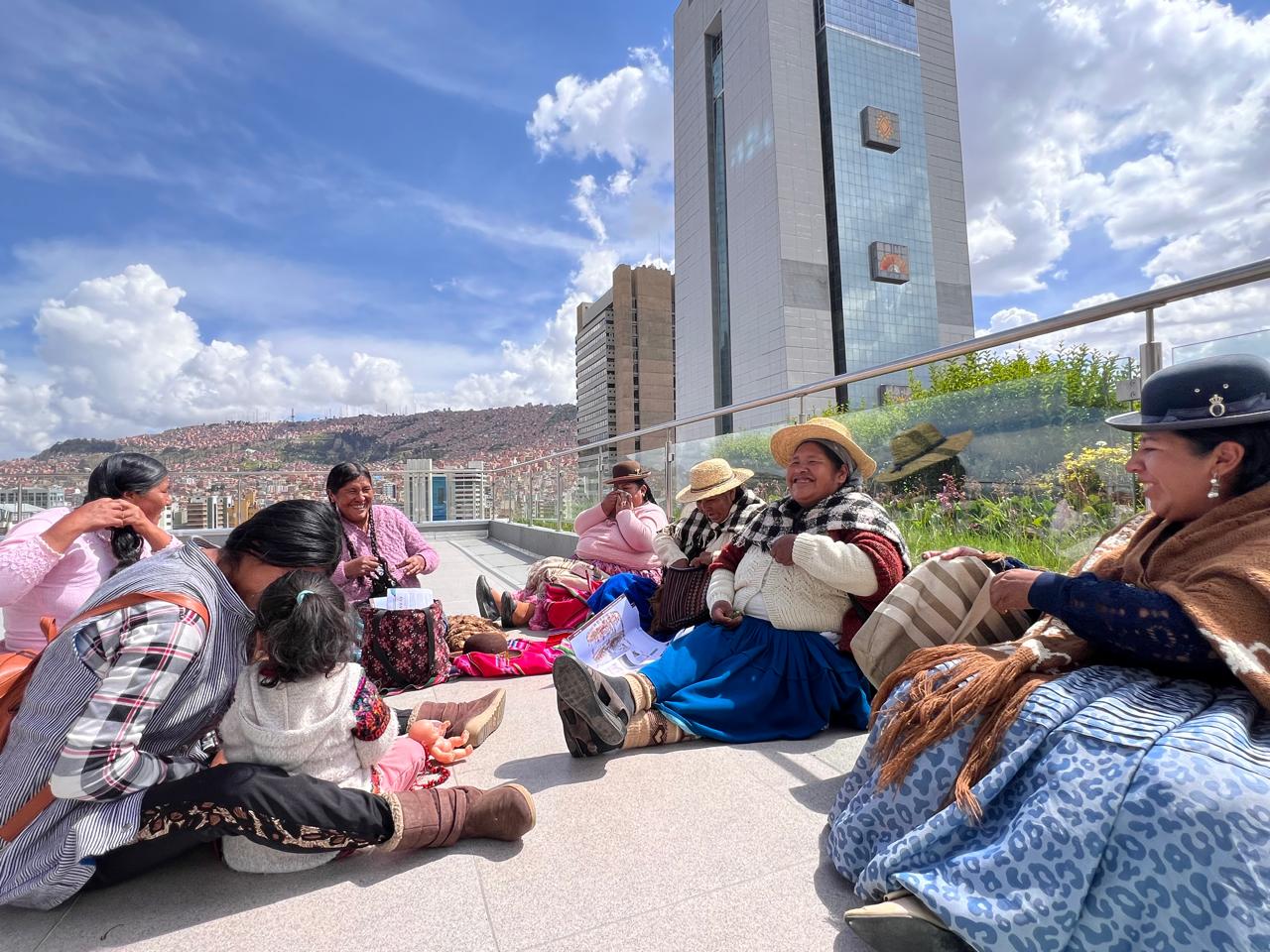
The Red Chimpu Warmi Indigenous Women's Network is an organization focused on organizational development, climate justice, gender-focused leadership, and ancestral knowledge for life. It supports the Uru Murato sisters from the Puñaca Tinta María community, who are fishers, gatherers, and artisans affected by the environmental disaster of the disappearance of Lake Poopó and by historical segregation. Extraction of gold, silver, tin, zinc, and lead is also happening in this territory.
“Puñaca Tinta-Maria: Care, Grief, and Resilience” uses audiovisual materials to highlight the actions, thoughts, and feelings of women facing this crisis. The goal is to promote dialogue, platforms, and alliances that lead to a solution for the Uru Murato community in Puñaca Tinta María. Through the collective fabric between the women of the Chimpu Warmi Network and the community, the project influences policies of compensation and economic resilience, which, in addition to providing humanitarian aid, promote means for the community’s continued survival.
Radio Uekorheni
Mexico (P'urhépecha)
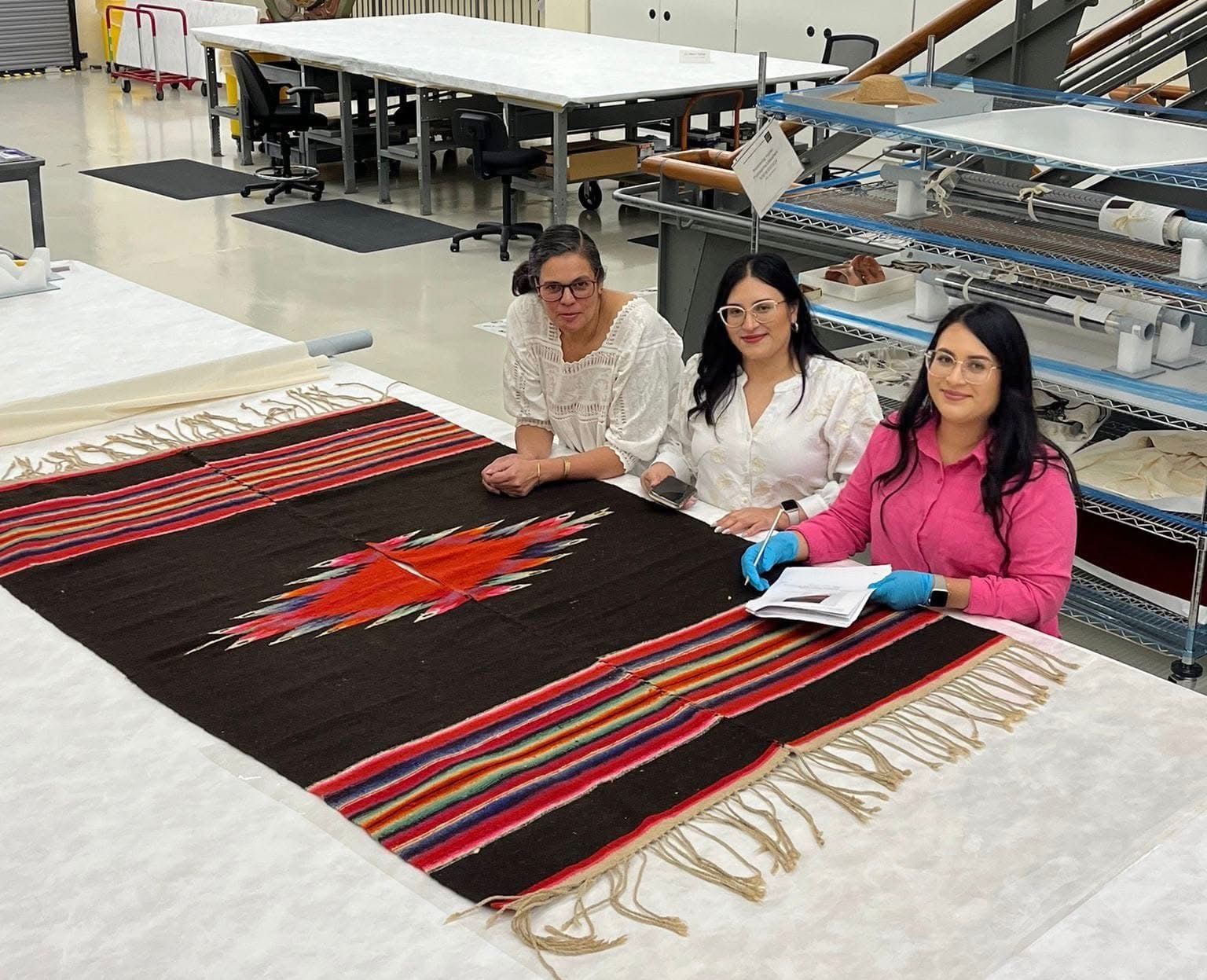
Radio Uekorheni is a community media outlet that preserves, documents, and shares the reality of the P’urhépecha community using radio as a tool to strengthen the social fabric. Its programming addresses issues of migration, identity, gender, territorial defense, P’urhépecha culture and history, and education.
“Dreams of the Lake” documents the environmental crisis of Lake Pátzcuaro, which is key to P'urhépecha culture and identity. Through the voices of women, it captures the communities' relationship with the lake and their efforts to protect it. It addresses the oral history and cultural value of the lake, along with the impacts of tourism drying up, pollution, extractivism, and loss of wildlife.
Kimsakocha Community Radio
Ecuador (Kichwa Kañari)
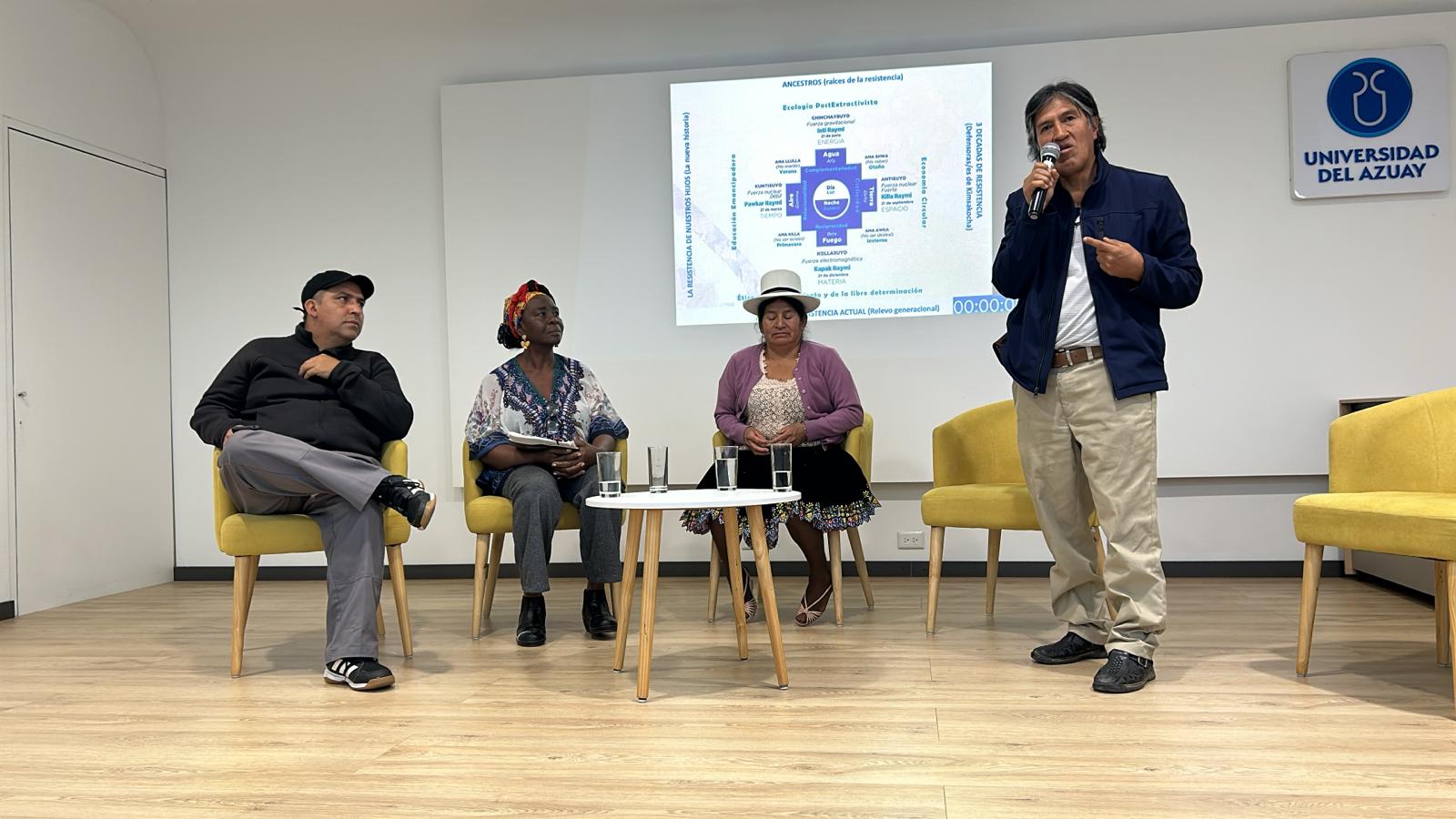
Kimsakocha Community Radio was created in 2018 by the Federation of Indigenous and Campesino Organizations of Azuay to raise awareness about the defense of water and the moorlands in the face of copper and gold mining threats. The station’s goal is to be a space where new generations can express their voices and thoughts in defense of their territory and Pachamama, and to be an intergenerational channel for transmitting intercultural values from their ancestors.
“Strengthening the Resistance of Kimsakocha Community Radio” marks the beginning of a second stage of this media outlet, following six years of resistance, struggle, and persecution by mining companies and governments allied with extractivism. The project includes training for 30 communication guardians; the renewal and innovation of news content to strengthen anti-mining resistance in the territory; the organization of a meeting to share other communication experiences in the region; and the renovation of the radio station's premises.
Radio Tacana
Bolivia (Tacana)
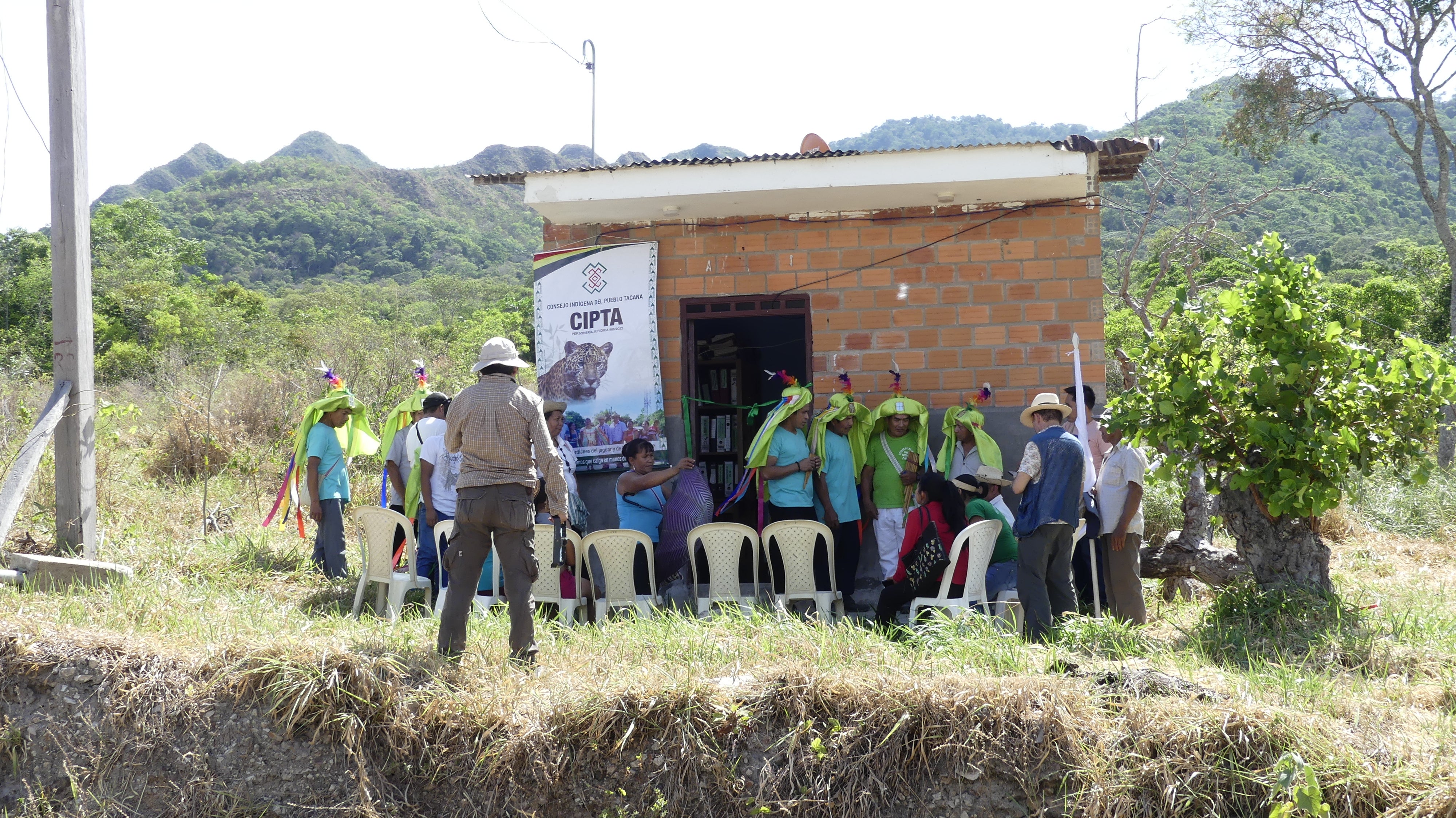
Radio Tacana is a community media outlet that informs and connects communities by broadcasting local, national, and international news. Through social media and radio broadcasts, it amplifies voices from the territory, generates support networks, promotes the Tacana language and culture, and alerts communities without access to other media about climate risks.
The project, “Tacana Voices for Environmental Justice and Cultural Heritage,” strengthens the defense of Indigenous rights in the Tacana-1 Indigenous Community Land in the face of environmental and social rights violations. Through radio spots, informational programs, a workshop, and a community fair, it promotes environmental justice, women's and youth rights, and language preservation. It also strengthens the Tacana Youth Communicators Network and provides tools for reporting impacts on the territory.
Ch'orti' Mayan Indigenous Council of Olopa
Guatemala (Maya Ch'orti')
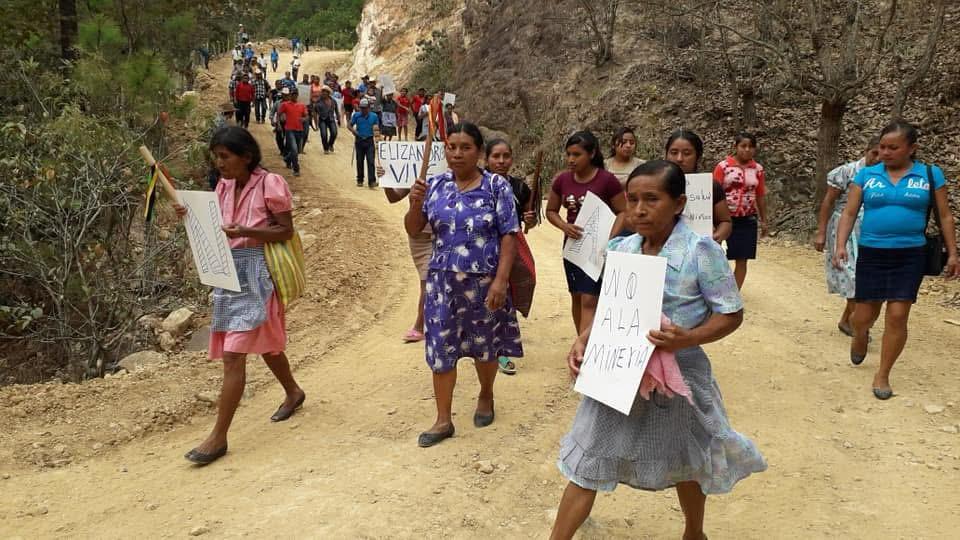
The Ch'orti' Mayan Indigenous Council of Olopa, Chiquimula represents 16 Ch'orti' Maya communities in eastern Guatemala and works to reclaim their rights, strengthen their ancestral practices, and sustain their forms of organization. Currently, they are engaged in peaceful resistance against mining exploitation, defending their territory against development models that threaten Mother Earth and advancing toward climate justice. The Council carries out social, political, legal, and communications actions to promote the individual and collective rights of Indigenous Peoples, preserving their forms of community organization guided by the spirituality and worldview of the Ch'orti' Maya people in pursuit of Good Living.
The launch of Ch'orti Community Radio will allow the voices of the communities to be heard through active participation, facilitating human rights education for both the communities and the general population and promoting spirituality as a path of hope in the face of the threats facing Mother Earth. This medium will serve to counteract narratives imposed by commercial media and will highlight health issues affecting the community, rights violations, and the legal actions promoted by the Indigenous Council for the protection of natural resources against extractive corporations.
Yaco Molana Indigenous Reserve
Colombia (Pijao)
In 2020, the Yaco Molana Indigenous Reserve, one of the communities most affected by colonization, began a process of revitalization. The main objective is to empower future generations of Pijao People to preserve their ancestral traditions and protect their territories. They also seek to make the world aware of the existence of a People fighting to preserve their roots and keep their cultural legacy alive.
The project, "Narratives of the Earth: Film, Youth, and Climate Change," documents and highlights the challenges facing the community, such as the transformation of the territory from tropical forest to desert. The community will use audiovisual content to raise awareness about the impacts of climate change, promoting greater environmental consciousness both within and outside the territory.
Indigenous Communication S.C. - Ojo de Agua Communication
Mexico (Zapotec, Mixtec, Mazatec, and Zoque)
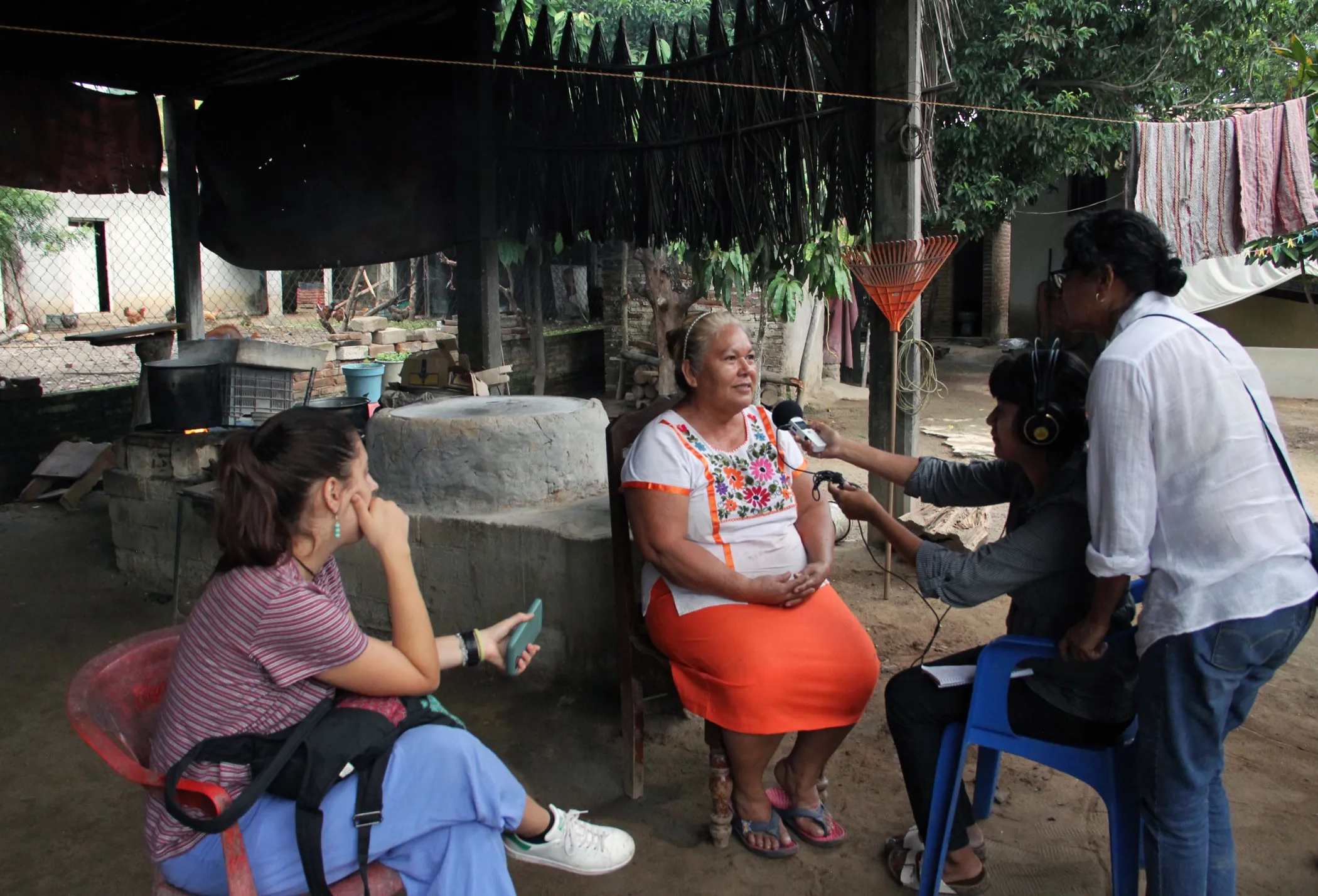
Indigenous Communication S. C. - Ojo de Agua Communication seeks to transform the media, particularly radio and film, into tools for the exercise of free expression to facilitate access to culturally relevant information. The initiative promotes cultural recognition, the construction of gender equality, and the care and defense of the territories of Indigenous Peoples and other historically marginalized groups.
Their project, “Development Lab for Indigenous and Afro-descendant Filmmakers of Mexico,” seeks to strengthen creative processes and generate opportunities for co-production and international exhibition in cultural, commercial, and community spaces. It also aims to build a common strategy that strengthens the Indigenous and Afro-Mexican community communication movement, promoting actions and influencing legal frameworks and public policies related to the right to communication.
Ulu Films
Panama (Guna)
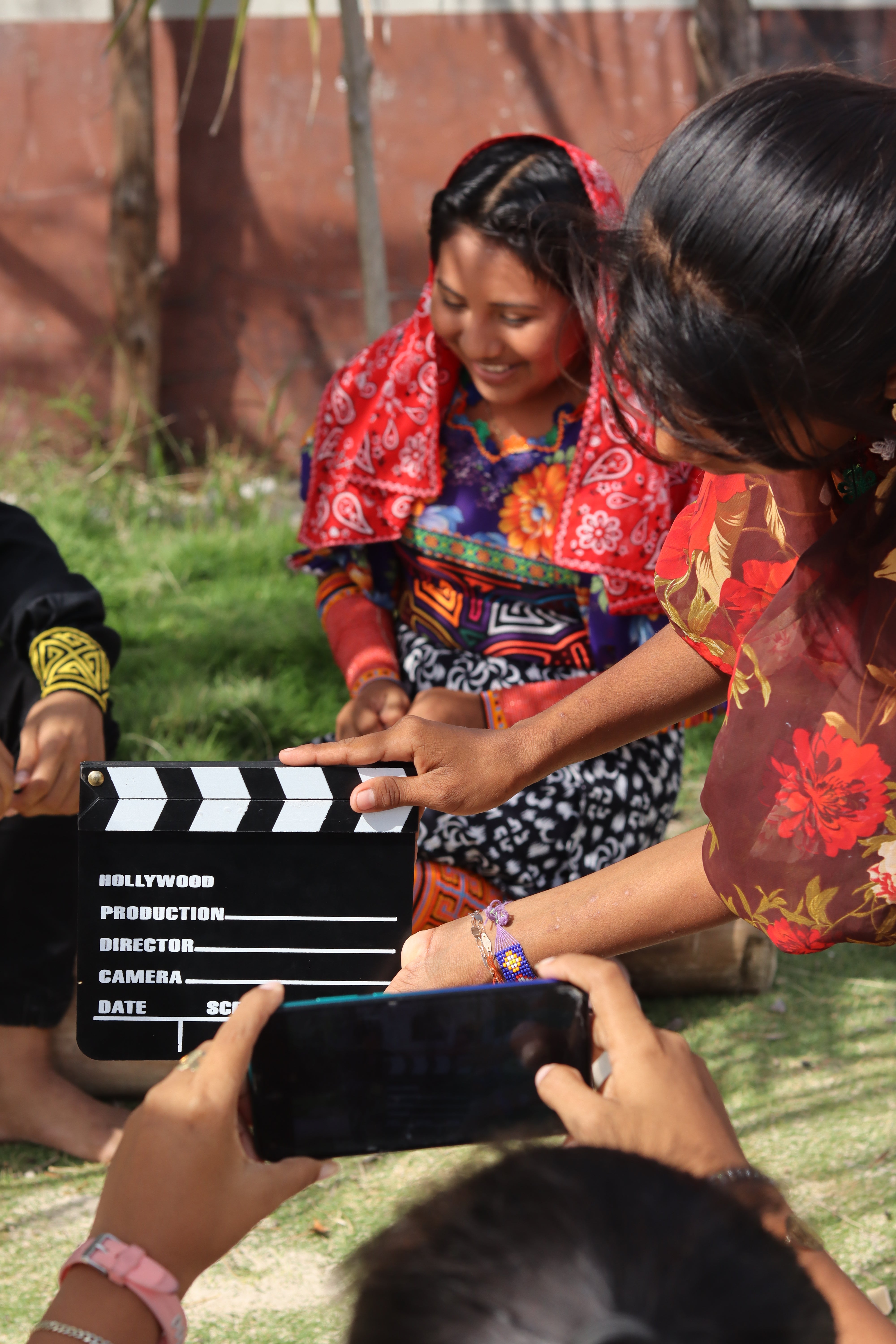
Ulu Films promotes respect and appreciation for the cultural diversity of Indigenous Peoples through audiovisual media. Its main objective is to raise awareness and preserve the ancestral knowledge and worldviews of these communities, creating spaces for expression where they can share their traditions and knowledge. Based on human and artistic respect, it uses film as a tool to strengthen interculturality and collective understanding.
“Echoes of the Roots” gathers and shares the experiences of the Emberá and Wounaan communities regarding land recognition and the challenges they face. The team conducts interviews and leads audiovisual production workshops, producing podcasts in Guna, Emberá, Wounaan, and Spanish, as well as a short documentary film. Through this work, the project empowers communities, raises public awareness, and promotes action to defend their territories.
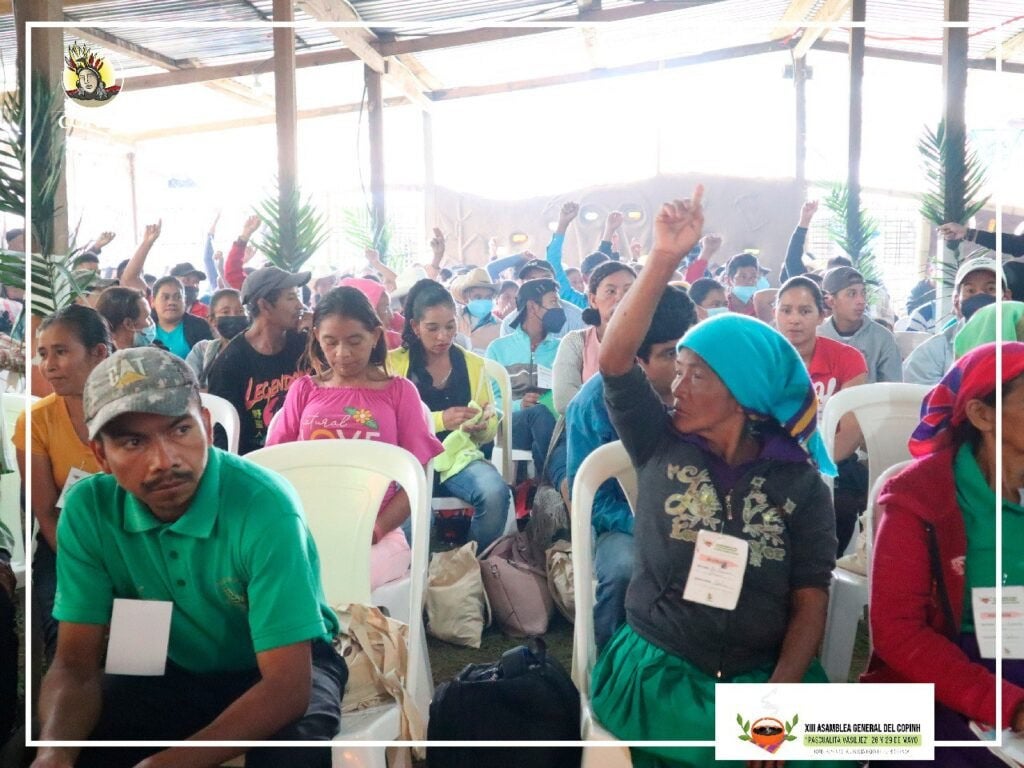
Civic Council of Popular and Indigenous Organizations of Honduras (COPINH)
Honduras (Lenca)
COPINH is a community-based organization led by the Lenca People in southwestern Honduras. Their work focuses on defending territory and nature, fighting the patriarchy, promoting social justice, and building alternatives to capitalism and racism. COPINH works to reclaim the rights of communities, promoting autonomy, dignity, and respect for cultural diversity.
“Alternative Communication and Popular Education as a Means of Struggle and Resistance for the People” promotes sustainable processes of organization, training, and advocacy so that people of all ages and genders can express themselves freely. The project seeks to strengthen communication capacities from a community perspective in defense of rights and territories through technical training and support for the self-sustainability of community radio stations.
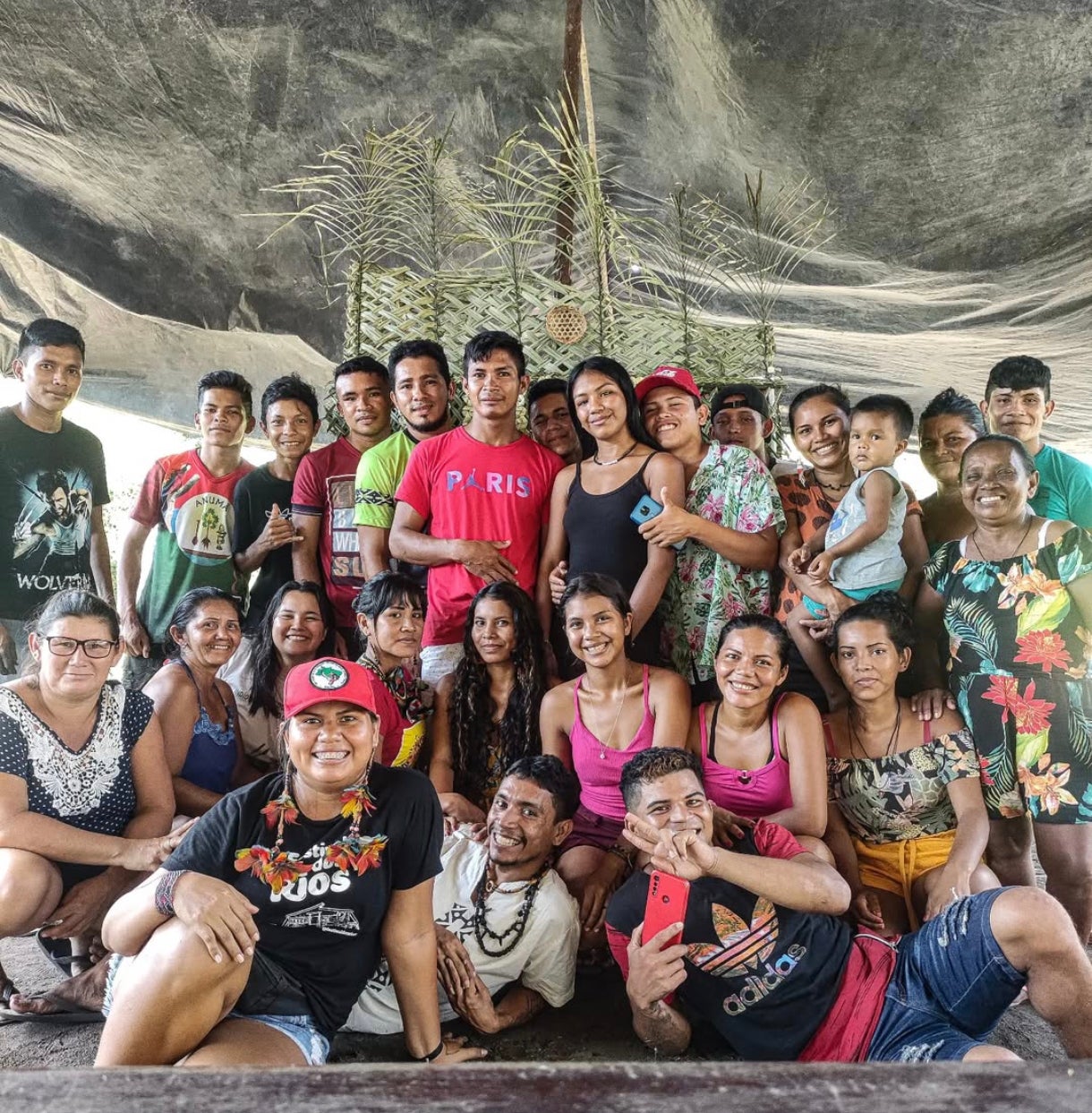
Indigenous Council of the Kumaruara Territory (CITK)
Brazil (Kumaruara)
The Indigenous Council of the Kumaruara Territory promotes community communication in the Lower Tapajós region so Indigenous Peoples can tell their stories, denounce injustices, and value their cultures. Since 2016, they have organized meetings, workshops, and audiovisual productions that highlight environmental, cultural, and social challenges. They promote the training of youth and women communicators, strengthening their autonomy. For CITK, communication is a tool for resistance and preservation of the living memory of the forest.
“Voices of Resistance: Communication and Environmental Justice in the Kumaruara Territory” strengthens three community communication initiatives in Suruacá, Mapirzinho, and Solimões through audiovisual and radio production workshops. Young communicators will produce content on the impacts of the climate crisis and local solutions, highlighting Traditional Knowledge. The project will culminate in an inter-village meeting to share content and reinforce the role of youth and women in environmental defense and Indigenous rights.
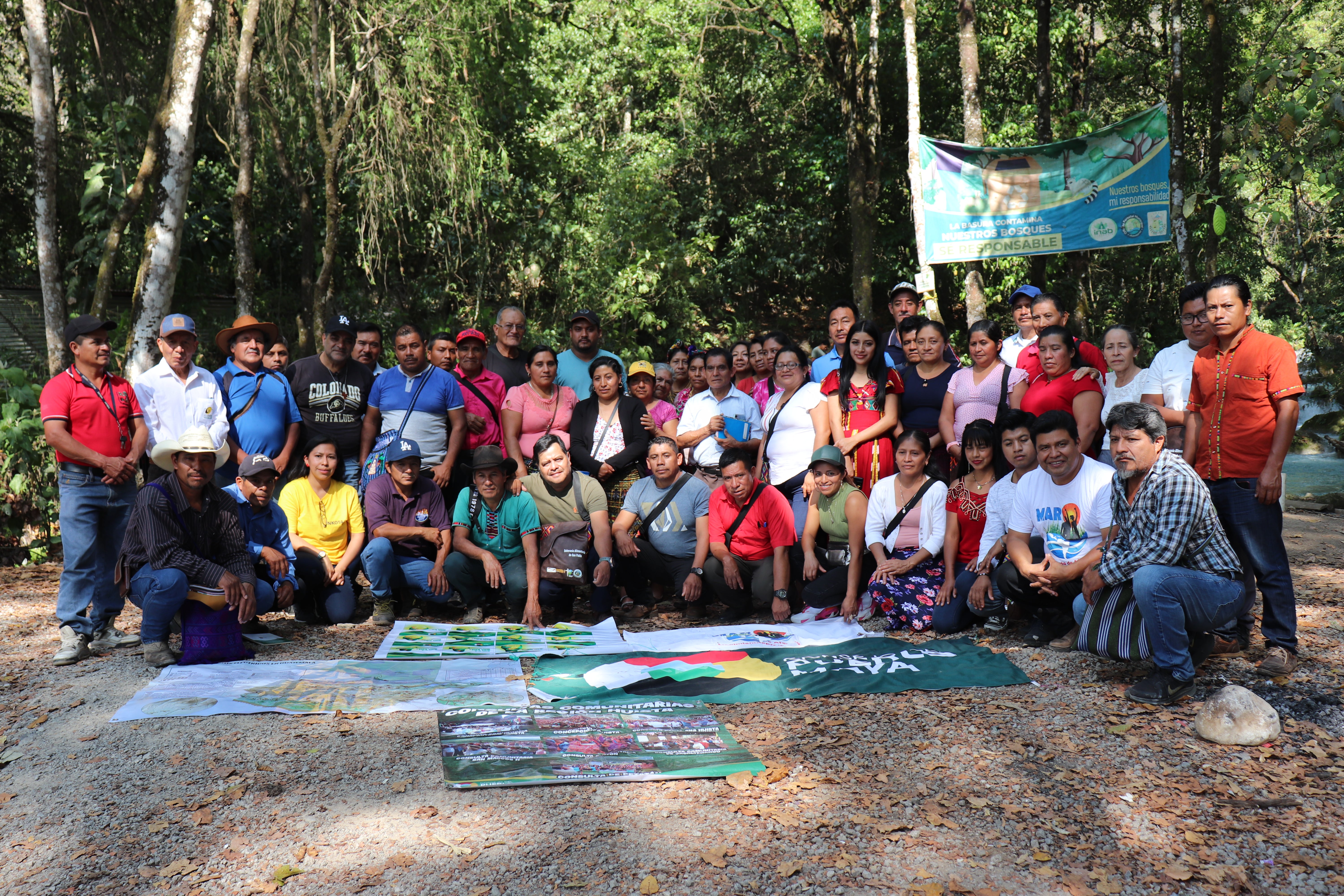
Wuxthaj Council of Peoples
Guatemala (Maya Popti' Jacalteko)
The Wuxhtaj Council of Peoples is a movement that promotes the defense of life and territories and Buen Vivir (Good Living). Among these efforts is the promotion of community consultations in Huehuetenango as a peaceful and democratic response to extractive mining and energy projects. The term Wuxhtaj, of Popti'-Q'anjobalan Mayan origin, means "brother." The Council is also a co-founder of the Mayan Peoples' Council. Its Communication Commission is responsible for producing communication materials and tools aimed at promoting rights, denouncing violations, and exercising the fundamental rights of peoples.
“Community Communication for Good Living” will strengthen the technical and logistical capacities of the Wuxhtaj Council's Communication Commission by producing communication materials aimed at promoting the collective rights, history, knowledge, and defense of the territory of the Indigenous Peoples living in Huehuetenango. The Commission will improve its technical and material capacities to generate audiovisual content aligned with the strategic objectives of the Wuxhtaj Council.
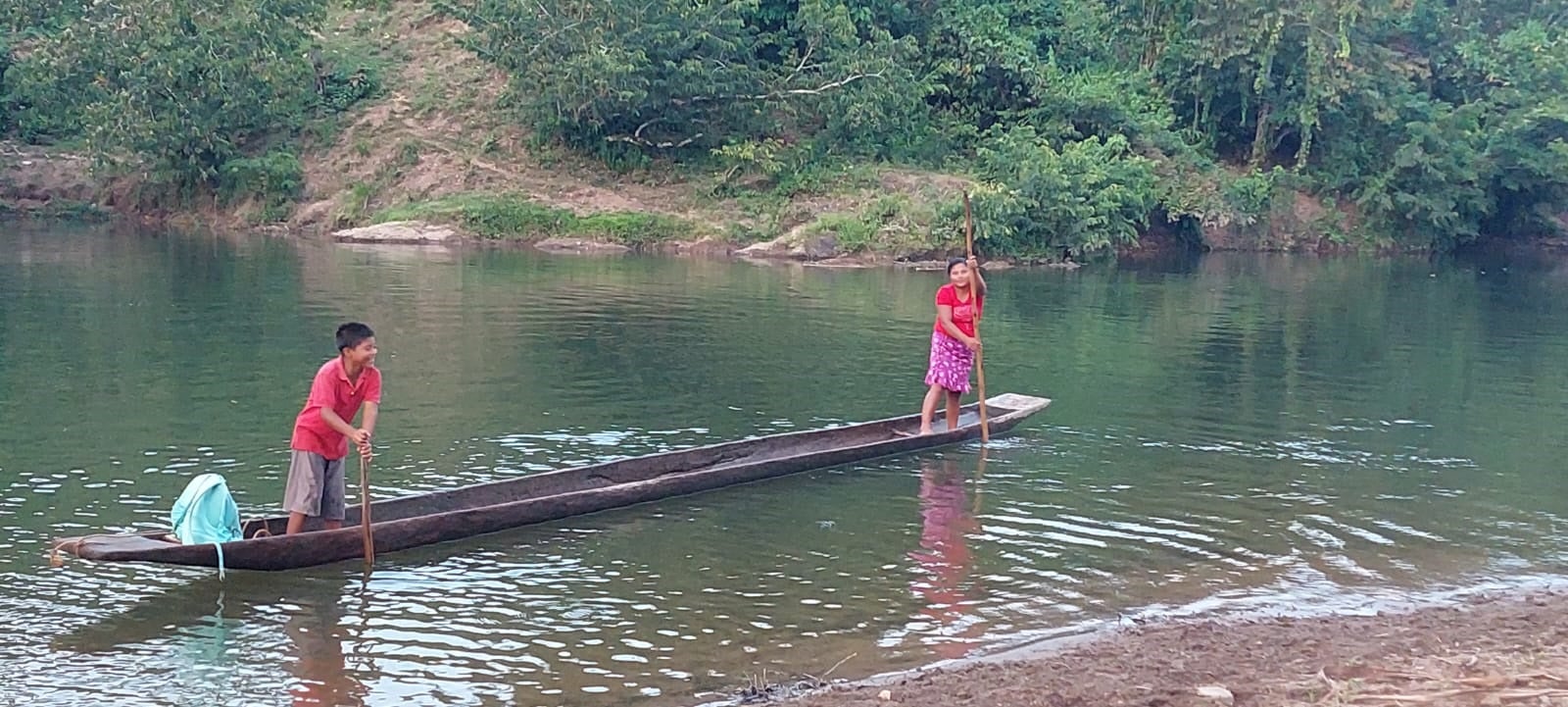
Mayangna Nation Radio
Nicaragua (Mayangna)
Mayangna Nation Radio is a community radio station that works to strengthen the cultural and linguistic identity of Indigenous Peoples. It is a fundamental means of communication for communities living in the Bosawás Reserve and other geographical areas where there is no access to social networks or other media. The station is dedicated to cultural preservation through traditional music programs in the Mayangna language and the dissemination of stories, myths, and legends. It also promotes the strengthening of relevant, bilingual education in their ancestral language.
“Institutional Strengthening of Radio Mayangna” improves the radio station through new technical equipment and training for young communicators in audiovisual and radio production. The objective is to document and disseminate the cultural, linguistic, and social life of the communities, strengthening the link with their institutions. The initiative promotes the intergenerational transmission of knowledge with a gender focus and attention to issues such as climate change and territorial governance.
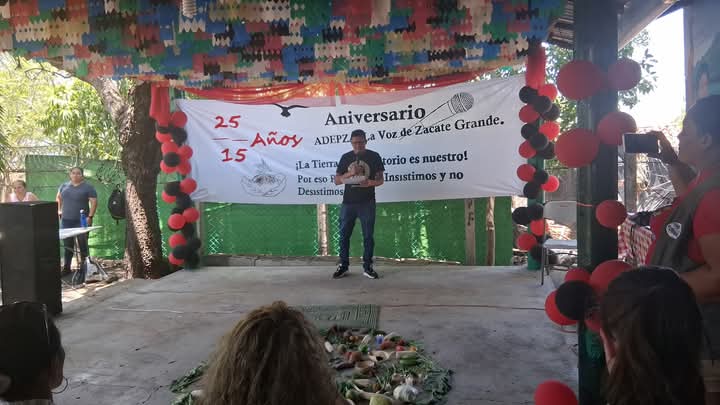
The Voice of Zacate Grande Radio
Honduras (Lenca)
The Voice of Zacate Grande Radio is a community-based, volunteer-run media outlet that seeks to be the voice of those who have been historically silenced, bringing information to communities marginalized by the Honduran government that have been excluded from access to basic services such as healthcare, education, clean drinking water, electricity, and sewage treatment, among others. The station works to raise awareness among the population within its coverage area, addressing issues related to human rights, the environment, natural resources, land, and territory.
“Uniting Voices for the Territory” is an initiative that organizes a network of correspondents in northern Honduras through representatives of Garifuna radio stations, and in the west with representatives of Indigenous radio stations linked to COPINH. The project also includes technical strengthening of the station through the acquisition of equipment to improve programming and expand coverage. In addition, information campaigns will be developed and produced to raise awareness about the responsible use of natural resources and the defense of the territory.
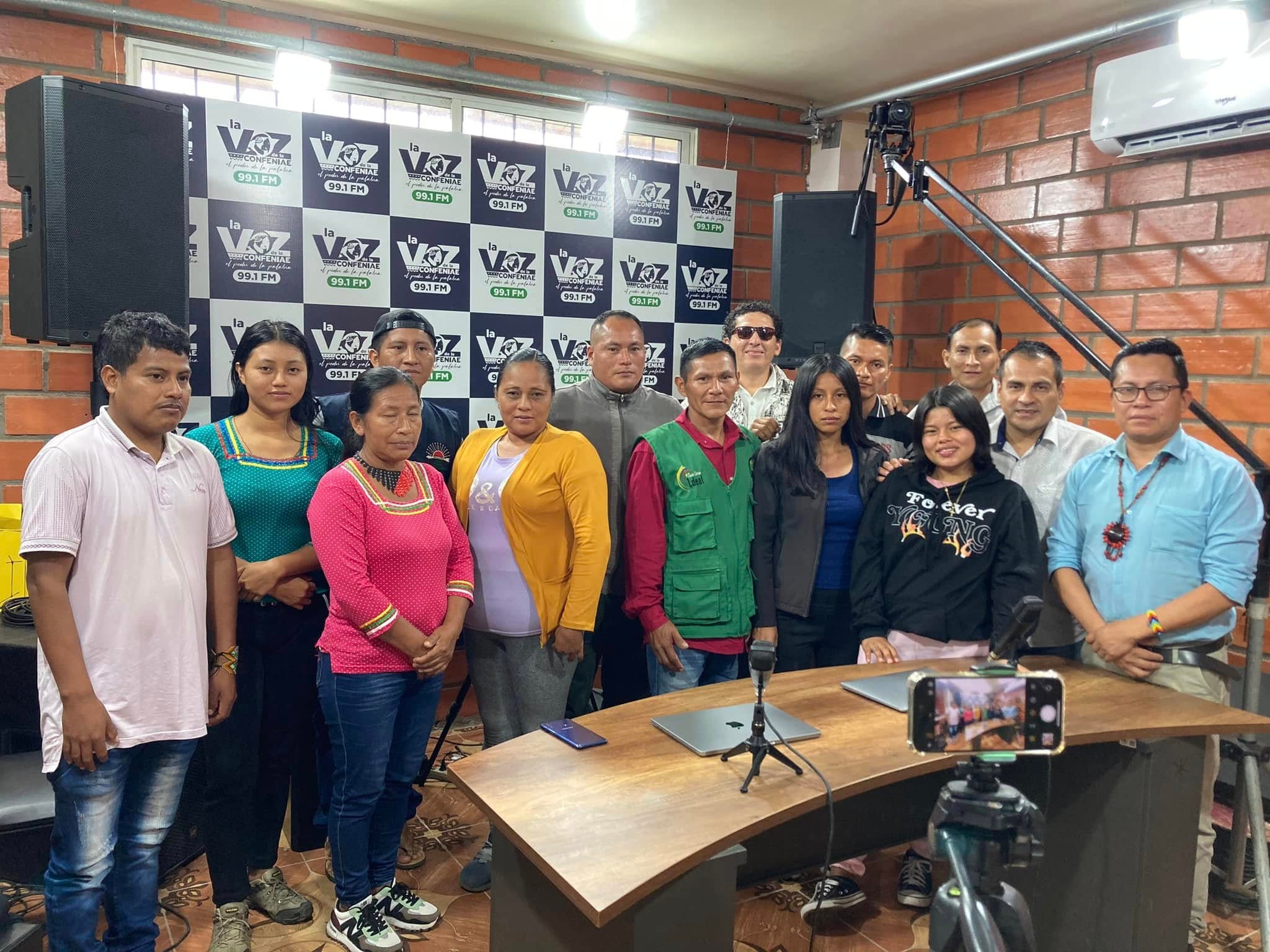
Kichwa People of Rukullakta
Ecuador (Kichwa)
The Kichwa People of Rukullakta is a social and community organization located in the province of Napo. They promote agroforestry systems that guarantee ecosystem and cultural services for their communities and urban populations in the region. Through low impact agricultural practices, they seek to ensure access to healthy food, improve quality of life, and facilitate access to national and international markets under the principles of fair trade and a solidarity economy. All of this is done by prioritizing sustainable land management and minimizing impacts on natural resources.
The initiative, “Environmental Training and Education Project for the Protection and Conservation of Ecosystems in the Upper Watersheds of the Province of Napo,” consolidates a community communication network made up of the main studio of Radio Ideal 98.9 FM, located in the city of Tena, and three annex studios in the communities of Pano, Rukullakta/Archidona, and Malecón de Tena. The project will strengthen the participation of Indigenous and rural people in communication by acquiring equipment, conducting training, and producing content, with a focus on environmental protection, human rights, and interculturalism. It will benefit communities in the Jatunyaku and Hollín River basins, essential territories for Amazonian life that are currently threatened by extractive activities.
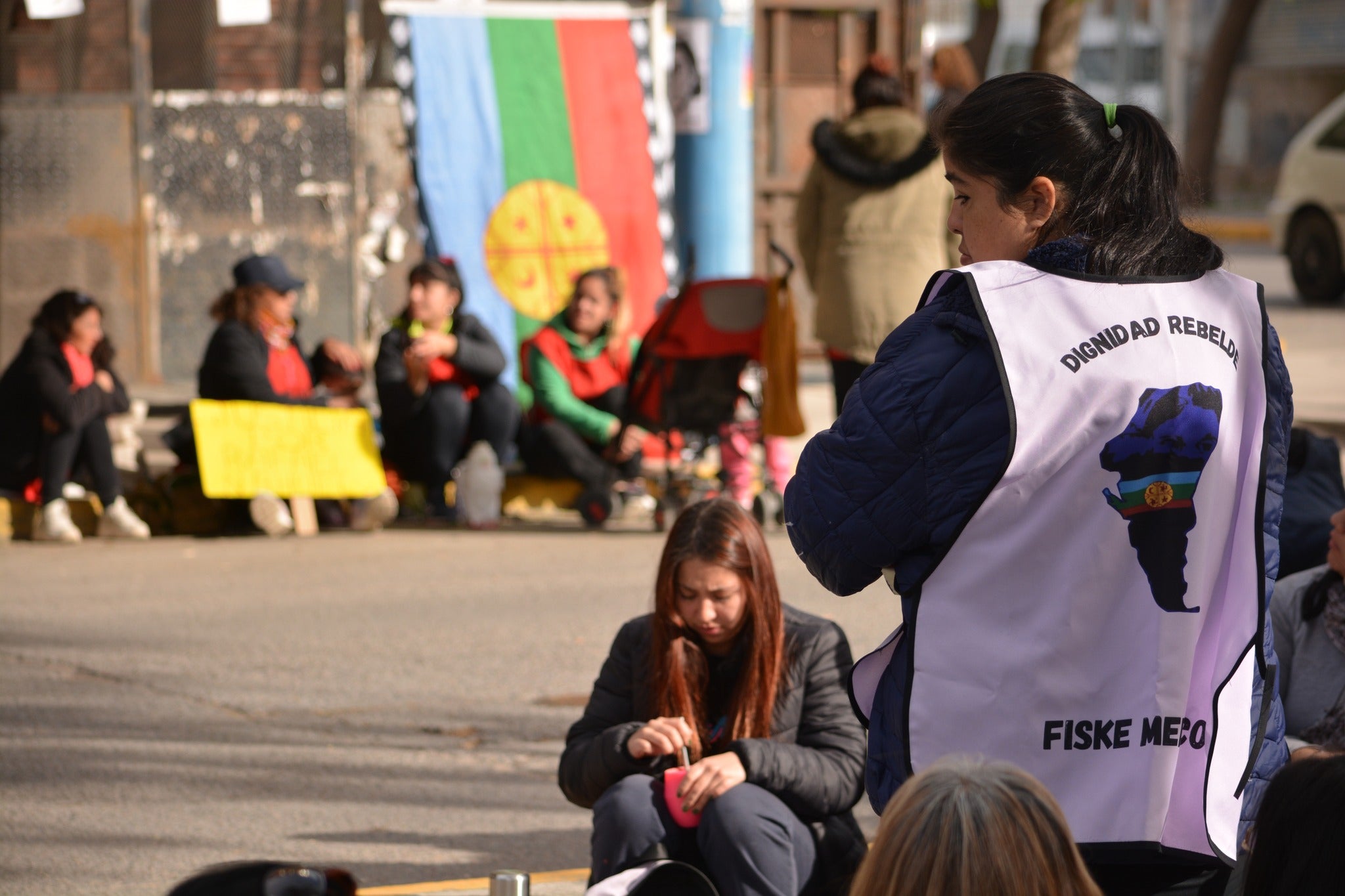
La Rastrojera LTDA Workers' Cooperative
Argentina (Mbayá Guaraní)
La Rastrojera LTDA is a nonprofit organization founded in 2007. Since its inception, it has been dedicated to documenting and disseminating information about various realities in the region, such as the advance of deforestation driven by the logging industry and the vulnerable situation of the Mbayá Guaraní communities, campesino families, and tareferas (day laborers), who make up the most exploited sectors of the yerba mate production chain. Its main objective is to raise awareness of social, territorial, and environmental conflicts, as well as to defend human, Indigenous, and cultural rights.
“The School of Communication and Free Technologies for the Common Defense of Territory” strengthens the communication, documentation, and legal defense strategies of communities and organizations facing violence in defense of their territories. The initiative proposes the creation of a Common School that provides secure and autonomous tools for recording, archiving, and disseminating information. It will also offer virtual sessions with personalized tutoring and host an in-person meeting at the Antena Negra TV facilities. Participants will receive cameras, recorders, and autonomous servers to train in audiovisual documentation, community archiving methodologies, and technologies for digital sovereignty.
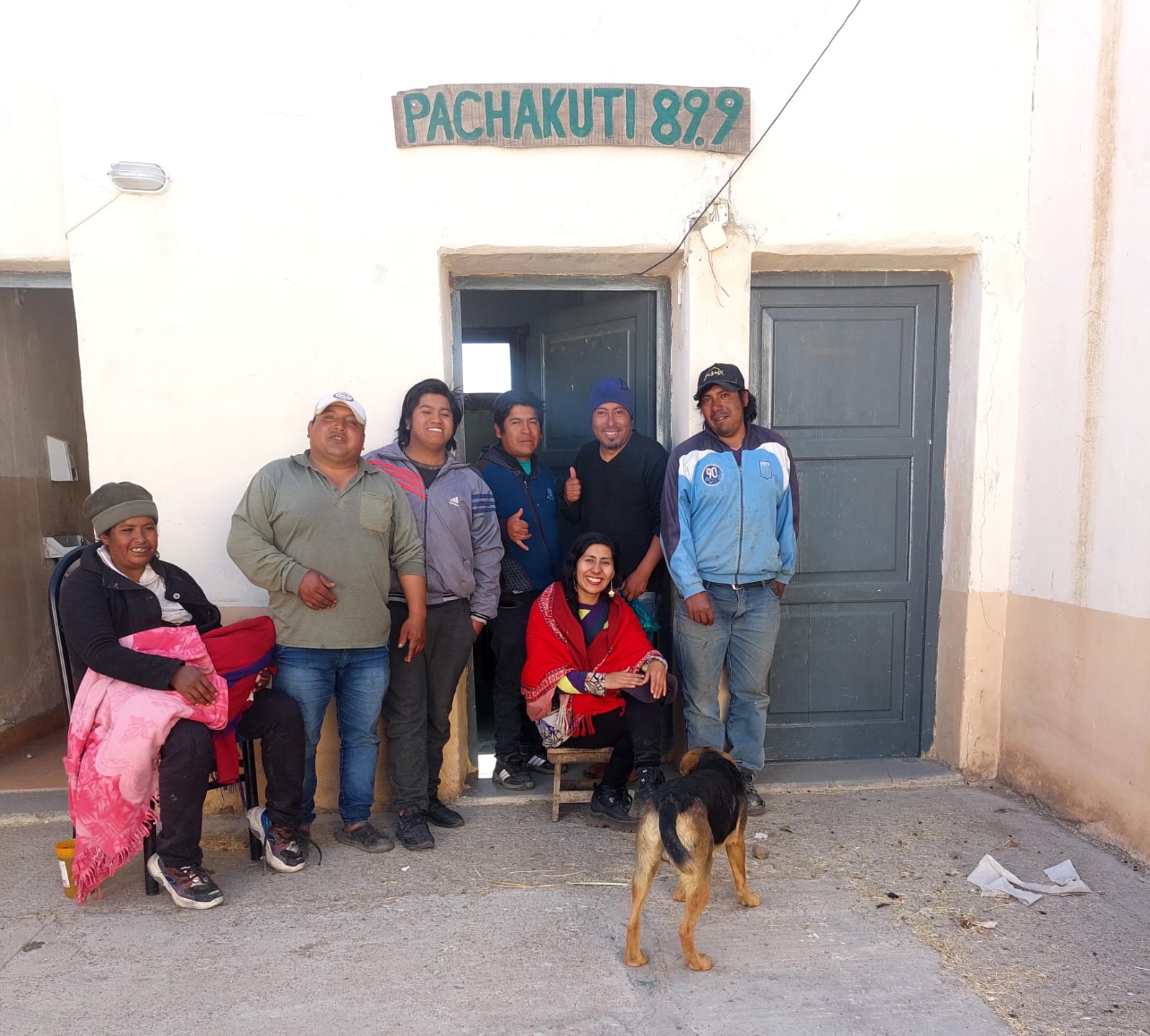
Pacha Kuti FM
Argentina (Kolla)
Pacha Kuti FM is an Indigenous radio station in northwest Argentina that has been supporting the communities of the Puna region since 2011 with news programming from an Indigenous perspective. Its goal is to raise awareness about land struggles, report on violence and evictions, and promote the defense of Pachamama. It also promotes the recovery of the ancestral Runa Simi Kolla language and the appreciation of the language, music, songs, and celebrations of the community. Its approach is framed within the principle of Sumaj Kawsay, a way of life in balance with nature and in opposition to the extractive projects that threaten the territory.
The “Kallpachay Pachakuti: Voices of the Sumaj Kawsay” project seeks to train and integrate new communicators into the radio station, with a special focus on youth and women from the Kolla community. Its goal is to recover and disseminate the voices of communities in the Jujuy Puna that are resisting extractive projects, particularly lithium mining. Through training in communication and the production of podcasts, the project seeks to highlight strategies for defending Sumaj Kawsay and strengthen community memory around territorial struggles.
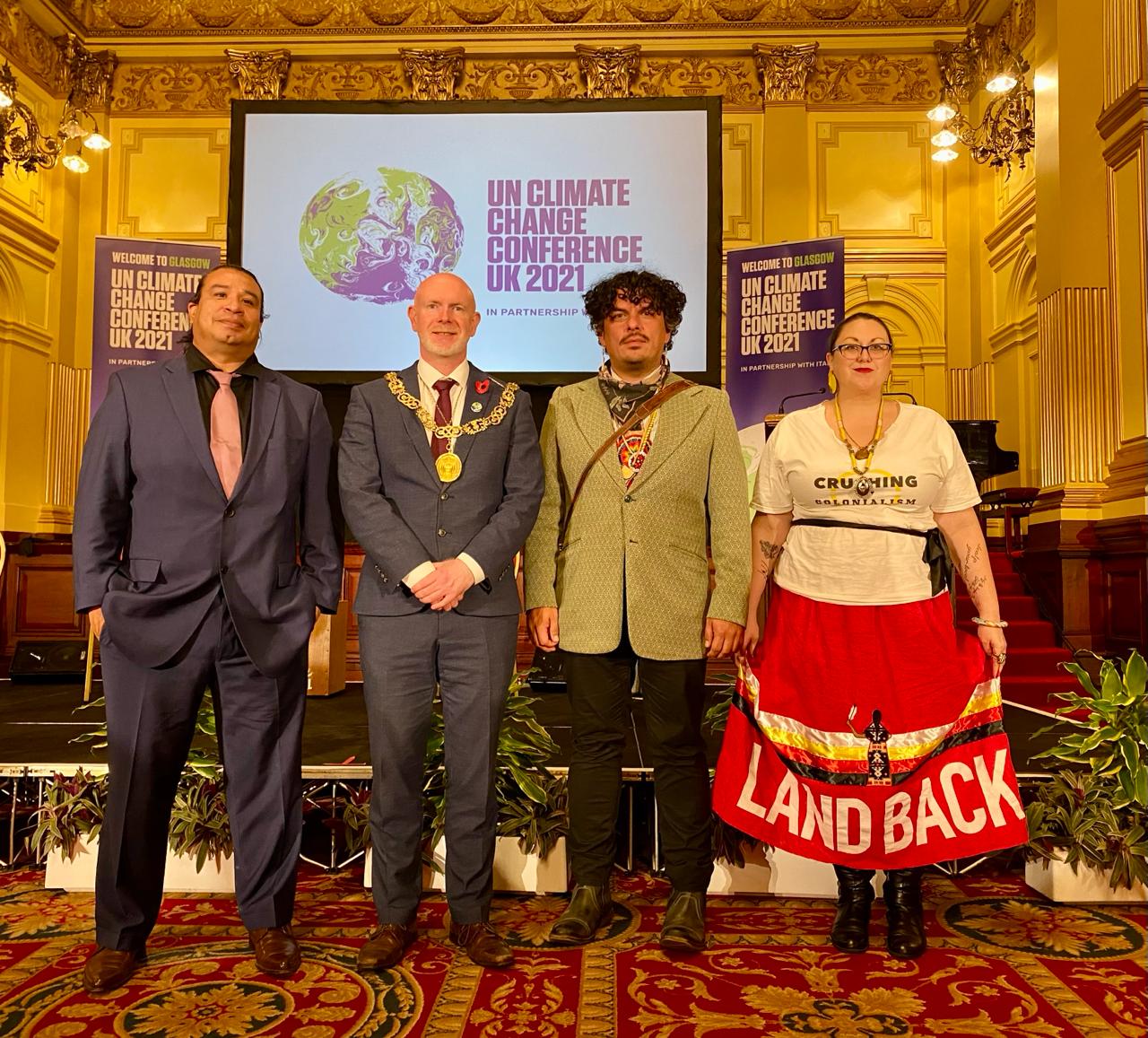
Crushing Colonialism
United States (Cherokee, Guarani-Kaiowá, Muisca, Navajo)
Crushing Colonialism is an Indigenous-led nonprofit organization that strengthens communities through art, media, and traditional storytelling, with an emphasis on sovereignty and self-determination. For seven years, it has produced and disseminated Indigenous stories that cross borders and highlight connections between colonized peoples. It promotes fair financing, creates job opportunities for Indigenous communicators, and participates in international initiatives. Through events, publications, and digital media, it challenges racism, ableism, and other forms of oppression.
Their project will expand the reach of their publication, The Magazine, to Indigenous territories in the continental U.S., Canada, Borikén (Puerto Rico), and Hawai’i, with future distribution across Abya Yala and Portuguese-speaking regions in Latin America and Africa. By increasing print circulation, especially in Spanish, they seek to reach communities affected by the digital divide with multilingual content based on Indigenous linguistic justice. The initiative centers the voices of Indigenous 2SLGBTQ+ people and people with disabilities and chronic illnesses, challenging colonial narratives and strengthening solidarity between territories. As the only Indigenous organization focused on disability justice in the media, Crushing Colonialism reaffirms its commitment to telling Indigenous truths on their terms.
Sacred Defense Fund
United States (Lakota, Pueblo, Ojibwe, Guarani, Chippewa Cree)
Sacred Defense Fund is a Native-led nonprofit organization dedicated to protecting the lands, waters, and communities of Turtle Island. Through media storytelling, legal advocacy, and community organizing, the organization works to defend Indigenous sovereignty and environmental justice. Its team is made up of land defenders, water protectors, and knowledge keepers committed to strengthening sovereign rights and defending sacred sites. Based in Santa Fe, NM, Sacred Defense Fund advocates for Indigenous Nations and their peoples across Turtle Island from coast to coast, from the mountain ranges to the river valleys. Whether promoting Indigenous rights and representation or preserving cultural ways of life, knowledge systems, and community health, the Sacred Defense Fund stands at the forefront of the movement for justice for Indigenous Peoples, future generations, and Mother Earth.
“Sacred Defense Media Camp” aims to bring together Indigenous leaders, including youth, during the Santa Fe Indian Market in August, the world's largest fine arts market dedicated to the Indigenous Peoples of the continental United States and Alaska. This event attracts hundreds of thousands of participants and visitors from the United States and Canada, as well as significant media attention and the presence of buyers. The purpose of the camp is to create a space where Indigenous cultural leaders can share their voices and experiences directly with Indigenous youth, providing an opportunity for intergenerational dialogue.
Asia
Newa FM
Nepal (Newar)
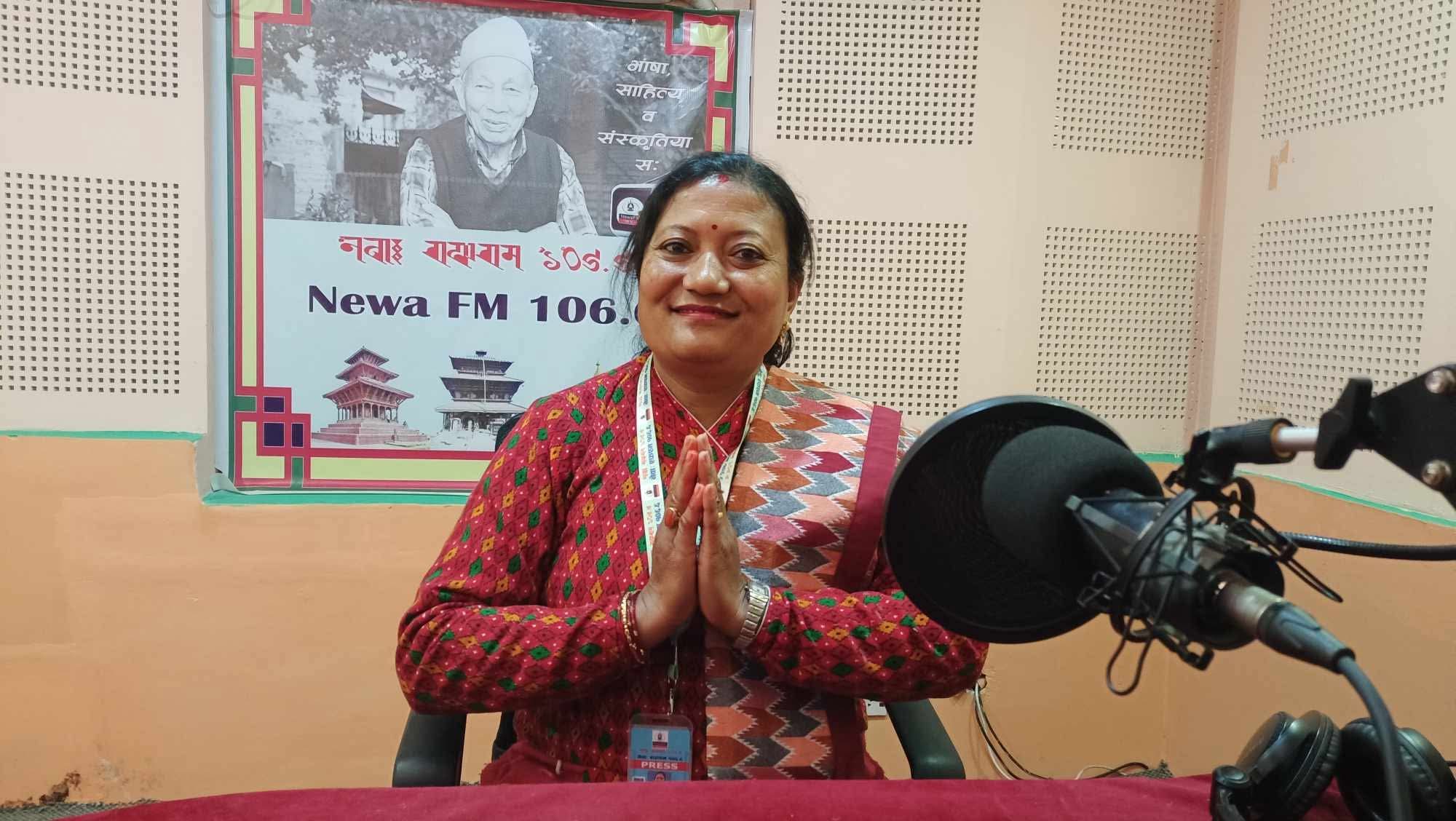
Newa FM is committed to preserving and promoting the Newar language, culture, and identity through community media and grassroots initiatives. It produces and shares culturally rich content ranging from traditional music, oral histories, and festivals to contemporary issues using digital and community platforms to engage audiences of all ages. Its primary goal is to revitalize the Newar language and ensure its continued relevance for future generations. The initiative actively engages youth through storytelling, workshops, and language learning programs, while collaborating with Elders to document and archive valuable cultural knowledge. This work fosters community pride, strengthens intergenerational bonds, and empowers the Newar People to protect and celebrate their unique heritage.
“Amplifying Newar Voices: A Radio Project to Preserve Language, Culture, and Heritage” seeks to revitalize and promote the Newar language through the production of community radio programs focused on language, traditions, and cultural heritage. Through storytelling, interviews with Elders, and youth-led dialogues, the programs will showcase the richness of Newar identity. Key activities include language workshops, radio training for local youth, and the recording of traditional songs, folktales, and oral stories. The project aims to establish a sustainable platform that fosters linguistic pride and cultural continuity. By creating accessible, engaging, and educational radio content, the initiative will have a lasting impact, empowering the community to reclaim and celebrate its heritage.
ORARI Mamasa
Indonesia (Mamasa)
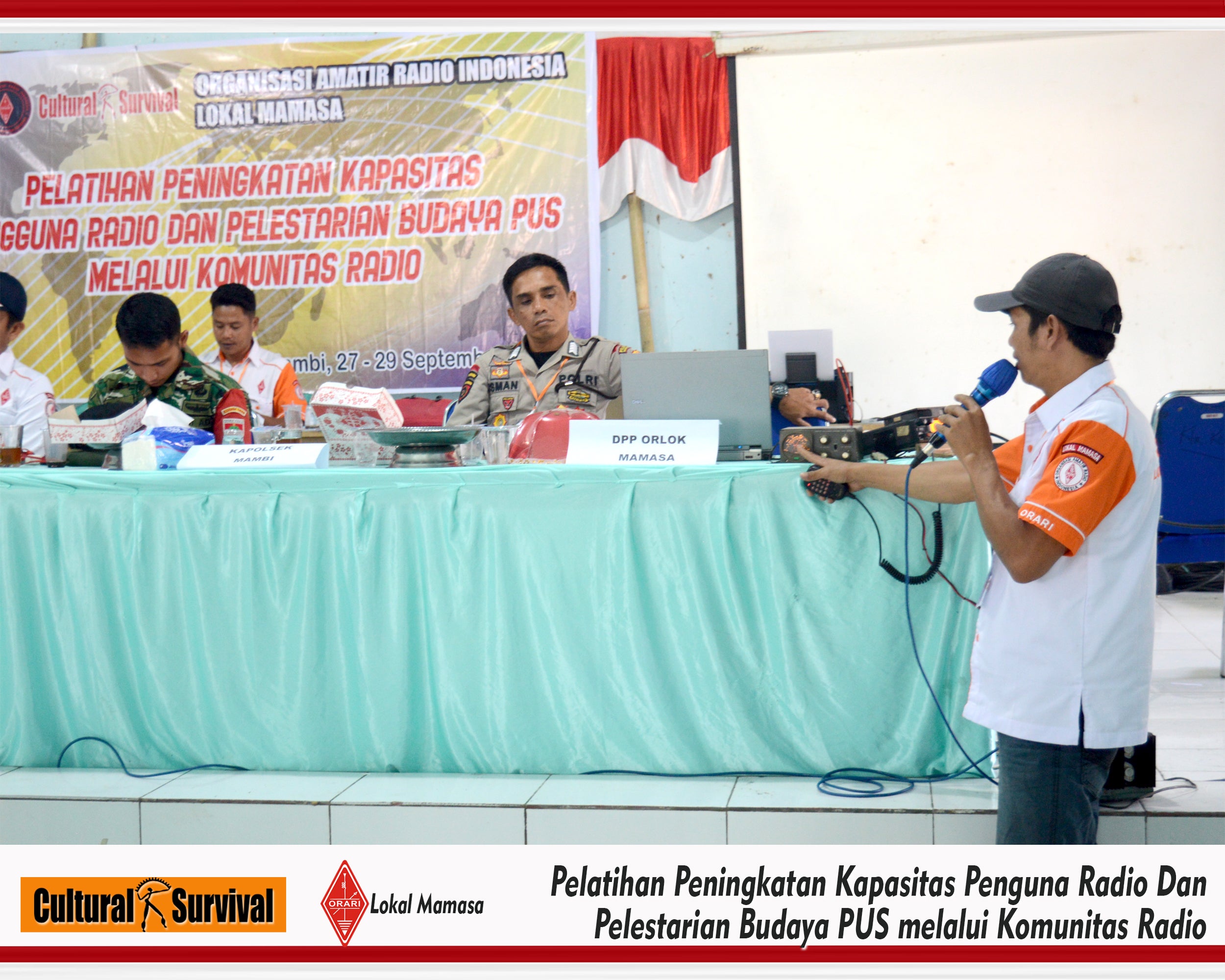
ORARI Mamasa is a radio station serving the Mamasa People in West Sulawesi, Indonesia, reaching 25 traditional communities in Pitu Ulunna Salu Kondo Sapata’ Wai Sapalelean. Founded by Indigenous leaders, it broadcasts in the Mamasa language, helping to bridge communication gaps, promote cultural preservation, and create a space for dialogue to strengthen community cohesion. It is a reliable source of accurate information on regional policies, environmental issues, and social affairs, empowering Indigenous voices and fostering unity, resilience, and informed decision-making among the Mamasa People.
The project, “Mamasa Raises Its Voice! Strengthening the Voices of the Mamasa Indigenous People in the Face of Mining Activities,” highlights the impacts of mining in West Sulawesi and strengthens the capacity of Indigenous communities, especially women and youth, to advocate for responsible practices and environmental protection. It addresses environmental degradation, river pollution, and health risks by promoting dialogue with authorities and companies through public hearings, interviews with Indigenous leaders, reporting, reforestation, and safety training for communicators.
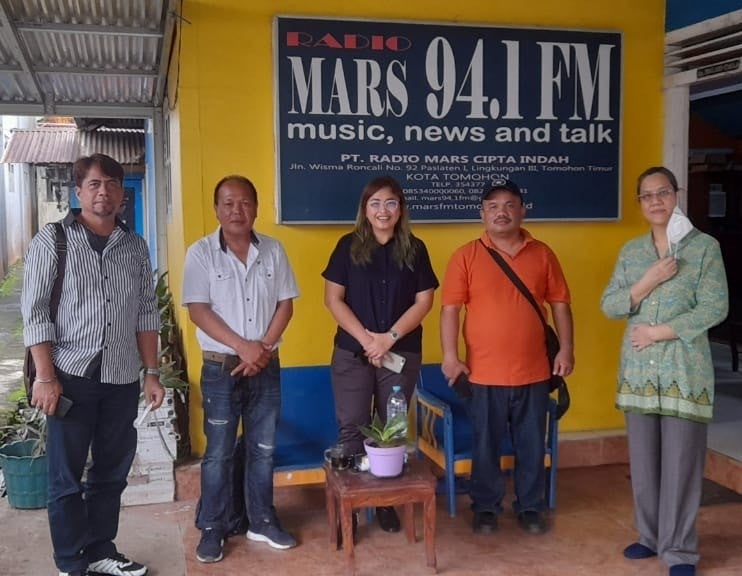
Radio Mars FM
Indonesia (Minahasa)
Radio Mars FM was created in response to concerns about large-scale mining in northern and southeastern Minahasa. This radio station is an educational and advocacy platform that promotes environmental awareness and Indigenous rights and denounces socioenvironmental threats. It strengthens the cultural identity of Minahasa and broadcasts in Indonesian, Manado Malay Creole, and Tombulu, representing nine ethnic subgroups.
“Talking About the Land of Minahasa Now and Strengthening the Voice of Indigenous Peoples Against Mining" promotes actions to raise awareness about the impacts of mining and responsible practices while preserving the cultural heritage of the Minahasa People. It includes talk show-style programs broadcast from the studio with the participation of Indigenous representatives, authorities, and academics, with opportunities for interaction such as calls from the public, podcasts, and articles. The second component of the project includes field broadcasts with testimonies from affected communities and interviews with mining companies. The third component includes the restoration of Waruga (sacred tombs) in Tomohon, contributing to cultural and spiritual preservation.
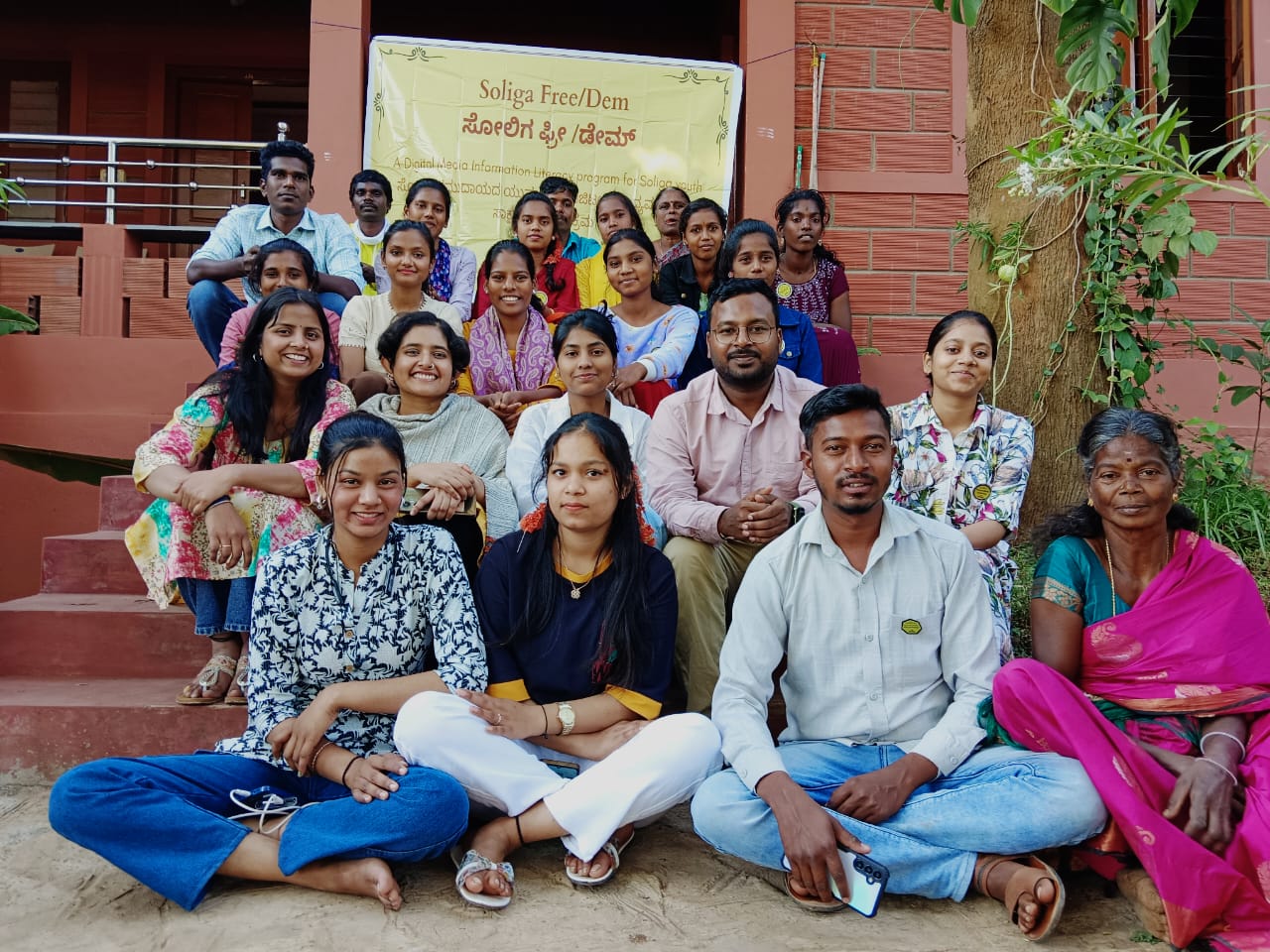
Ideosync Media Combine
India
Ideosync Media Combine is an organization dedicated to communication for social change that works with young Soliga people. Its work is based on training, research, and community practice, promoting social transformation. It advocates for equitable access to technologies and knowledge resources as a basis for creating inclusive environments for all communities.
Through the project, “Empowering Soliga Voices and Other Tribal Peoples through Digital Literacy and Collaborative Collective Organization,” Ideosync Media Combine strengthens digital storytelling practices in the community. In collaboration with Soliga sangha and youth, the collective will be managed by young Soliga people from the Biligiriranga Hills and will work in close coordination with community Elders to respond to the information, documentation, and advocacy needs of the Soliga People. The project seeks to train young Soliga people in digital literacy and content production that strengthens cultural identity, raises awareness of local issues, and promotes alliances. Audiovisual materials on climate change, forest resilience, memory, and history will be generated through participatory workshops, and digital stories and podcasts on key issues for the Soliga People will be produced.
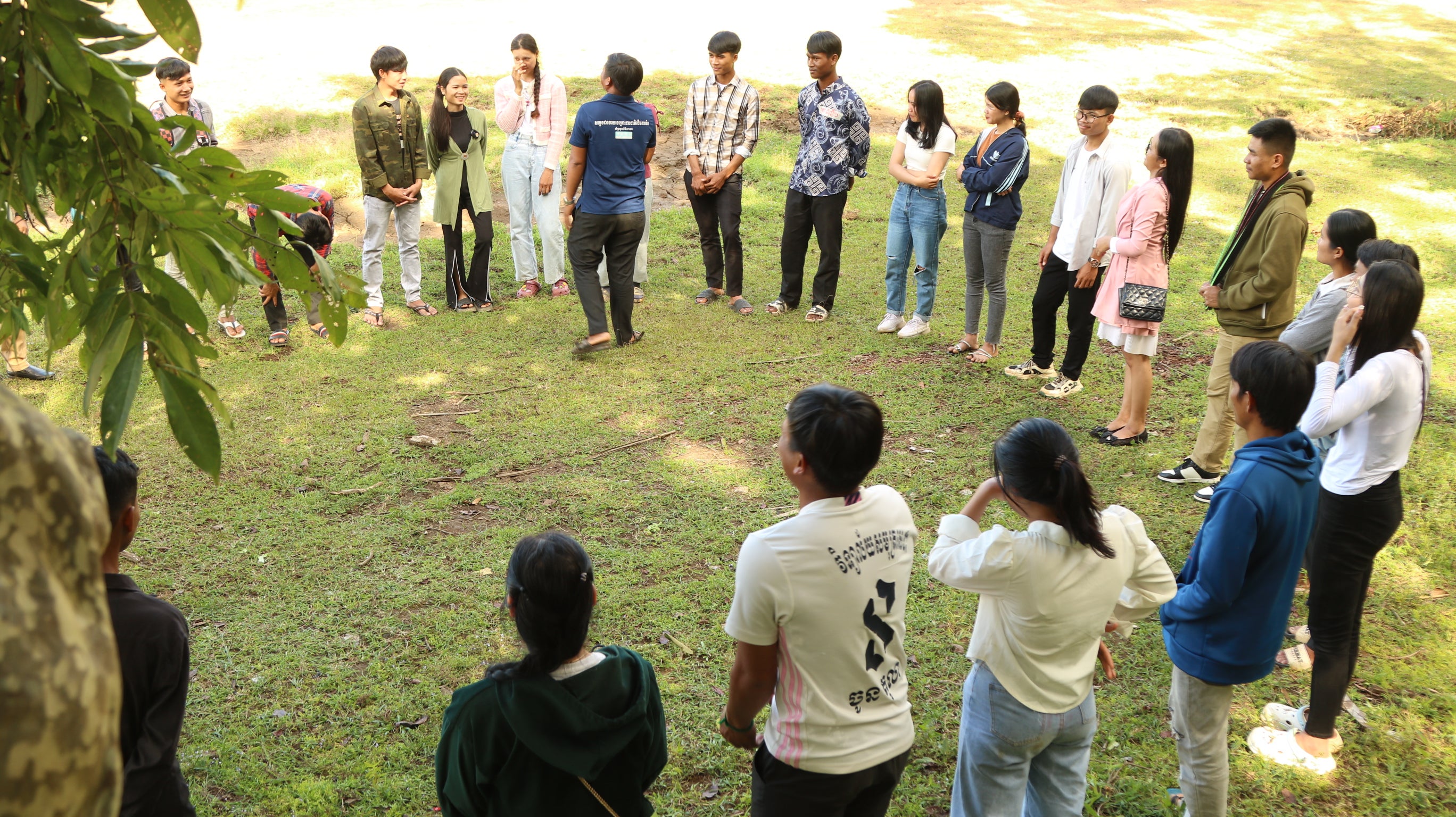
Conserve Indigenous Peoples' Languages Organization
Cambodia (Tompoun)
The Indigenous-led Conserve Indigenous Peoples' Languages Organization promotes community leadership and media ownership by Indigenous Peoples in Cambodia. Its work is key to ensuring access to information in remote areas and native languages and to strengthening Indigenous voices in the face of ancestral land loss, impacts on their livelihoods, and cultural erosion.
The project, “Promoting Indigenous Rights in the Media,” will include four actions in northeastern Cambodia: a strategic workshop with the Indigenous Youth Media Network; community research on the impact of rubber plantations and dams; climate change training in Banlung, Ratanakiri province; and the production of videos on the stories of the Tompoun People. These activities will strengthen Indigenous communication, raise awareness of their realities, and increase their capacity to adapt to climate change.
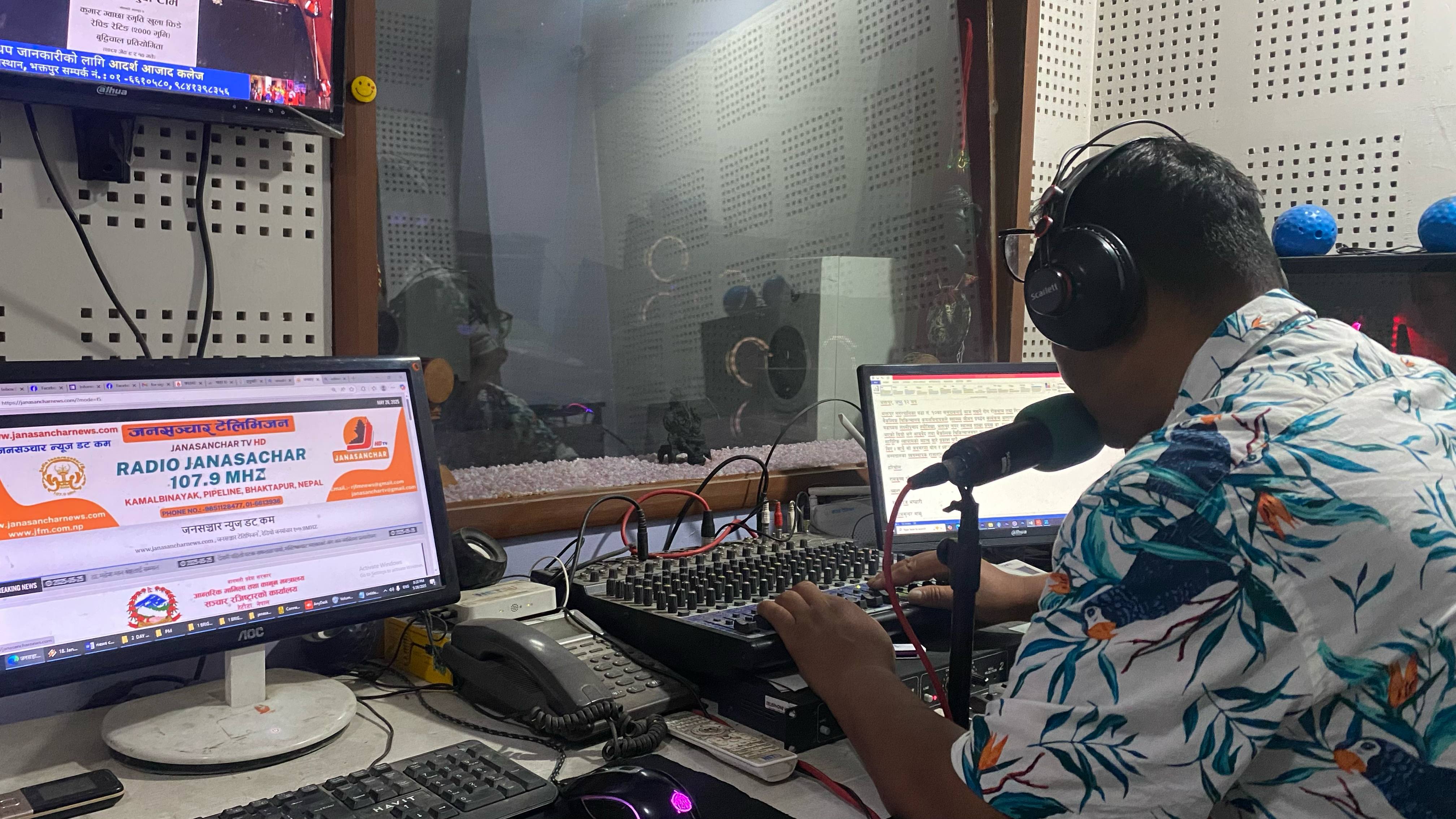
Radio Janasanchar FM
Nepal (Newar)
Radio Jansanchar FM was founded in 2008 (year 2065 of the Nepalese calendar) in recognition of the need for a platform dedicated to serving the Newar Indigenous community—in particular, providing essential information and raising awareness on crucial issues such as health, education, agriculture, and cultural preservation. Initially formed as a social organization, it evolved into a media outlet focused on Indigenous communities to raise awareness and disseminate information to improve their living conditions.
Through the project, “Strengthening Environmental Justice Related to the Impact of Climate Change on Newar Indigenous Communities Through Radio Awareness Programs and Community Consultations in the Territory,” radio programs are produced to amplify the voices of farmers, officials, and community leaders to raise awareness and share practical responses on climate change impacts, water conservation, and disaster preparedness. In addition to storytelling, the broadcasts provide emergency alerts and promote sustainable practices such as water conservation and climate-resilient agriculture.
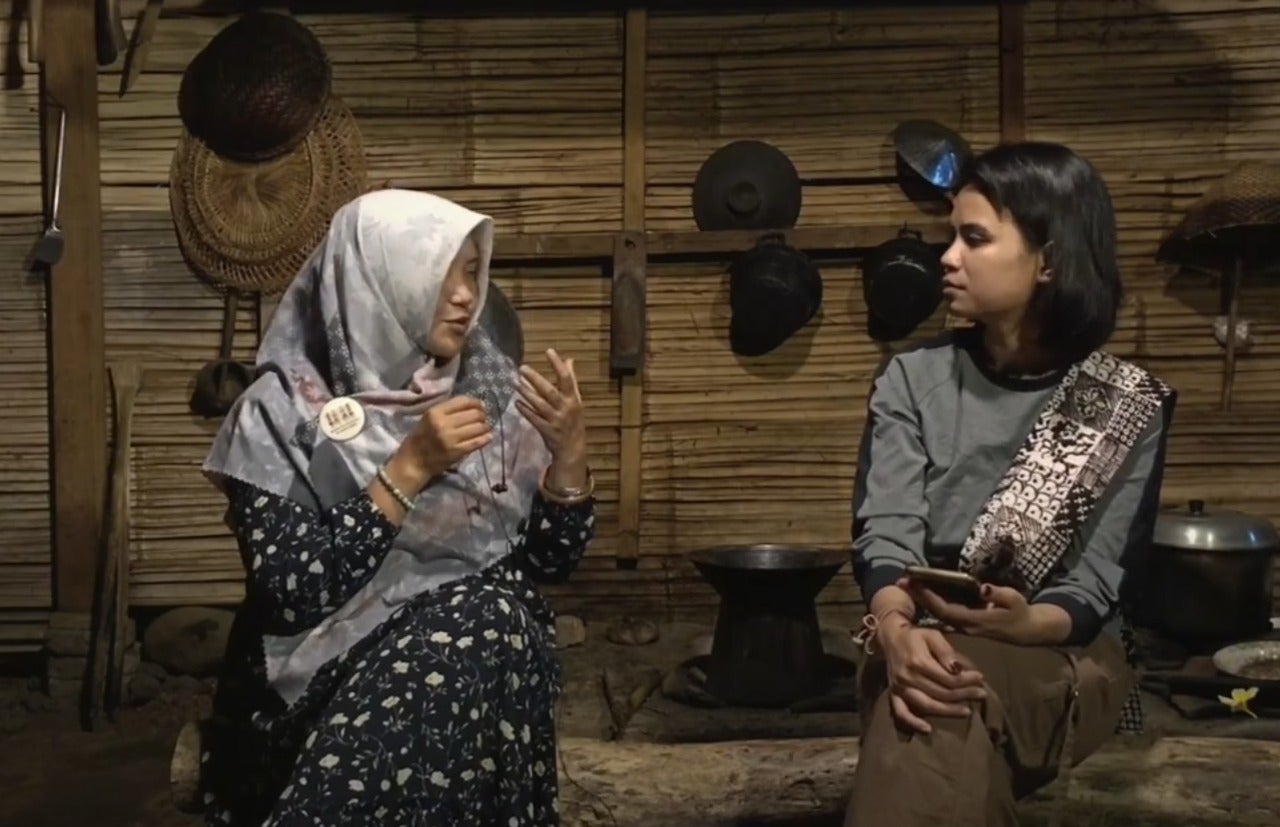
AMAN Media - Alliance of Indigenous Peoples of the Archipelago
Indonesia (Melayu Jambi, Kerinci, Batin Sembilan, Kasepuhan-Banten, Osing-Banyuwangi)
AMAN Media, in collaboration with Tempo Witness, is a community media platform created by and for Indigenous Peoples in Indonesia. The initiative trains and accompanies Indigenous journalists to produce community news that highlights critical issues such as land dispossession, cultural preservation, the role of Indigenous women, and climate change. Its main objective is to amplify Indigenous voices and support the recognition of their rights through participatory media. To date, the platform has supported the training of more than 230 Indigenous journalists in the Java and Jambi regions, who continue to write, record, and share stories from an Indigenous perspective at the local and national levels.
“Strengthening Capacities for Indigenous Journalists as a Means to Raise Awareness of Indigenous Peoples' Rights” trains Indigenous journalists in Java and Jambi to accurately communicate the realities of their communities based on their values. Through intensive training in writing, photography, video, and journalistic ethics, participants will produce reports on agrarian conflicts, ancestral forest conservation, the role of Indigenous women, and local cultural dynamics. The content will be published on the AMAN and Tempo Witness platforms and disseminated through digital channels. The project responds to the urgent need for Indigenous representation in the media and strengthens advocacy efforts for more just policies at the local and national levels.
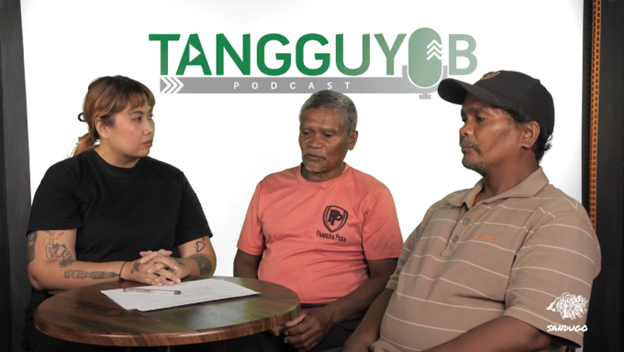
Katribu Indigenous Peoples’ Alliance of the Philippines
Philippines
Katribu Indigenous Peoples’ Alliance of the Philippines is an alliance of Indigenous leaders and allies formed after a series of consultative assemblies held between 1983 and 1987. In 2015, the name "Katribu" was established as a national campaign center to defend the rights and aspirations of Indigenous Peoples in the Philippines through collective action, political advocacy, and solidarity.
The project, “Strengthening Tangguyob,” aims to train coordinators and collaborators in the use and management of a collective audiovisual platform, providing them with the essential skills to operate it effectively. This capacity-building initiative seeks to empower Indigenous Peoples and their allies by developing technical and creative skills that enable them to produce and disseminate impactful content. It also provides the necessary tools to amplify their voices, document their struggles, and share their narratives effectively. This effort represents a fundamental step toward consolidating and sustaining this platform.
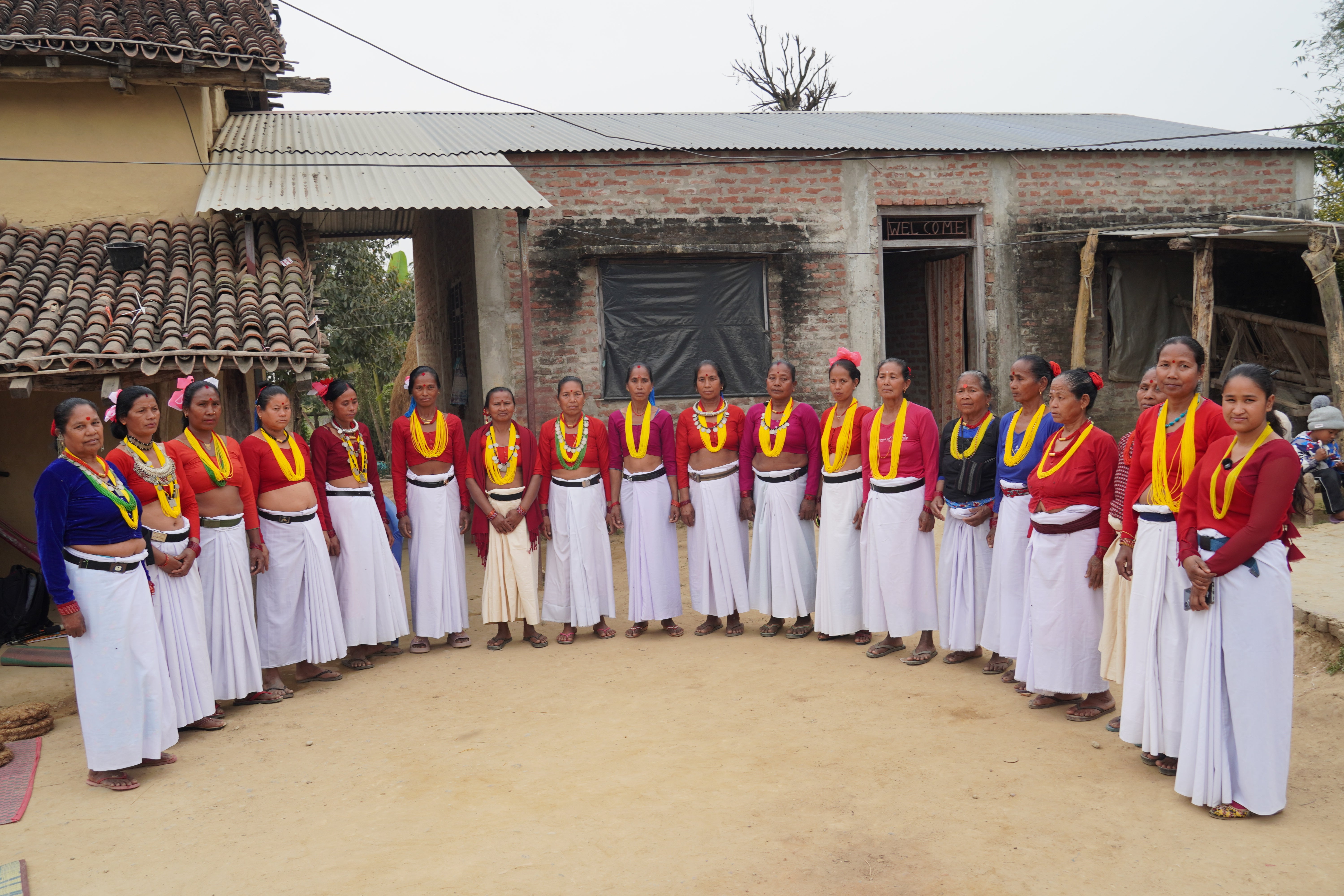
Radio Gurbaba FM
Nepal (Tharu)
Radio Gurbaba FM is dedicated to documenting the history of the Tharu community, preserving, promoting, and marketing its knowledge, skills, arts, culture, and beliefs for future generations. The station also plays an important role in environmental conservation by identifying and raising awareness of Indigenous knowledge systems. It seeks to strengthen the self-governance of the Tharu People through legal recognition of their traditional governance structures, as well as to promote local democracy through meaningful participation of marginalized communities in state processes and improve their access to resources.
The project, “Transmission and Dissemination of Tharu Indigenous Knowledge to Protect and Mitigate Natural Disasters” aims to preserve and disseminate traditional Tharu knowledge on disaster preparedness and climate resilience. It includes community dialogues with Elders, a training session on disaster preparedness, and the production of 18 radio programs in magazine format and 6 short documentary films addressing Indigenous Tharu practices such as building climate resilient homes, risk prevention, and safety measures during disaster situations.
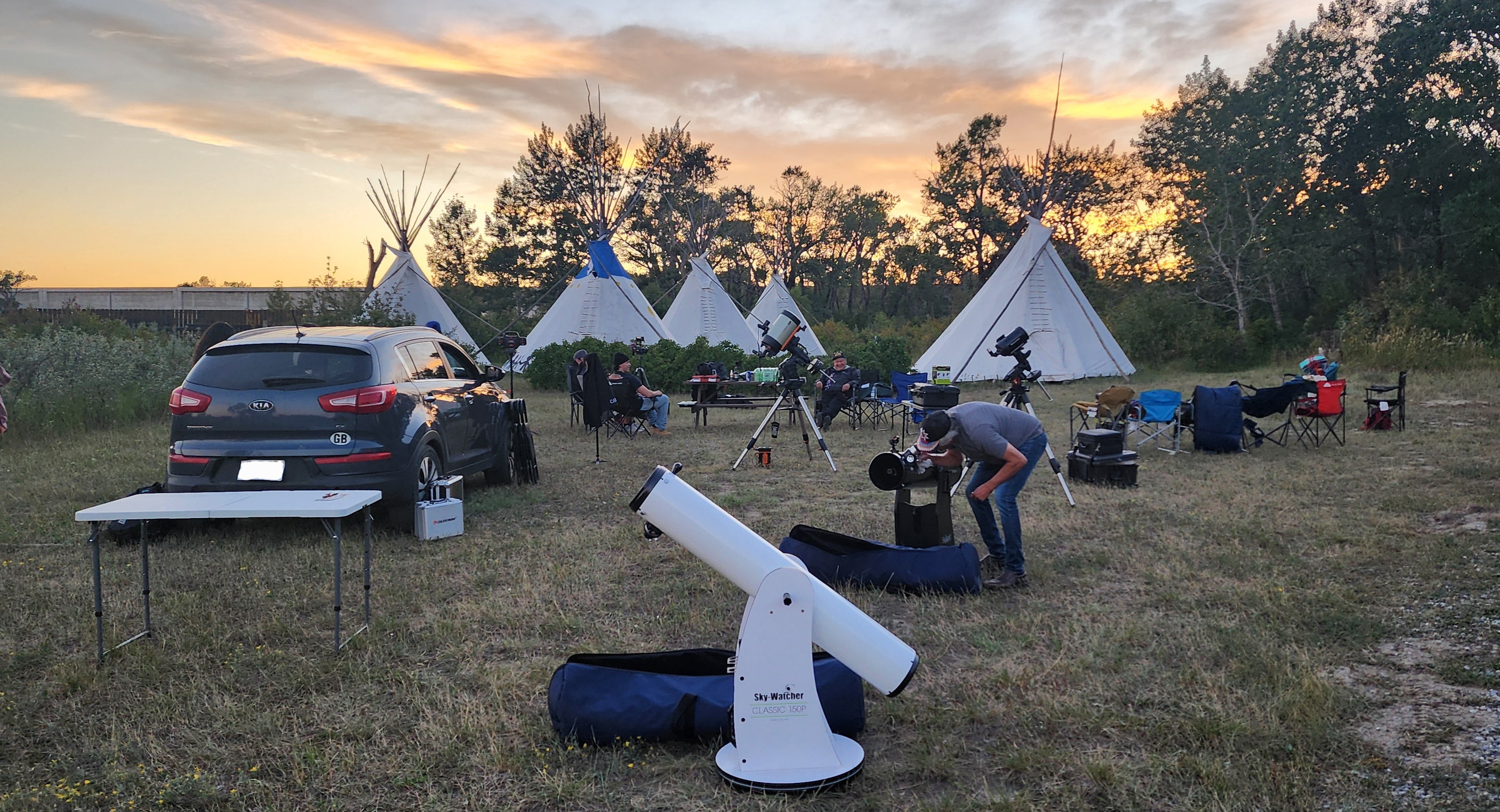
Ancestral Science Podcast
Canada (Tsuut'ina, Cree, Métis)
The Ancestral Science podcast amplifies the voices of Land and Knowledge Keepers to highlight the depth and richness of the science contained in Indigenous Traditional Knowledge in the face of colonization, which has long devalued Indigenous science and relationships with the Earth. The podcast reaffirms that all science has its origins in some territory on the planet. Indigenous methodologies and epistemologies are grounded in principles of reciprocity, relationality, respect, and spirituality—teachings that offer essential guidance for building healthier communities and restoring balance with the Earth. In the midst of a climate crisis, it is those who maintain deep ancestral connections to the Earth who are best positioned to lead the way forward.
“Ancestral Science” seeks to highlight how scientific knowledge can be shared across different territories, even though it varies in how it is expressed, practiced, and transmitted, shaped by the unique cultural and ecological diversity of each place. These differences allow people to establish deeper relationships with science through their histories, cultures, and connections with plants, animals, and other local natural teachers. This project contributes to reaffirming Indigenous teachings, fostering meaningful connections with the Earth, and making the science around us visible, paving the way for the next generation to create inclusive scientific spaces and innovations for all.
Africa
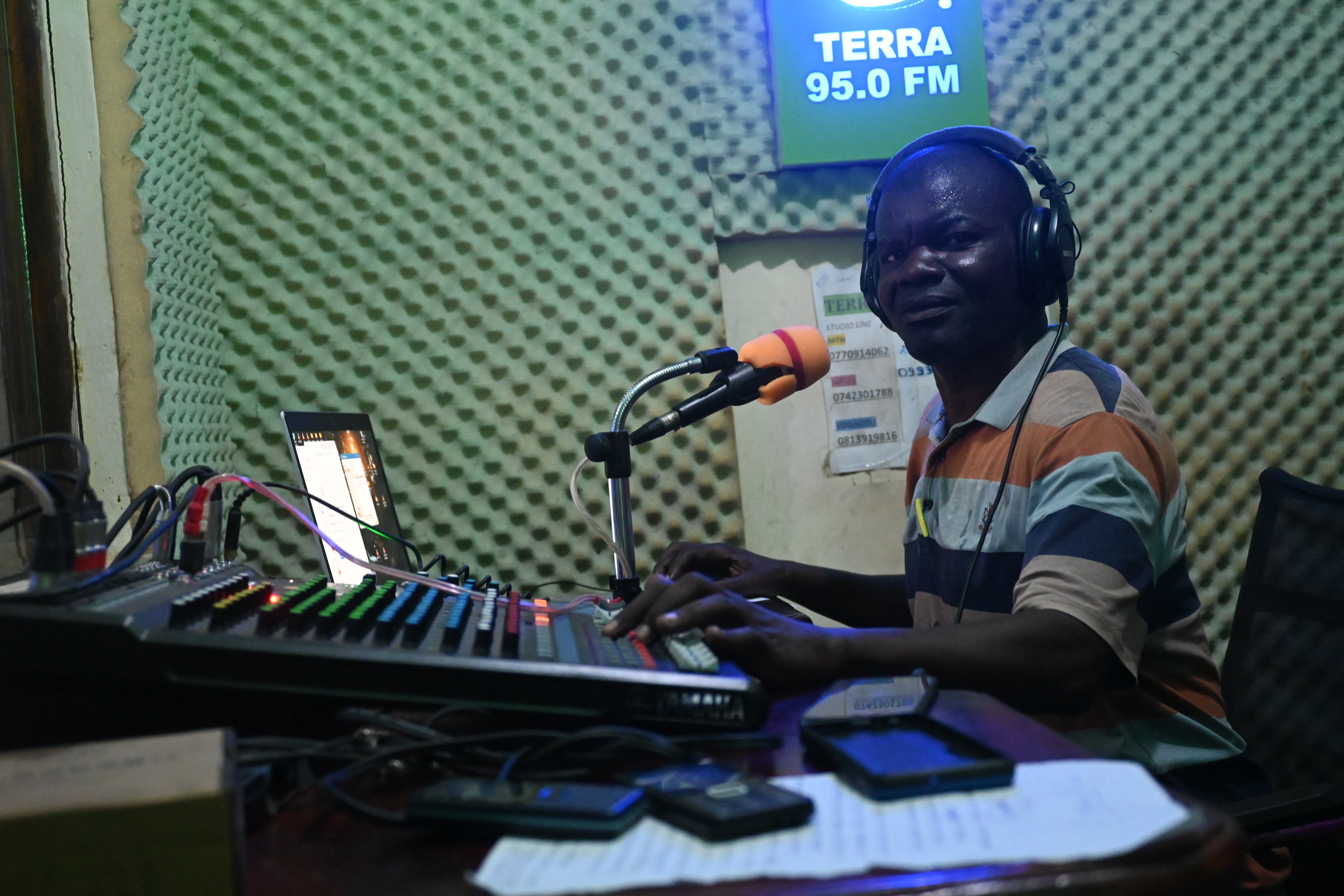
Radio Terra FM
Democratic Republic of Congo/Uganda (Jonam, Bagungu, Karamojong, Batwa, Mbute, and Baka)
Radio Terra FM is a community media network responding to the urgent need for reliable information on human rights and the environment in the Albertine Rift region of Uganda and the Democratic Republic of Congo. Broadcasting on 95 FM and 97 FM, Radio Terra reaches over 5 million listeners, providing rural and Indigenous communities with key information, advocacy platforms, and a space for connection.
“Defending and Expanding Transparency and Campaigning for New Types of Disclosure on the Social and Environmental Impacts of Transitional Mineral Extraction” has the goal to empower communities in Uganda and the Democratic Republic of Congo with tools, information, and platforms to learn about their rights and promote sustainable, rights-based management. Through radio programs and awareness campaigns in local languages, the right to Free, Prior and Informed Consent will be promoted, the impacts of mining and fossil fuels will be made visible, and accountability will be demanded from companies and governments. In the context of megaprojects such as Tilenga and the EACOP oil pipeline in Uganda, the initiative will strengthen the capacity of communities in the Albertine Rift to address these challenges.
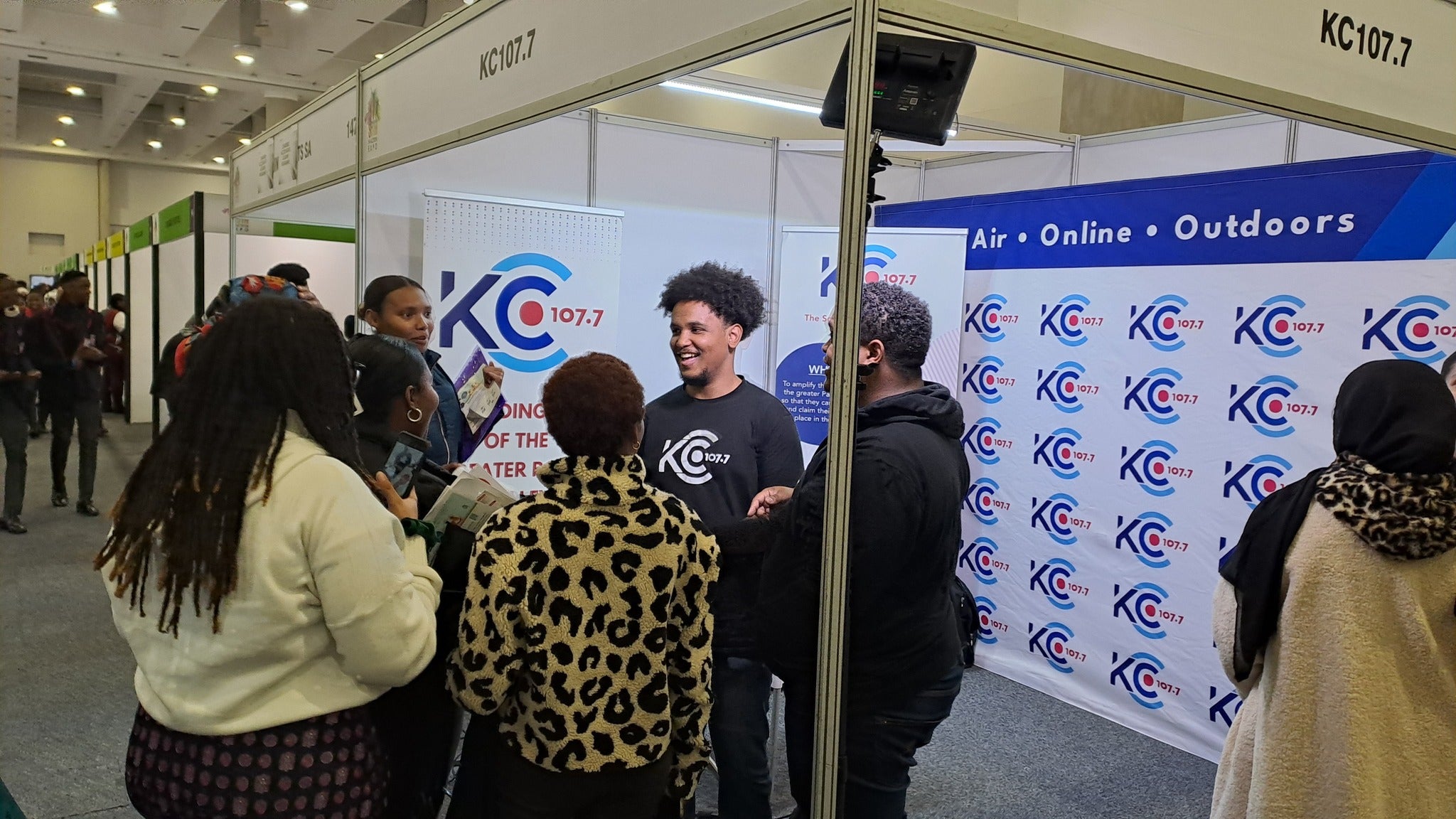
KC 107.7 FM
South Africa (Khoikhoi)
KC 107.7 FM is a community radio station founded in 1996 in Paarl, Western Cape province, proud to be the vibrant voice of the Greater Winelands region. Its mission is to amplify underrepresented voices, particularly those of the Indigenous Khoikhoi communities, by fostering dialogue, education, and cultural recovery through radio. Broadcasting 24 hours a day, 7 days a week to over 80,000 weekly listeners, KC 107.7 promotes local storytelling, social development, and community-driven programming. A dedicated team of staff and volunteers work together to produce content that reflects the experiences, languages, and values of their audience. Through partnerships, advocacy, and inclusive participation, KC 107.7 is more than a radio station: it is a platform for healing, cultural heritage, and hope.
“Our Voice” is a community-driven radio initiative led by KC 107.7 to revitalize Indigenous identity, language, and storytelling in the Paarl Valley. The project will engage Khoikhoi youth, Elders, women, and 2SLGBTQ+ through inclusive workshops that will strengthen skills in broadcasting, content creation, and technical production. Participants will create and broadcast powerful stories in audio format in Khoekhoegowab and Afrikaans focusing on themes of healing, cultural restoration, environmental justice, and resistance to historical erasure. In collaboration with other community radio stations and online streaming platforms, the project will seek to expand the reach of Indigenous narratives across generations and borders.
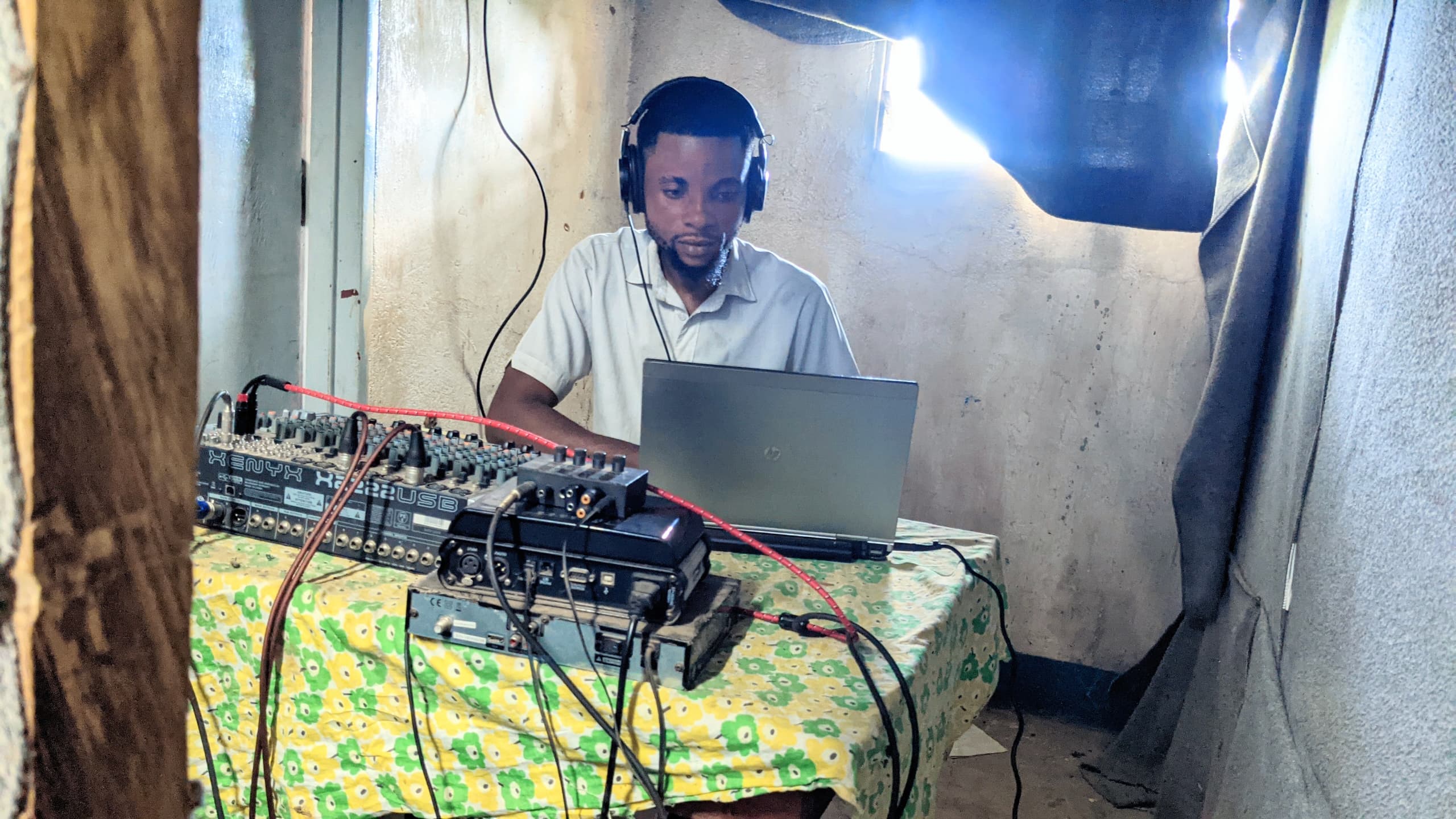
Pygmy Women in Action, Radio Kivu FM
Democratic Republic of Congo (Batwa and Mbuti)
Pygmy Women in Action - Radio Kivu FM is an organization dedicated to defending the rights of Indigenous Pygmy Peoples in the Democratic Republic of Congo. Its main objective is to strengthen the legal autonomy and participation of Indigenous communities in the management of their lands and natural resources, while fighting against land grabbing by mining companies. Through radio programs in local languages, legal training, advocacy, and awareness campaigns, Pygmy Women in Action informs communities about their territorial and environmental rights. The organization also provides support to local populations in accessing justice in collaboration with lawyers and community defenders.
“Autonomy of Indigenous Peoples Through Knowledge and the Exercise of Their Rights in the Face of the Impacts of Transition Minerals” aims to strengthen the legal power of Pygmy and Batwa Indigenous communities against land grabbing by mining companies. Through legal training, radio programs in local languages, community awareness campaigns, and free legal advice, the project will enable communities to better understand and defend their land rights. This initiative is essential to preserve ancestral lands, protect the environment, and ensure the active participation of women and youth in local governance. By mobilizing community leaders and advocating with authorities, the project seeks to promote more responsible mining and sustainable land justice for the Indigenous Peoples of South Kivu.
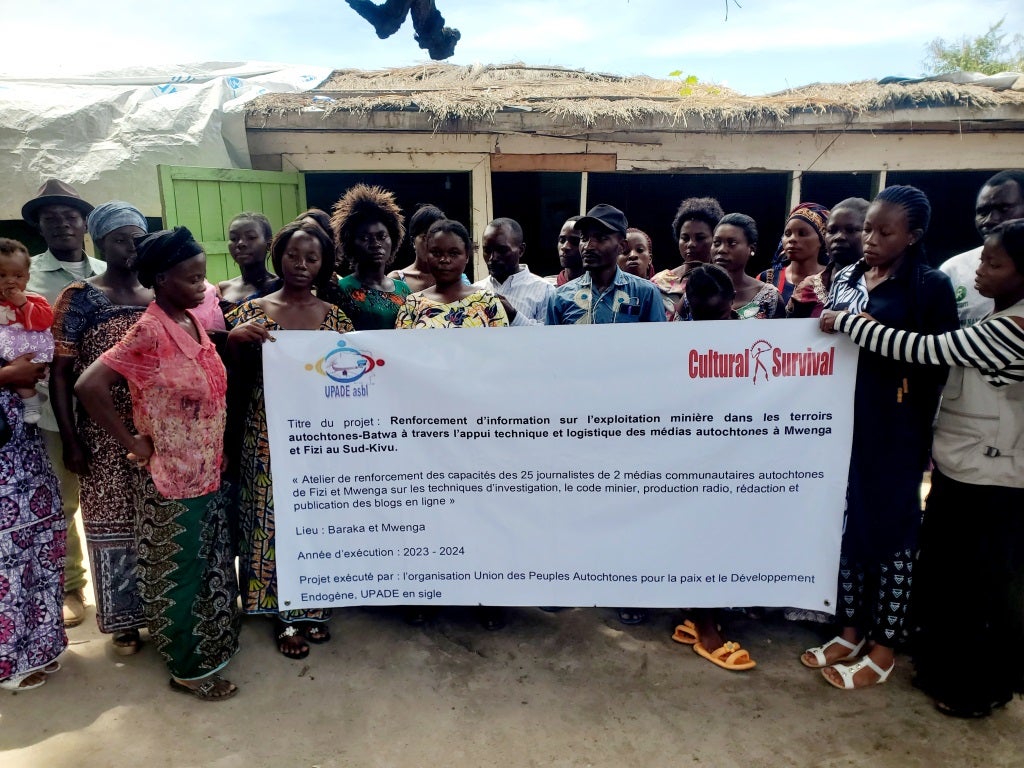
Union of Indigenous Peoples for Peace and Endogenous Development (UPADE), Itombwe Community Radio
Democratic Republic of Congo (Batwa)
UPADE is a nonprofit association with the mission to support Indigenous women and youth, as well as to mobilize and raise awareness among all members of the community in favor of respect for human rights, the promotion of peace, and sustainable development.
“Strengthening the Capacities of Indigenous Women Leaders in the Collection and Dissemination of Sensitive Information Related to the Exploitation of Transition Minerals in Indigenous Territories in South Kivu, Eastern Democratic Republic Of Congo” seeks to increase the participation of Indigenous women in the defense of their territories against illegal mining. The project will form five radio clubs with 50 women leaders and train them in specialized journalism, research, and monitoring of mining exploitation. It will also develop an awareness campaign to inform communities about their rights, the new mining code, and related key issues. The project will provide logistical support to a local radio station to improve the dissemination of critical information led by women. By the end of the project, Indigenous communities will more easily access information on transition minerals, exercise their right to Free, Prior and Informed Consent, and have their demands heard by the authorities.
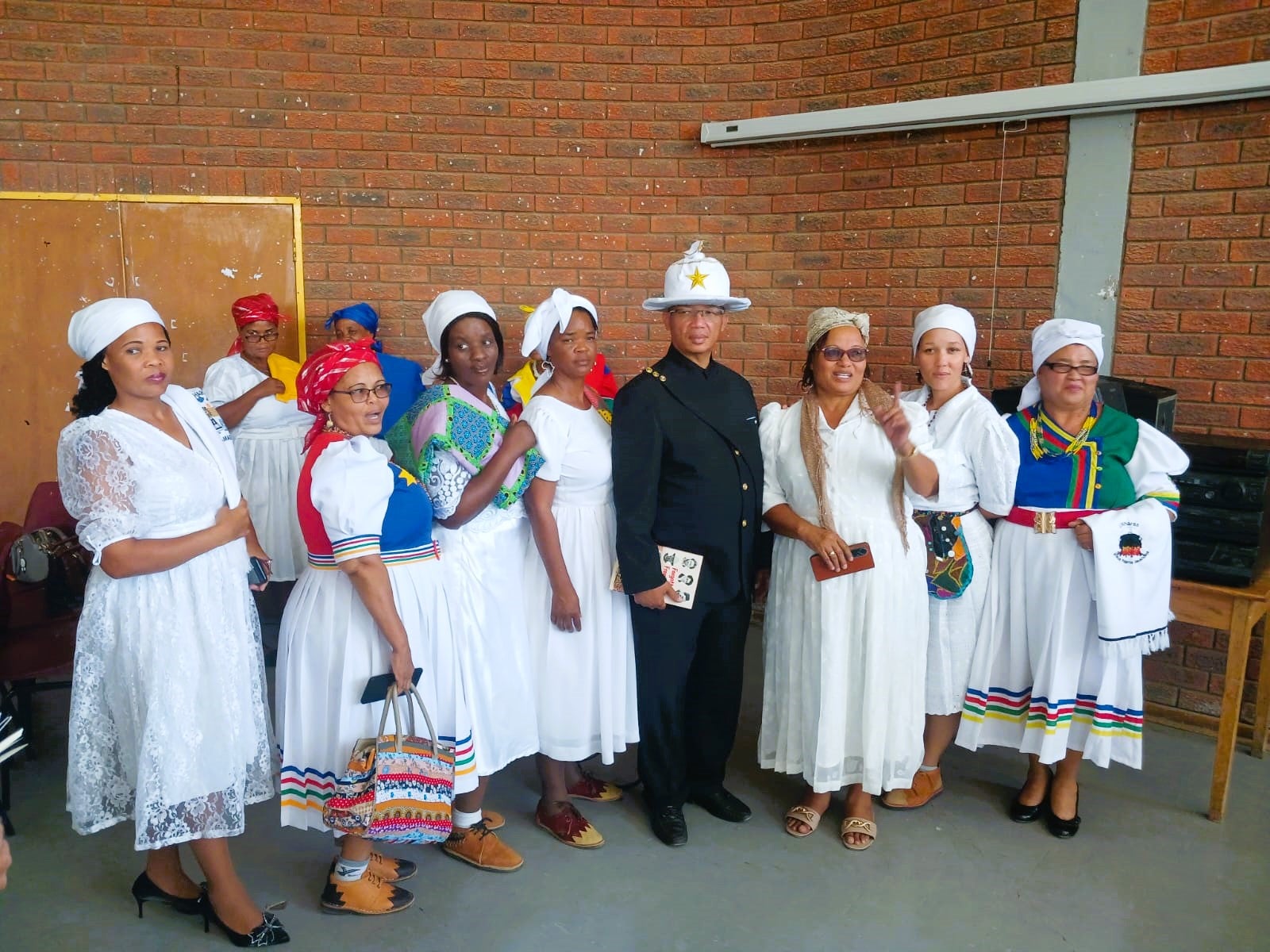
Witbooi - Khowesen Nama Clan of South Africa
South Africa (Nama)
Witbooi - The Khowesen Nama Clan of South Africa is a cultural and advocacy organization based on Indigenous knowledge systems, ethical leadership, and land stewardship. The group works to strengthen Nama communities, especially youth and women, through storytelling, heritage preservation, and digital innovation. Its central goal is to restore cultural pride, amplify Indigenous voices, and promote environmental justice, inspired by the moral teachings and vision of the ancestor Gaob Hendrik Witbooi. Through educational initiatives, oral history projects, and intergenerational dialogues, the organization seeks to reclaim narrative spaces and strengthen collective identity.
“Voices of the Khowesen” is a pioneering community media project that honors the legacy of Gaob Witbooi through podcasts, oral history, and environmental advocacy. The initiative will train 20 Indigenous youth and women in media production, archive the wisdom and teachings of Elders, and produce a podcast series titled “Legacy of the Lion,” focusing on themes of climate justice, resistance, and cultural resilience. The project brings generations together through storytelling workshops and events held in Cape Flats and Namaqualand. It fosters cultural pride, intergenerational knowledge exchange, and digital inclusion, ensuring that the spirit of Gaob Witbooi resonates throughout South Africa and beyond.
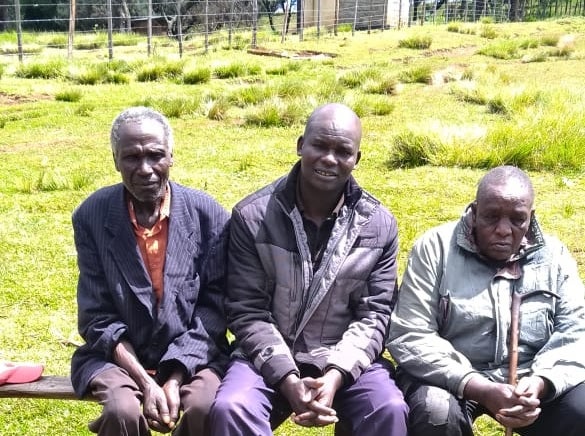
Radio Tulwoob Koony
Kenya (Ogiek)
The main objective of Radio Tulwoob Koony is to entertain, educate, and inform its audience. They do this to support cultural revitalization, promote the sustainable use of Mount Elgon's natural resources, and disseminate important information, especially about local and national events.
“Promoting Indigenous Rights in the Media” will facilitate the production of podcasts and the exchange of knowledge on climate change.
Oceania
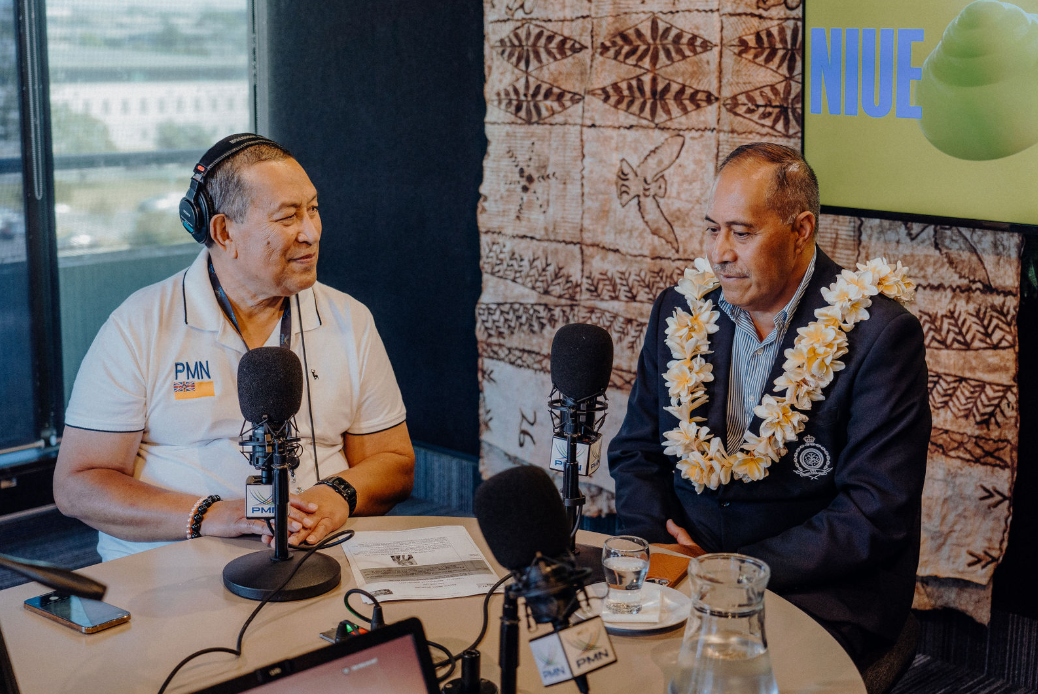
Pacific Media Network
New Zealand (Tongan)
Pacific Media Network is the world's largest Pan-Pacific multimedia platform, dedicated to empowering Pacific communities through language, culture, and storytelling. It broadcasts in 10 Pacific languages via radio, digital media, and social media, promoting values such as family, spirituality, education, culture, and language. It collaborates with organizations to create culturally rich content, trains and employs Pacific journalists, and connects local and global diaspora communities through its digital strategy.
The “Mana Through Crises” project is a podcast that documents and amplifies the experiences of Pacific communities facing natural disasters and climate change. It preserves their knowledge and resilience through culturally relevant digital content in collaboration with community groups. The initiative promotes storytelling, strengthens emergency communication, and fosters inter-island solidarity, youth leadership, and regional media development, positioning Pacific voices at the center of the climate narrative.
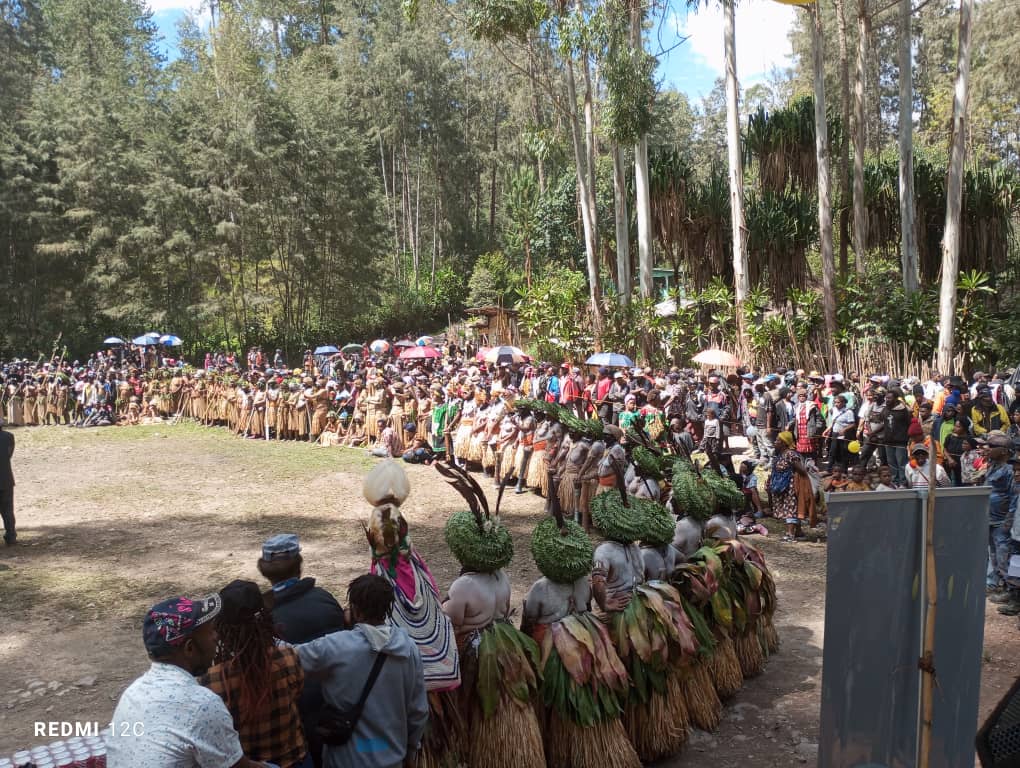
Kasela Palu Group
Papua New Guinea (Sambe)
The Kasela Palu Group encourages Indigenous youth to protect and preserve their traditional customs, values, and beliefs, which have been passed down orally from generation to generation and are at risk of disappearing. Since there are no written records, their main means of transmission is oral tradition from Elders and traditional leaders, who share their knowledge through meditation and constant repetition to ensure its preservation. The vernacular language embodies their way of life, traditions, and beliefs, many of which are being forgotten by younger generations. For this reason, the organization is constantly seeking ways to revitalize its culture before it is lost completely.
For the “Ancestral Cultural Knowledge and Oral Linguistic Rights” project, the team will identify leaders in each of the seven districts to conduct training workshops with the nominated candidates, which will include video recordings and photo sessions. Copies of all produced materials will be distributed in the corresponding districts through local contacts for community use. They will also disseminate the materials through social media, the local radio station, and the government-owned National Broadcasting Commission. Finally, the organization will establish mechanisms to archive these materials for future reference.