
The Forgotten Ones of the Changuinola River:
Ngäbe Communities Continue to Demand Justice for the CHAN-75 Hydroelectric Project
Read their storyA TERRITORY TRANSFORMED
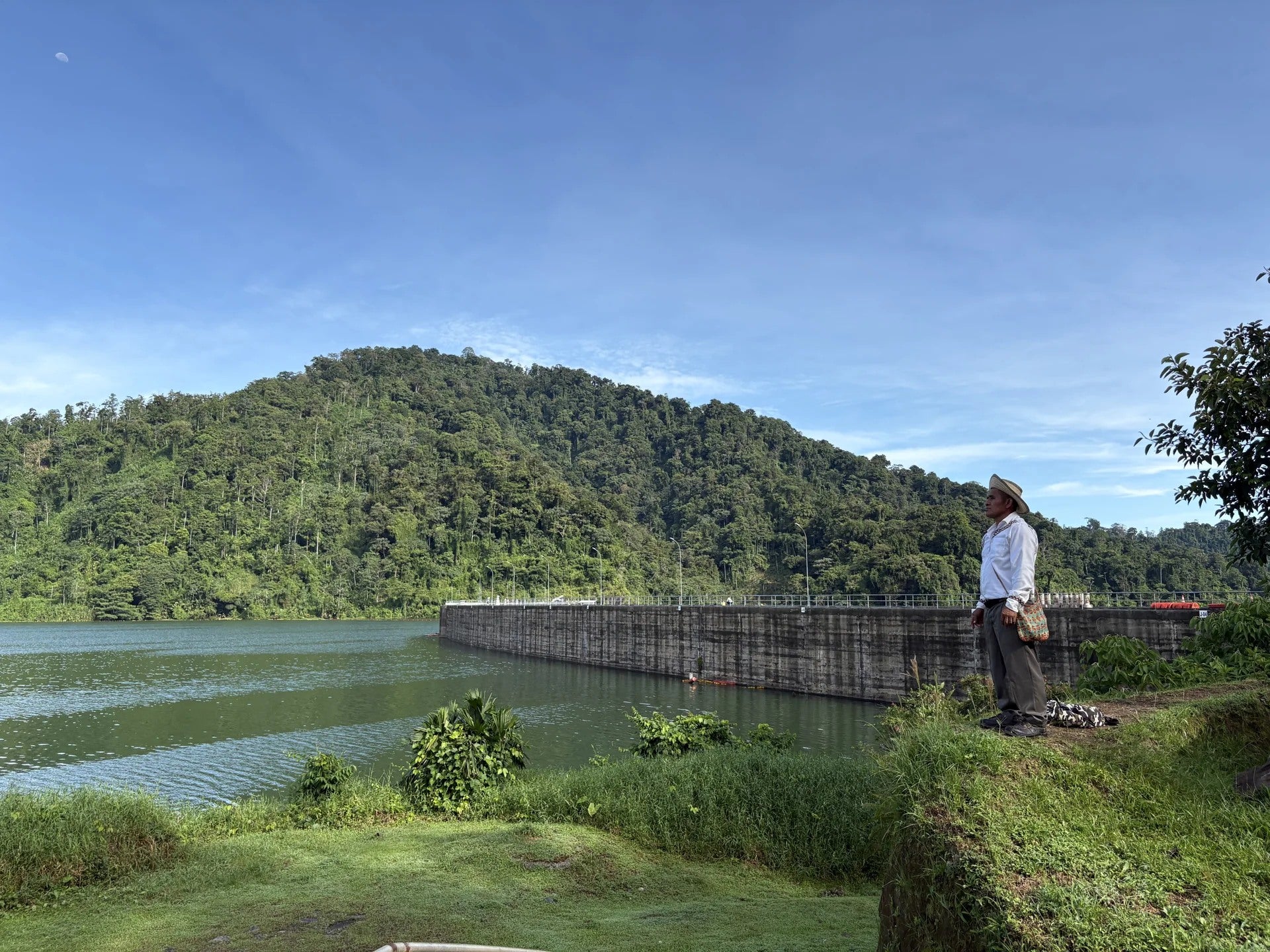
In 2007, the company AES dammed the Changuinola River. The Ngäbe communities that live along its banks continue demanding justice and reparations.
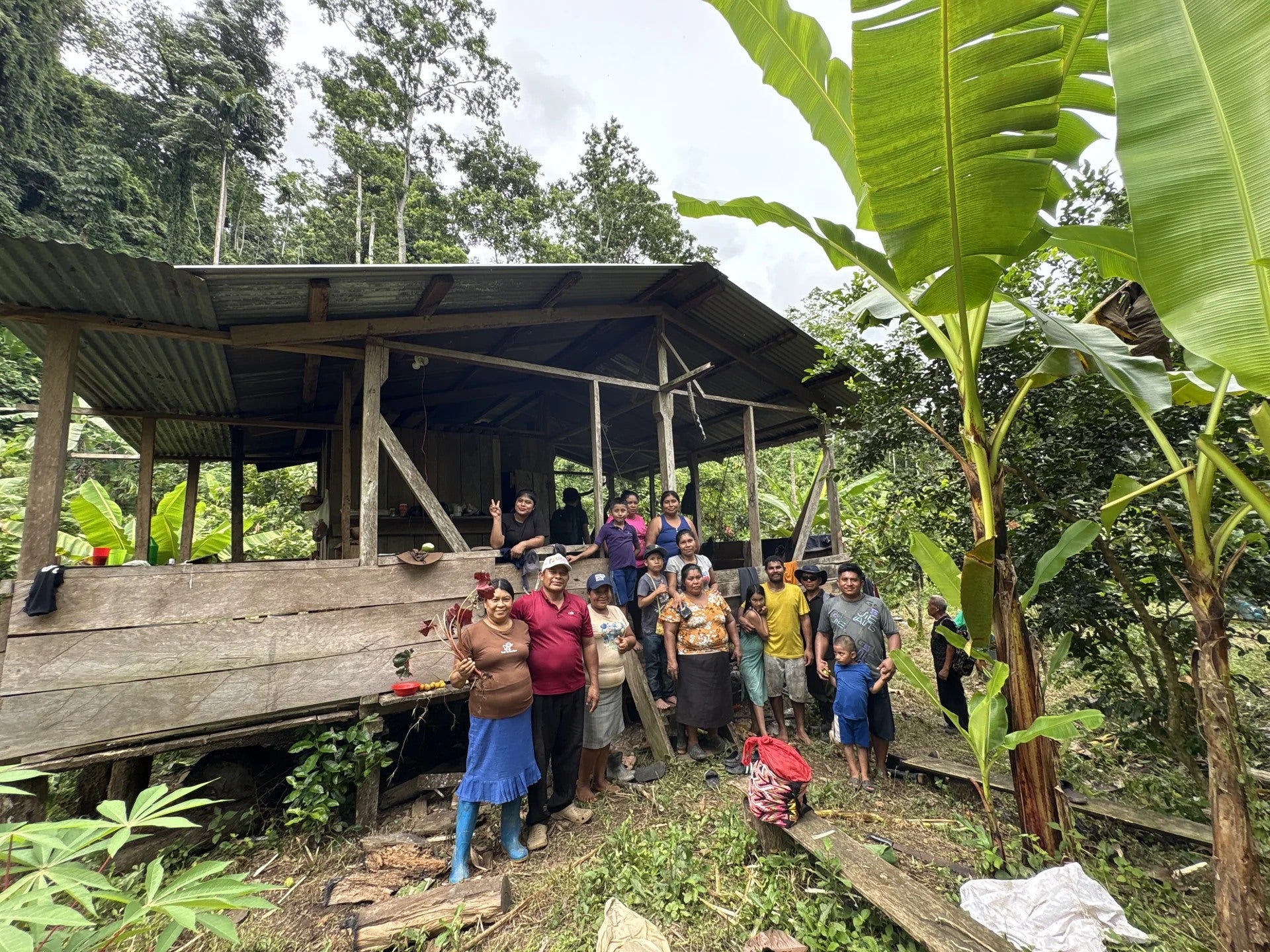
Since 2007, the Indigenous Ngäbe communities of the Changuinola River valley in Panama have suffered the devastating impact of the construction of the CHAN-75 hydroelectric dam by the US-based AES Corporation. This megaproject, built without the consultation or consent of the affected communities, has caused forced displacements, loss of homes, and grave impacts on territories, ways of life, and the ancestral relationship with the river.
Nearly two decades later, the displacement of the Ngäbe families, deterioration of the river on which they depended, and repression of the communities have gone uncompensated. But this has not meant silence. The communities have kept alive the memory of what happened, documented the impacts, and brought their demands to national and international institutions. Generation after generation, they have sustained the defense of their rights, their territory, and their connection with the river.
In 2021, the Inter-American Commission on Human Rights concluded that Panama violated the rights of these communities. The State has not complied with its obligations and, meanwhile, has granted a concession for a second dam on the same river.
A river is much more
than water.
It is life, territory, memory, and spirituality for Indigenous Peoples.
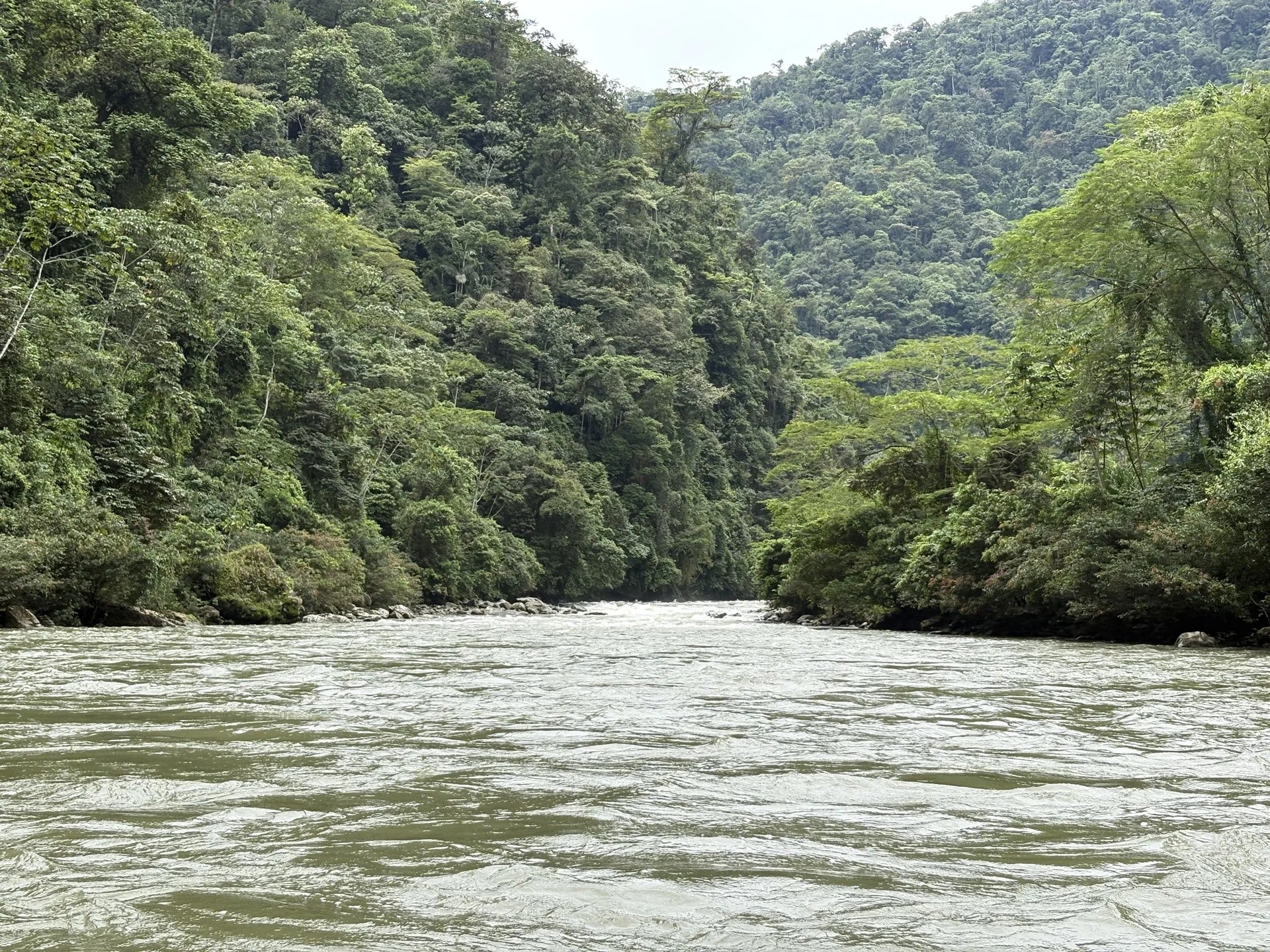
On the banks of the Changuinola River grew families and communities whose lives were built in close relationship with the river and the forest. The river provided food, water, medicines, and materials for daily life, as well as spaces of cultural and spiritual significance. Fish were abundant, and the river connected the communities. For generations, the communities came to know its cycles: when it rose, when it dropped, when it was possible to cross, and when it was a good time to fish. This knowledge of the river was part of life and was transmitted from generation to generation.
But when the CHAN-75 dam was built, all of this changed. Several communities upriver from the dam flooded, and the people had to move, losing their territories, houses, crops, and access to the river and all of the life that the river sustained. Downriver, communities that were not directly flooded but were still affected have also faced changes in the water, the behavior of the river, and access to everything a healthy river meant for their lives and which they no longer have. For the families living along its banks, the river that for generations they knew as a source of food, a medium for transportation, and a part of community life is, today, a source of uncertainty.
The contextTHE COST OF DISPLACEMENT
The loss of territory means dispossession
of identity and culture.
Displacement has fractured the ties that united the families and the communities.
What happened in the communities includes a process of division through selective compensation offered with false promises and without transparency. Many people were pressured to sign documents to sell their lands without clear information nor explanations in their own languages as to the consequences of these decisions. These practices weakened trust and social cohesion within families and communities. Added to that is the loss of gathering spaces and spaces of cultural and spiritual importance, as well as the alteration of practices connected to the river, such as fishing, traditional transportation methods, and knowledge of the river’s cycles, which over generations have strengthened the communities’ ties.
The affected communities
Valle Rey · Guayabal · Changuinola Arriba · Charco la Pava · Boca Chica · Cable Vía · Guabo · Corriente Grande · Isla Venao · Sursuba · Cochigró · Quebrada la Mina · Laso · Quisori · Selvina · Santa Rosa · Alto Sorí · Zegla
THE WOMEN AT THE HEART OF THE COMMUNITY
Territorial guardians.
Knowledge bearers.
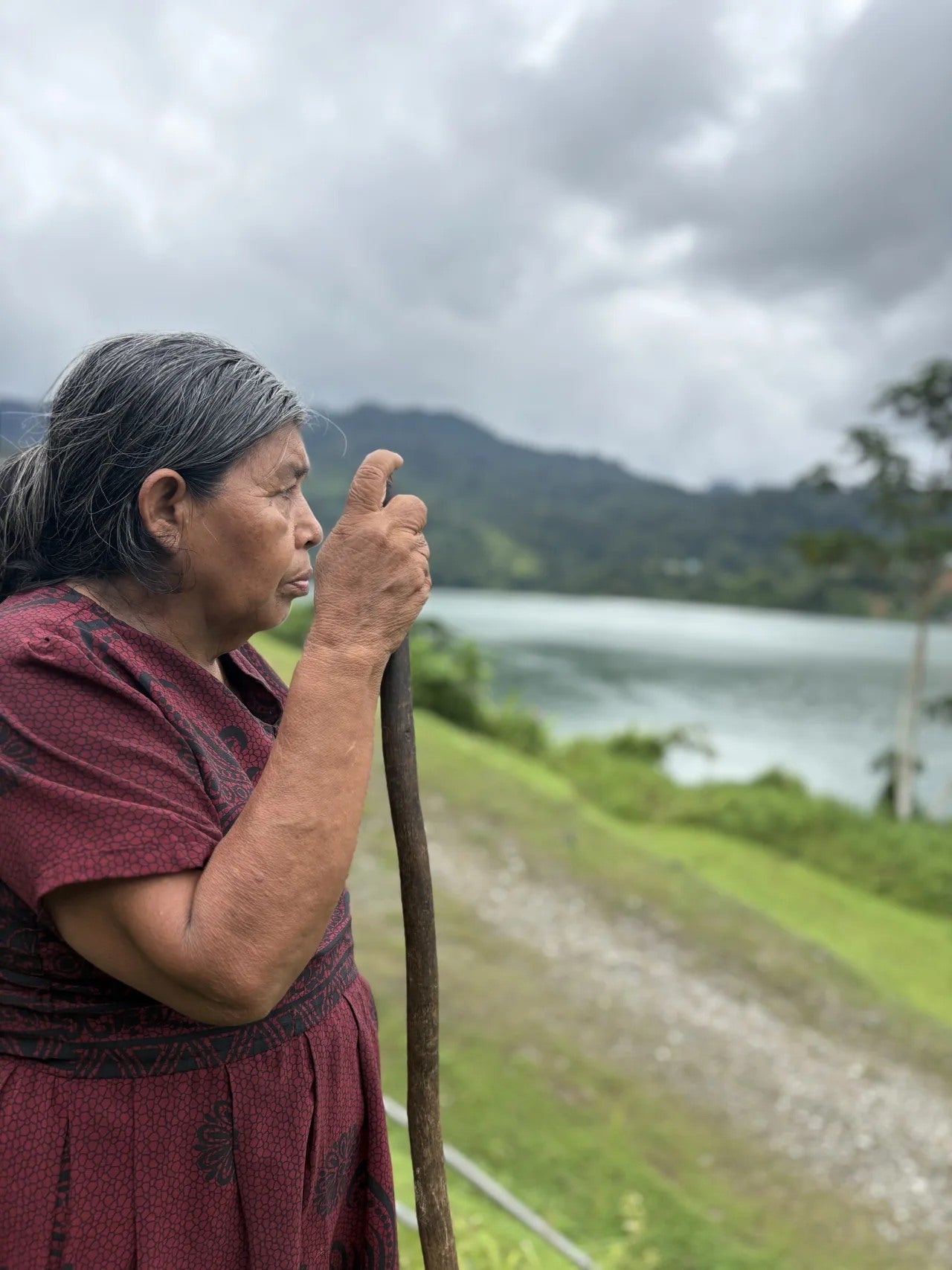
For women, the impact has been especially grave.
As caretakers of land, seeds, cultures, and traditional knowledge, Ngäbe women sustain the life and wellbeing of their communities. The transformation of the territories and their environment has altered these essential practices, as well as access to plants, food, medicines, and other elements of nature on which community life and the survival of knowledge depend.
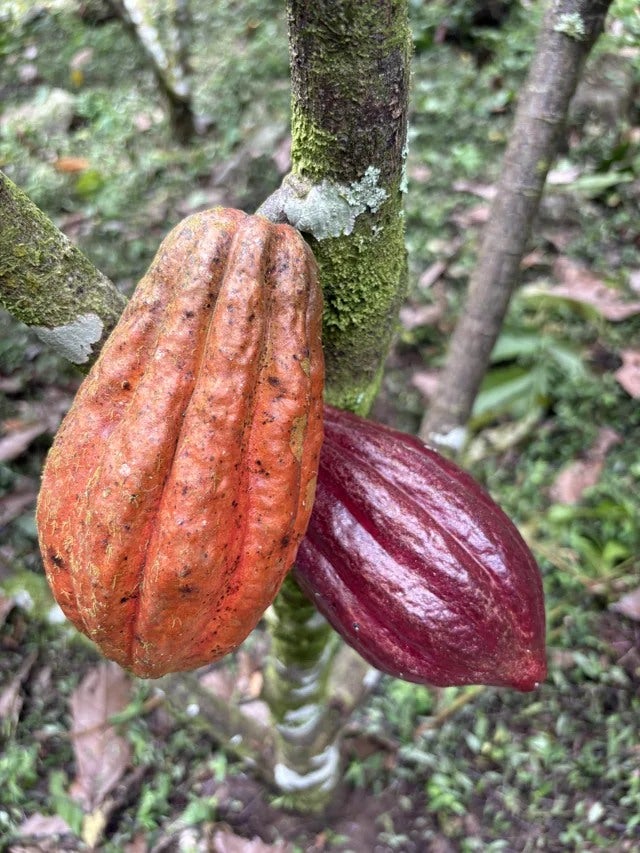
The land sustains food sources, knowledge, and the continuity of community life.
THE DEMAND FOR JUSTICE CONTINUES
Their story did not end
with the construction of the dam.
The Ngäbe communities continue demanding justice for the damage that CHAN-75 caused and continues to cause. Learn about the struggle of the communities, read our report on the case, and get to know Cultural Survival’s advocacy work.
LEARN ABOUT THE STRUGGLE
Reports and stories
The documentation, reporting, and history behind the campaign.
HUMAN RIGHTS REPORT
Panama: Universal Periodic Review
Read the Spanish-language report on Indigenous rights and the impact of CHAN-75.
Read the report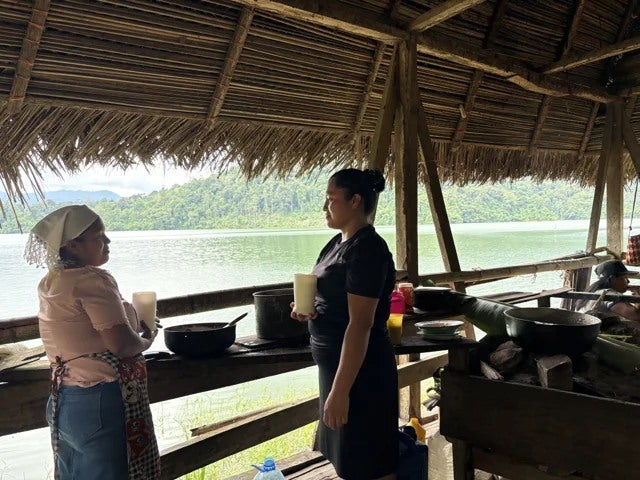
NEWS · MAY 20, 2025
Ngäbe communities bring their struggle to the UPR
The communities and Cultural Survival document the state of Indigenous rights in Panama.
Read the story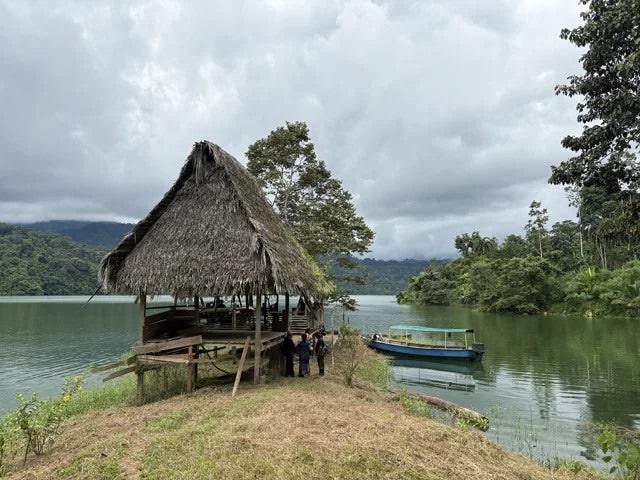
CULTURAL SURVIVAL QUARTERLY
Dam Nation
Explore Cultural Survival’s earlier reporting on displacement and resistance in the Changuinola River valley.
Read the article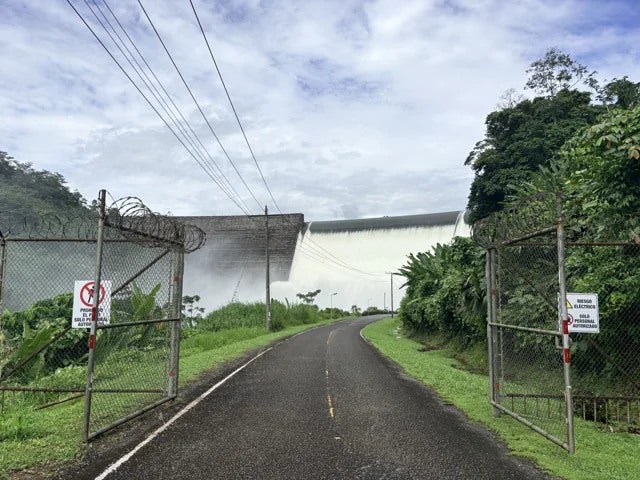
EARLIER CAMPAIGN
Panama: Stop Dam Construction
Visit the original campaign page for the history of advocacy against dam construction.
Explore the archive