By KATRIBU
In the Philippines, Indigenous Peoples continue to face land dispossession, militarization, environmental destruction, disinformation, and systemic marginalization. Amid these challenges, media has become an important tool for asserting Indigenous Peoples’ rights and ensuring that their stories are told and echoed.
It is a sad reality that much of the mainstream media in the Philippines remains state-backed or influenced by powerful political and corporate interests that seek to exploit and oppress Indigenous Peoples for profit and control. For Indigenous communities whose voices are often excluded, distorted, or criminalized, Indigenous-led and community-based media are essential in advocating for rights, preserving truth, and amplifying struggles for ancestral land and self-determination. Through these platforms, Indigenous Peoples are able to tell their own stories from their own perspective, countering disinformation and reclaiming narratives long shaped by outsiders.
It is from this context that Tangguyob Collective emerged. Tangguyob Collective is an Indigenous-led, audiovisual media platform dedicated to amplifying the struggles, campaigns, and victories of Indigenous Peoples and Moro communities in the Philippines. The support of the Cultural Survival Indigenous Community Media Grant was instrumental in strengthening its efforts to reach wider audiences and further develop Indigenous community media in the country.
Tangguyob Collective is managed by KATRIBU, the national alliance of Indigenous Peoples organizations in the Philippines. The platform traces its roots to the Tangguyob podcast, launched in October 2021 to commemorate the five-year anniversary of the establishment of Sandugo, an alliance of Moro and Indigenous Peoples advocating for self-determination. Sandugo itself emerged from the historic Lakbayan ng Pambansang Minorya (Journey of the National Minorities) in 2016, where more than 3,000 Indigenous Peoples and Moro participants traveled from their communities to Manila to call attention to militarization, land-grabbing, and corporate plunder in their ancestral lands.
In 2024, Tangguyob was relaunched as a broader collective media platform involving different Indigenous Peoples and Moro rights organizations and networks in the Philippines. Managed by the KATRIBU secretariat in coordination with groups such as Bai Indigenous Women’s Network and Siklab Philippine Indigenous Youth Network, the platform seeks to create a collaborative media space where organizations can share campaigns, educational content, and community stories. Named after a traditional horn historically used by Indigenous communities to gather people for important announcements and collective decision-making, Tangguyob symbolizes the call for unity, resistance, and collective action.
Countering Disinformation Through Community Media
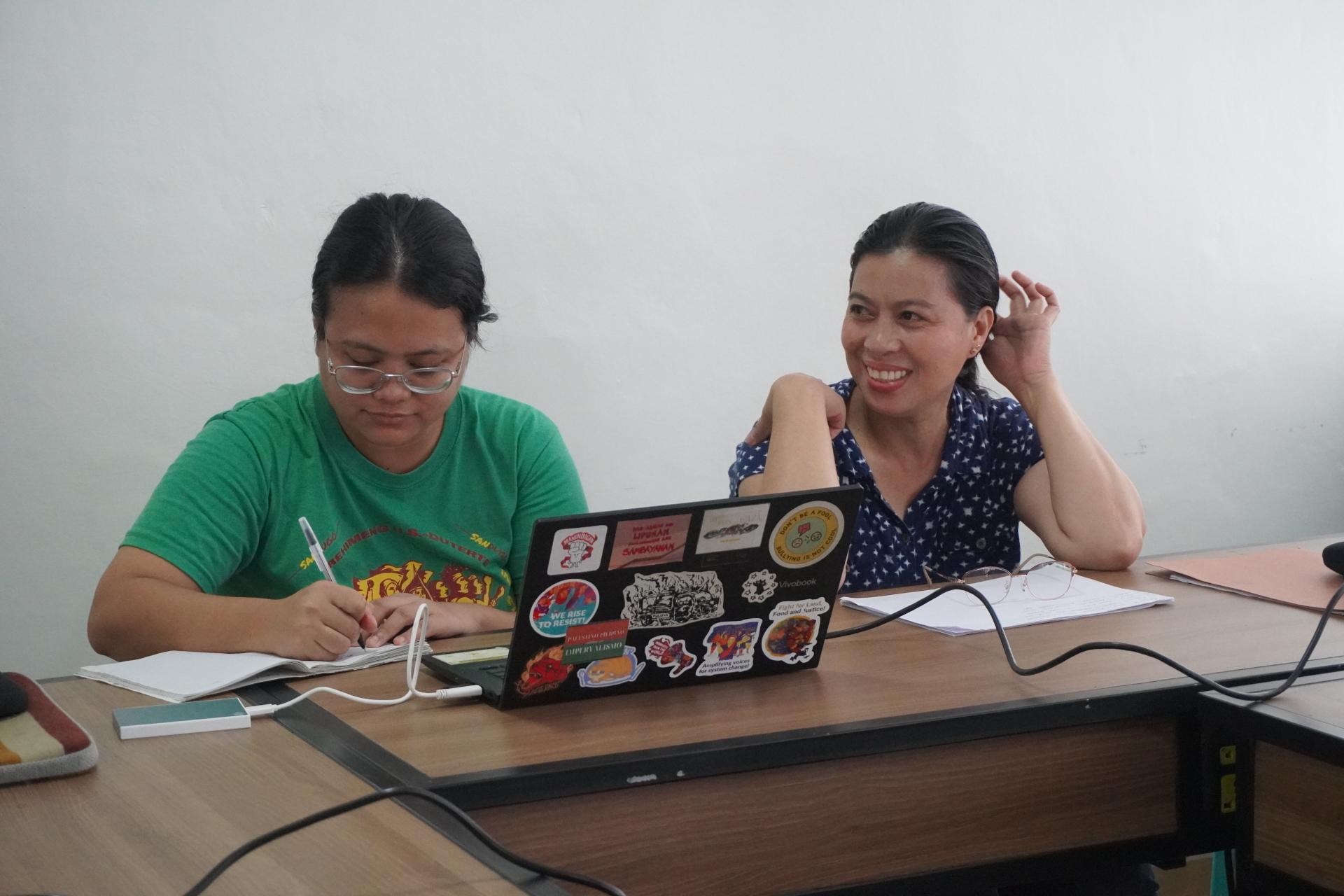
Tangguyob was created in response to the growing spread of disinformation and harmful narratives against Indigenous Peoples. Many Indigenous communities in the Philippines continue to experience red-tagging, criminalization, and media misrepresentation, while their struggles against mining, dams, militarization, and displacement are often ignored or distorted in mainstream discourse. The project with Cultural Survival aimed to strengthen Indigenous-led digital media production through educational videos, interviews, short-form content, and social media campaigns that explain Indigenous Peoples’ issues from the perspective of the communities themselves. The platform primarily produces content in Filipino and English to reach wider audiences across the country.
Grant funds were used to support content production, volunteer mobilization, coordination among Indigenous organizations, social media operations, and the development of Tangguyob’s online presence on TikTok and YouTube. The project also sought to popularize KATRIBU’s national campaign, “Our Fight Is Just,” while amplifying regional campaigns led by Indigenous organizations nationwide.
Tangguyob became instrumental in bringing Indigenous Peoples’ campaigns to wider audiences by veering away from more traditional forms of information dissemination. In the Philippines, short-form videos, Instagram Reels, and other visual content have become increasingly popular, especially among the youth. Through Tangguyob, the collective was able to experiment with new ways of presenting Indigenous Peoples’ issues, combining careful political analysis with more accessible, engaging, and popular forms of media.
Instead of presenting educational discussions in lengthy statements or forums, Tangguyob transformed pressing issues such as land-grabbing, militarization, environmental destruction, and state repression into videos and Reels that were easier to consume and share online. This helped Indigenous campaigns reach people beyond the usual networks of activists and advocates, and to include younger audiences encountering these issues for the first time.
One unexpected outcome of the project was the rapid growth of Tangguyob’s TikTok platform. While the collective initially expected its YouTube channel to gain more traction, TikTok generated significant engagement and wider reach. The platform’s videos gathered thousands of views and interactions, helping amplify Indigenous Peoples’ calls far beyond their communities.
At the same time, the collective also faced backlash online, especially when publishing content criticizing corruption, militarization, and state policies affecting Indigenous Peoples. Some videos attracted negative comments and attacks from supporters of politicians and government figures being criticized. However, organizers understood this as part of the realities of human rights advocacy and political education work in digital spaces.
Indigenous Women and Youth at the Forefront
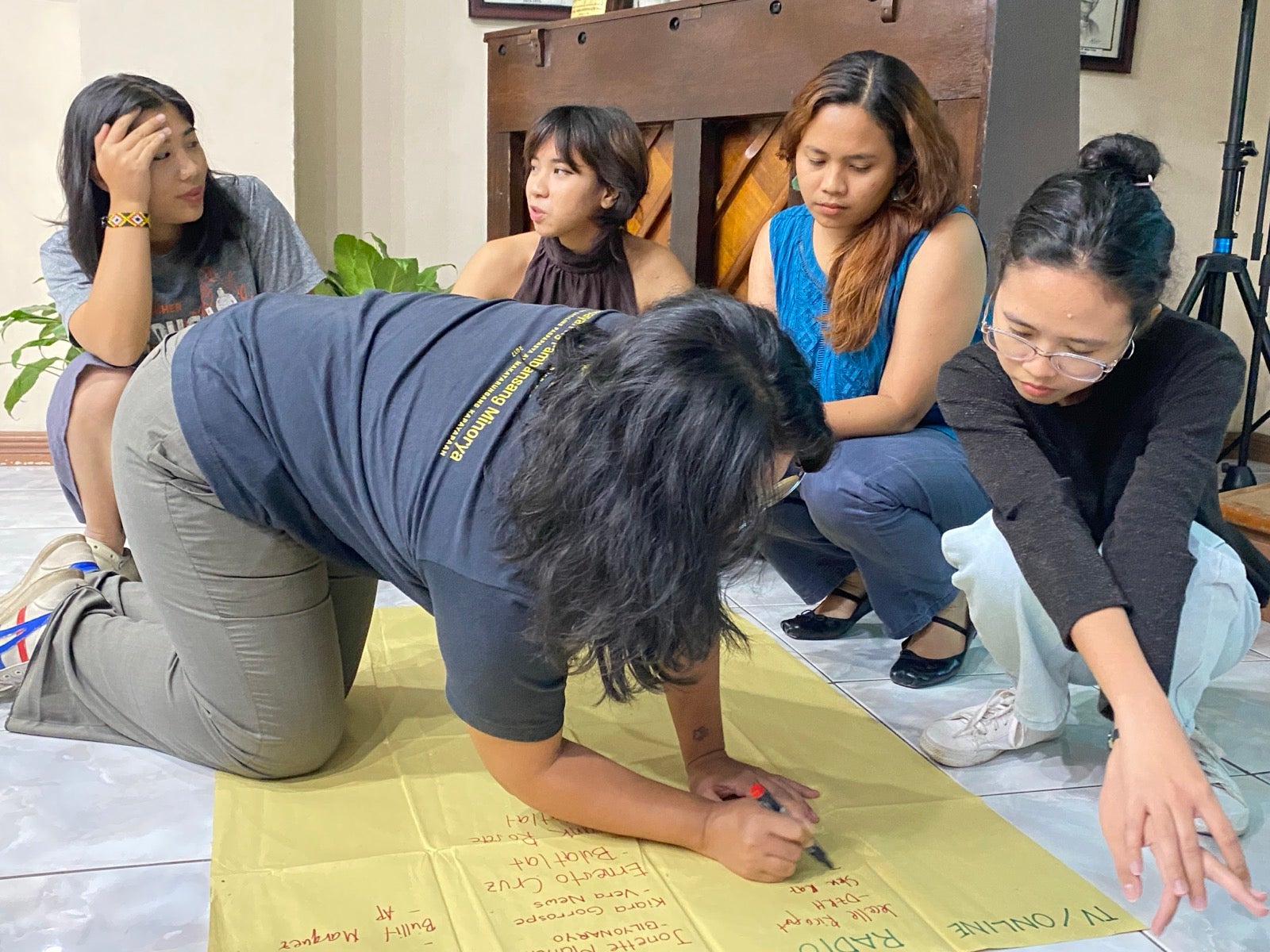
Women and youth play a central role in both the collective and the broader Indigenous movement in the Philippines. KATRIBU works closely with Indigenous women’s and youth networks to ensure that their perspectives remain central in campaign-building, decision-making, and media production. Many of the volunteers, contributors, and organizers involved in Tangguyob are Indigenous women and youth leaders. Through consultations and collaboration with grassroots organizations, Tangguyob encourages community participation in storytelling and content creation.
One youth volunteer reflected on how producing media content deepened their understanding of Indigenous struggles: “Because we were given the task of producing a video about the issues of the Ayta, it became an opportunity to learn more about their situation. I learned a lot from speaking with them as I explained their experiences for the video. I hope that those who watched the video will also feel the need to stand up for Indigenous Peoples."
A woman Indigenous leader emphasized the importance of Indigenous Peoples telling their own stories online: “It is good that our stories as Indigenous Peoples are being presented through video and online platforms. More people are able to watch, and more people are able to learn about the experiences we Lumad have gone through. This is a big help for those who are not yet aware of these realities, especially for those who believe in false information about us, such as claims that we are criminals or that we are ignorant,” she said.
Strengthening Alliances and Collective Advocacy
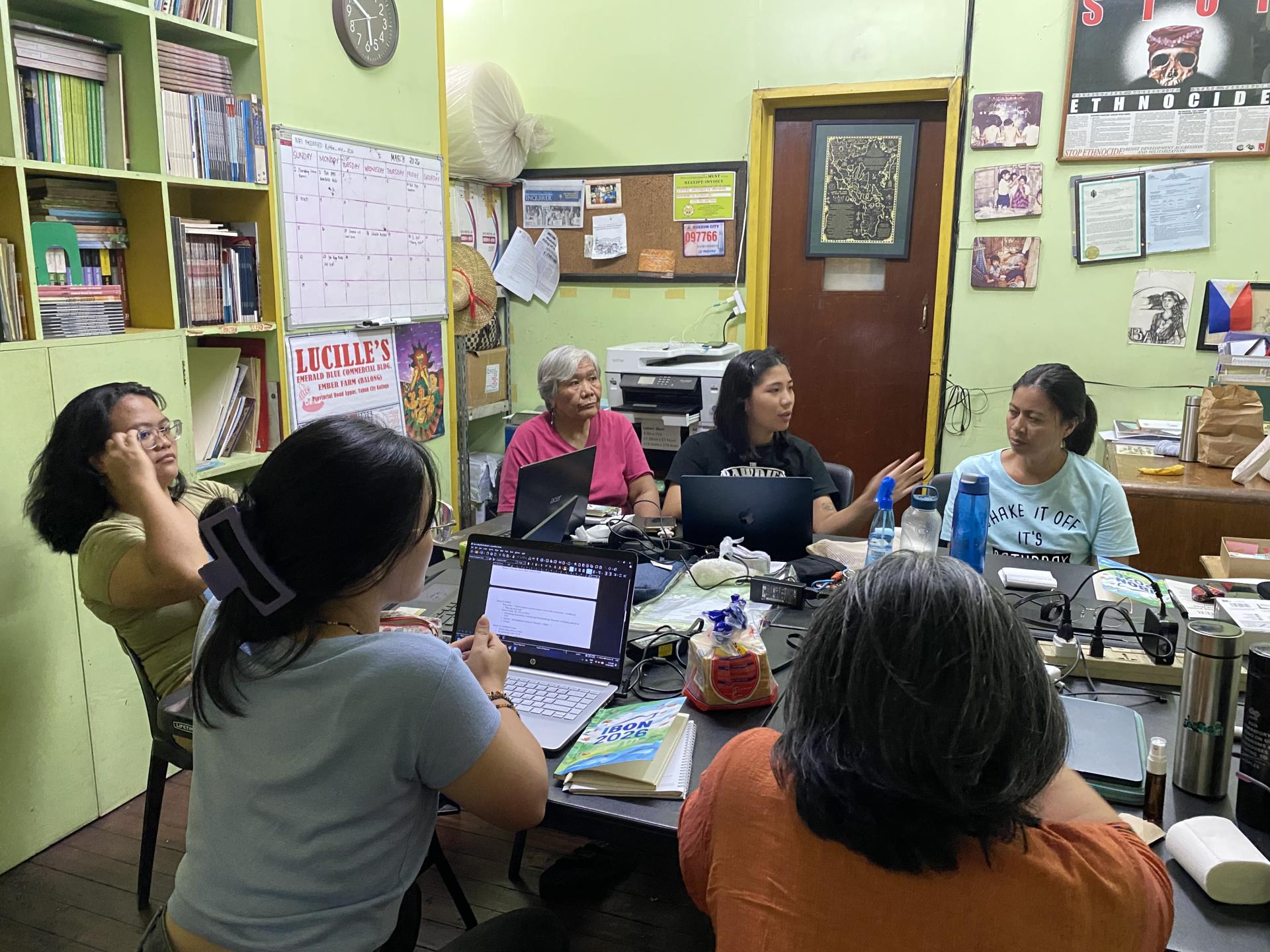
Beyond content production, Tangguyob became an avenue for strengthening alliances among Indigenous organizations, advocates, and solidarity networks. By offering the platform as a shared media space, organizations and contributors were encouraged to submit educational materials, campaign content, and community stories for wider dissemination. This collaborative approach allowed Tangguyob to expand its reach across different sectors and regions while fostering a stronger sense of collective ownership over Indigenous media work.
Tangguyob also became a way for KATRIBU and partner organizations to connect with potential allies and volunteers by opening the platform to broader participation and collaboration; KATRIBU continues to maintain close relationships with grassroots organizations, traditional leaders, and ancestral authorities by grounding campaigns and media content in community consultations and the actual conditions faced by Indigenous Peoples.
The Cultural Survival grant contributed significantly to the growth and development of Tangguyob Collective as an Indigenous-led media initiative. The project strengthened the collective’s capacity to produce educational content, mobilize volunteers, and build broader public awareness about Indigenous Peoples’ struggles in the Philippines. The experience also highlighted the continuing need to strengthen volunteer sustainability, organizational systems, and long-term support for Indigenous community media.
Limited manpower and sustaining long-term volunteer engagement presented major challenges. Despite these difficulties, however, the relaunch and strengthening of Tangguyob became an important starting point in rebuilding a more dynamic and participatory Indigenous media collective. Moving forward, Tangguyob hopes to further develop the self-reliance, initiative, and sustainability of its volunteer network while expanding its reach to more Indigenous communities and audiences. The collective also hopes to continue exploring creative and accessible forms of media that can popularize Indigenous Peoples’ struggles and campaigns without sacrificing political depth and analysis.
As Indigenous Peoples continue defending their ancestral lands, rights, and self-determination, Tangguyob remains committed to ensuring that their voices are heard, their stories are told truthfully, and their struggles are amplified far beyond their communities.
Engage with Tangguyob on social media:
TikTok: tiktok.com/@tangguyob
YouTube: youtube.com/@tangguyob
In 2025, Tangguyob, received a grant from Cultural Survival’s Indigenous Community Fund, which provides opportunities for journalism, broadcasting, audio editing, technical skills, and more for community media from Indigenous communities around the world. In 2025 CS awarded a total of $502,000 to 63 Indigenous communication projects that will benefit Indigenous Peoples in 29 countries: Argentina, Bangladesh, Bolivia, Botswana, Brazil, Chile, Ecuador, Colombia, United States of America, Philippines, Guatemala, India, Kenya, Mexico, Nepal, Peru, South Africa, Democratic Republic of Congo, Indonesia, Honduras, Mali, Nicaragua, Cambodia, Chile, Canada, Panama, Paraguay, Papua New Guinea, New Zealand, Nicaragua, and Tanzania.