
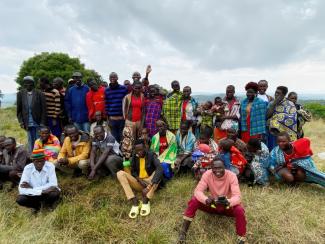
For generations, Indigenous communities in Abim District, Karamoja, in northeastern Uganda, have depended on a deep relationship with their land, water, animals, forests, and natural environment. This relationship has guided how communities make decisions, resolve challenges, protect resources, and prepare for uncertain times.
Long before climate change became a global concern, communities had their own ways of understanding environmental changes. Cattle and goats became unusually restless or vocal, signaling upcoming heavy winds or rainfall. Elders observed birds’ behavior and the flowering of trees. They used the alignment and brightness of specific stars and the moon to gauge seasonal timing and predict long dry cycles. Haruspicy (reading goat intestines) was used to forecast weather patterns, seasonal rainfall quality, and impending environmental or social shocks. These observations helped communities decide when to plant crops, how to prepare for drought, and how to protect needed resources. This knowledge was not written but was carried through stories, community gatherings, cultural practices, family teachings, and intergenerational relationships. In Abim, governance has never been only about leaders and decision-making structures but foremost about responsibility to the community, the land, and future generations.
Today, this relationship faces increasing pressure. Climate change has brought longer drought periods and unpredictable rainfall, leading to declining pastures and crop failures and increasing challenges to food security, famine, and death. Many Indigenous practices and knowledge systems are at risk of disappearing as younger generations have fewer opportunities to learn from Elders.
Indigenous self-governance in Abim is built on collective responsibility. Important decisions affecting land, natural resources, community well being, and social relationships have traditionally been discussed through community consultation involving Elders, women, clan representatives, and other members. Leadership is understood not simply as authority over others, but as a responsibility to serve and protect community interests. Elders play an important role as custodians of history, cultural values, and environmental knowledge, carrying memories of droughts, food shortages, traditional farming practices, and emergency management. When disagreements arise, Indigenous approaches focus on dialogue, mediation, and restoring relationships. The purpose is not only to determine who is right or wrong, but to rebuild trust because community survival depends on cooperation.
A reflection shared during community knowledge discussions highlights this understanding: “Our Elders taught us that the land is not something we own alone. We are only caretakers for those who will come after us. When we sit together and listen to each other, we find solutions that protect both people and nature. The knowledge of our ancestors helped our communities survive difficult seasons. Protecting this knowledge means protecting who we are.”
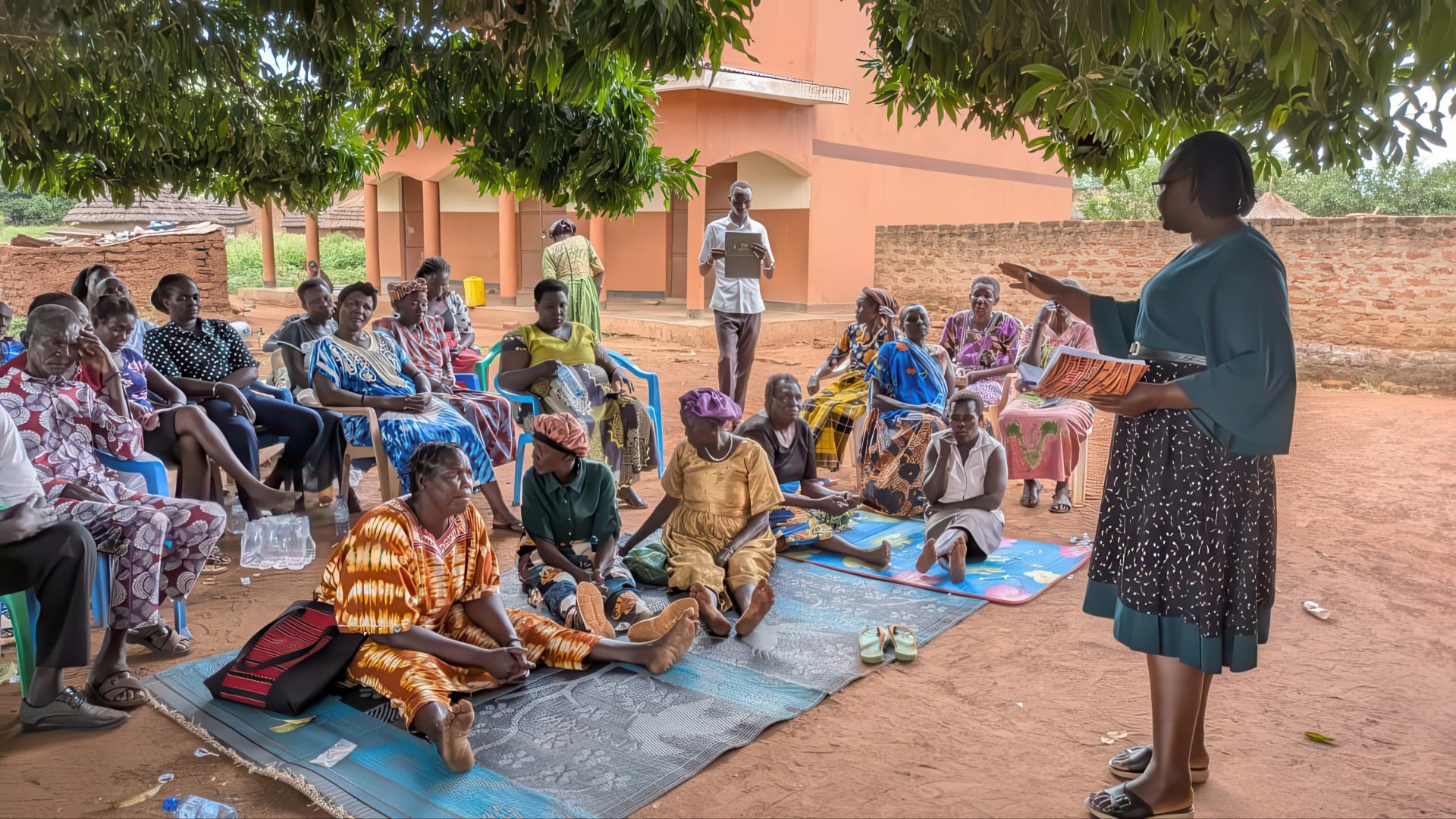
Women as Keepers of Knowledge
In Abim, women have always played a central role in sustaining communities, carrying essential knowledge of seeds, traditional crops, food preservation, medicinal plants, and wild foods that provide nutrition during difficult periods and support family and community survival. As custodians of this knowledge, women have relied on passed-down teachings about which foods can support families and which Indigenous crops can withstand harsh environmental conditions. Traditional crops such as millet, sorghum, and other Indigenous varieties have provided resilience because they are adapted to local conditions and have survived through generations of careful selection.
These knowledge systems face increasing challenges. Changing lifestyles, climate pressures, and reduced opportunities for intergenerational learning are contributing to the loss of Indigenous practices. Strengthening women’s participation in community decision-making helps ensure that climate adaptation strategies include the experiences of those who have long protected household food systems. A reflection from women leaders during community dialogues expressed this connection: “Women have always carried important knowledge in our homes and communities. We know the seeds that survive, the foods that help families during difficult times, and the ways our mothers protected the environment. When women participate in decisions about land and resources, the whole community benefits because our experiences are included.”
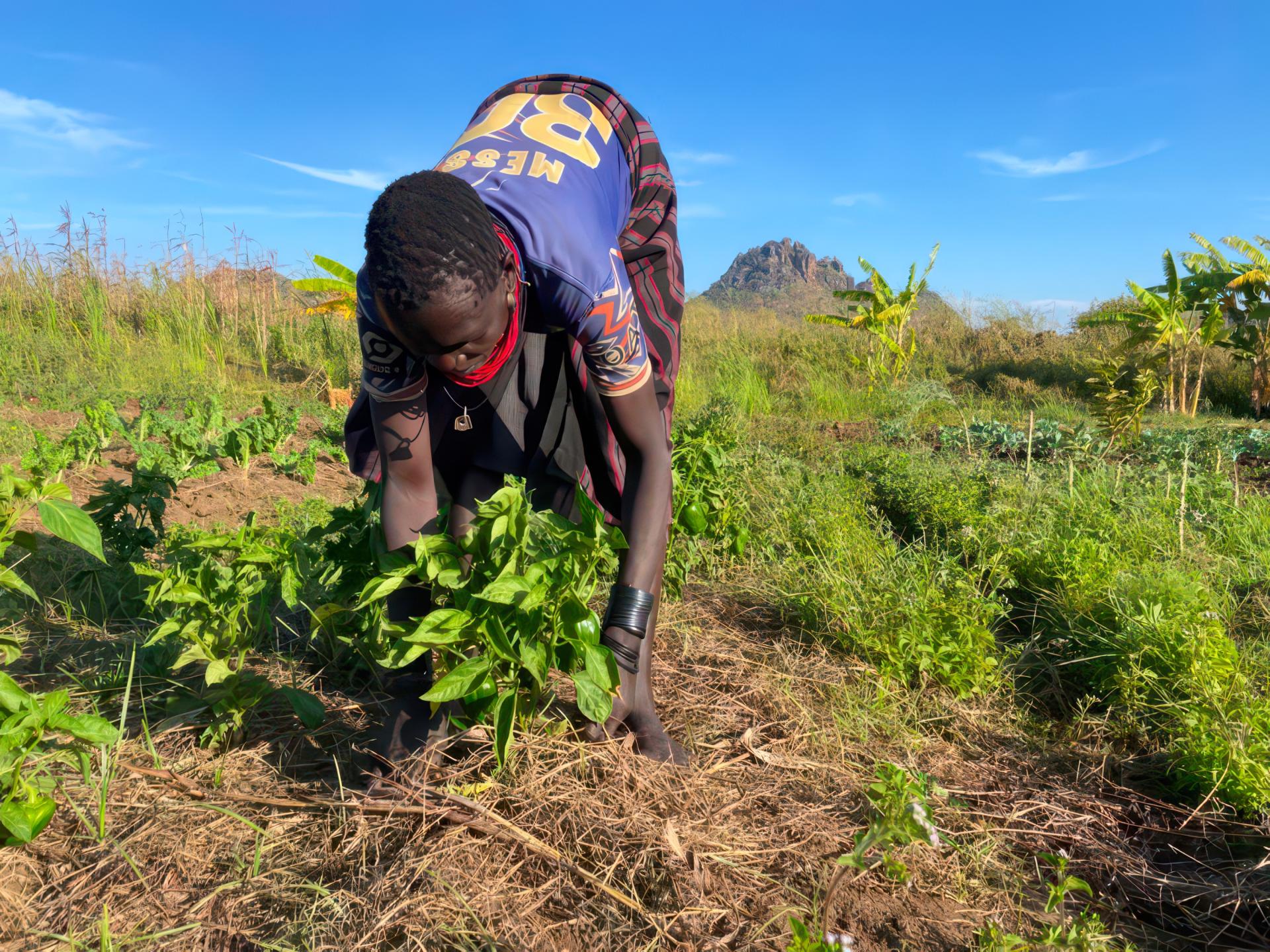
Restoring the Relationship with Nature
One of the greatest strengths of Indigenous communities is the ability to understand environmental changes through generations of observation. Elders have traditionally used signs from nature as early warning systems. Changes in plants, animals, insects, and weather patterns provided important information about potential droughts, changes in rainfall, or challenges affecting crops and livestock. The flowering of certain trees, changes in bird behavior, the appearance of insects, and the availability of specific wild foods were carefully observed and discussed within communities. This knowledge, based on experience, careful observation, and adaptation, represents generations of relationships with the environment. As climate change grows more unpredictable and Elders become fewer in number, there is a growing need to document and strengthen these knowledge systems.
Food security in Abim has always depended on Indigenous Knowledge of crops that can withstand challenging environmental conditions. For generations, communities have preserved crop varieties that withstand drought, require fewer external inputs, and provide important food sources during difficult seasons. Many Indigenous seeds are becoming less common due to changing agricultural practices and reduced transmission of Traditional Knowledge.
Community efforts to preserve Indigenous seeds are helping restore local food systems. Women, Elders, and young people are working together to document traditional crops, share planting knowledge, and encourage the continued use of climate-resilient varieties. Protecting Indigenous seeds is more than protecting agriculture. It is protecting identity, independence, and the ability of future generations to sustain themselves.
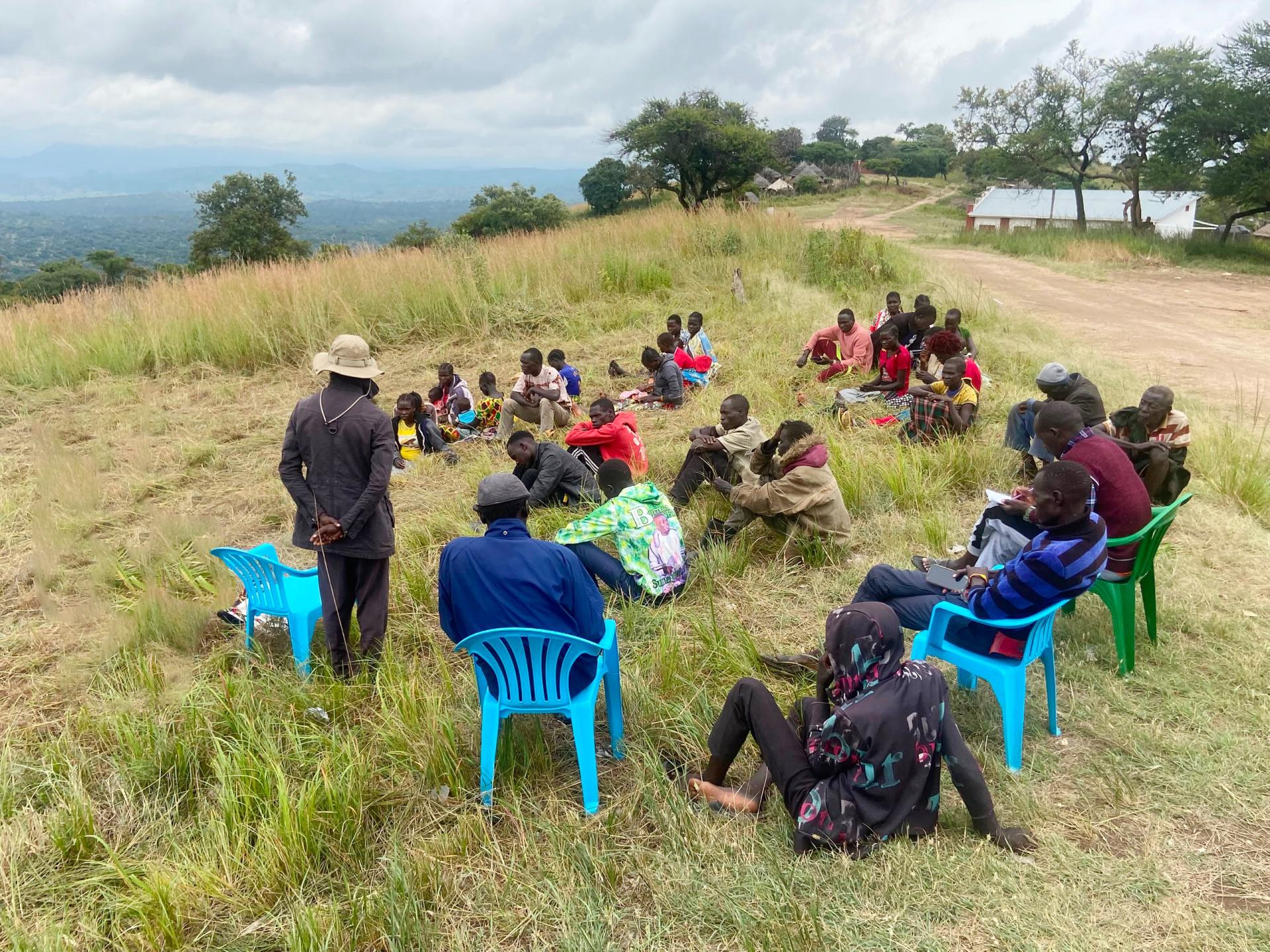
Indigenous Governance as a Pathway Forward
Indigenous governance also guides how communities relate to natural resources. Land is not viewed only as an economic resource. It is connected to culture, history, spirituality, and community identity. Community members have recognized their responsibilities to protect important trees, water sources, grazing areas, and culturally significant places. Through collective action, communities are strengthening environmental protection practices, including restoring degraded areas, protecting water sources, and responsibly managing communal resources. These actions are based on the understanding that humans are part of nature and have responsibilities to maintain ecological balance.
The survival of Indigenous governance depends on whether knowledge can continue moving from one generation to another. Young people in Abim are becoming increasingly involved in learning from Elders, participating in environmental activities, and understanding their responsibilities as community members. Intergenerational learning creates a connection between the wisdom of Elders and the energy and creativity of young people. Youth who understand the importance of Indigenous knowledge can become future custodians of culture, land, and community resilience.
Indigenous self-governance remains highly relevant in today’s world. As communities globally face climate change, environmental degradation, and social challenges, Indigenous governance systems offer important lessons. Communities create stronger solutions when they participate in decisions affecting their lives. Environmental protection becomes stronger when people maintain relationships with the land. Women’s knowledge and leadership are essential for resilience. Elders carry valuable knowledge that complements modern approaches. Culture and identity are sources of strength during times of uncertainty. In Abim, Indigenous self-governance continues to guide communities in understanding their environment, protecting resources, strengthening food systems, and preparing for the future. The knowledge held by Elders, women, and community leaders is not simply cultural heritage, but a living resource that contributes to climate resilience, food security, and community well being. As the world searches for solutions to environmental challenges, Indigenous communities remind us of the importance of listening to the land, Elders, and communities that have cared for their environments for generations.
Oscar Ogole (Karamojong) is Executive Director of Community Development Shield Uganda.
Main photo: Bridging generations in Karamoja. Community members in Abim gather to discuss traditional weather forecasting methods and the preservation of climate-resilient Indigenous seeds. Photo by Community Development Shield Uganda.
