By Emily Pahuamba (CS Intern)
For generations, Indigenous Peoples have sustained their communities through ancestral knowledge passed down from one generation to the next. Through Cultural Survival's Indigenous Youth Fellowship Program, young leaders are preserving traditional medicine in Mexico, restoring ecological knowledge in Ecuador, and documenting cultural history and agricultural practices in Indonesia. Their work demonstrates that protecting ancestral knowledge is not only about honoring the past; it is about strengthening Indigenous identity, resilience, and self-determination for future generations.
Colectivo U Chak Lu'umil Ch'e'eno'ob, Mexico
In the Maya community of Kancabchén, Quintana Roo, Mexico, the U Chak Lu'umil Ch'e'eno'ob Collective (Red Land of Wells) comprises Yeni Tun, Brenda Pech, Doris Tun, and their coordinator, Nelly Cauich. All of them grew up in the community, and some later attended the Intercultural Maya University of Quintana Roo. During their time there, they developed a deeper appreciation for their culture and ancestral knowledge, strengthening their identity and reaffirming their roots as Maya women. Inspired by this experience, they sought to encourage greater recognition of their culture within their community. In 2022, they came together to establish a community museum that highlights the history, culture, and traditional knowledge of Kancabchén. Since then, the collective has dedicated itself to preserving, protecting, and promoting Maya culture in their community.
Kancabchén is a rural Maya community of approximately 1,440 residents. One of its greatest challenges is limited access to medications at the local health center. At the same time, the use of traditional medicine has declined, resulting in the loss of ancestral healing practices and knowledge. As a result, the community faces significant barriers to accessing healthcare that meets its needs.
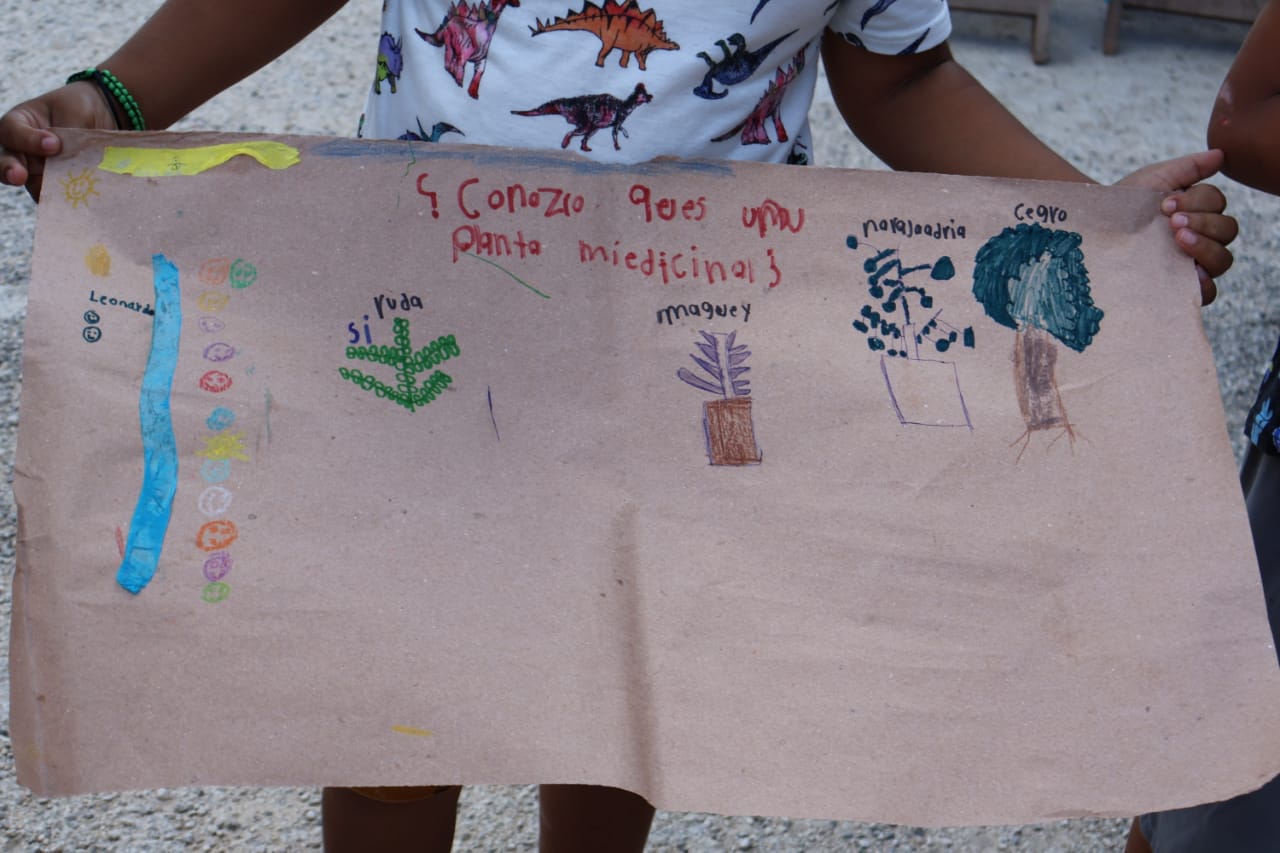
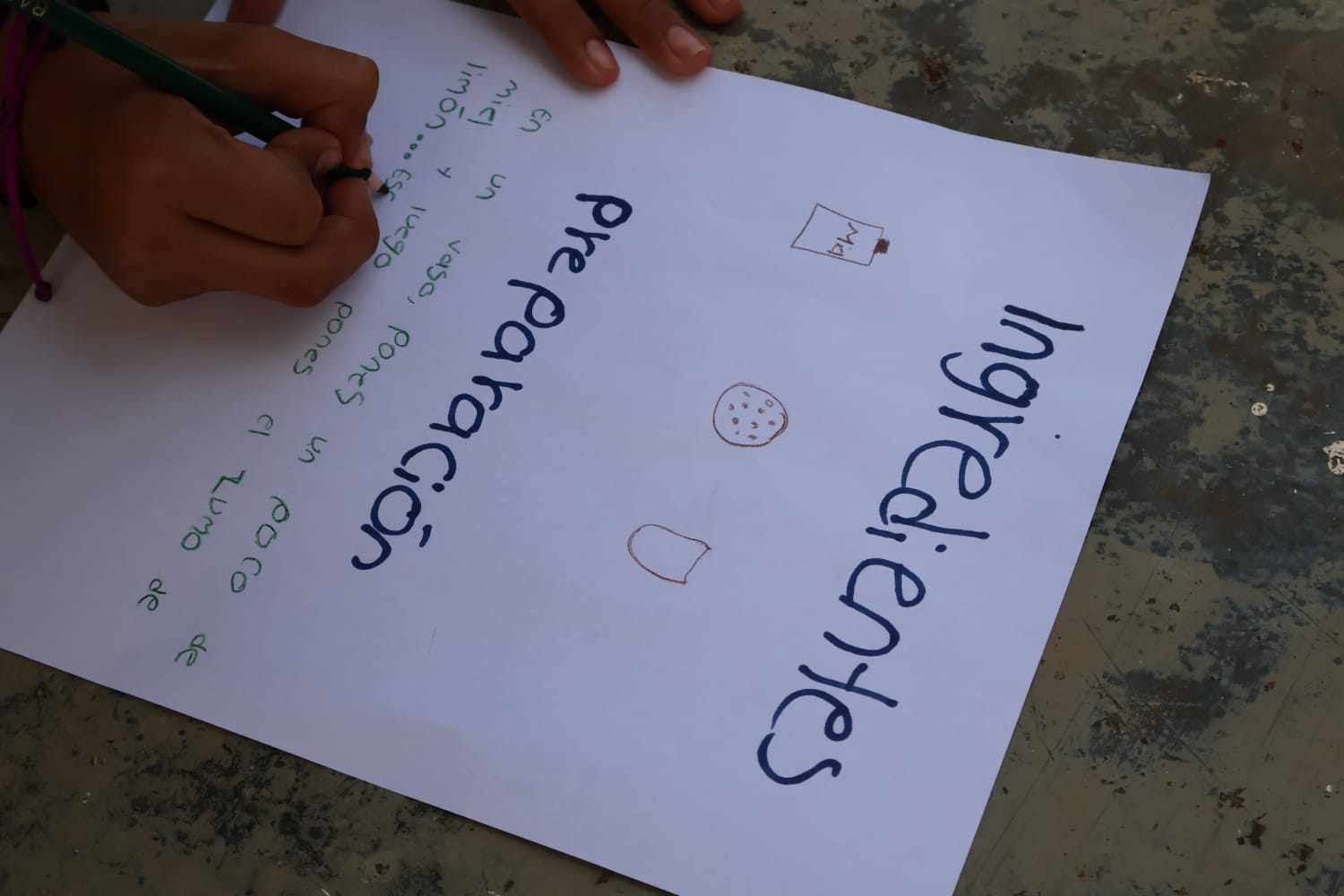
Inspired by the community's grandmothers, who served as traditional midwives and healers, the collective, led by Nelly, launched a project to preserve and revitalize Maya traditional medicine. Their initiative focused on documenting local medicinal plants, establishing a botanical garden, and organizing educational workshops for youth. The project began with interviews with local Knowledge Keepers to document medicinal plants, their healing properties, preparation methods, and healing properties. The group then created the "Ts'aak Wíinik" ("Healing Garden") botanical garden. They also organized workshops for children and youth to teach them about local medicinal plants and their importance. To preserve what they learned, they compiled a handbook of local medicinal plant remedies. Through this project, they successfully safeguarded important ancestral knowledge, passed it on to the next generation, and created new opportunities to support the health and well-being of their community.
Patricia Fernanda Pulla Matute, Ecuador
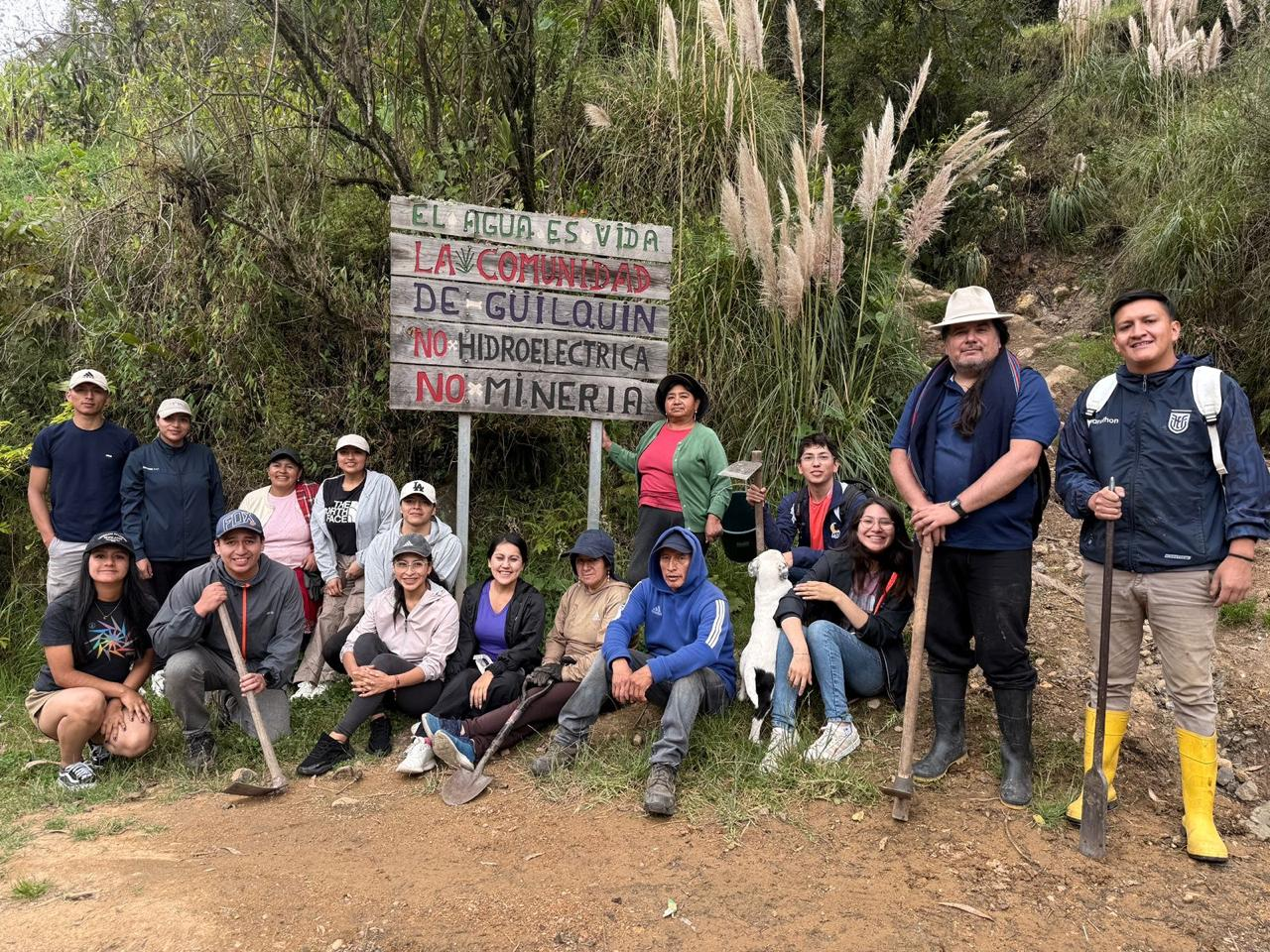
Patricia Fernanda Pulla Matute (Kañari) grew up in the parish of San Joaquín, Ecuador, where her grandmother taught her the importance of ancestral medicine and caring for nature. However, it was when protected areas in her territory came under threat from hydroelectric projects linked to mining activities that she decided to put those teachings into action. Together with her family, she joined the Coordinadora de Comunidades Ancestrales de San Joaquín, an organization dedicated to defending Indigenous territories and the rights of ancestral communities. She later served as the organization's secretary for one year. In addition to her work as a land defender, Fernanda actively participates in artistic and cultural groups within her community, spaces that have deepened her understanding of her identity and culture.
Communities throughout Azuay Province face increasing threats from the expansion of mining and hydroelectric projects. These pressures, combined with the impacts of prolonged drought, have caused significant environmental damage, including water contamination and wildfires that have devastated vast areas of páramo grasslands and wetlands. As a result, communities have lost numerous native plant species and critical wildlife habitats. Today, the páramos surrounding San Joaquín and neighboring parishes remain under pressure due to multiple mining concessions and the planned Yanuncay Multipurpose Project, a hydroelectric development that threatens the Yanuncay River, local biodiversity, and the ecological balance of both the páramo and river ecosystems, which provide water and sustain life for communities throughout the region.
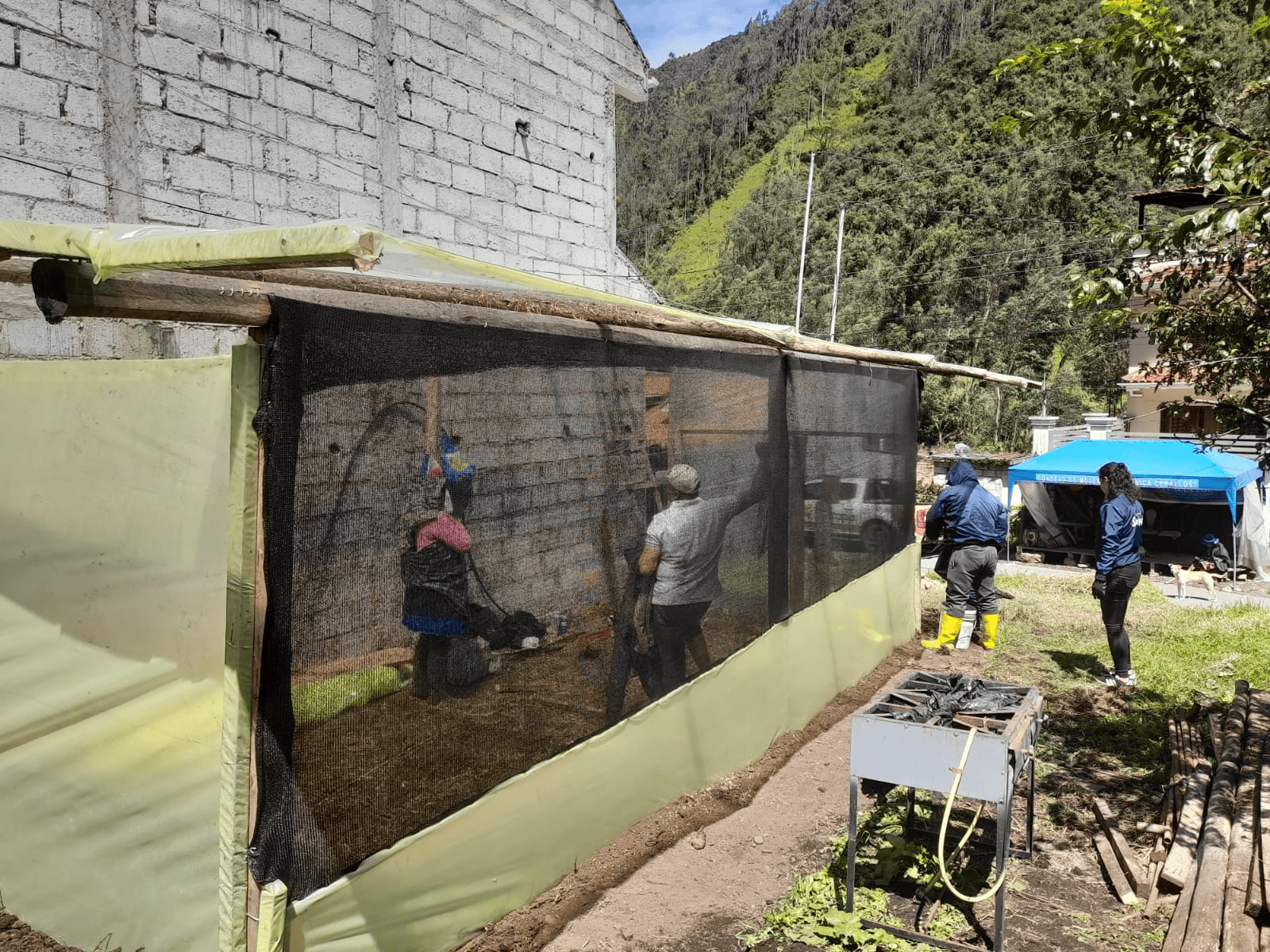
In response to these threats, Fernanda launched "Warmi Ñan", a community-led initiative that strengthens the resilience of the territory through ecological restoration and the revitalization of ancestral knowledge. The project established a community nursery to grow native plants for reforesting areas of the páramo damaged by wildfires. It also strengthened the leadership of women and youth, recognizing their essential role in defending their territory and protecting the ecosystems that sustain their communities.
As a first step, the community conducted an assessment to identify damaged areas, prioritize native species for restoration, and document the ancestral knowledge needed to manage the territory. Based on this information, community members organized collective workdays to cultivate native and medicinal plants in a community-built nursery. Reforestation activities have begun restoring the páramo ecosystem, providing habitat for rabbits, deer, birds, and wild guinea pigs. Through these efforts, "Warmi Ñan" demonstrates how community organizing and ancestral knowledge can protect Indigenous territories and strengthen ecosystem resilience in the face of wildfires and other environmental threats.
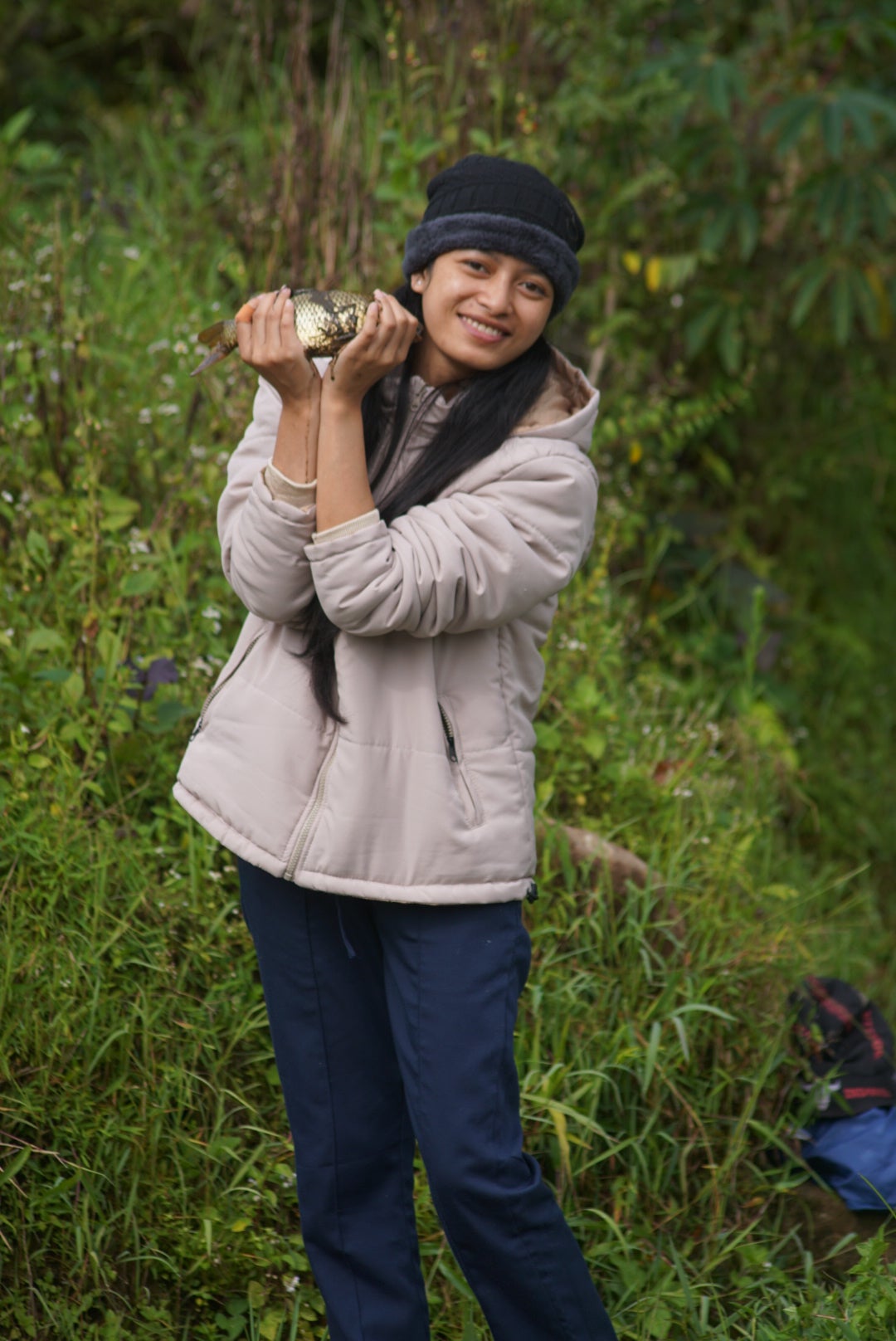
Gustin Tandirara, Indonesia
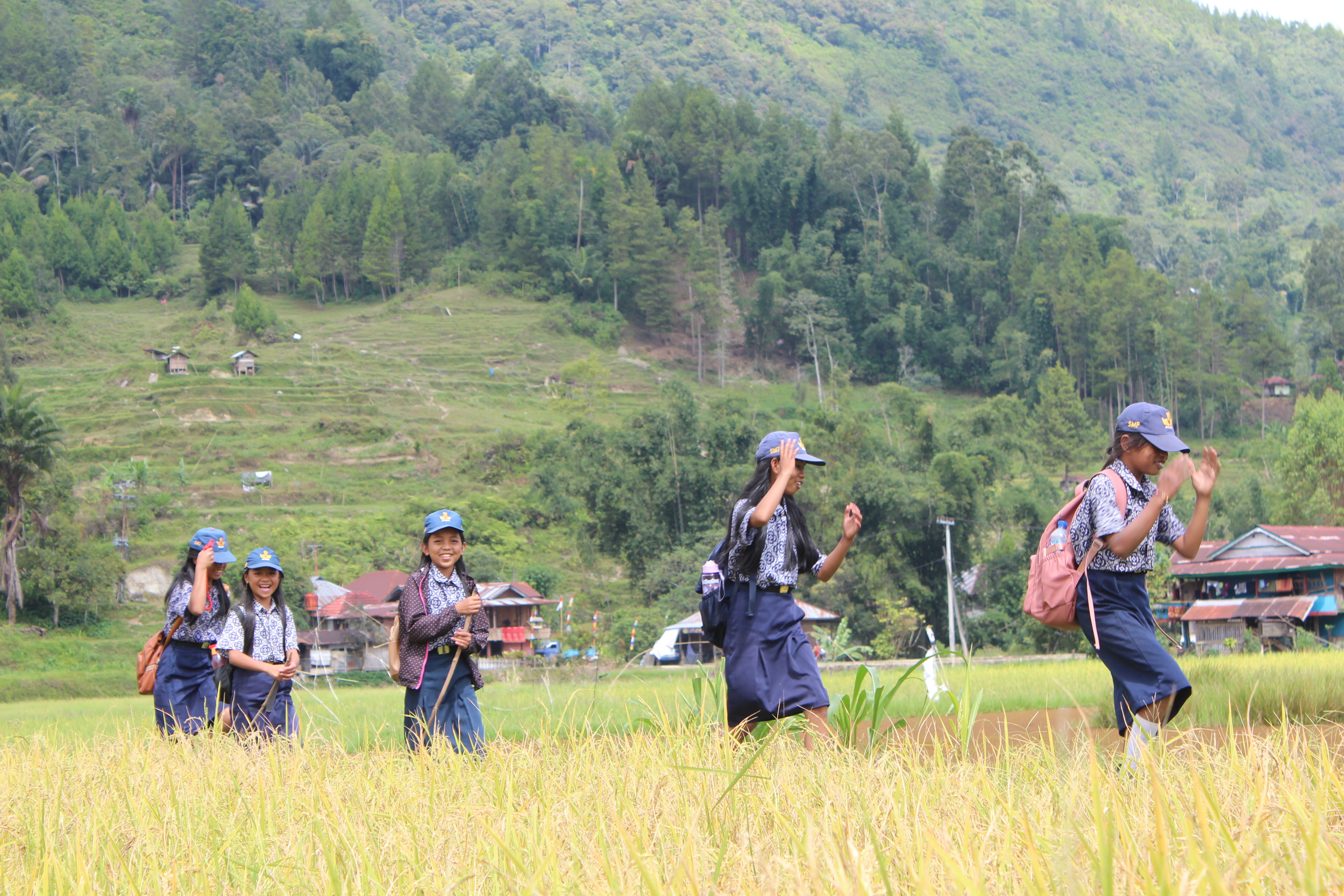
Gustin Tandirara (Toraja), from the Indigenous community of Baruppu’, is a proud member of the Tandirara clan and is dedicated to empowering Indigenous children through culturally grounded education. Since 2022, she has worked with elementary and junior high school students in Baruppu’ to strengthen their connection to their culture and history. Together with her peers, she co-founded Melada Sisola Baruppu’ ("Learning Together with My Friends in Baruppu’"), an Indigenous learning initiative that integrates ancestral knowledge with formal education to address the lack of culturally relevant learning opportunities available to Indigenous youth. The program's curriculum includes storytelling, oral traditions, traditional farming practices, and the preservation of the local language, helping students build cultural pride while strengthening the identity of the Baruppu’ community.
Baruppu’ is located in the northernmost part of the Toraja Indigenous territory in Indonesia. Most community members rely on farming for their livelihoods, and they speak a language unique to the region. However, much of the community's history and cultural knowledge was lost following a devastating war in 1880, leaving few written records of Baruppu’ traditions. Today, modernization and a national education system that largely excludes Indigenous histories continue to threaten the survival of cultural practices such as Pa'bussuk bamboo music and the traditional cultivation of Upe', an Indigenous crop with deep cultural significance.
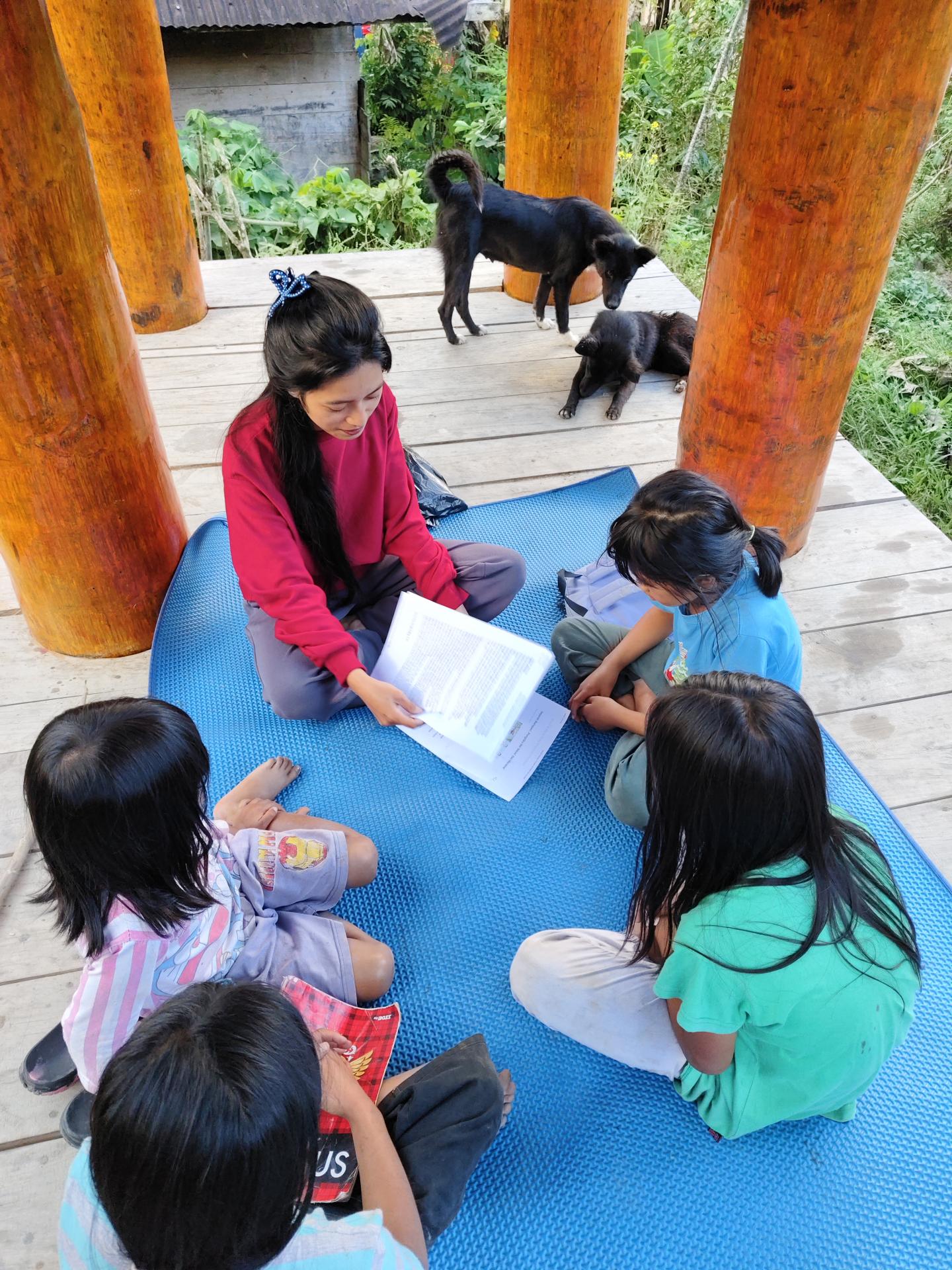
To help reverse the loss of Baruppu' history and traditions, Gustin expanded the work of Melada Sisola Baruppu’ through a fellowship project focused on revitalizing traditional agricultural practices, documenting community history, and strengthening cultural identity among Baruppu’ youth. Working alongside local Knowledge Keepers, she helped restore the community pond using traditional water management practices alongside modern techniques. The project also provided the community with a communal Tedong (water buffalo), a sacred and practical animal that plays a vital role in farming, transportation, and ceremonial life. In addition, students participated in hands-on training to learn how to cultivate Upe', reconnecting with an agricultural tradition that has sustained the community for generations.
A cornerstone of the project was the creation of a book documenting the history and culture of Baruppu’. Drawing on interviews with Elders, storytellers, and families, the publication preserves the community's history, oral traditions, folklore, and ancestral knowledge for future generations. Through these efforts, Gustin is helping recover cultural knowledge that was nearly lost while inspiring Indigenous youth to take pride in their identity and carry their traditions forward.