
For thousands of years, Indigenous physicians, healers, and knowledge keepers have developed highly sophisticated systems of medicine grounded in careful observation of the natural world, relational accountability, and intergenerational learning. These systems are not historical artifacts—they remain active, living frameworks of care that sustain the health and cultural survival of Indigenous communities. Yet, within many modern healthcare systems, their role is still minimized, misunderstood, or excluded, not due to a lack of depth or efficacy, but because they emerge from a fundamentally different way of understanding health.
Indigenous Knowledge-Based Medicine does not separate physical, emotional, spiritual, and environmental well being. These dimensions are inseparable. Across Indigenous Nations, health is recognized as dependent on balance within the individual, community, land, and spirit world. Healing is not limited to prescriptions or procedures and often takes the form of ceremony, plant medicine, storytelling, and collective care processes to address the underlying causes of imbalance rather than focusing solely on symptoms. The resilience of these systems is remarkable. Despite centuries of colonization and suppression of cultural practices, Indigenous medical knowledge has persisted, carried through oral tradition, embodied practice, and community responsibility. Each generation plays a role in safeguarding and renewing this knowledge, ensuring its continuity not as static tradition, but as living adaptation.
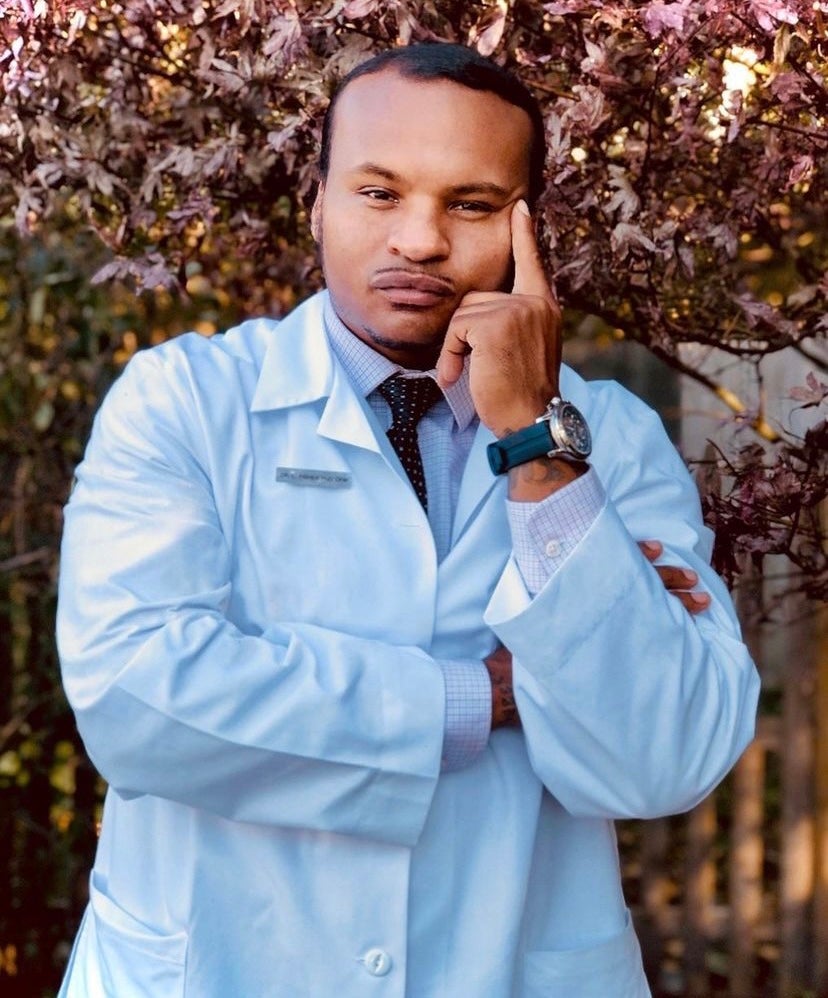
Dr. Larry Fisher, Founder of Nuketeam Research & Wellness Institute. Photo Courtesy of Nuketeam Research & Wellness Institute.
One of the newest such adaptations is Indigenous Medicine, led by Dr. Larry Fisher, Council Chief of the Mattakeeset Tribe, and the NU-ketam Research & Wellness Institute. This new framework integrates Indigenous Knowledge systems with scientific methods and is a relational system shaped by land, culture, biology, and spirit. His work is grounded in imaging science, functional medicine, and Indigenous theory. Another key innovation is the establishment of the Association of American Indian Practitioners Institutional Review Board, which governs ethics, research standards, and licensing for Indigenous practitioners. This structure is intended to support cultural integrity and scientific accountability. These efforts position Indigenous Medicine as a structured discipline that reconnects Indigenous Knowledge systems with modern health science while addressing long-standing health disparities.
Interest has grown in expanding the definition of clinical evidence to include culturally grounded approaches, sometimes described as community-based or “cultural clinical trials.” “Trials” do not fully capture the nature of these healing processes rooted in ceremony, tradition, and Indigenous methodologies. In Native communities, ceremony continues alongside contemporary care. Practices such as sweat lodges, talking circles, fasting ceremonies, and land-based healing programs are increasingly recognized for their impacts on trauma recovery, mental health, and community cohesion. Their effectiveness is not only biological, but relational and cultural, restoring connections overlooked by modern systems.
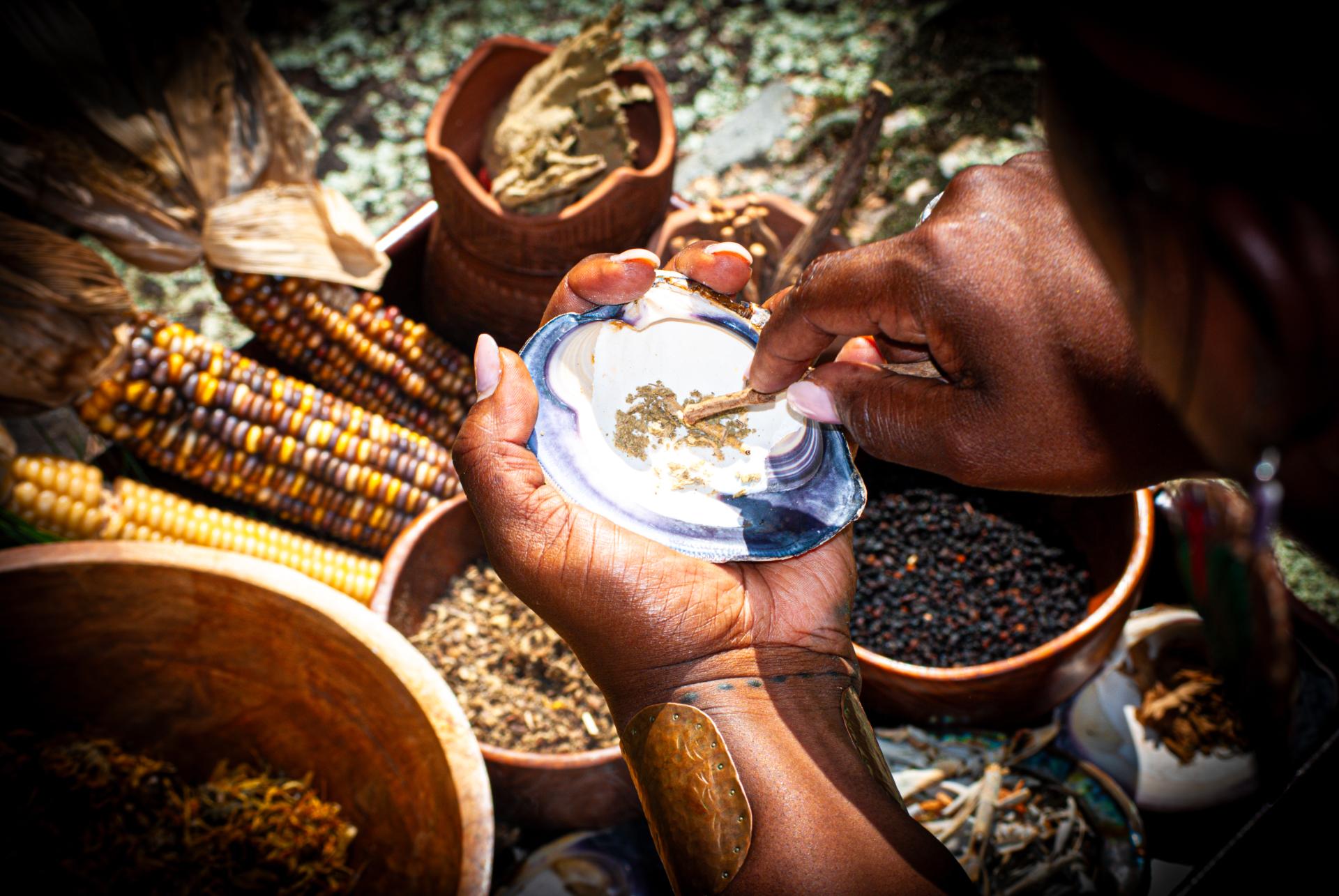
Herbal medicine is a deeply rooted and actively practiced system of knowledge. Medicines such as echinacea, elderberry, and willow bark are understood not only for their biochemical properties, but as part of a broader relational world where plants are considered relatives, teachers, and active participants in healing. This knowledge has been carefully preserved through direct engagement with the land, ceremonial practice, and ecological observation across generations.
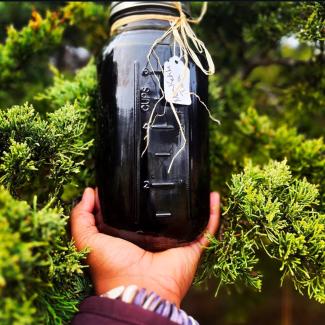
Indigenous-led initiatives, including contemporary expressions like Moskehtu Teas, which my company produces, demonstrate how this knowledge is evolving while maintaining cultural integrity. Indigenous plant medicine is not simply something to consume. It requires responsibility, correct identification, and an understanding of ecological relationships. Without context, these medicines risk being reduced to commodities, stripped of the knowledge systems that give them meaning.
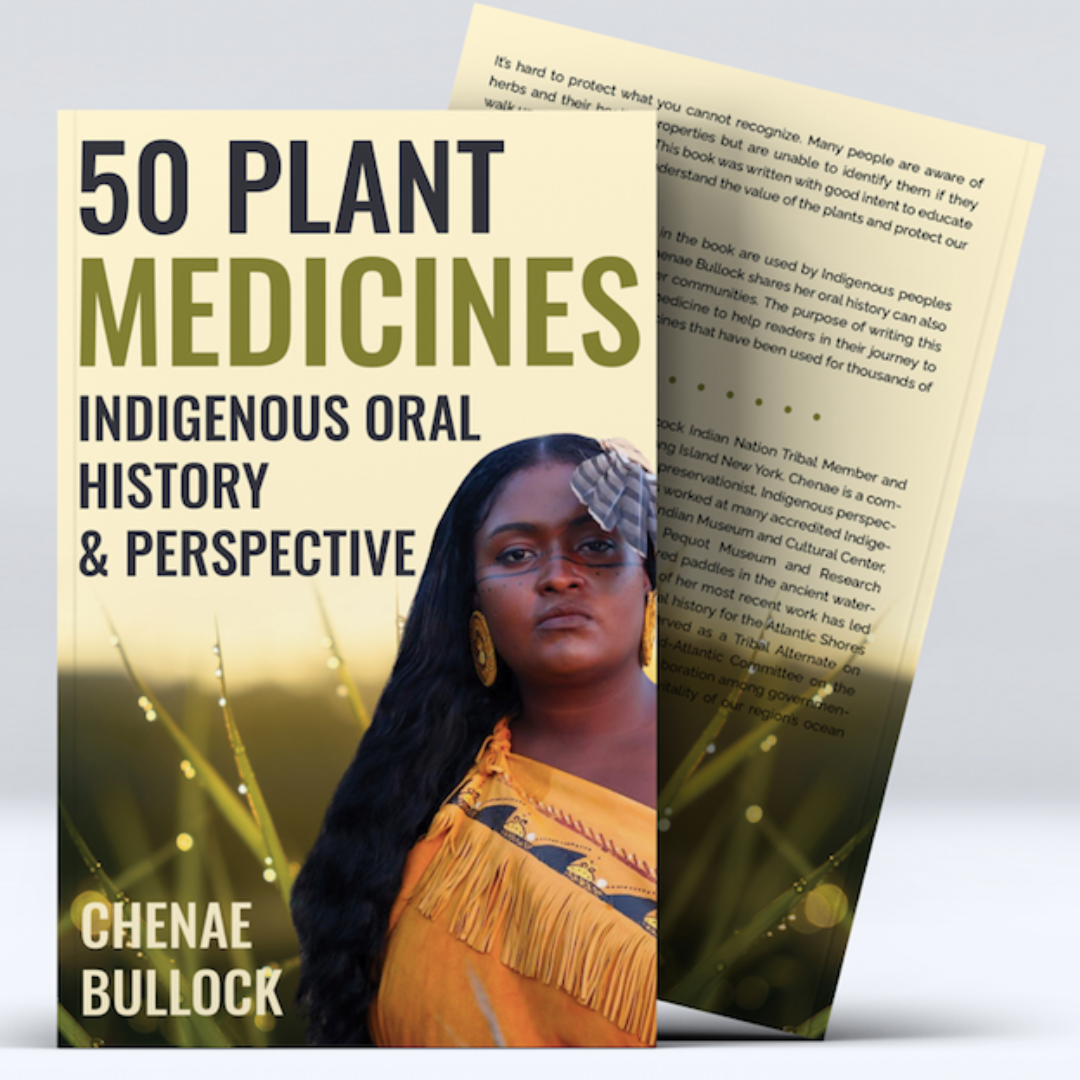
Learning must be relational. Participation in Indigenous-led plant walks, engagement with knowledge holders, and works such as my book, “50 Plant Medicines,” are essential pathways to understanding these medicines. In these settings, knowledge is not extracted; it is received through relationship, respect, and protocol. Indigenous plant medicine challenges the idea that healing can be reduced to chemistry alone. It understands medicine as simultaneously physical, spiritual, ecological, and cultural. While western science has increasingly validated the biochemical properties of many of these plants, Indigenous communities have long recognized their full relational and spiritual significance. These practices are not being rediscovered; they have remained continuously alive.
This broader worldview explains why western medical and psychological systems have struggled to fully address the spiritual distress experienced by Indigenous Peoples. Conventional frameworks have focused on individual symptoms rather than collective, historical, and spiritual causes of suffering. Our distress is rooted in ongoing and intergenerational harms, including forced removal from ancestral lands that disrupted spiritual relationships to place, boarding school systems that separated children from families, suppressed languages, and inflicted widespread abuse, the criminalization of ceremonies and spiritual practices that weakened traditional healing systems, systemic discrimination and violence across housing, healthcare, and justice systems, enduring grief tied to Missing and Murdered Indigenous People, and the erosion of language and cultural identity, to name a few factors.
Western psychological and biopharmaceutical models attempt to treat conditions such as depression, anxiety, or substance abuse in isolation from their historical and spiritual contexts, failing to fully account for the realities of Indigenous people. Indigenous approaches to recovery understand healing as a collective, relational process deeply tied to land, culture, and community restoration. This difference shows a broader shift in how the “evidence” in evidence-based medicine is understood. Western clinical trials prioritize isolated, measurable variables, whereas Indigenous approaches emphasize relational outcomes of restored balance, strengthened identity, and renewed connection to land and community. Increasingly, researchers are looking into documenting these outcomes without stripping their cultural meaning or reducing them to abstract metrics.
Some progress is emerging within standardized healthcare systems. Arizona, California, New Mexico, and Oregon have received federal approval through Medicaid waivers to recognize and reimburse traditional healing services, where Tribes determine what constitutes healing and who is recognized as a healer, marking an important shift toward Indigenous sovereignty in healthcare design.
While still limited, these developments signal a growing acknowledgment of Indigenous medical systems within public health frameworks, despite western biomedical models dominating policy, education, and clinical practice. This imbalance has real consequences: it can limit access to culturally relevant care, contribute to mistrust, and reinforce persistent health inequities among Indigenous populations. Meaningful integration cannot be symbolic. It requires structural change that supports Indigenous-led health institutions, protects Traditional Knowledge from appropriation, and creates pathways for Indigenous practitioners to operate within healthcare systems on their own terms. It requires a shift in perspective, from viewing Indigenous medicine as “alternative” to recognizing it as equal and foundational.
Where this shift is already taking place, the results are instructive. Indigenous-run clinics, land-based healing programs, and cross-cultural partnerships demonstrate that when Indigenous Knowledge systems are centered, healthcare becomes more responsive, humane, and effective. These models show that different ways of knowing do not need to compete; they can coexist in ways that strengthen both. Indigenous Knowledge-Based Medicine is not only about healthcare reform. It is about restoring balance in how knowledge itself is understood, challenging the assumption that scientific legitimacy belongs to a single tradition, and opening space for pluralistic understanding of healing. As global systems confront rising rates of chronic illness, mental health crises, and environmental disruption, Indigenous Knowledge offers practical, tested ways of understanding relationship, resilience, and care. The question is not whether this knowledge has value, but whether institutions are willing to make room for it.
Honoring Indigenous medical systems requires more than acknowledgment. It requires ensuring that Indigenous Peoples have the authority, resources, and respect to shape the future of healthcare. The benefits of Indigenous Knowledge-Based Medicine extend beyond Indigenous communities—they expand the possibilities of healing for everyone.
Chenae Bullock (Shinnecock) is the founder and CEO of Moskehtu Consulting, LLC.
All photos courtesy of Moskehtu Consulting.
Top Photo: Moskehtu Tea Jar. Photo by Moskehtu Consulting.
