By Mathias Tooko (Maasai, CS Fellow)
Climate change is no longer a distant warning for the Maasai people of northern Tanzania—it is an everyday reality. Droughts last longer, rains arrive unpredictably, and floods erode lands that once seemed unshakable. For a pastoralist community whose life and culture are deeply bound to cattle, pasture, and seasonal rhythms, these changes have created profound challenges. At stake is not only food security and livelihoods, but also the continuity of Traditional Ecological Knowledge that has guided generations in reading the sky, the land, and the animals to anticipate change.
As an independent investigative journalist working within Maasai communities, I had the privilege of participating in the Cultural Survival Indigenous Journalism Fellowship program, where I focused on the intricate relationship among Maasai Ecological Knowledge, traditional wisdom, and their profound resilience in the face of climate change. The Maasai, a People whose lives have been intertwined with the rhythms of the land for generations, are now confronted by a changing climate that challenges their very way of life. This assignment took me into the heart of Maasailand in northern Tanzania to three villages: Engaresero, Oloirien, and Ololosokwan. The purpose of this journey was to move beyond abstract data and scientific reports, and instead to listen directly to those most impacted.
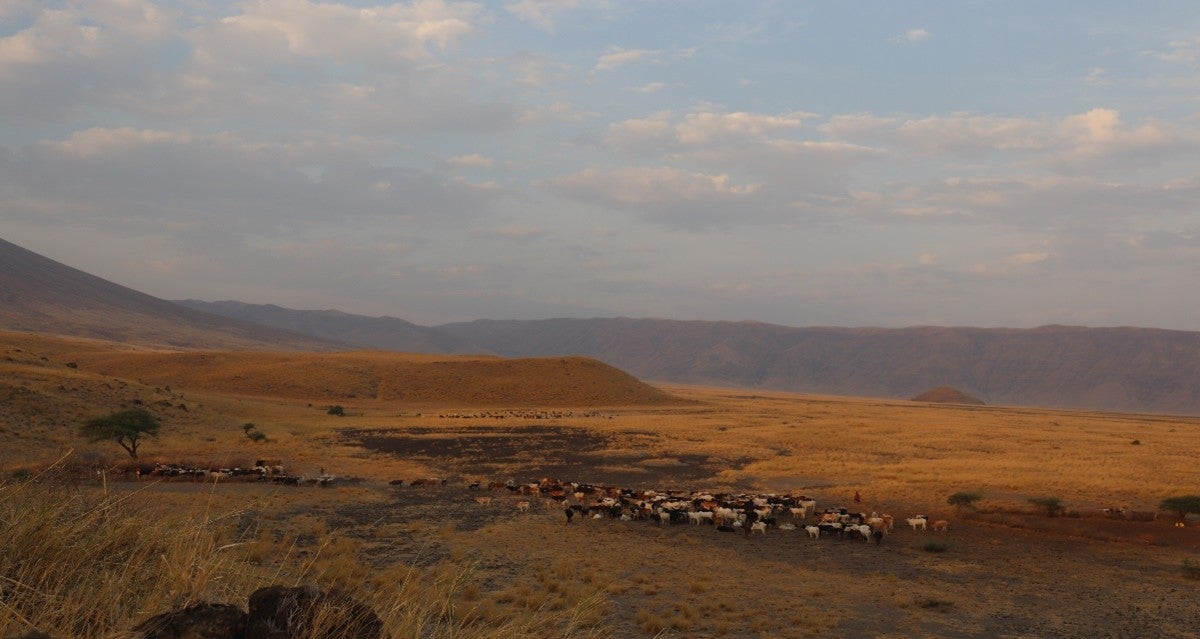
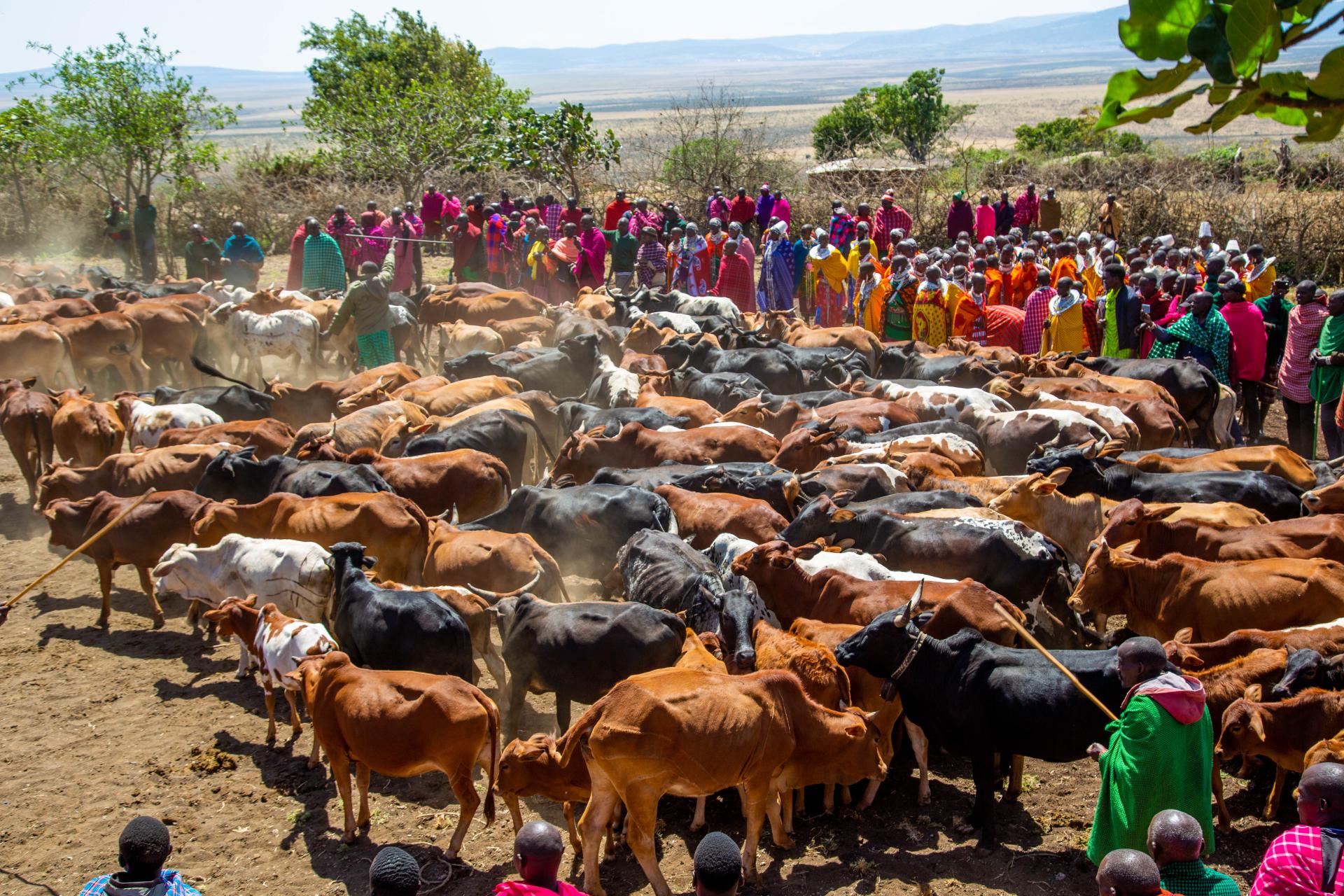
Maasai Livestock at dry season grassland at Engaresero Village in Northern Tanzania.
The Maasai have long been lauded for their deep understanding of their environment, relying on traditional indicators to predict weather patterns and guide their pastoralist lifestyle. However, as global temperatures rise and rainfall becomes more erratic, the reliability of these age-old signs is beginning to wane, forcing communities to adapt in unprecedented ways.
During my time in these villages, I conducted extensive interviews and engaged in conversations with key members of the community, including revered Elders, forward-thinking youth, and resourceful women. Each group offered a unique and essential perspective on the climate crisis. The Elders spoke of a changing world, a departure from the predictable cycles they have known since childhood, while the youth shared their fears and hopes for a future that requires new skills and solutions. The women, often the primary caretakers of families and keepers of household water and food, provided vital insights into the day-to-day struggles and innovative adaptations.
The testimonies that follow are a testament to the strength and adaptability of the Maasai People. They reveal a community that is not a passive victim of climate change, but an active participant in finding solutions. It is through their individual stories that we can truly grasp the human scale of the climate crisis and appreciate the urgent need to support Indigenous-led solutions.
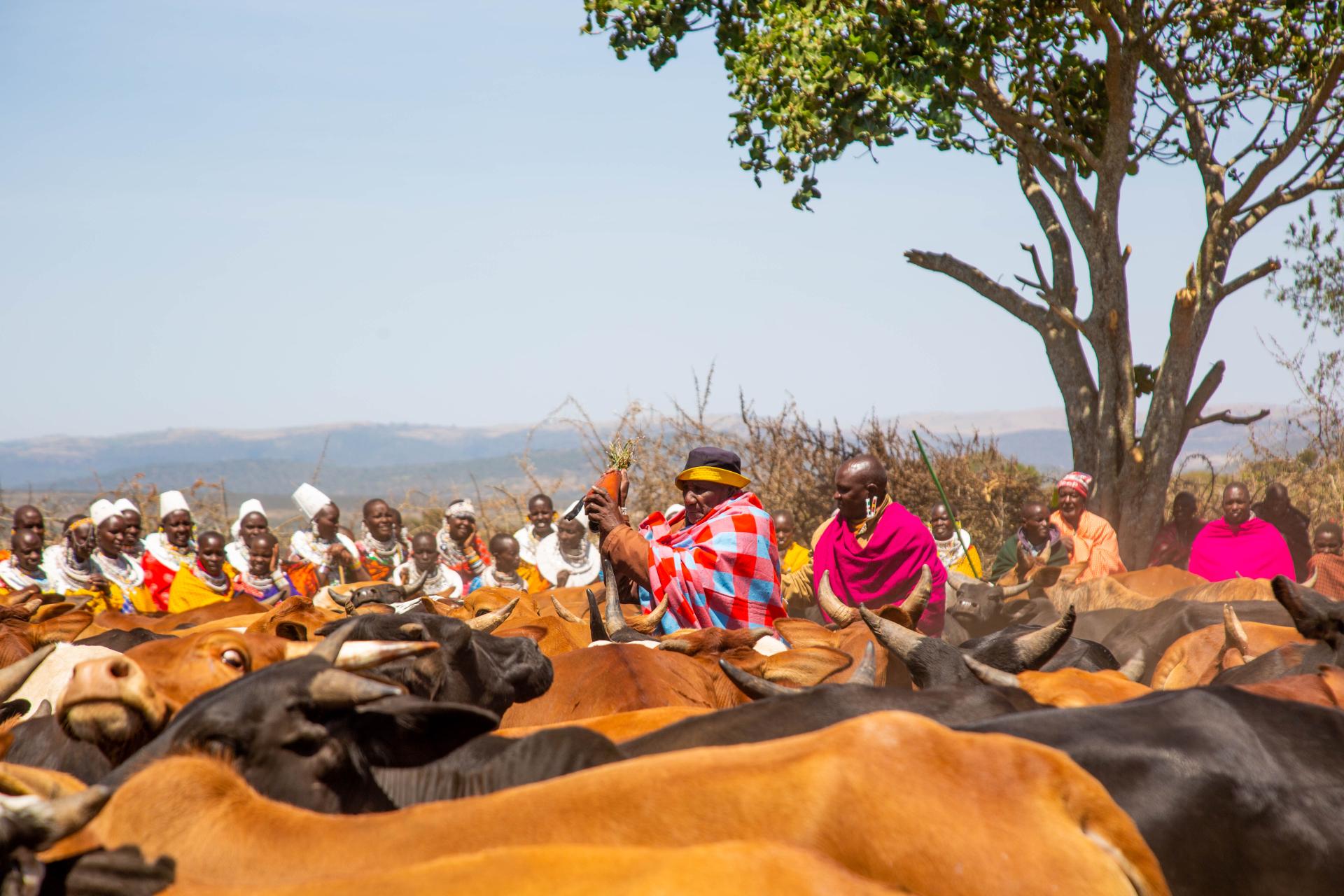
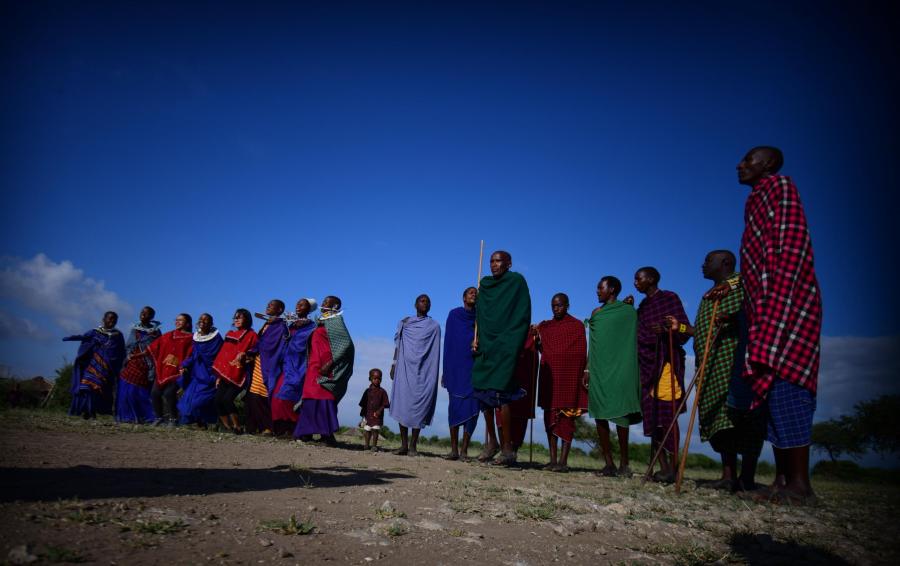
Maasai Elders performing cultural rituals as special prayers for rains after long dry season.
Elders and the Shifting Knowledge of the Skies
For the Maasai People, Ecological Knowledge has long been the backbone of survival. In a dryland environment where every decision about cattle, water, and movement can determine life or death, Elders have historically guided their communities using a refined system of observation. The braying of donkeys, the texture of dung, the flowering of trees, the chorus of birds, the shape of clouds, and the position of stars were not random signals, but a language—an intellectual system linking human life to the rhythms of nature.
Kiaro Tendeu, an Elder and newly anointed Maasai Chief, has long-lived Maasai Traditional Knowledge on nature, ecosystems, and climate. “Climate change is a factor beyond our control as Maasai pastoralists. In recent years, we are losing livestock in large numbers due to longer dry seasons and unpredictable diseases. At the same time, we now face floods and land erosion like never before. From my experience as an Elder, we once had multiple ways of predicting the weather. From these signs, we could tell how the climate would behave in the months ahead. With that knowledge, the Maasai could prepare—moving cattle, storing food, or planning our migrations,” he explains.
For Tendeu, Ecological Knowledge is not an end in itself, but the essential first step in a proactive and resilient strategy. It creates vital preparedness that mitigates risk, ensures food security, and protects livestock from droughts and diseases. These cultural intelligences are passed from generation to generation, and are lost over time as fewer young people engage with them. Climate change is not only causing soil erosion, drying of rivers, and death of livestock, but it is also eroding knowledge systems. Previously reliable bellwethers for navigating the seasons are now being challenged by a rapidly changing climate, leaving the Elders unable to accurately predict weather patterns.
Such circumstances reveal a deeper spiritual and cultural disruption that has created a profound sense of uncertainty. “Today, the younger generation is not using Ecological Knowledge, and it is becoming complicated to rely on this knowledge. I have personally observed that in recent years, the weather no longer matches the signs as we know from our Traditional Knowledge,” Tendeu says.
Even though climate behavior is, in some cases, confusing the Maasai worldview and the physical world around them, Elders like Tendeu are not ready to abandon their rich cultural heritage. Ecological Knowledge is not just practical; it is a core part of who the Maasai are, the identity of a People, and the values of a system. “We have relied on these intellectual systems for our survival as pastoralists, and they paid off,” Tendeu says. “This ancient and ancestral knowledge is part of our culture and identity as the Maasai community. It is my opinion that younger generations should integrate other means of prediction with these wisdoms so we may be able to plan our pastures and sources of water and maintain food security in the community.”
Tendeu recognizes that while Maasai knowledge is still valuable, it may need to be supplemented by new information, such as satellite data or more precise meteorological forecasts, to match with recent complications regarding weather prediction. This approach offers a hopeful path forward, one that honors cultural identity while embracing the practical innovations required to face a future defined by uncertainty.
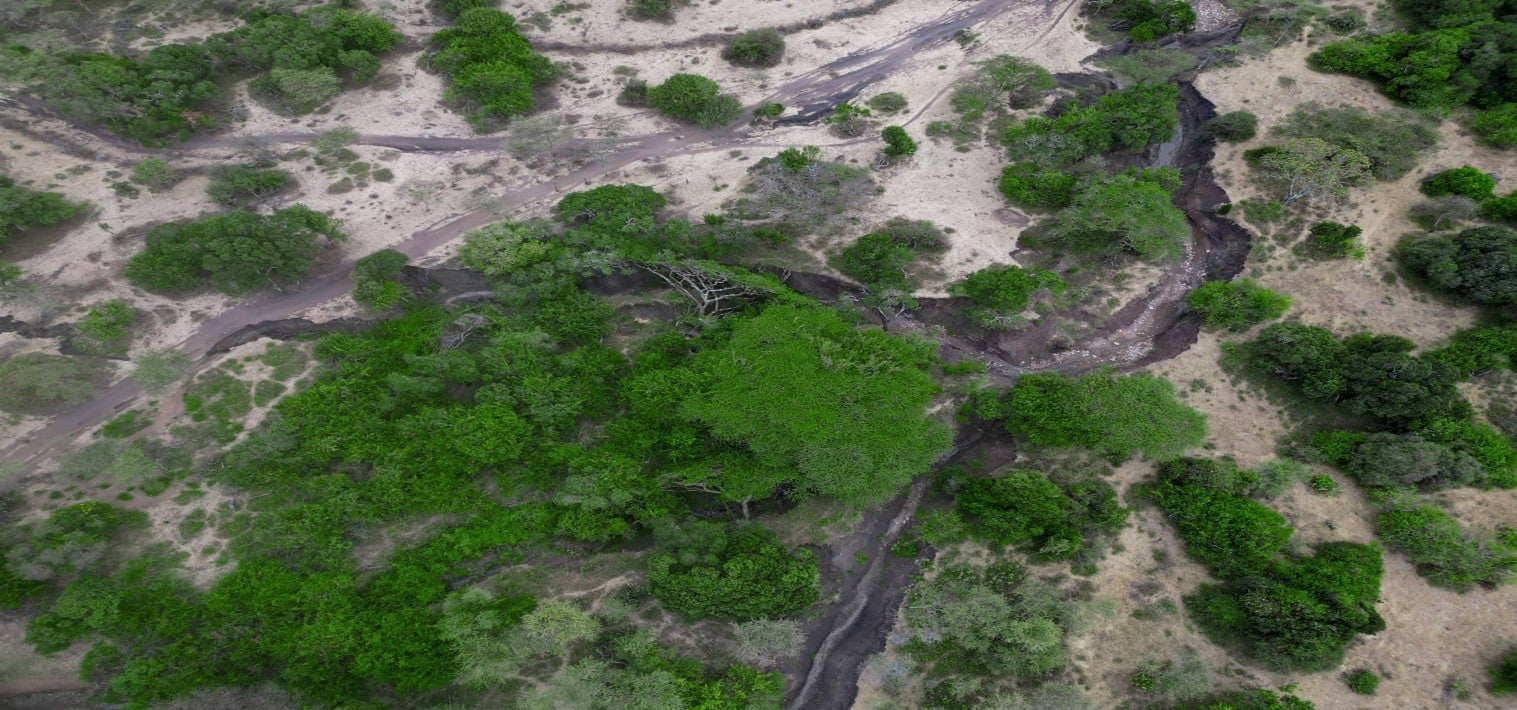
Soil erosion affecting Maasai Grassland in Northern Tanzania.
Maasai Customary Laws as a Form of Climate Resilience
Maasai climate resilience operates on multiple levels. Customary law and collective land management provide a framework for sustainable use of shrinking resources, demonstrating that cultural governance systems are not relics, but living tools for adaptation. Elders, long central to decision-making, are now playing a renewed role in guiding adaptation to climate change. Chiefs and Elders across northern Tanzania are drawing on the authority of customary law to regulate land use, grazing, and natural resource management. These traditional governance systems, once used mainly to prevent disputes over pasture and water, are being repurposed as a form of climate resilience.
At Oloirien Village, Chief Kaiki Ole Konerei elaborated on community mitigation strategies, the role of Elders, and collective efforts adopted by Maasai people residing in highland villages of northern Tanzania: “I think we really don’t know exactly what is causing these rapid changes. We Maasai people, have always been good at land planning and management. In order to adapt and mitigate the climate dynamics, we Elders are emphasizing and enforcing customary laws on proper utilization of our land—grazing, settlement, forest watching, and preservation of water sources. Since cattle and pastoralism are our economy and our cultural pillar, we are expanding pasturelands despite the fact that climate is also destroying landscapes, bringing invasive plant species, and causing abnormal land degradation through heavy floods and long droughts.”
Chief Konerei underlines a critical insight that while climate change disrupts natural cycles, it also reaffirms the importance of community-based governance by strengthening customary rules to reinforce cultural cohesion. Climate change is not solely an environmental challenge, but a test of cultural endurance, as it is pushing Maasai governance structures to evolve while remaining rooted in tradition.
Traditionally, Maasai identity has been bound almost entirely to cattle, with milk, meat, and hides forming the backbone of sustenance and status. Yet, under prolonged droughts and erratic rainfall, herds are shrinking, and households face food shortages. Survival demands flexibility among Maasai pastoralists that would once have been unthinkable. “In recent years, our people have been engaging in small-scale cultivation as an alternative for increasing food security to mitigate the changes. It is becoming difficult to depend totally on livestock because of longer dry seasons than usual. This is only possible for villages like ours, which are located in the highlands with fertile and arable soil,” Chief Konerei says.
Here, adaptation takes the form of diversification. While many lowland villages with volcanic soil, like Engaresero on the shores of Lake Natron, cannot cultivate crops, some highland Maasai are cautiously embracing farming as a supplementary livelihood. This shift illustrates a practical balance: pastoralism remains the cultural core, but cultivation offers a safety net when cattle alone cannot sustain families. The wisdom of Elders like Chief Konerei shows that Ecological Knowledge is not static, but adaptive, capable of responding to crises while safeguarding Maasai heritage and identity.
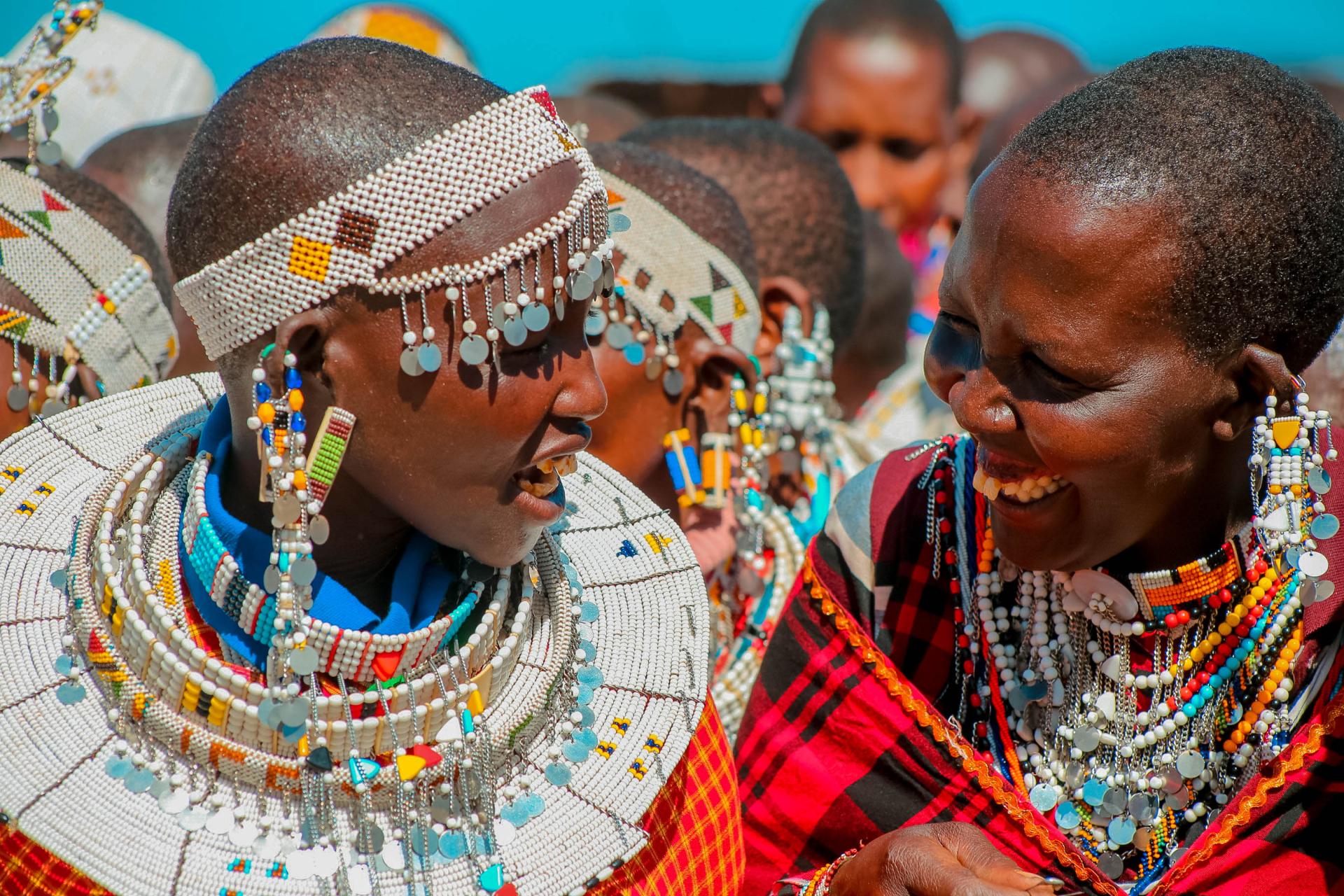
Maasai Women Under a Puzzle of Climate Change
Engaresero Village is nestled in the heart of northern Tanzania within the vast savannah plains, along the Great Eastern Rift Valley at the foot of the mighty Oldonyo Lengai—a sacred mountain for the Maasai. This is a territory shaped by the rhythm of seasons and the enduring resilience of its people. Like other Maasai regions, the communities in this village have adapted to the landscape's demands, guided by their intimate Ecological Knowledge of the land, weather, and livestock behavior.
Ms. Esupat, who is Chairperson of Women’s Justice Board at Engaresero, describes the traditional climate patterns there: “Our land in Engaresero is purely savannah—open, dry, and warm. We’ve always known two main seasons: the rainy season, usually from January to March, and the long dry season that takes up the rest of the year. That was our pattern, and our people lived by it.” But today, she explains, these patterns are no longer reliable. The landscape, already challenged by its steep slopes and sparse vegetation, does little to retain rainwater. As a result, both people and animals suffer greatly during the prolonged dry seasons.
“In the dry months, there’s hardly any water. Our land doesn't help much. When it rains, the water runs off quickly because of the slopes and lack of proper catchment areas. Rivers and streams don’t hold water for long, and we’re left struggling. So all the livestock—we’re talking about hundreds of cattle, goats, and sheep—end up crowding around the few permanent rivers that still flow,” Esupat says.
For Maasai women, climate change is not an abstract idea, but a lived, daily burden. Water, firewood, and food security fall largely under their responsibility, and longer and harsher dry seasons have intensified this weight. “Longer dry seasons are acute burdens for us, Maasai women. This year, our livestock had poor health conditions because of less water and shrinking pastures. We cannot get milk or meat as the primary food for our households. Even when we sell our cows, sheep, or goats, the prices fall to their lowest. As women, we are forced to push ourselves to the limit to ensure food availability for everyone—Elders, children, and all household members—because that is our cultural responsibility.”
Women in Engaresero are even taking on entirely new forms of labor to compensate for the collapse of their traditional food sources, resulting from unstable seasons—including activities once dominated by men or avoided altogether. “As part of resilience, women are forced to work in more physically demanding activities than ever before. In recent years, our women are mining salt and carbonate from Lake Natron and carrying them, sometimes on our backs or using donkeys, to selling points along the main road for tourists and local travelers. In good rainy seasons when we had milk and other dairy products to feed households and support business, we would not do this hard work,” Esupat says.
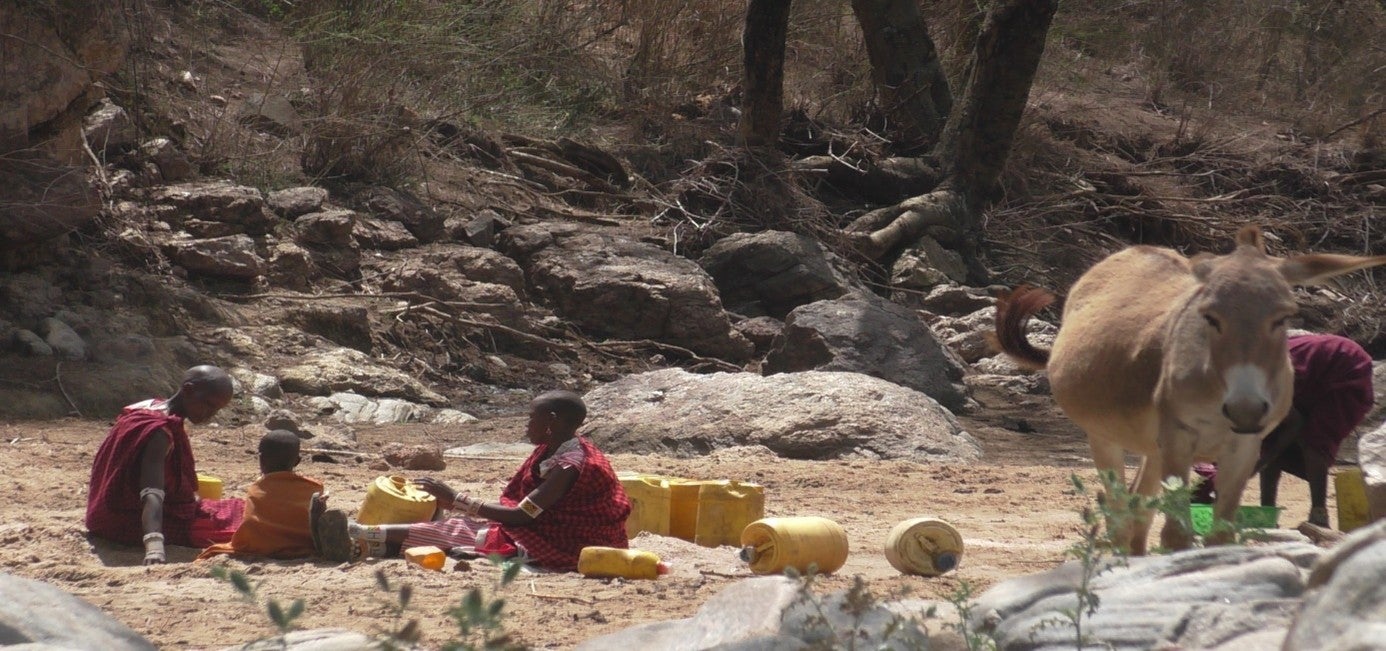
At Oloirien Village, women fetching water from dried river as they did out the sand to get water for households and livestock.
Youth and Climate Leadership
While the impacts of climate change affect everyone, Maasai youth are feeling its effects most deeply in their cultural life and very sense of identity. For example, the transition from boyhood to warriorhood is one of the most important stages of Maasai life, marked by ceremonies, songs, and long months of communal living in special homesteads known as Emanyata. One youth Maasai leader, Mr. Kiambwa from Olorien Village, says that he and his peers missed out on many of these cultural ceremonial moments as a result of prolonged droughts and longer livestock migrations that disrupted these processes, leaving them adrift in both tradition and responsibility.
“Climate change is affecting our worldview as a Maasai generation,” Kiambwa says. “For example, during my initiation period—the transition from boyhood to Maasai warrior—I felt like that period was cut short because of longer droughts. We were forced to migrate with our livestock in search of pastures and water. This was a period I was supposed to learn a lot about Maasai cultural heritage. Even our Emanyata boma, which was supposed to last up to eight months, was cut short to half its length due to the same factors linked to a lack of water and prolonged droughts. I did not feel settled in many areas as a Maasai warrior. We could not participate in most of the cultural singing, ceremonies, and entertainment, which are basic responsibilities of Maasai warriors and the main ways of learning cultural heritage.”
Kiambwa’s reflection reveals a deep sense of loss as climate disruption shortens the cultural apprenticeship of young men, weakening the transmission of oral traditions and communal knowledge that have held the Maasai together for centuries, while pushing families into poverty due to weakened livestock from drought and disease. In these cases, young men find themselves searching for alternatives far from home and are becoming more detached from their cultural heritage and lifeways. “Many of my peers have escaped to urban towns, especially in Kenya, in search of informal jobs to support their families. Climate has deprived young Maasai of our right to learn, to settle, and to inherit our ancestral lifestyle, customs, and traditions,” Kiambwa says.
However, out of these challenges, new forms of resilience are emerging among Maasai youth. The disruptions are shaping a generation of Maasai warriors to step into leadership roles not only as cultural custodians, but also as climate actors. Across villages like Oloirien and Engaresero, young men are supporting communities by enforcing customary laws on land management, forest protection, and water source conservation. Their roles now extend beyond tradition into environmental stewardship. Another Maasai youth, Kisoombe Parshuku, explains how young generations are stepping up to support communities in climate mitigation strategies:
“In the past, Elders were mainly responsible for enforcing laws on land management and protection of forests and water sources. But we youth are taking on more responsibilities. For example, some of us use smartphones and radios to get scientific information on climate and advise the community while integrating this information with traditional weather prediction systems. Also, in our village, we have formed youth boards that are principally responsible for enforcing laws passed by the council of Elders. This is to ensure that the pasturelands that are allocated for grazing in dry seasons are observed.”
With access to smartphones and community radios, Maasai youth are finding ways to blend Ecological Knowledge with scientific forecasting. They monitor seasonal changes through traditional signs, such as animal behavior and star positions, and through radio weather reports and climate alerts accessed on mobile phones. As the youth improve in integrating these systems, they are able to advise communities on climate predictions, alert them to potential risks, and propose mitigation strategies.
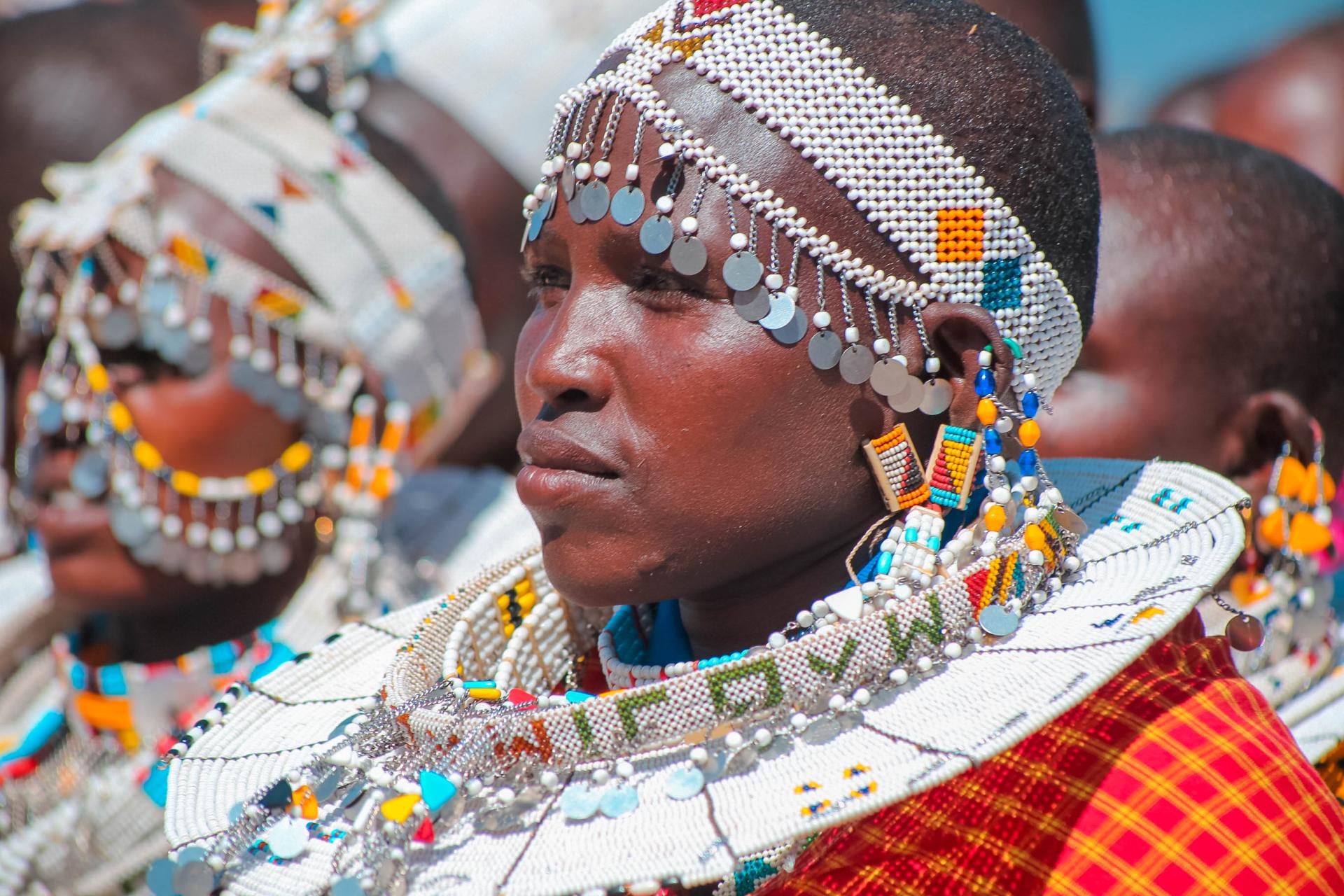
Girls and Young Women: Bearing the Silent Burden of Climate Change
While boys and young men face disrupted cultural pathways due to climate change, Maasai girls are carrying an even more complex set of burdens. Their lived experiences reveal how the climate crisis intersects with gender-based inequalities, amplifying vulnerabilities that already exist within patriarchal systems—one of the most complex being among the Maasai. Naropili Parmwaat, a 20-year-old from Olosokwan Village, shares her experience: “My responsibilities as a woman are complex. For example, we get firewood and water for households from longer distances, sometimes carrying them on our backs or using donkeys. It is very hard for girls and women to maintain their personal hygiene, especially during their menstrual periods. Also, in some cases, due to poverty and shrinking livestock, our parents do not prioritize education for girls. Instead, they give girls for marriage in exchange for bridegroom wealth, mostly in terms of cows.”
Parmwaat cites child marriage as a direct example of a climate-induced coping strategy, as families facing livestock losses or hunger see marrying off their daughters as a way to secure wealth and ease household expenses. Another critical gendered dimension of climate change is less visible to the community: water scarcity means that girls struggle to maintain basic health and hygiene. This often leads to school absenteeism, reinforcing cycles of inequality. When climate change reduces water availability, it does not simply affect livestock and crops. It strips women and girls of their right to dignity, privacy, and bodily autonomy.
However, despite the numerous challenges posed by climate change, testimonies from villagers in Engaresero, Oloirien, and Ololosokwan serve as a powerful and urgent reminder of the human face of the climate crisis. The Maasai People are not merely passive recipients of environmental change; they are active innovators adapting their lives with a profound understanding of their land. By weaving together the ancient wisdom of their Elders, the forward-thinking pragmatism of their youth, and the essential day-to-day resilience of their women, the community is forging a new path forward.
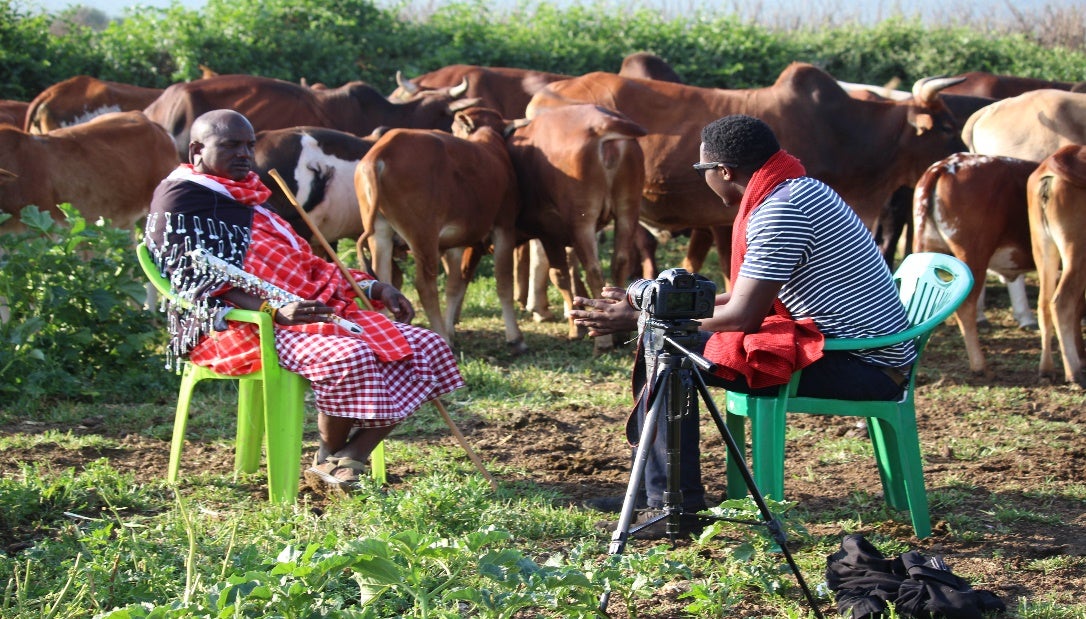
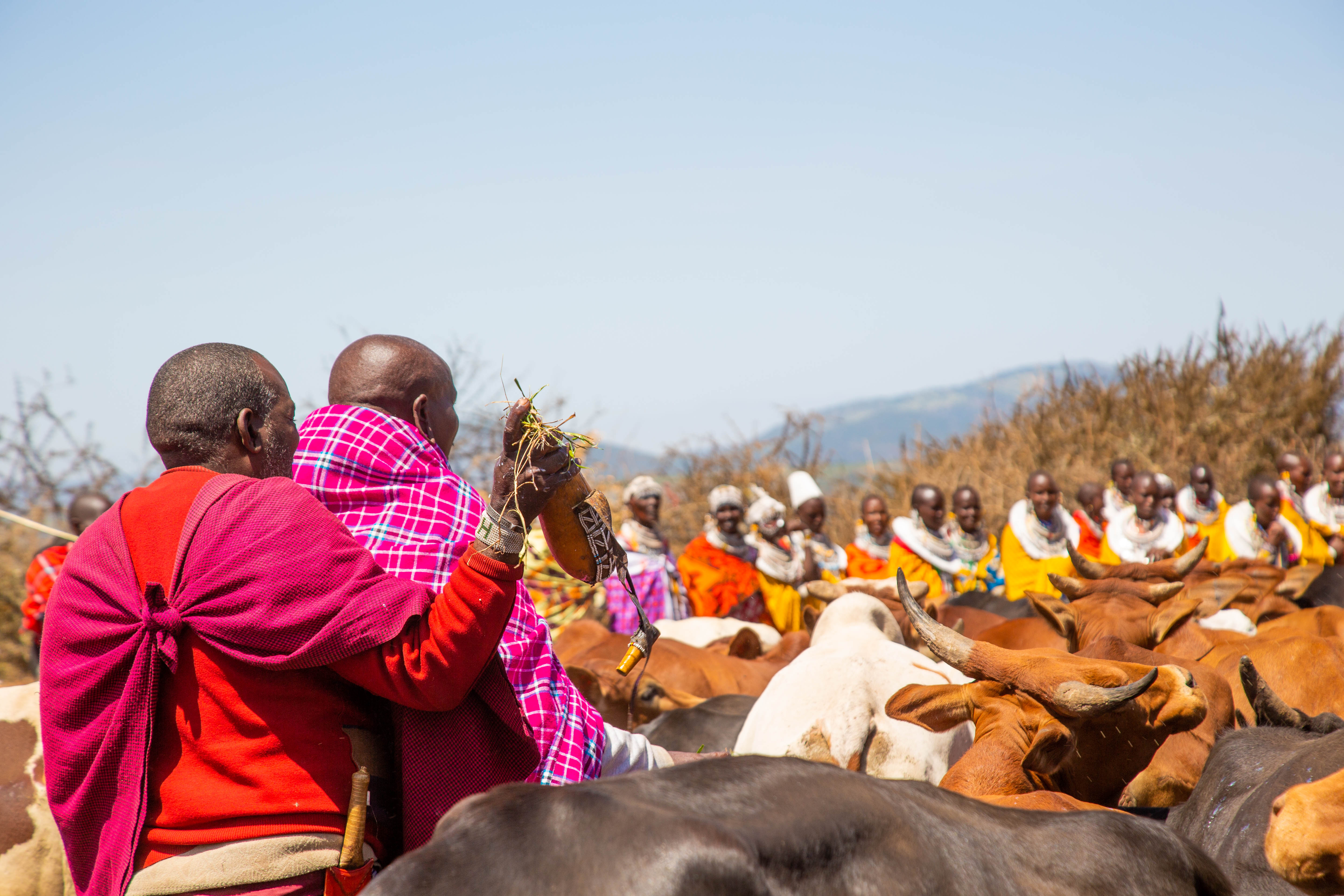
Mathias Tooko interviewing a Maasai Traditional Leader during his fellowship.
This journey through Maasailand has shown that true climate adaptation is not about abandoning tradition, but about building on it. The fading reliability of traditional weather signs has spurred a collective response rooted in a deep respect for the past and a clear-eyed view of the future. The Maasai are demonstrating that Indigenous Traditional Knowledge systems, far from being relics of a bygone era, are vital, living tools for survival and sustainability in an unpredictable world.
As this fellowship project concludes, it is clear that the global conversation on climate change must give a central platform to the voices of Indigenous Peoples. Their experiences hold invaluable lessons for us all. The Maasai’s story is a testament to the strength that comes from community, the wisdom that flows through generations, and the urgent need for external support that empowers, rather than dictates, local solutions. It is through amplifying these voices that we can foster a more resilient, equitable, and sustainable future for all.
--Mathias Tooko (Maasai) is a journalist and storyteller from a community in northern Tanzania. He is a 2025 Cultural Survival Indigenous Journalism Fellow.
Top photo: Maasai livestock at dry season grassland at Engaresero Village in Northern Tanzania.
All photos by Mathias Tooko.