By Byron Tenesaca (Kichwa Kañari, CS Staff)
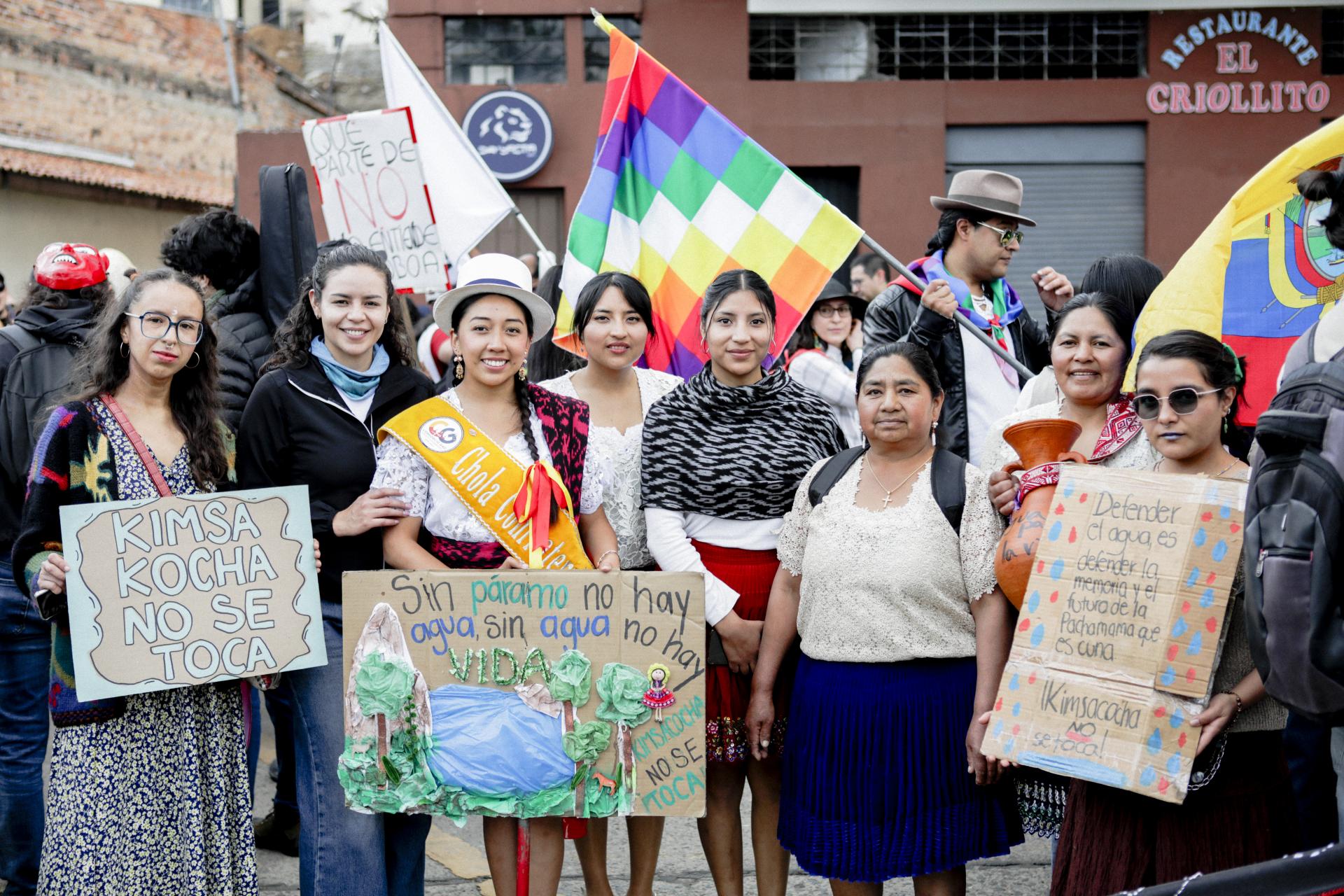
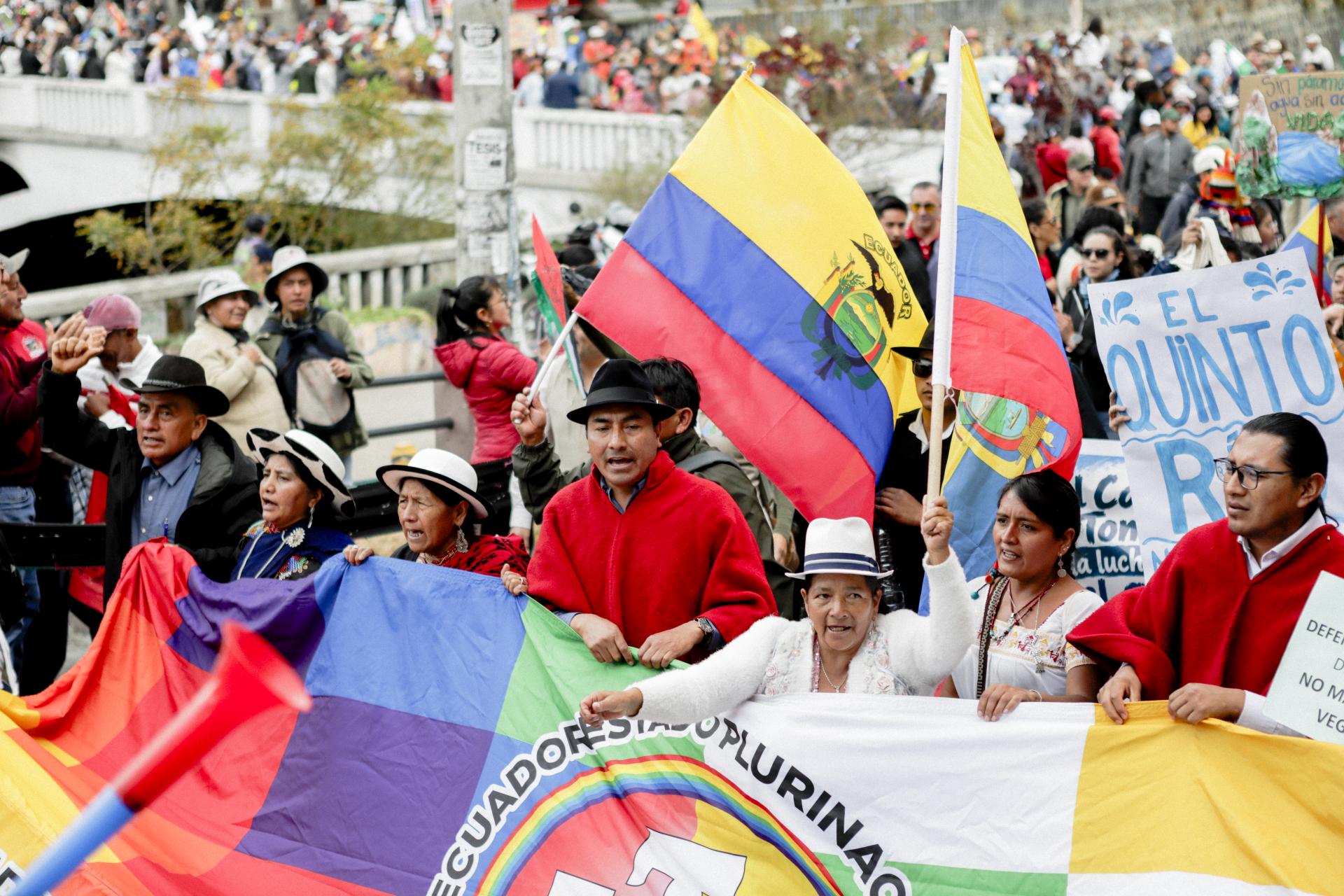
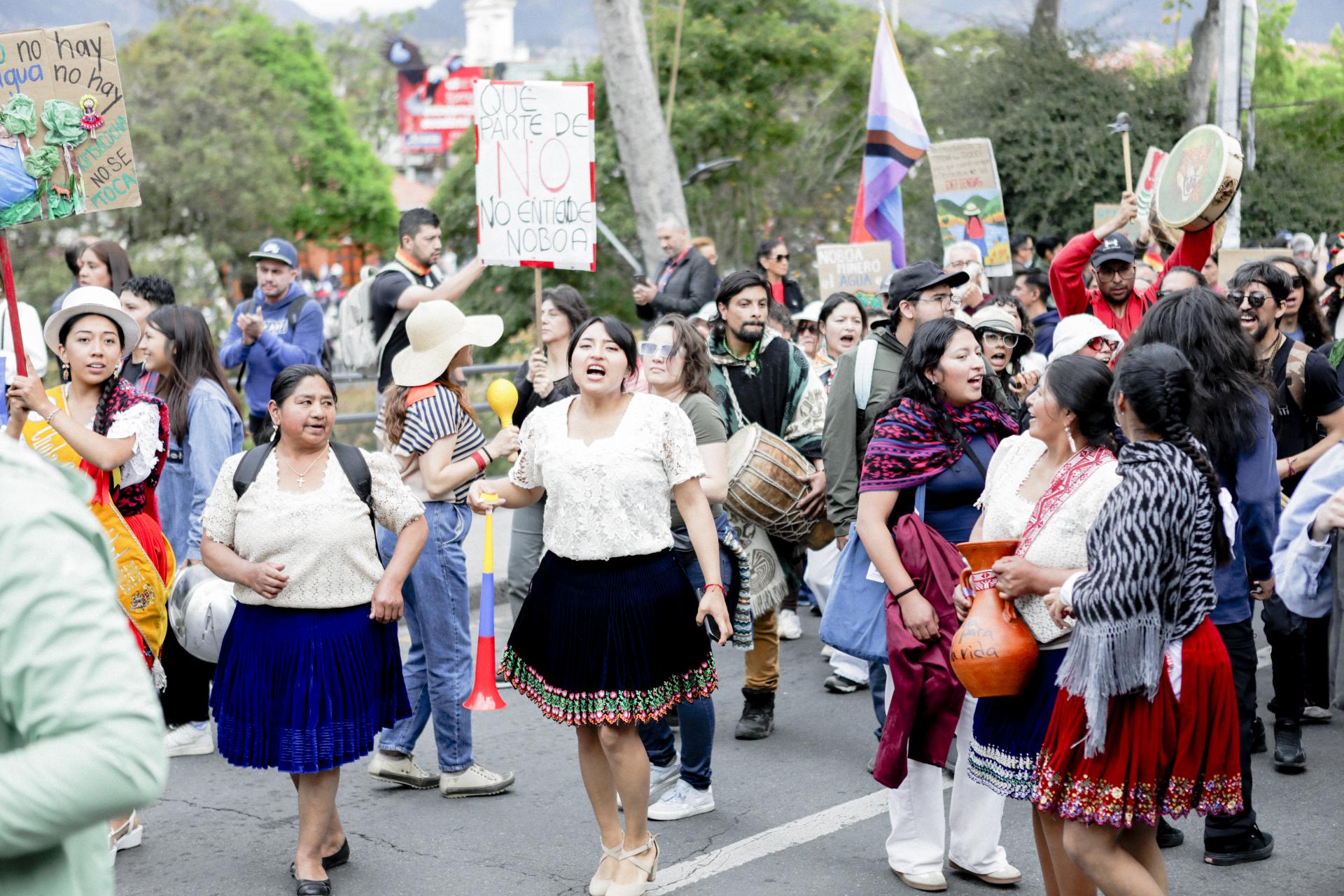
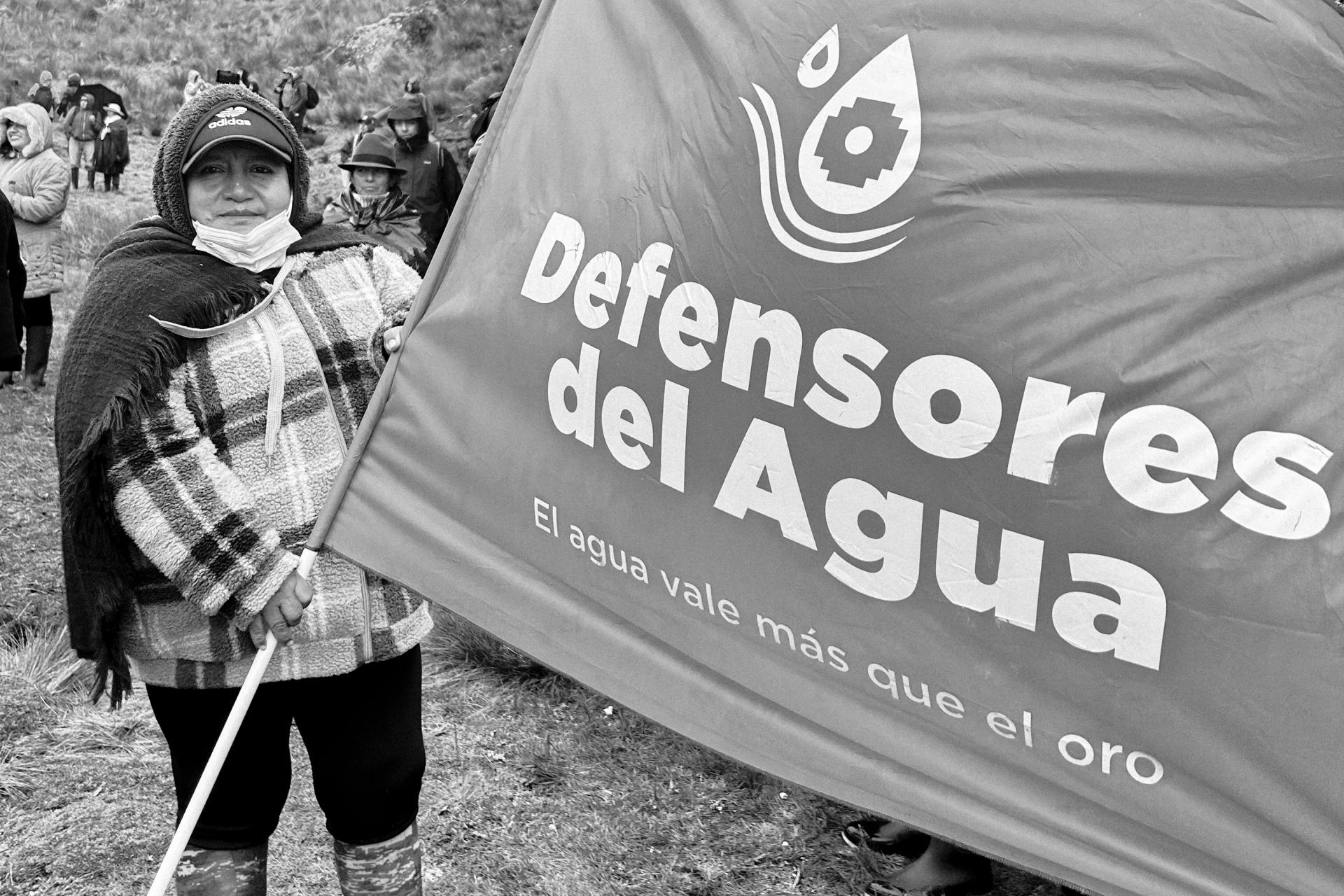
In the Andes of southern Ecuador, Indigenous women, youth, and community organizations once again took their territorial defense to the streets of Guapondelig (Cuenca) with their flags, signs, voices, and bodies and with a clear message: water must be protected.
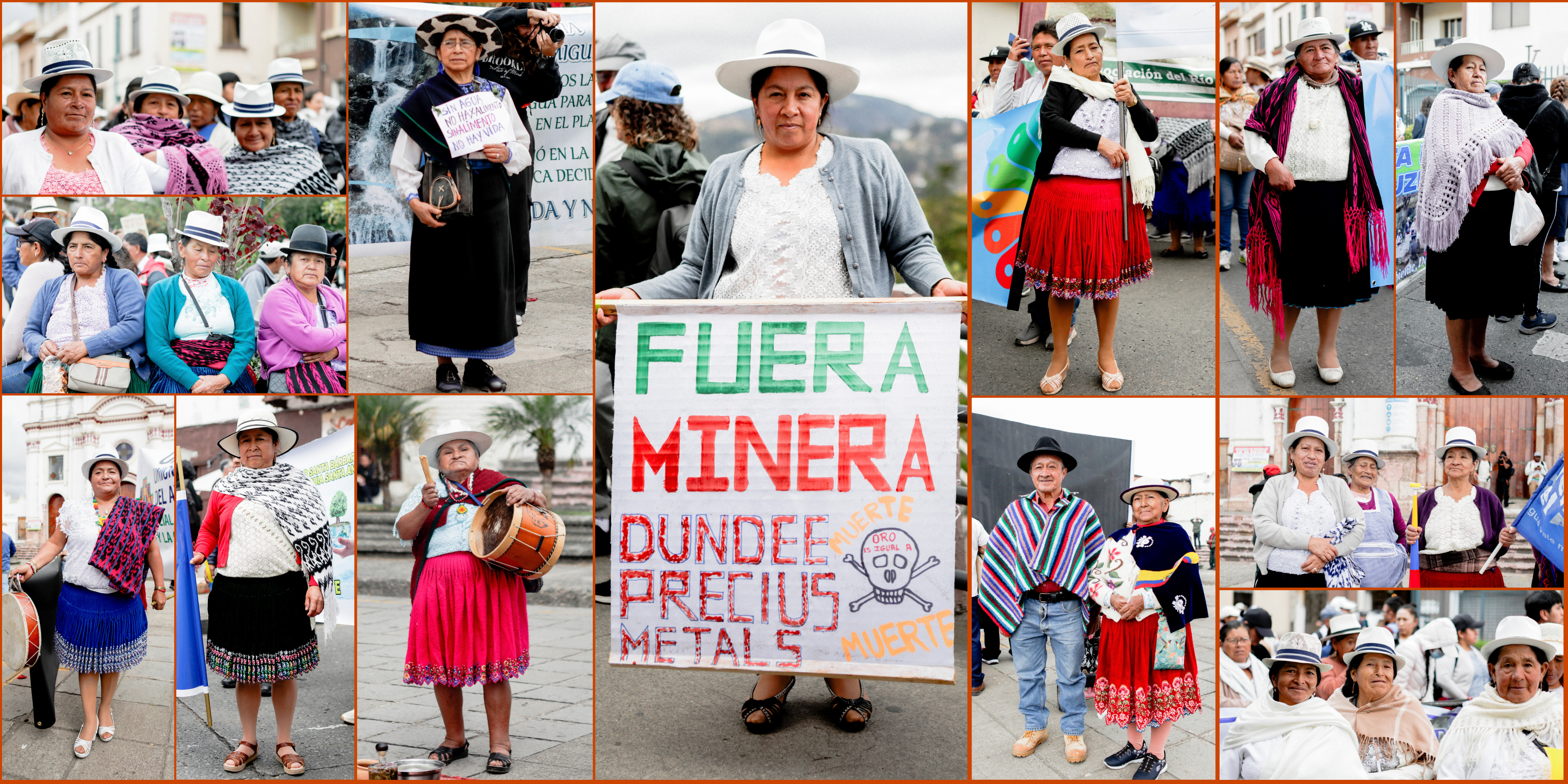
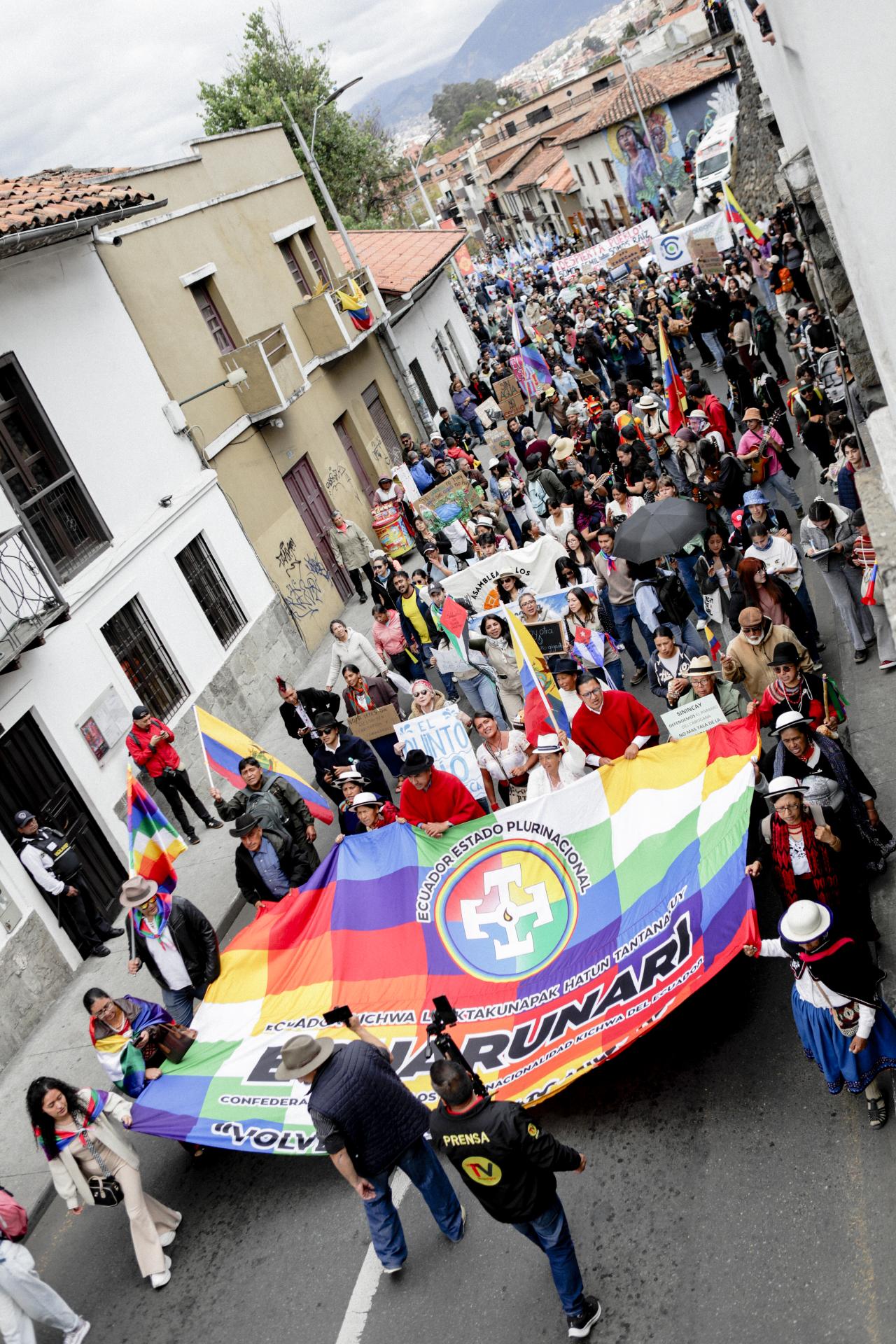
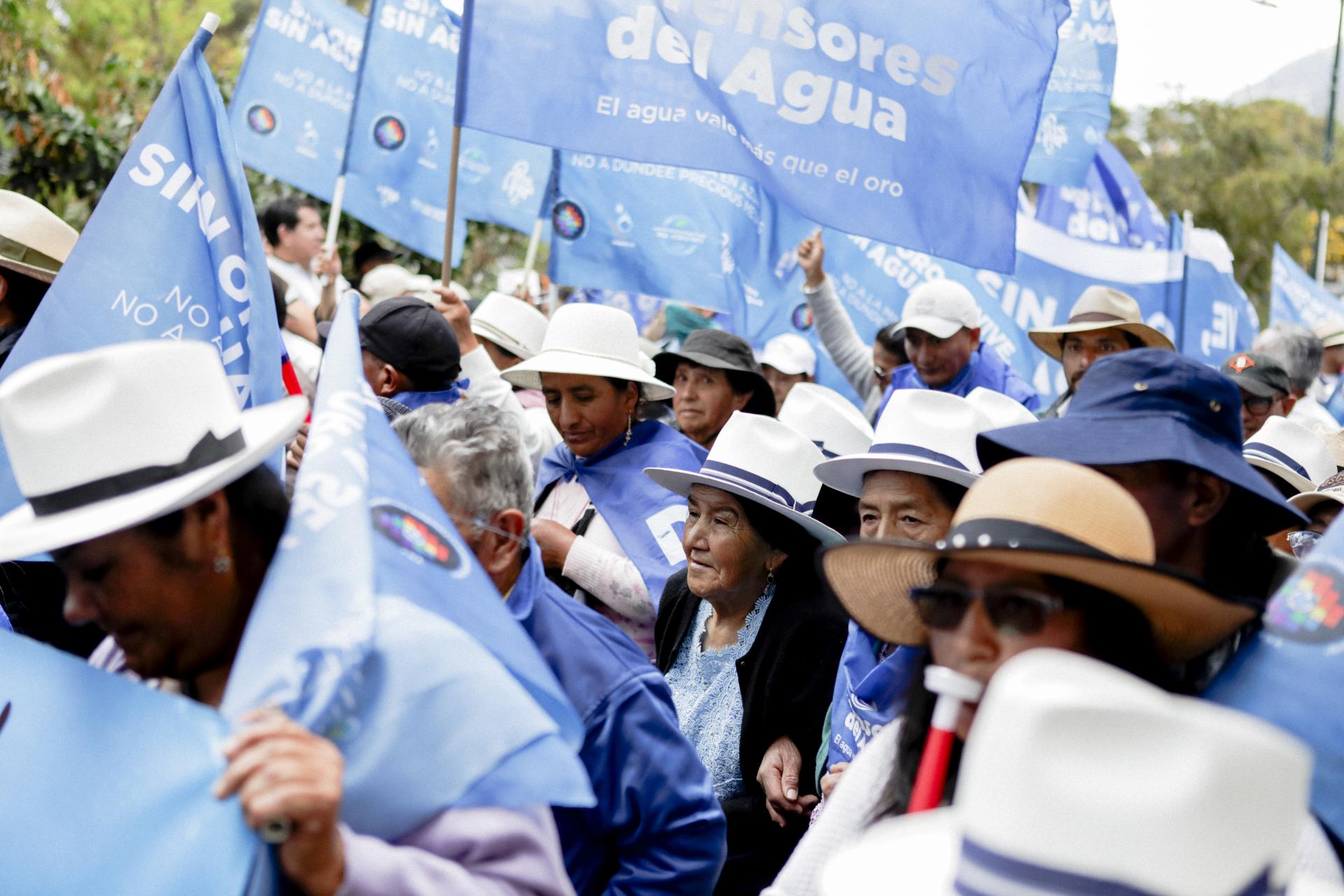
On September 16, 2026, hundreds of community members, Indigenous and campesino organizations, students, environmental groups, and residents gathered in Cuenca for the second Quinto Río (“Fifth River”) March in defense of water and the páramos. The mobilization came one year after the first Quinto Río, which brought an estimated 100,000 people into the streets, drawing national attention to concerns about mining in the Kimsakocha páramo and the Loma Larga Project.
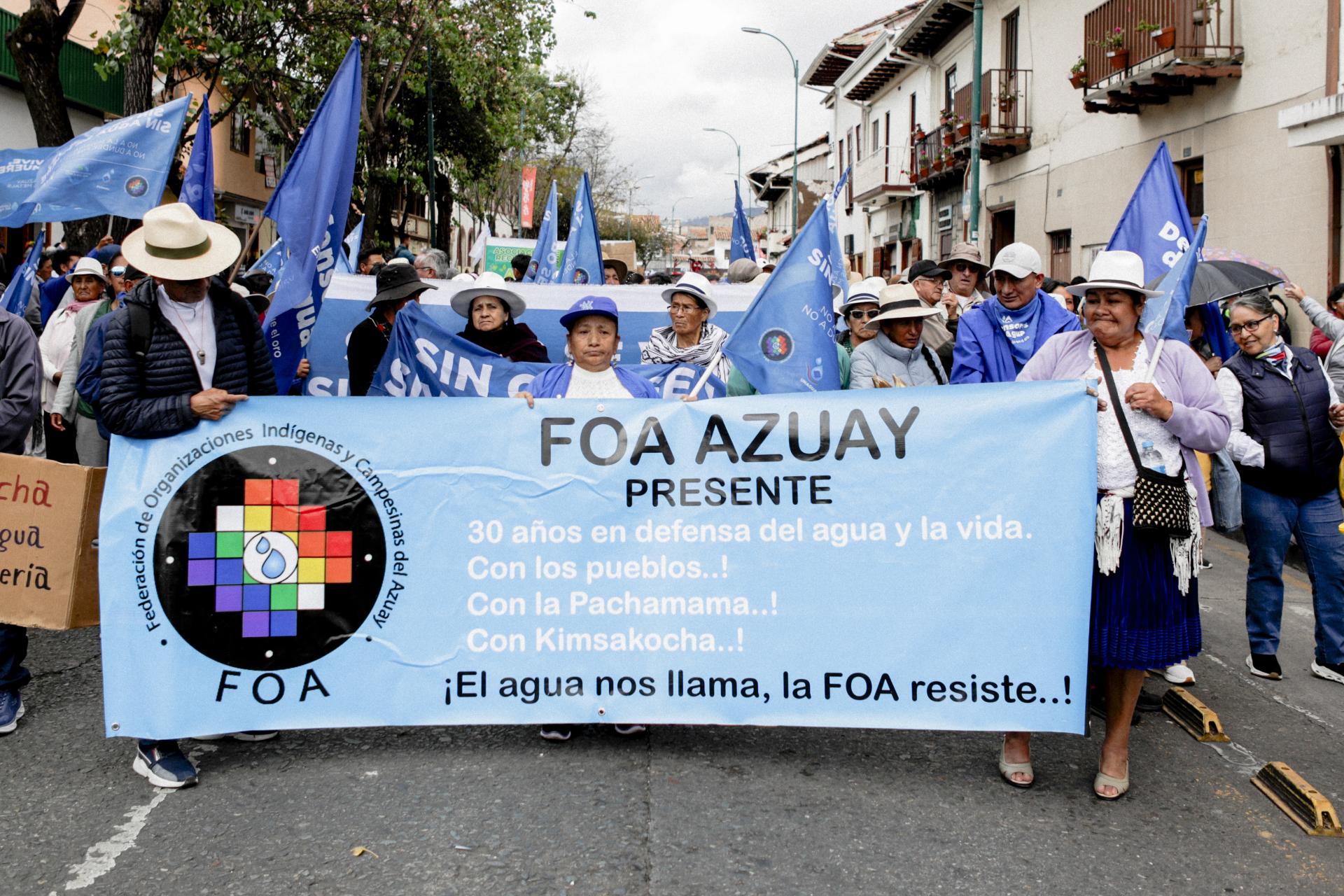
Cuenca is known as the city of four rivers. But for the people who came from the surrounding mountains, the name Quinto Río carries another meaning: when rural communities come together to defend water, people themselves become a river.
Where the Water Begins
To understand why people continue to march, it is necessary to travel beyond the city and into the rural communities close to the paramos, where the water gathers to flow downstream.
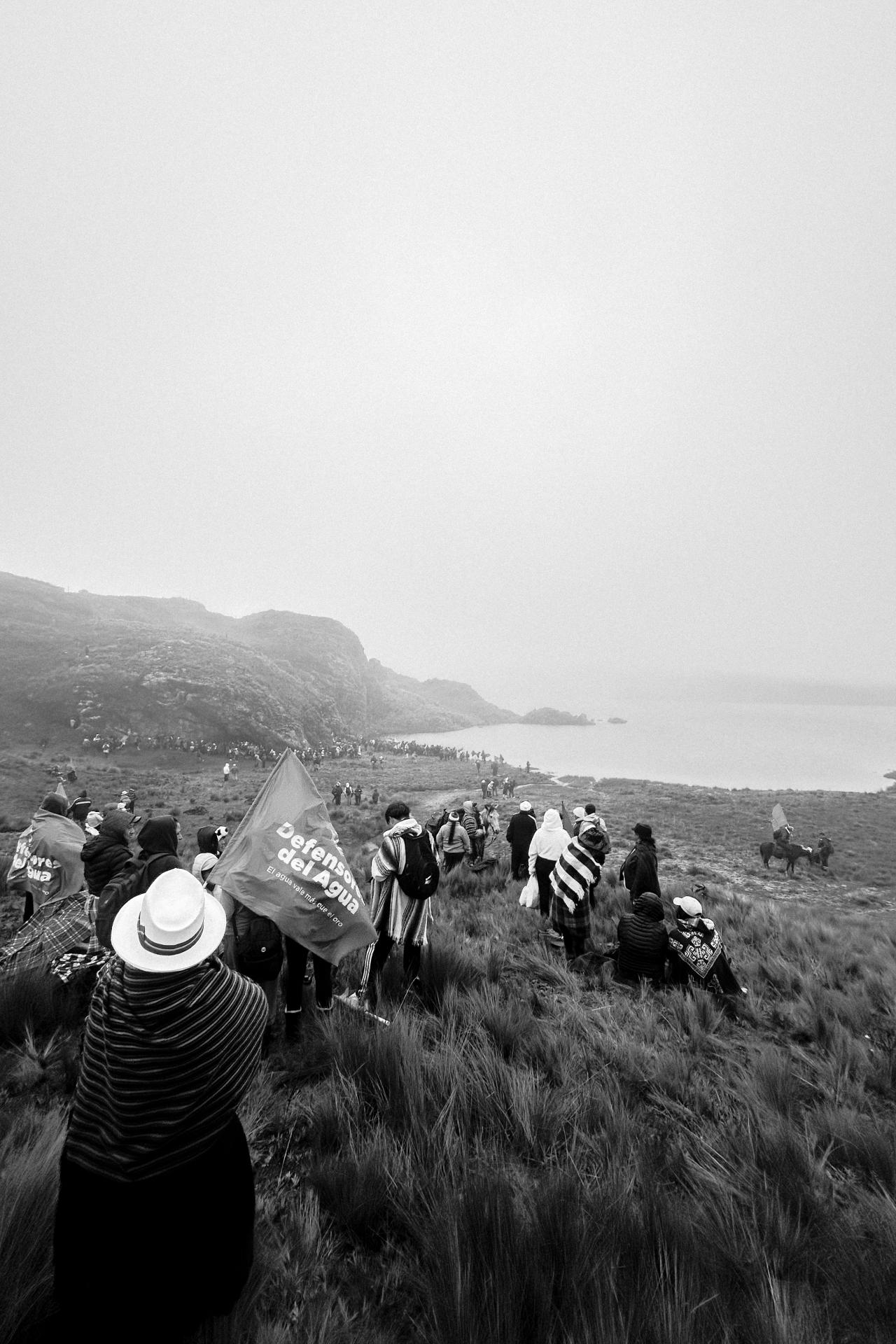
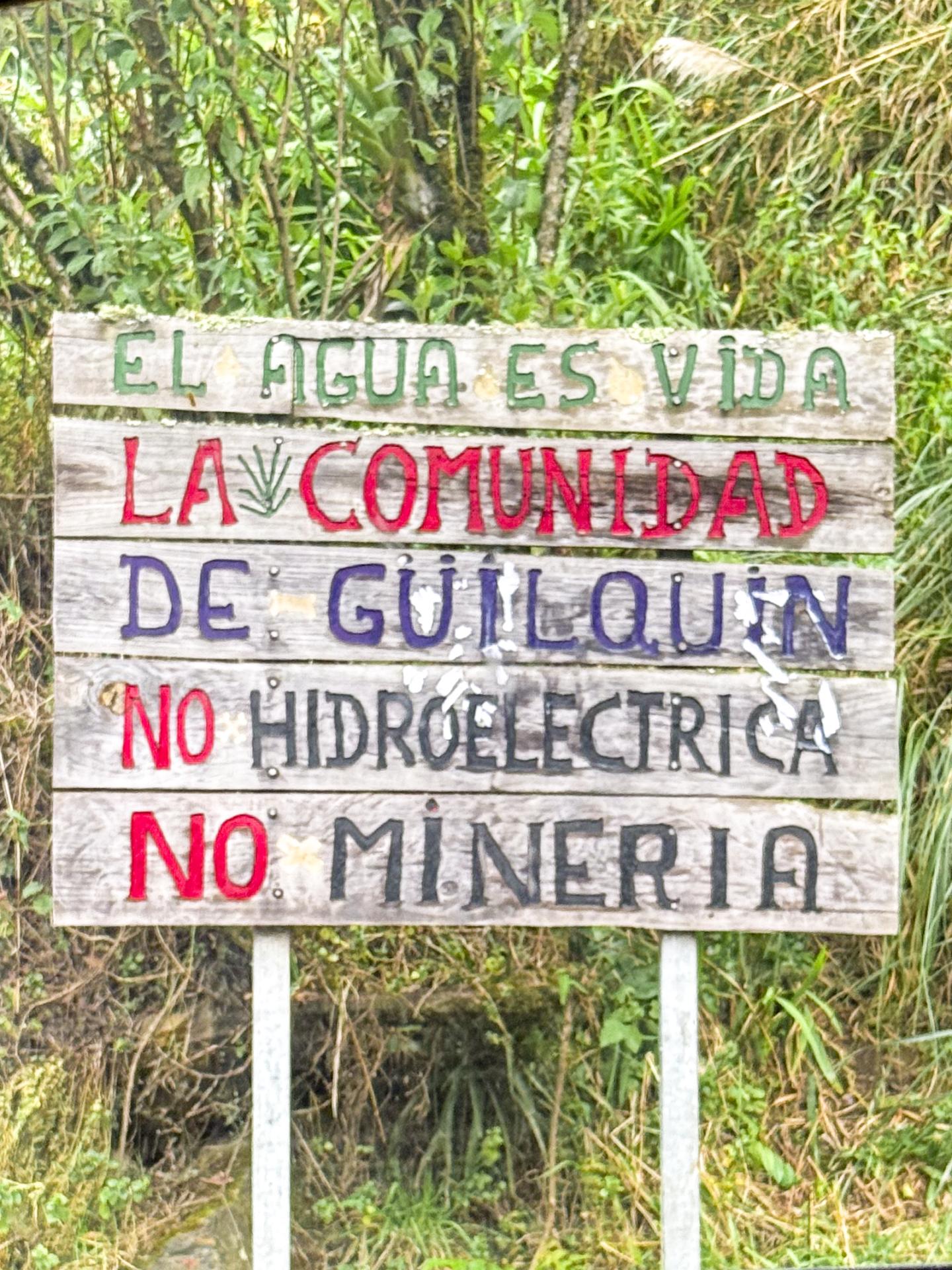
Kimsakocha (whose name in Kichwa refers to three lakes) is a high-altitude páramo landscape and an important water-producing area in the region. Its wetlands and lakes form part of the headwaters of watersheds that sustain communities, agriculture, livestock, and ecosystems farther downstream. For communities, these waters are not simply resources. They are part of a living territory connecting the mountains to everyday life below.
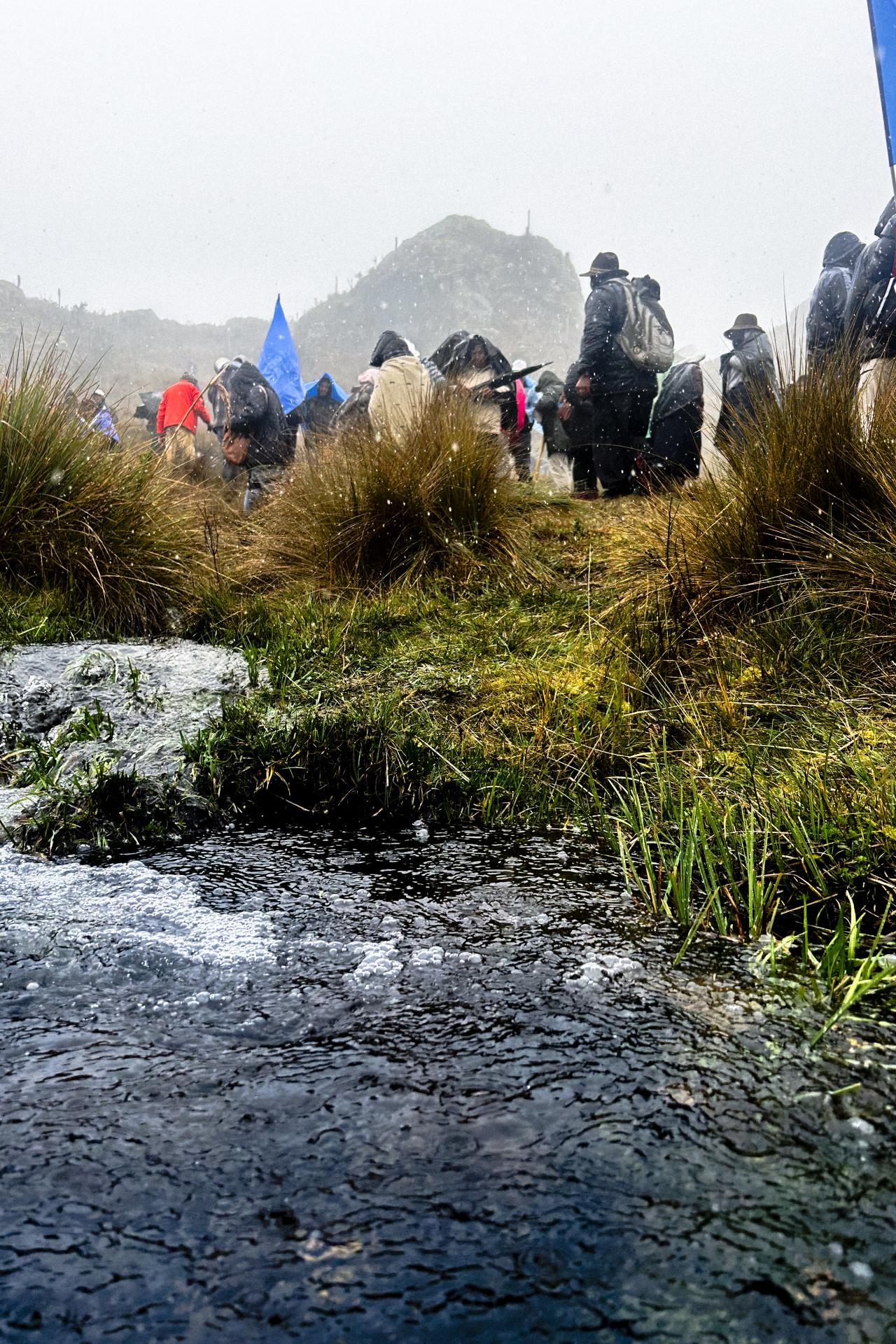
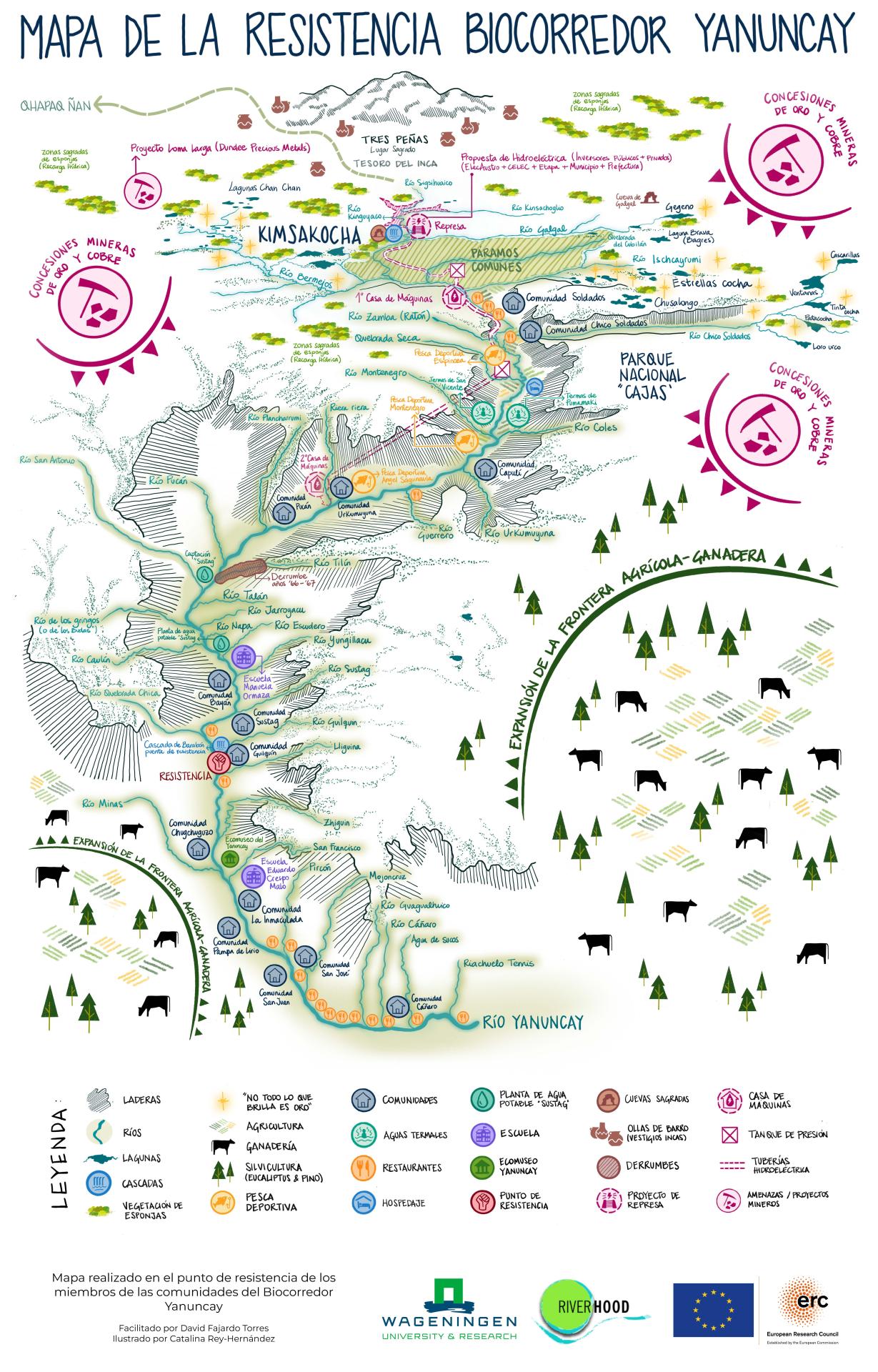
The defense of these waters extends into the Yanuncay River Valley, where part of the river’s water also descends from the Kimsakocha landscape in the Andes and flows toward Cuenca. Along its banks, Kañari Kichwa communities are confronting another form of pressure: the proposed Soldados–Yanuncay Hydroelectric Project.
Youth Restoring the Territory
For Kañari Kichwa youth living in communities along the Yanuncay River, the hydroelectric project is not an abstract infrastructure proposal. It is connected to the places where they live, farm, gather, and maintain relationships with their territory. Young people have joined community efforts to oppose the hydroelectric project, raising concerns about the potential impacts of large-scale infrastructure on the river, páramo ecosystems, agriculture, the local economy, and community life.
During Cultural Survival's visit to the Yanuncay River Valley in August, we met a collective of young women, led by Patricia Pulla (Kañari Kichwa), working to restore native plants and páramo water-recharge areas affected by wildfires and climate change. Their project, supported through a Cultural Survival Indigenous Youth Fellowship, offers another way of understanding their relationship with the river: while organizing to defend the territory from threats, they are also actively restoring and caring for it. At the center of their work is a small native plant nursery, which they use to restore sections of the Yanuncay riverbanks and surrounding ecosystems while strengthening ancestral knowledge and creating opportunities for youth to participate in caring for their territory.
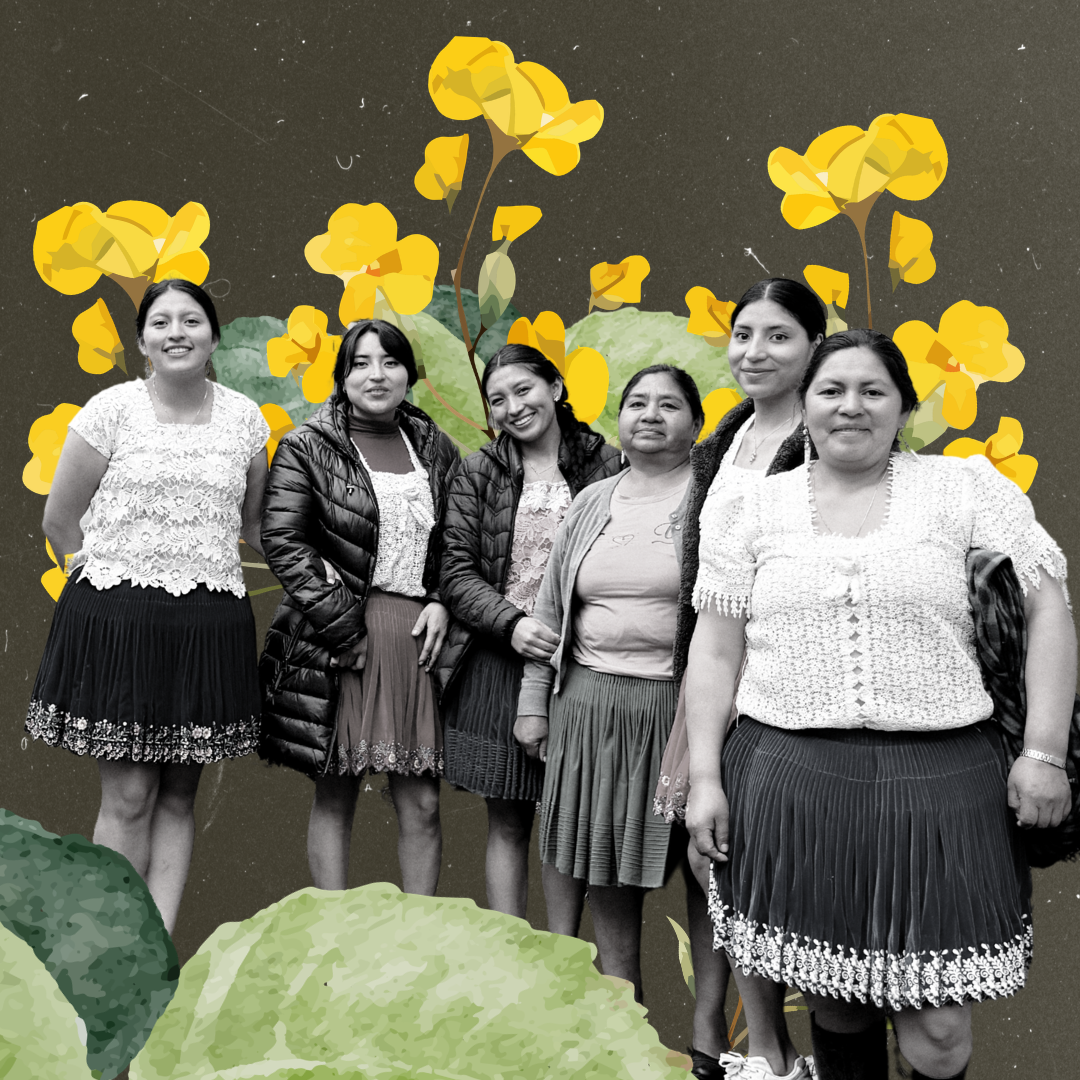
Patricia Youth Collective
During our visit, the young women welcomed us beside their nursery before leading us along the river. Later, we shared traditional food, music, dancing, and stories around a fire. These moments revealed something that is easy to miss when territorial defense is viewed only through protests and political campaigns: protecting territory is also about maintaining the cultural and social fabric that makes a community a community.
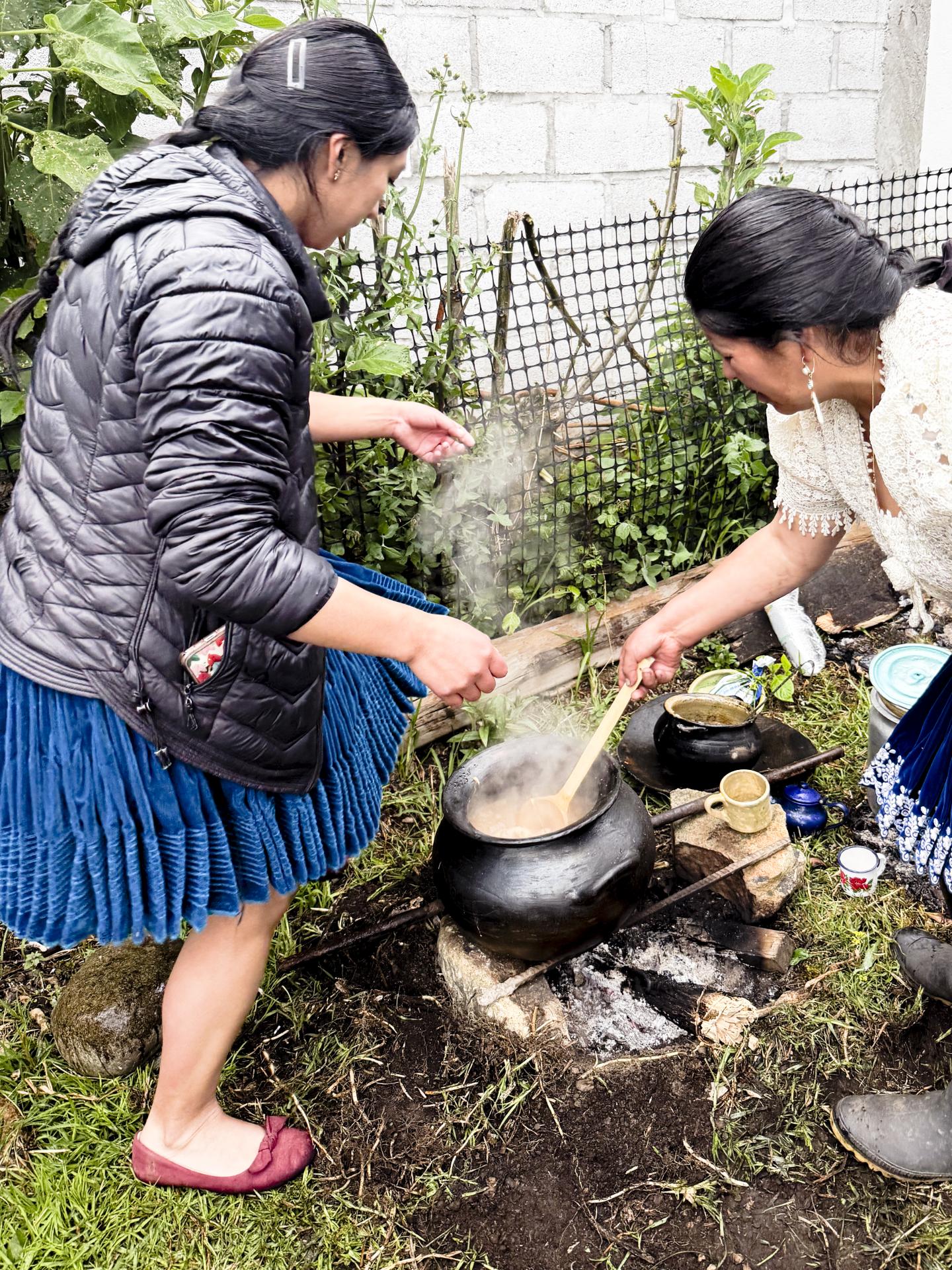
Their work shows that territorial defense does not begin or end with a march. It happens through planting native species, restoring waterways, sharing knowledge, organizing community activities, and ensuring that younger generations remain connected to the land.
Women at the Heart of Territorial Defense
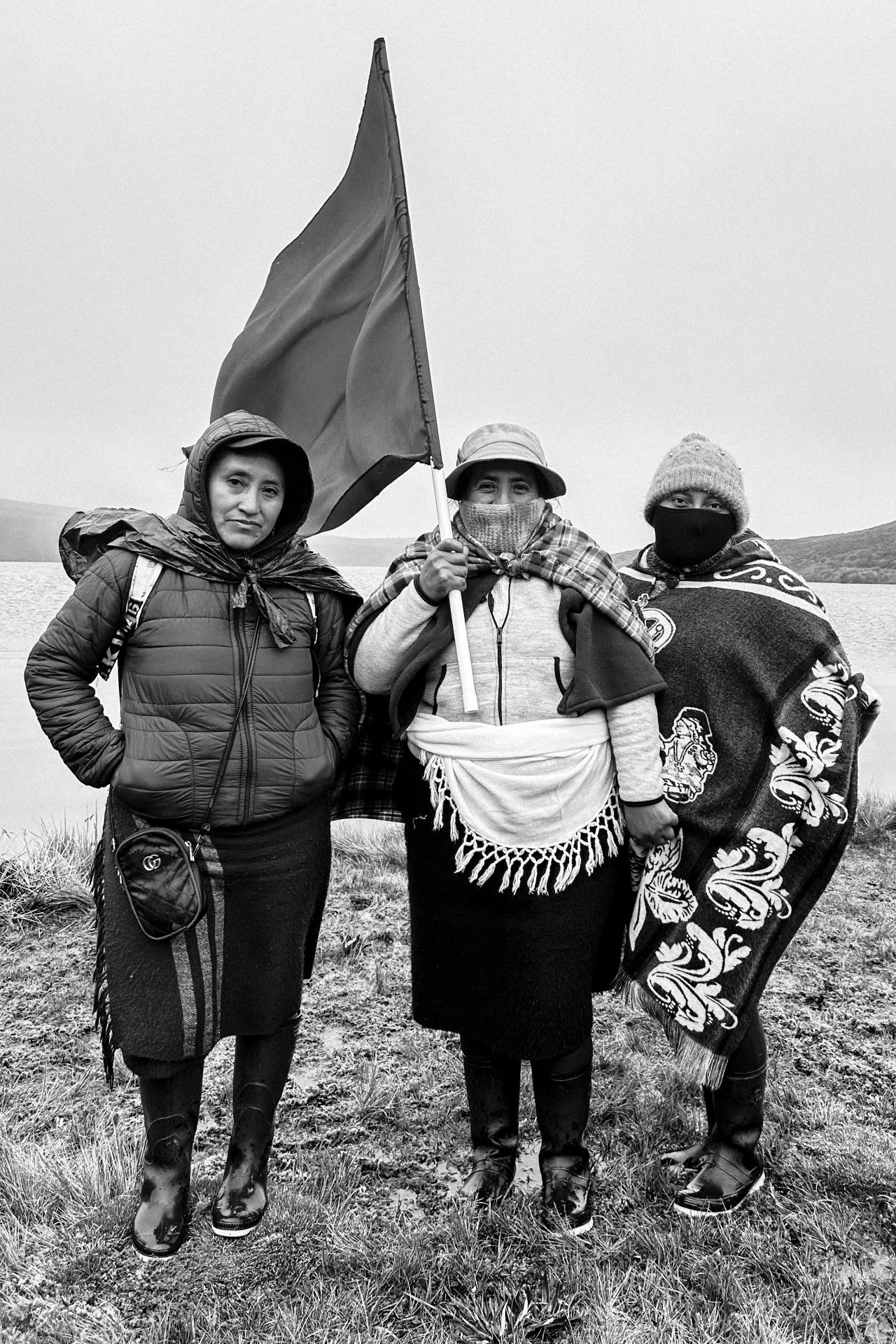
The leadership of women is particularly visible in many of the community projects Cultural Survival has been able to support in Ecuador. With many men working outside the community all day or migrating abroad, women have taken on central responsibilities in maintaining everyday community life, organizing, and caring for the territory.
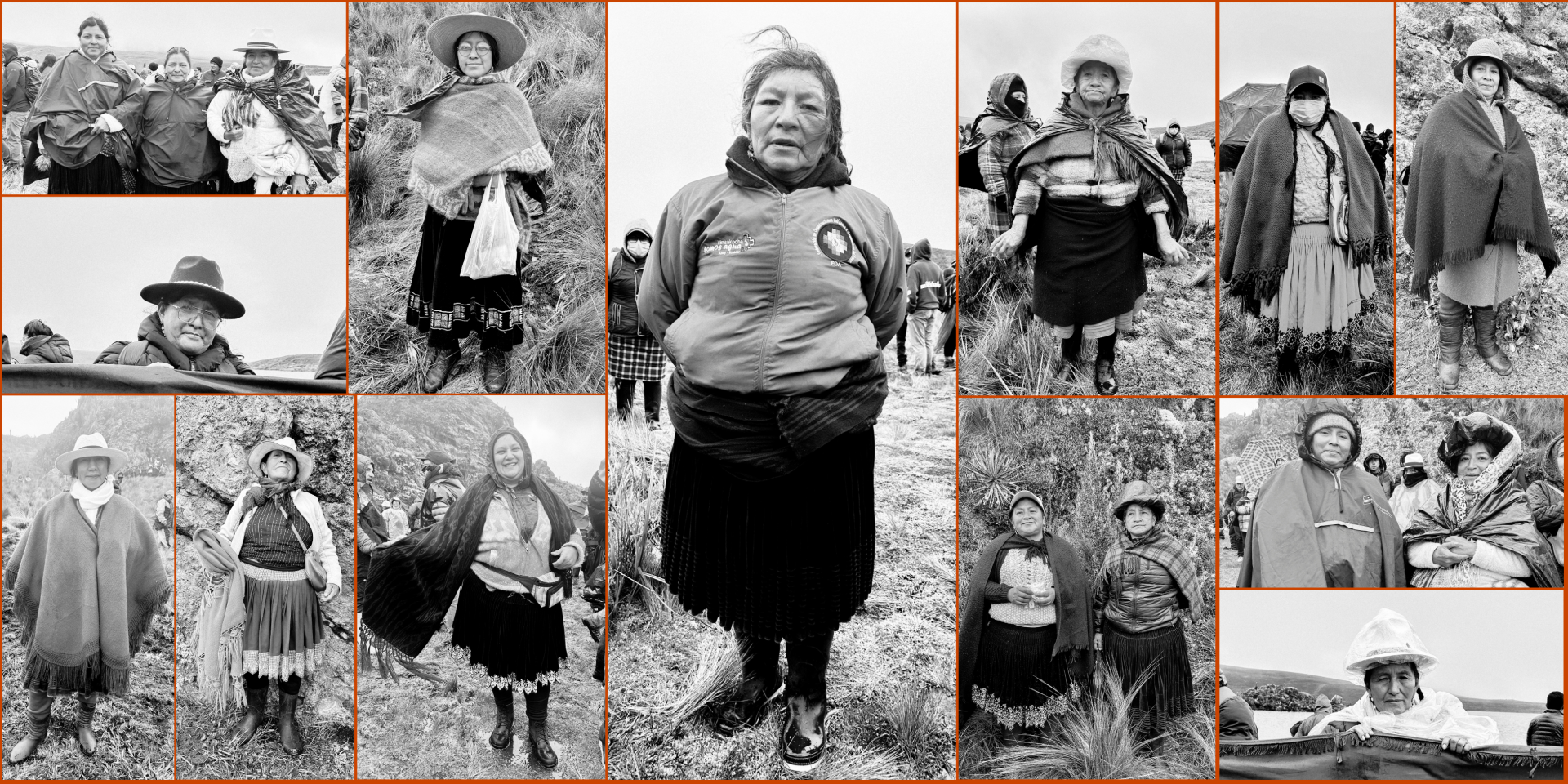
Across our visits, women shared a similar understanding: the páramo and rivers are not simply ecosystems to be protected. They are part of a living territory connected to culture, food, livelihoods, memory, and future generations.
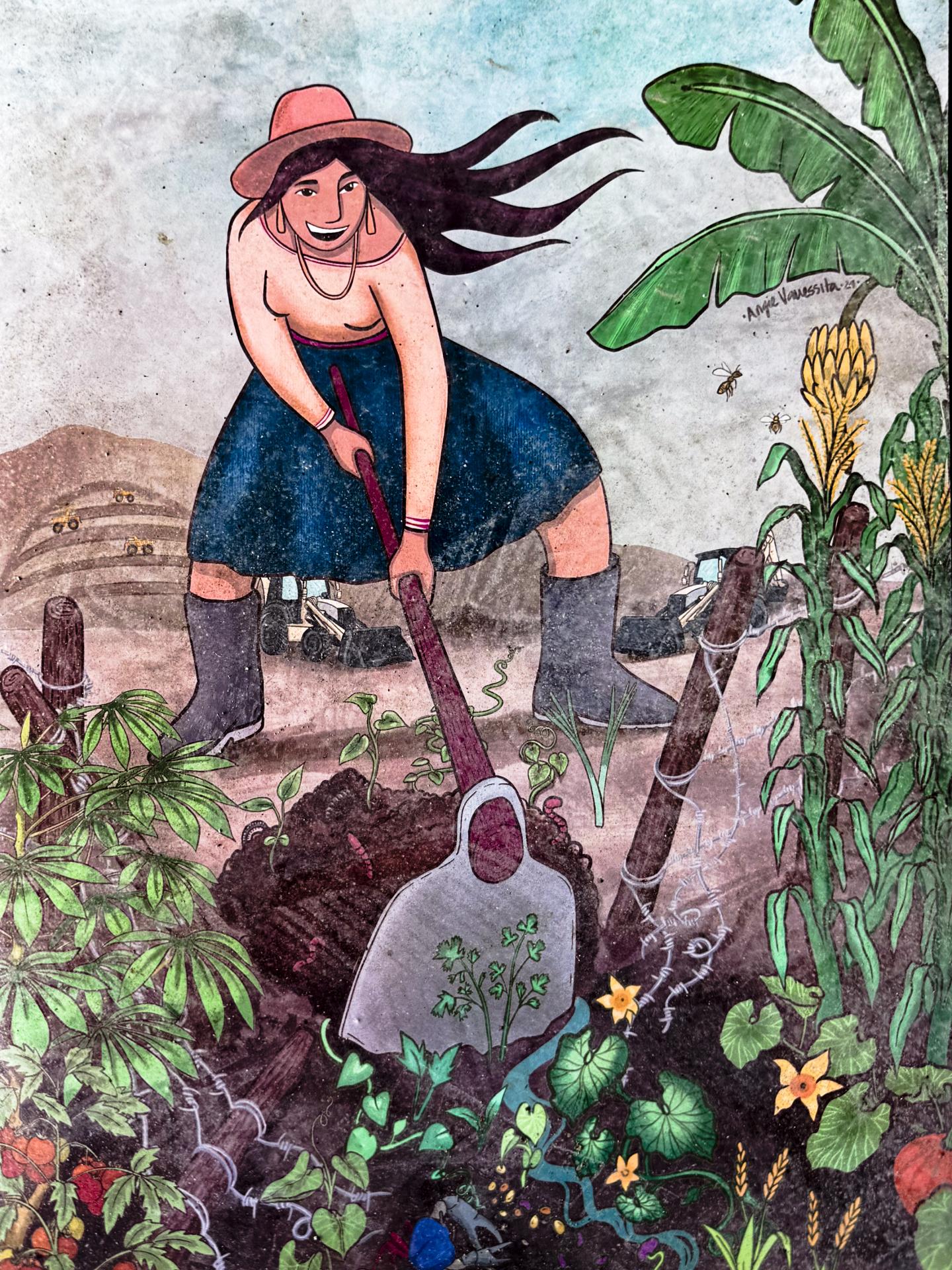
30 Years of Organizing for Water
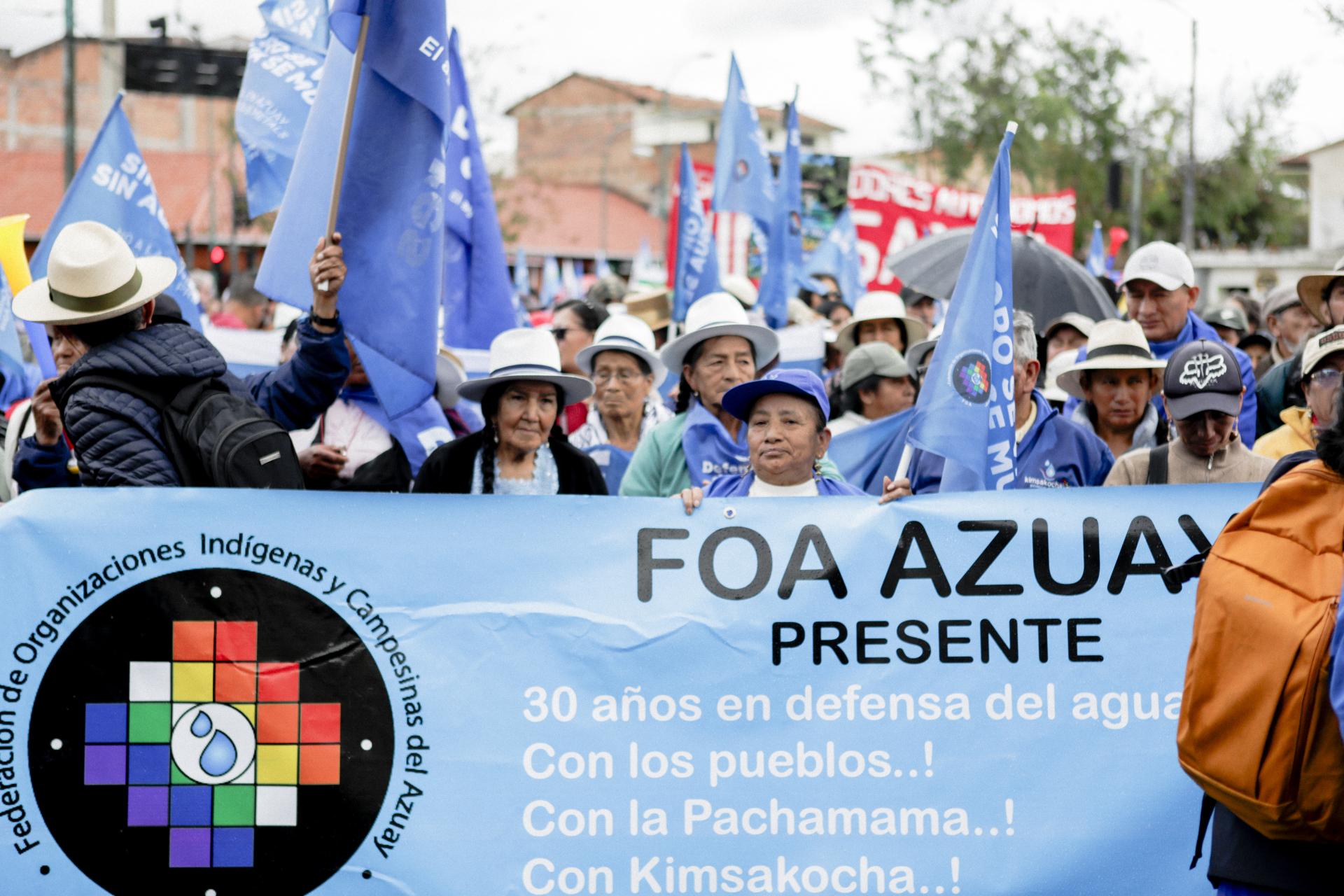
Further south, in Tarqui, the Federación de Organizaciones Indígenas y Campesinas del Azuay (FOA), a Cultural Survival community media partner, has spent approximately three decades organizing around the protection of Kimsakocha and the defense of water. Their work has included community organizing, advocacy, legal action, communication, and mobilization. Its community radio station also provides a space for local voices and information, showing how media can become another form of territorial defense.
For FOA (led by current president Lauro Sigcha) and the communities it represents, the páramo cannot be separated from the people who depend on its waters. Its wetlands and high-altitude ecosystems help sustain agriculture, livestock, families, and communities throughout the region.
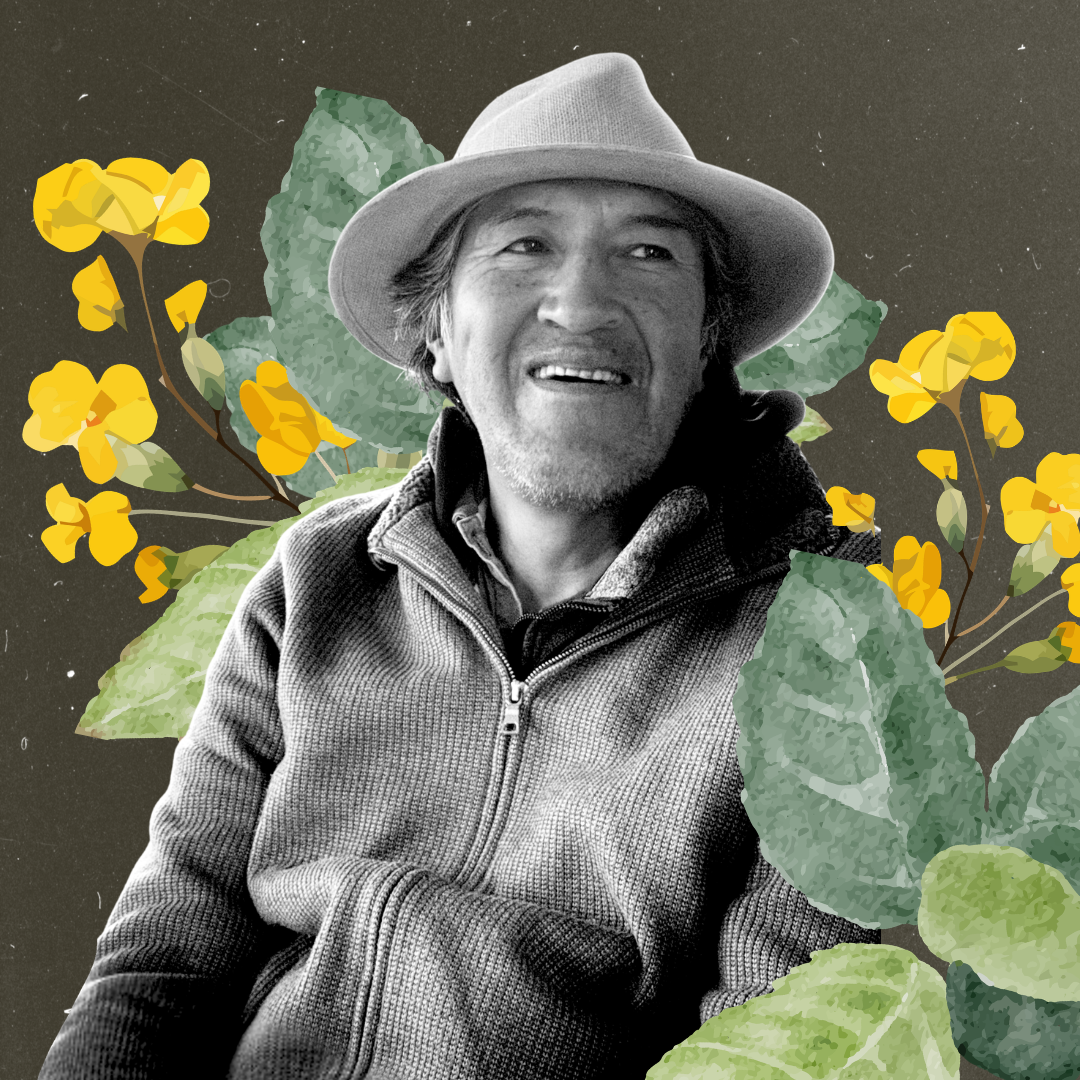
Lauro Sigcha
The organization has been at the forefront of the long-standing defense of Kimsakocha and opposition to the Loma Larga mining project, a struggle that eventually helped give rise to the formation of Quinto Río. On September 16, that movement once again flowed into the streets of Cuenca, as communities carried banners and signs alongside families and community organizations from the surrounding highlands. Music, dancing, and calls to protect water transformed the historic center into a powerful public expression of a struggle that has been carried forward by generations in the mountains surrounding the city.
Youth Imagining a Future in their Territories
In Loja, Cultural Survival Indigenous Youth Fellow Tamia Contento, a Saraguro Kichwa youth leader, is working with young people to strengthen self-knowledge, entrepreneurship, livelihoods, and their ability to imagine a future connected to their communities. Her work is unfolding in the Fierro Urco region, where Indigenous and campesino communities are also organizing to protect páramos and water sources from mining pressures.
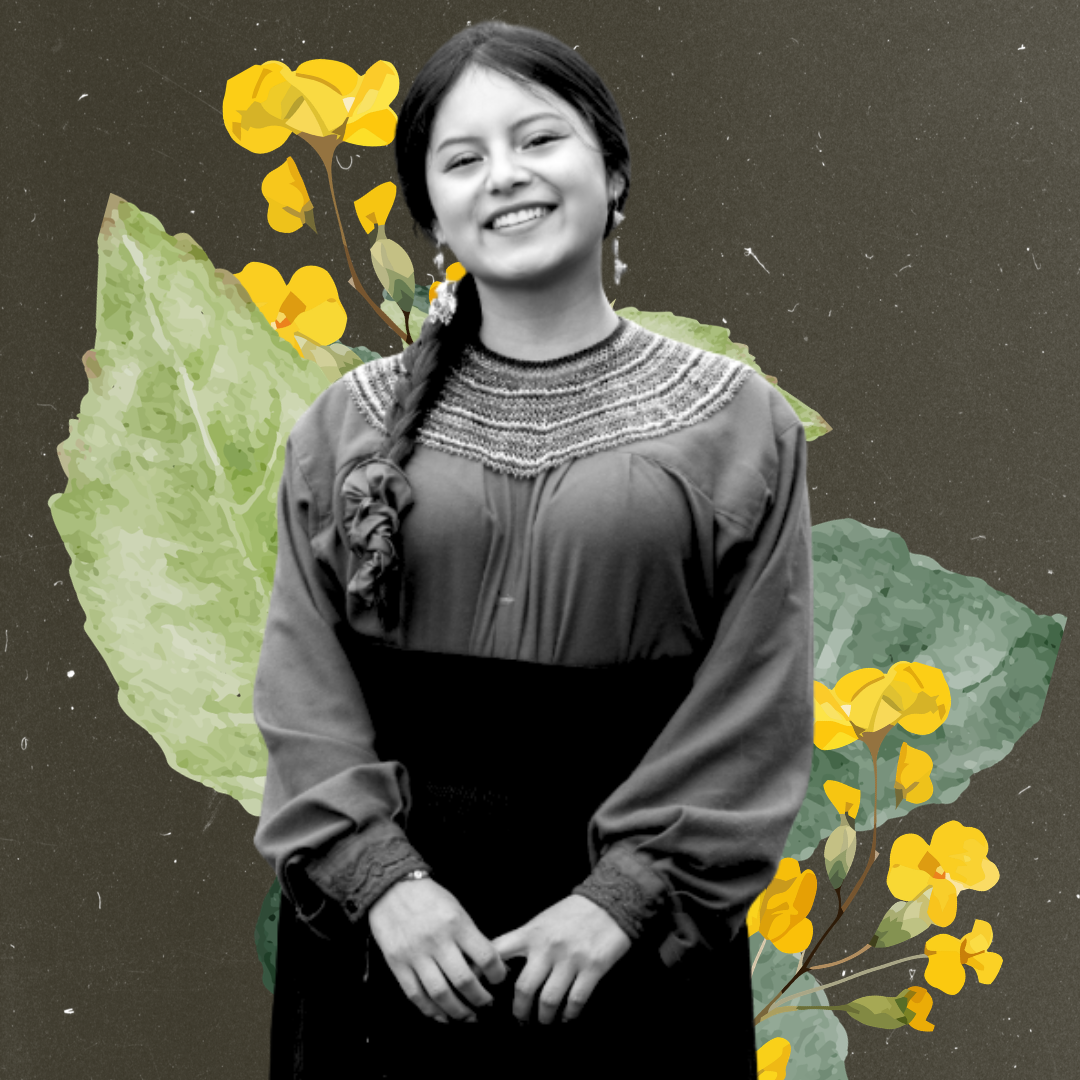
Tamia Contento
During our visit, young people spoke about communications, cinema, entrepreneurship, culture, and community life. One young community member imagined bringing films to rural communities as a way of creating spaces for storytelling, communication, and cultural expression.
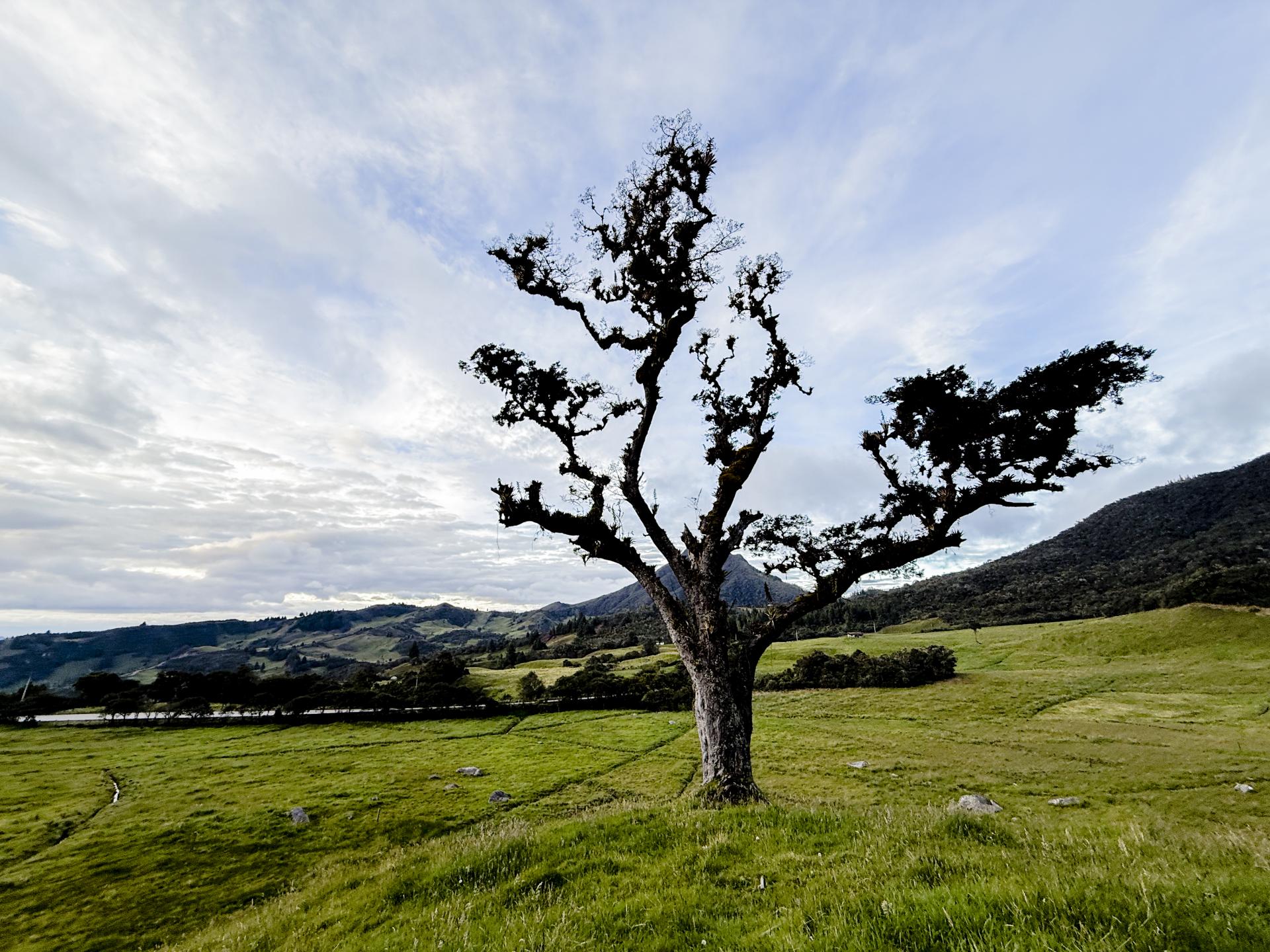
These initiatives show that Indigenous youth are not only defending what already exists. They are creating new possibilities for their communities to remain vibrant and connected to their territories.
More Than One River
The Quinto Río is one expression of a much broader reality across Ecuador. From the páramos of Azuay and Loja to Indigenous territories elsewhere in the country, communities continue organizing around water, land, forests, and the right to determine what happens in their territories. These struggles take different forms, like community assemblies, legal actions, cultural gatherings, media projects, ecological restoration, youth organizing, and marches, all carrying the message that territory is not simply a source of resources. It is where life is held.
For Indigenous communities, protecting water also means protecting culture, food sovereignty, livelihoods, local economies, and the possibility of remaining on and caring for ancestral lands. As the second Quinto Río moved through Cuenca, the people walking its streets carried more than signs and banners. They carried the memory of the mountains, the work of generations, and the voices of communities that continue to organize for the future of their territories.
The river begins in the páramo. And on September 16, the people became the river once again.
All photos by Byron Tenesaca.