

Advocacy
Supporting grassroots Indigenous movements to protect,
respect, and fulfill the rights of their communities.
Cultural Survival’s Advocacy Program supports Indigenous Peoples around the globe by amplifying grassroots movements to bring awareness and international pressure to their struggles while enhancing Indigenous communities’ capacity, always at the invitation of community leaders, to demand and assert their rights outlined in the United Nations Declaration on the Rights of Indigenous Peoples. Since 2005, Cultural Survival has held consultative status with UN Economic, Social, and Cultural Council (ECOSOC). In addition to providing expert testimony on Indigenous, human, and environmental rights violations and coordinating Indigenous participation at international bodies like the United Nations Permanent Forum on Indigenous Issues (UNPFII), the Expert Mechanism on the Rights of Indigenous Peoples (EMRIP), the UN Framework Convention on Climate Change (UNFCCC), and the Convention on Biological Diversity (CBD), Cultural Survival’s Advocacy team coordinates reports to the Human Rights Council’s Universal Periodic Review and other human rights mechanisms.
Our advocacy work is interwoven across all of Cultural Survival’s programs and is reflected in the holistic, wrap-around support we provide to Indigenous communities globally. Across the organization through our grantmaking and other areas of work and long-term relationships, we have grant partnerships with over 300 grassroots Indigenous-led community organizations, collectives, traditional governments, and youth fellows. As Indigenous communities work to implement their rights and self-determination, they often encounter external challenges. We support our network of partners with technical support that strengthens their ability to self-determine their own futures.
“We have seen that international advocacy work is so much more effective when we do it in partnership with Cultural Survival than when we do it on our own.” –Pablo Mis, program coordinator for the Maya Leaders Alliance of Toledo, Belize.
Our strategy is emergent based on the expressed, self-determined needs of our partner communities. Across our programs, we build trust and relationships with our partners. Our advocacy program work is the solidarity action that manifests from the responsibility of that trust. We believe consistent messaging on respecting Indigenous Peoples’ rights and lands needs to come from multiple directions to be effective, including at the grassroots, corporate, and international levels. Within that framework, we have core areas of expertise that employ different tools to influence policies and actions.
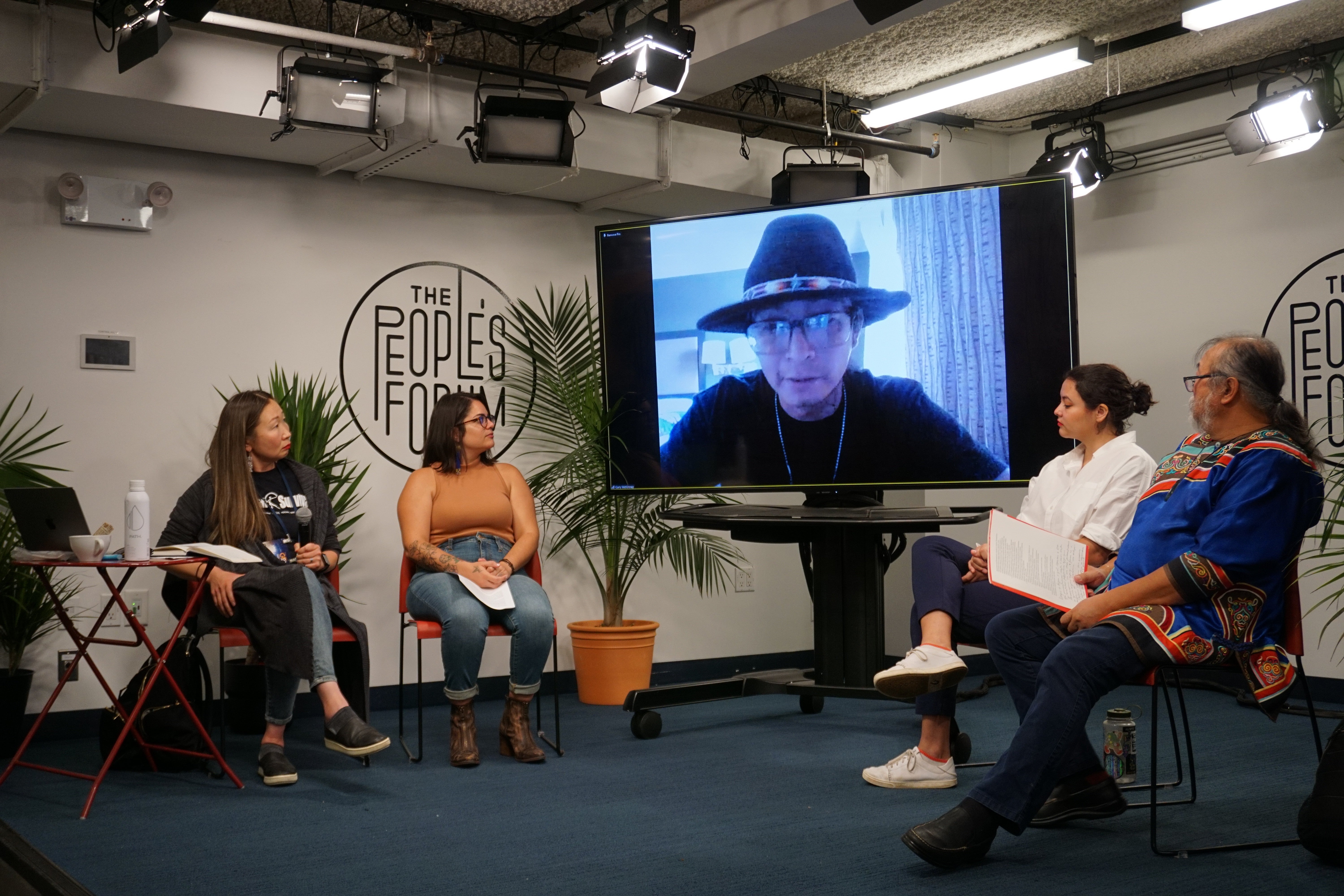
Our Advocacy Program includes six main areas of work:

Providing technical support to grant partners at their request:
We provide training and support for grant partners and Indigenous leaders on effective participation in the international human rights system. We conduct research on human rights violations and submit reports to UN treaty bodies as well as the Universal Periodic Review. We accompany partners to international fora like the UN Permanent Forum on Indigenous Peoples Issues where we help them highlight their work in side events, network, and meet with policymakers. We arrange travel, affordable lodging, interpretation, orientation, capacity-building on effective participation at the UN, and consulting on how to craft messaging and asks.

Reporting and Engagement with UN Mechanisms and States:
Cultural Survival holds consultative status to the UN Economic and Social Council since 2005. In collaboration with our partners, we elevate and report on human rights violations through international human rights monitoring mechanisms such as UN treaty bodies, the Human Rights Council, and Special Procedures. Through these mechanisms, States are pressured to respond and be held accountable for actions and policies that harm Indigenous Peoples and their lands. We also communicate directly to governments about Indigenous rights violations.

Strategic Litigation:
Alongside partners, we bring cases before international courts to set legal precedents in favor of Indigenous Peoples. After decades of fighting racist obstacles to radio frequency access imposed by Guatemala’s telecommunications law and the State of Guatemala consistently ignoring international laws regarding freedom of expression, the Indigenous community radio movement in Guatemala, supported by Cultural Survival, celebrated a milestone victory. In 2021, the Inter-American Court of Human Rights ruled in the case Indigenous Maya Kaqchikel Peoples of Sumpango vs. Guatemala that the Guatemalan State is “internationally responsible for the violation of the rights to freedom of expression, equality before the law and participation in cultural life” of Indigenous Peoples. This is a historic decision affirming the rights of Indigenous Peoples in Latin America to collective and individual freedom of expression and to practice their cultures without discrimination.

Shareholder Advocacy:
An emerging strategy is direct engagement with corporations and shareholders to hold them accountable for how their operations and investments impact Indigenous communities. Our work with the Securing Indigenous Peoples' Rights in the Green Economy (SIRGE) Coalition aims to support Indigenous communities who taking a leadership role in emerging green energy economies by holding companies accountable to human rights commitments through the supply chain, especially when it comes to mining for transition minerals.

Tracking Violence Against Indigenous Human Rights Defenders:
The number of attacks against Indigenous human rights and land defenders is rising, and evidence suggests perpetrators often have ties to extractive industries. Few cases are investigated by authorities, despite local knowledge pointing to those responsible. We document and publicize this violence to draw global attention in the pursuit of justice. Read our 2021 compendium.

Local Advocacy: Our main office is on the traditional lands of the Massachusett Peoples, in Cambridge, MA. In light of the responsibility we have as guests on this land, we support local Indigenous community members, organizations, and Tribes in advocacy work that they are leading. This includes supporting the Massachusetts Indigenous Legislative Agenda.