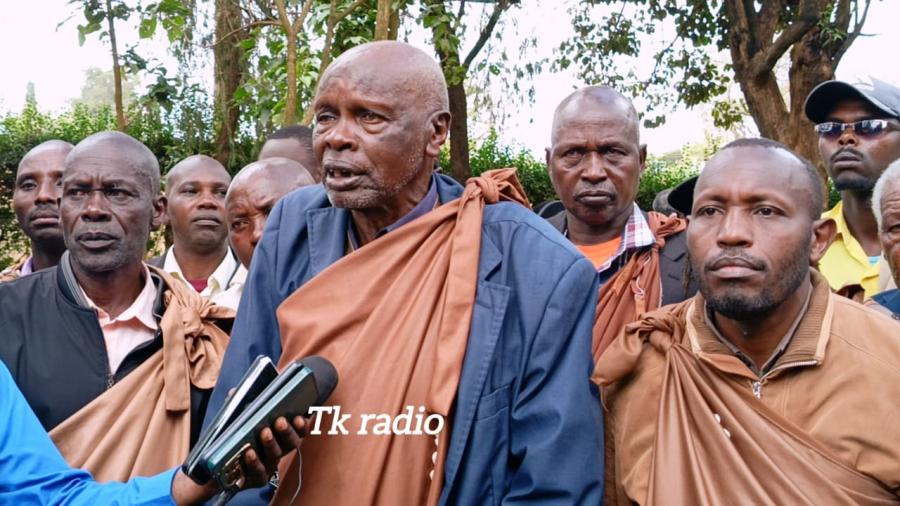

People who know where they come from will always know where they are going.” Those are words I often heard while growing up in Rehoboth. Whether it was around the family dinner table, during church gatherings, or listening to our grandparents’ stories under an old camelthorn tree, one lesson remained constant: our community exists today because our ancestors chose to govern themselves according to their own values.
Rehoboth is located about 90 kilometers south of Windhoek, Namibia’s capital. For those who call it home, it tells the story of a Peoples who traveled hundreds of kilometers in search of freedom, built a community from the ground up, and created a system of governance that reflected their beliefs, traditions, and shared responsibilities, long before modern Namibia came into existence.
Conversations about Indigenous self-governance are becoming increasingly important worldwide. Indigenous communities are reclaiming their voices and demonstrating that traditional governance systems are not outdated institutions, but living structures capable of addressing modern challenges while protecting cultural identity. The Rehoboth Basters are no exception. Our history illustrates how Indigenous governance has allowed a small community to safeguard its identity, maintain social order, and remain connected to its heritage despite colonial rule, political change, and globalization.
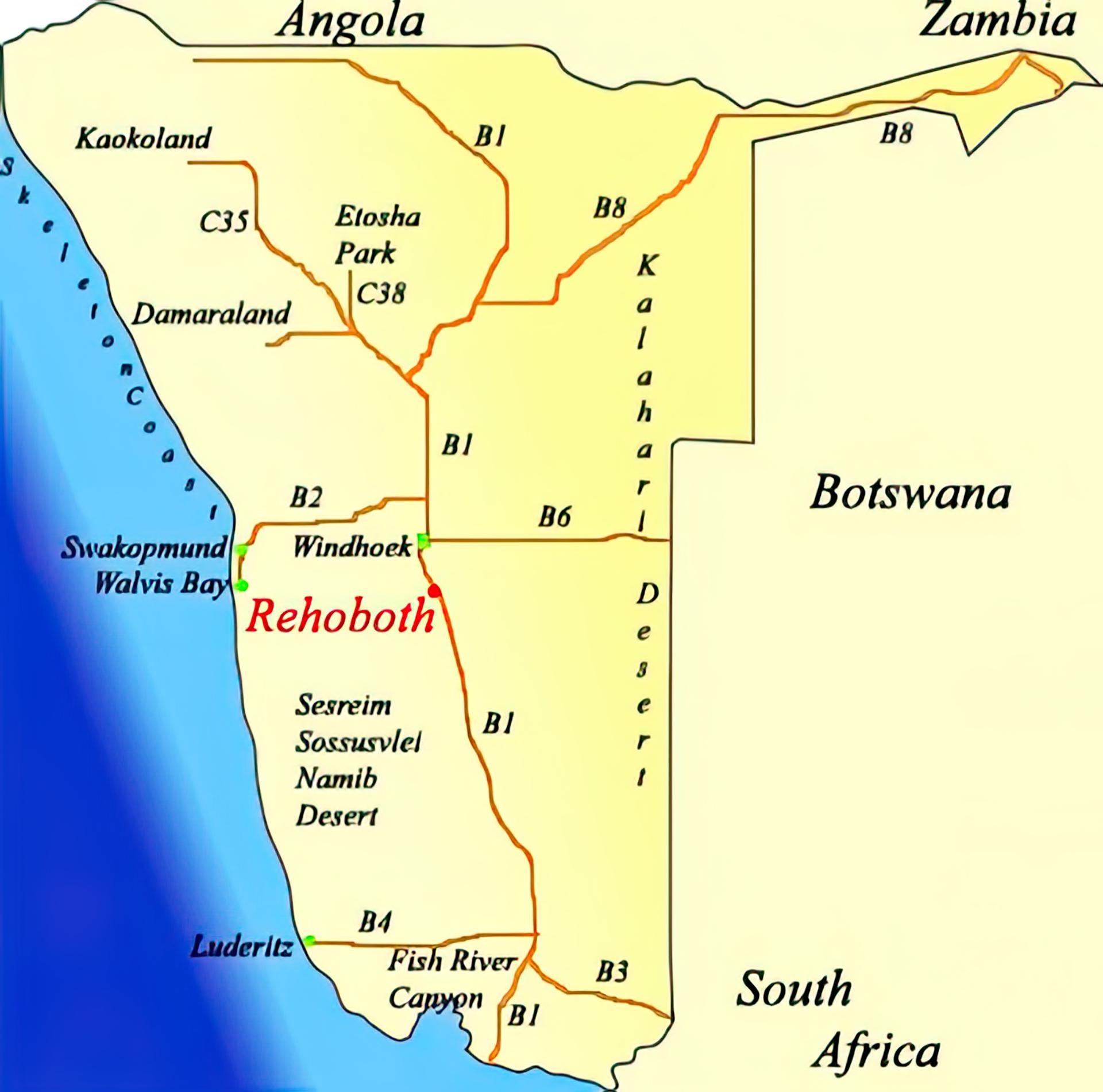
To understand Indigenous self-governance of the Rehoboth Baster community, one must first understand the people. We trace our origins to the Cape Colony of present-day South Africa during the 18th and 19th centuries. Descended primarily from European settlers and Indigenous Khoikhoi women, we gradually developed a unique cultural identity distinguished by our language, Christian faith, customs, and strong sense of community. During the 19th century, increasing political uncertainty, discrimination, and land disputes in the Cape motivated many Baster families to migrate northwards in search of a place where they could determine their own futures. Their journey eventually brought them to central Namibia.
In 1870, under the leadership of Kaptein Hermanus van Wyk, the Basters settled in what is today Rehoboth after concluding a Peace and Friendship Treaty with neighboring Nama communities. This agreement was among the earliest examples of diplomacy between Indigenous communities in southern Africa and demonstrated the Basters’ commitment to peaceful coexistence. Settling on the land was only the beginning. The community understood that survival required more than fertile grazing land. It required rules, accountability, leadership, and unity.
Only two years after settling in Rehoboth, the Basters formally adopted what became known as the Vaderlike Wette (Paternal Laws) in 1872. For outsiders, these laws are simply an old historical document. For Basters, they represent something much greater. The Vaderlike Wette became the constitutional foundation upon which the community governed itself. They outlined responsibilities regarding land ownership, justice, public administration, leadership, and community conduct. Most importantly, they reflected the values that the Basters believed were essential for maintaining peace and unity. Unlike imposed colonial legal systems, these laws were created by the people, for the people. This is precisely what Indigenous self-governance means. Rather than relying solely on external political systems, Indigenous communities govern according to their own customs, traditions, knowledge systems, and cultural values. Decisions are made with the collective well being of the community in mind, recognizing that leadership exists to serve the people rather than rule over them. This philosophy remains one of the defining characteristics of Rehoboth’s traditional governance.
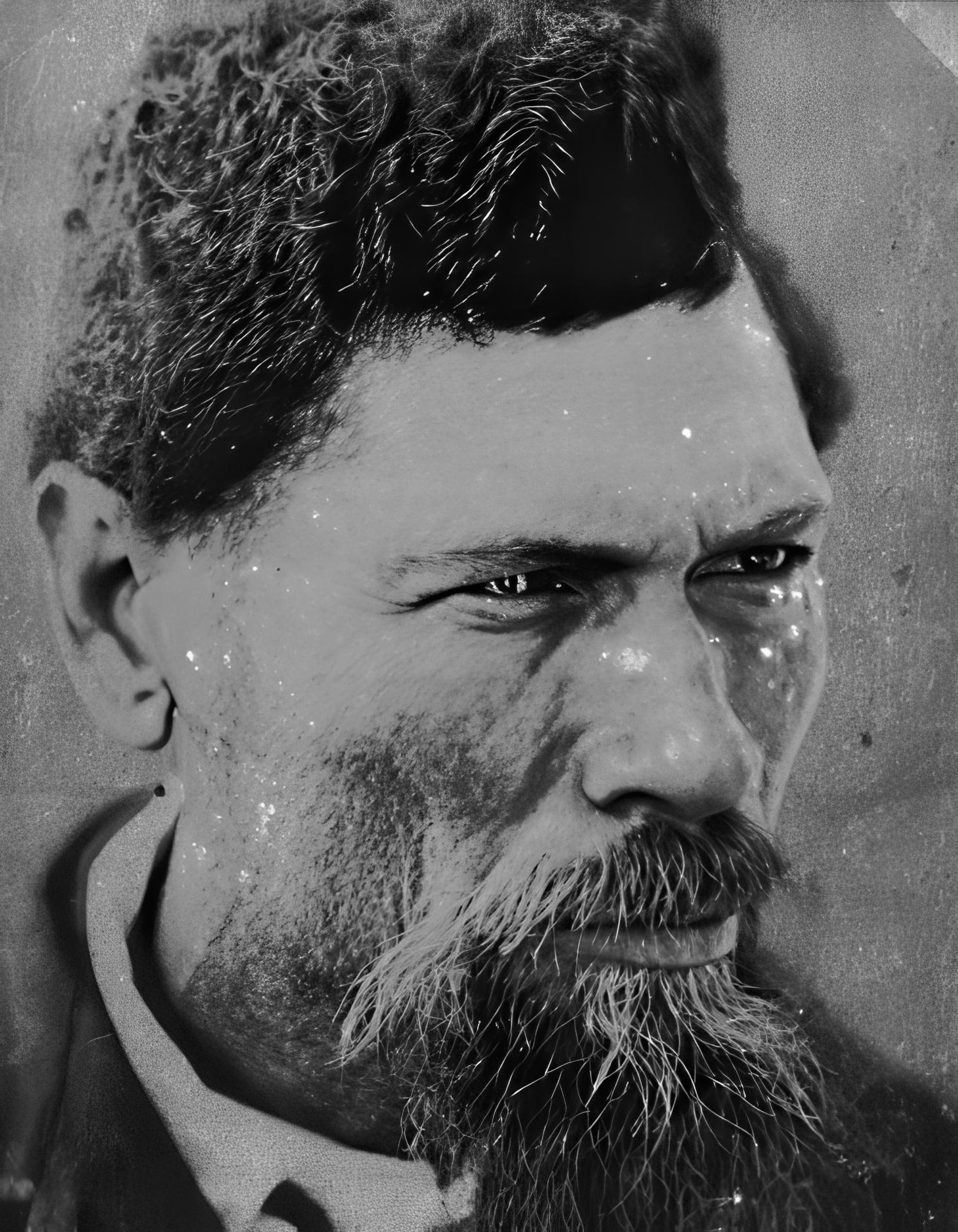
When people hear the title Kaptein, many immediately think of a chief. While there are similarities, the role of the Baster Kaptein carries its own unique history and responsibilities. Kaptein was never spoken about merely as a political figure. Older generations viewed the Kaptein as the custodian of our history, traditions, and identity. The office symbolized unity more than authority. The Kaptein served as the highest traditional leader of the Baster community, representing the people in negotiations, safeguarding communal land, overseeing customary law, promoting peace within the community, and ensuring that the principles of the Vaderlike Wette were respected. Today, although Namibia functions under a democratic constitutional government, the institution of the Kaptein continues to hold profound cultural significance for many Basters.
The first, and perhaps most influential, Kaptein was Hermanus van Wyk, whose leadership guided the Basters through migration, settlement, and the establishment of Rehoboth. The Kaptein never governed in isolation, working alongside elected councils and respected community advisers. Decisions were reached through consultation rather than command. This collective leadership style reflects one of the core principles of Indigenous governance: authority is strengthened through participation rather than domination.
One lesson many of us learned from our parents and grandparents is that nobody succeeds alone. This philosophy lies at the heart of Indigenous governance. Unlike many modern political systems that emphasize individual rights above all else, Indigenous governance often begins with collective responsibility. Every person’s well being depends upon the well being of the community. This was especially evident in the management of communal farms around Rehoboth. Land was never viewed merely as private property or economic capital. It was regarded as an inheritance entrusted to each generation. Responsible grazing, water conservation, and mutual assistance ensured that future generations would benefit from the same natural resources. Similarly, disputes were resolved through dialogue, mediation, and reconciliation rather than punishment alone. Restoring relationships was considered just as important as enforcing rules. These practices strengthened social cohesion and helped preserve peace within the community.
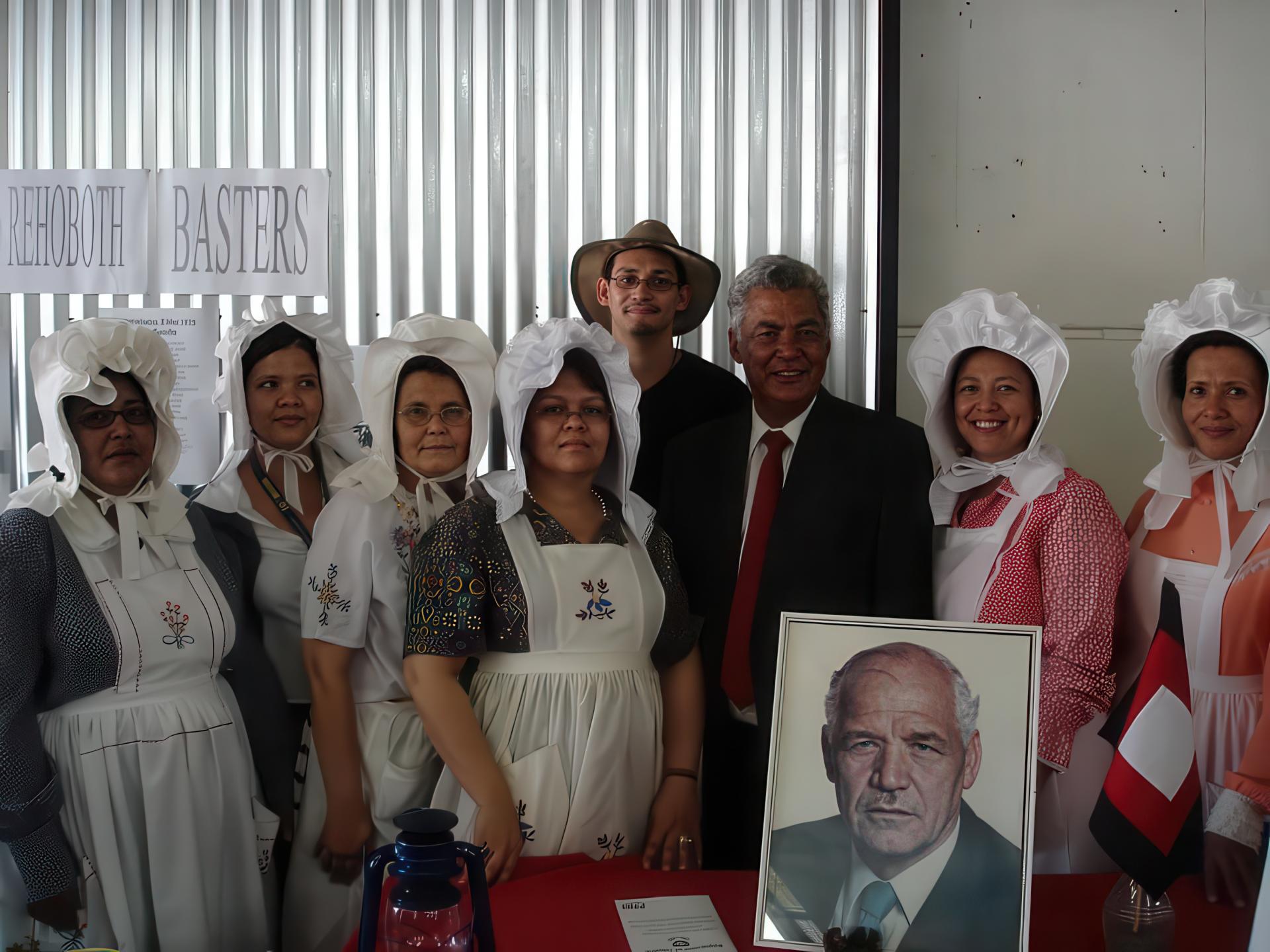
Baster community members in Baster traditional wear and the former late Rehoboth Baster Kaptein John McNab (in tie) with the official photograph of the former late Kaptein Hans Diergaardt.
Self-Governance as a Guardian of Culture
Perhaps the greatest achievement of Indigenous self-governance is not political independence, but cultural survival. Despite German colonial rule, South African administration, and Namibia’s transition to independence in 1990, the Rehoboth Baster community has maintained a distinct cultural identity. Church traditions remain central to community life. Family gatherings continue to safeguard oral history. The Afrikaans language remains widely spoken. Annual commemorations honor our ancestors. Above all, the stories passed down from generation to generation continue to remind young Basters where they come from. Without self-governance, many of these traditions might have disappeared. Traditional institutions have served as guardians of our identity, ensuring that culture is not forgotten amid social and political change.
The Rehoboth Basters face modern challenges. Youth unemployment, migration, economic inequality, climate change, and debates surrounding communal land all require thoughtful leadership. These challenges also demonstrate why Indigenous governance remains relevant. The values of consultation, accountability, environmental stewardship, and community responsibility offer practical lessons for addressing contemporary problems. Our ancestors did not create the Vaderlike Wette simply to govern 19th-century settlers. They created a philosophy of leadership built upon service, unity, and responsibility—principles that remain just as important today as they were more than 150 years ago.
Growing up in Rehoboth, I do not see the Kaptein or our traditional governance as relics displayed in history books. I see them every time an Elder reminds young people to respect their community. I see them whenever neighbors help one another during difficult times. I hear them in the stories told around family tables and church gatherings. Indigenous self-governance is not merely about who leads us. It is about remembering who we are. As long as we continue to value our history, honor our traditions, and teach future generations where they come from, the spirit of Rehoboth’s self-governance will continue to live—not only in our institutions, but in the hearts of our people.
Marcus Gentz (Rehoboth Baster) is a radio presenter and reporter for the Rehoboth-based radio station Infinity Live 102.3 FM.
All photos courtesy of Rehoboth Baster Kaptein’s Office.
Top photo: Members of the Rehoboth Baster community at the recently inaugurated “I love Rehoboth” sign.