Aller au contenu principal
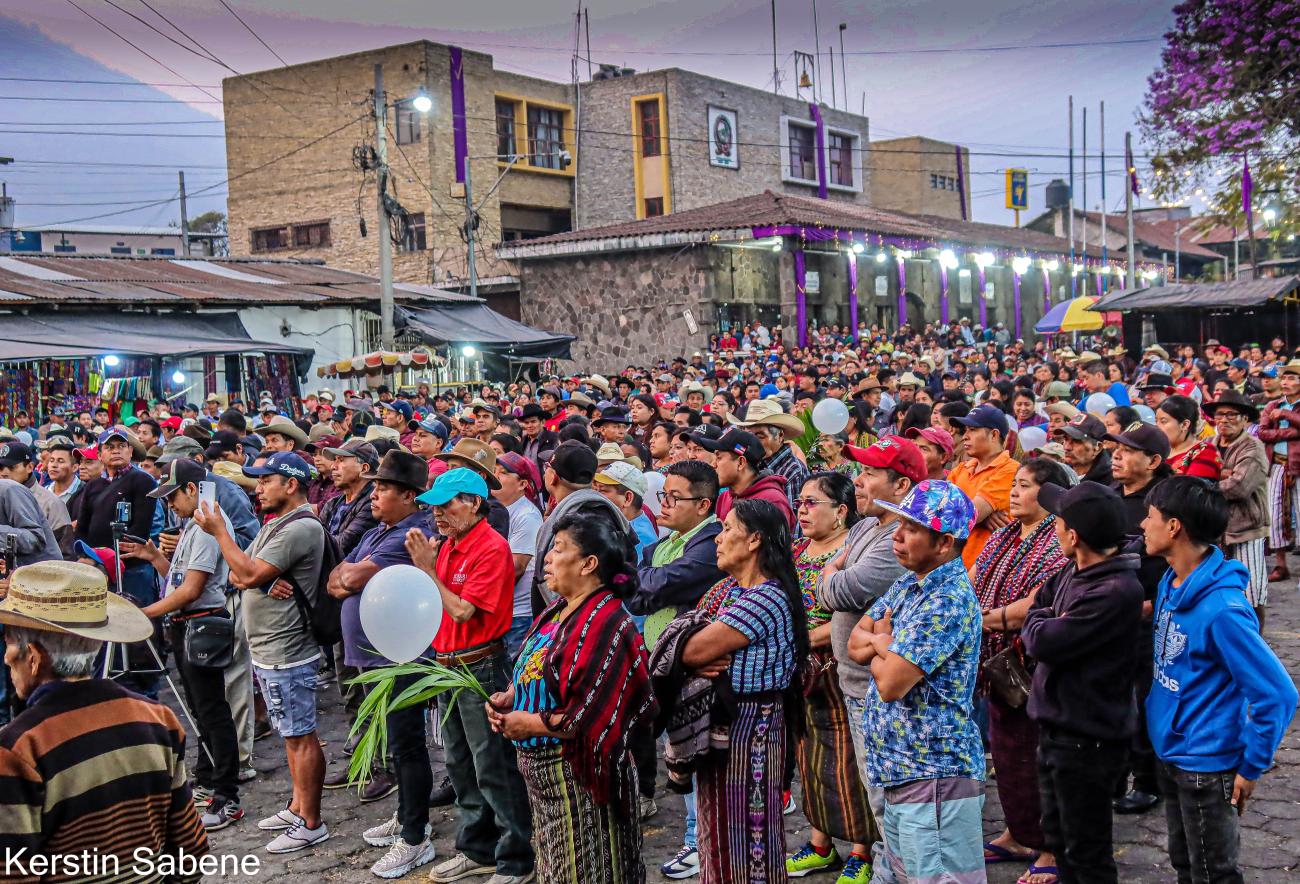
In Santiago Atitlán, a Tz’utujil town located on the southern shore of Lake Atitlán, Guatemala, there are two mayors. One operates from the municipal building; he assumed office through the political party system and answers to the State’s ordinary laws. The other does not appear on any ballot. He is the Cabecera del Pueblo (Head of the Town)—the community’s highest ancestral Indigenous authority.

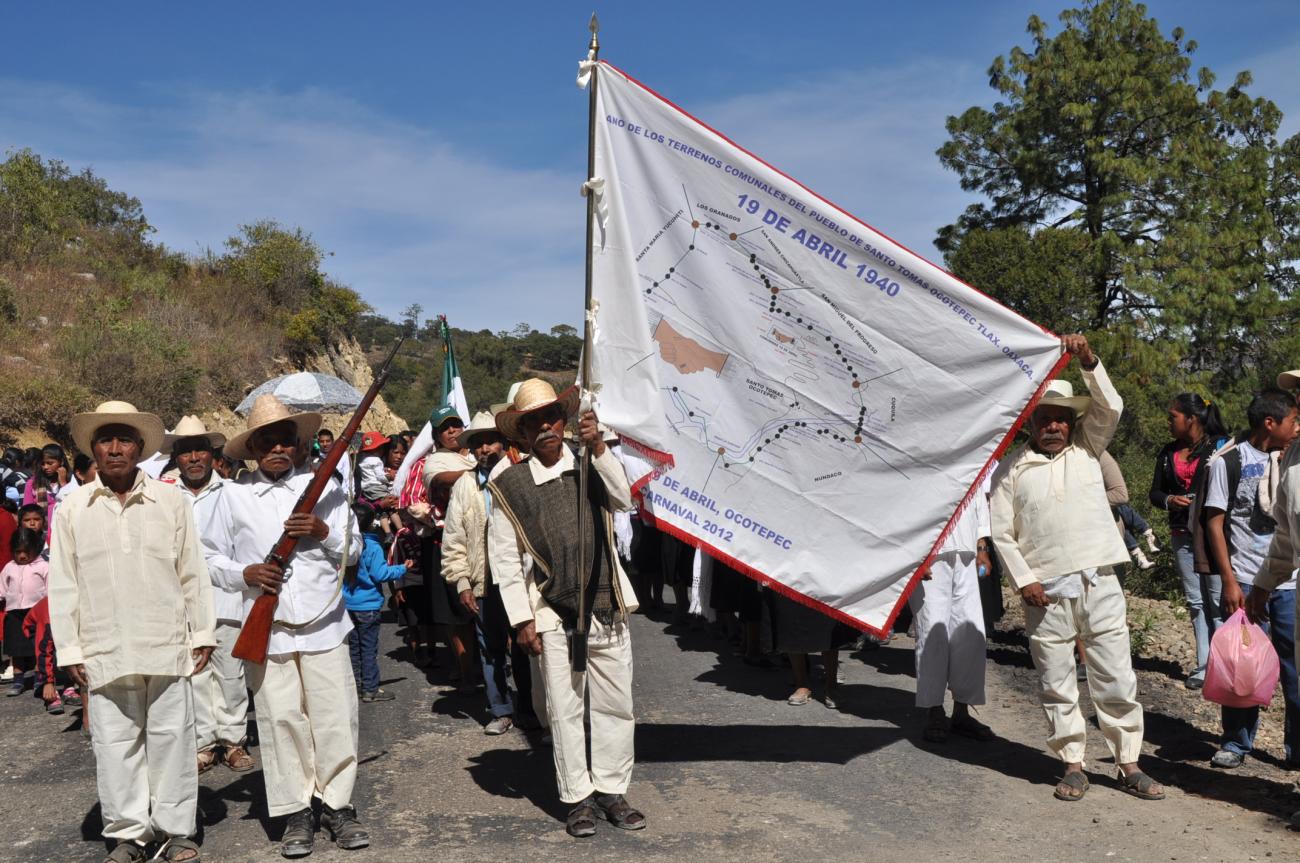
 

Despite centuries of colonial assimilationist policies, self-governance among Indigenous Peoples is a living history that continues to unfold. And while Indigenous Peoples around the world have diverse mechanisms for self-governance, they all share the fundamental principles of an inseparable link among community, culture, and territory, as well as a collective vision of life and the exercise of power. For many Peoples this does not begin with the law, but with memory, daily practice, and the continuity of their own ways of organizing life.


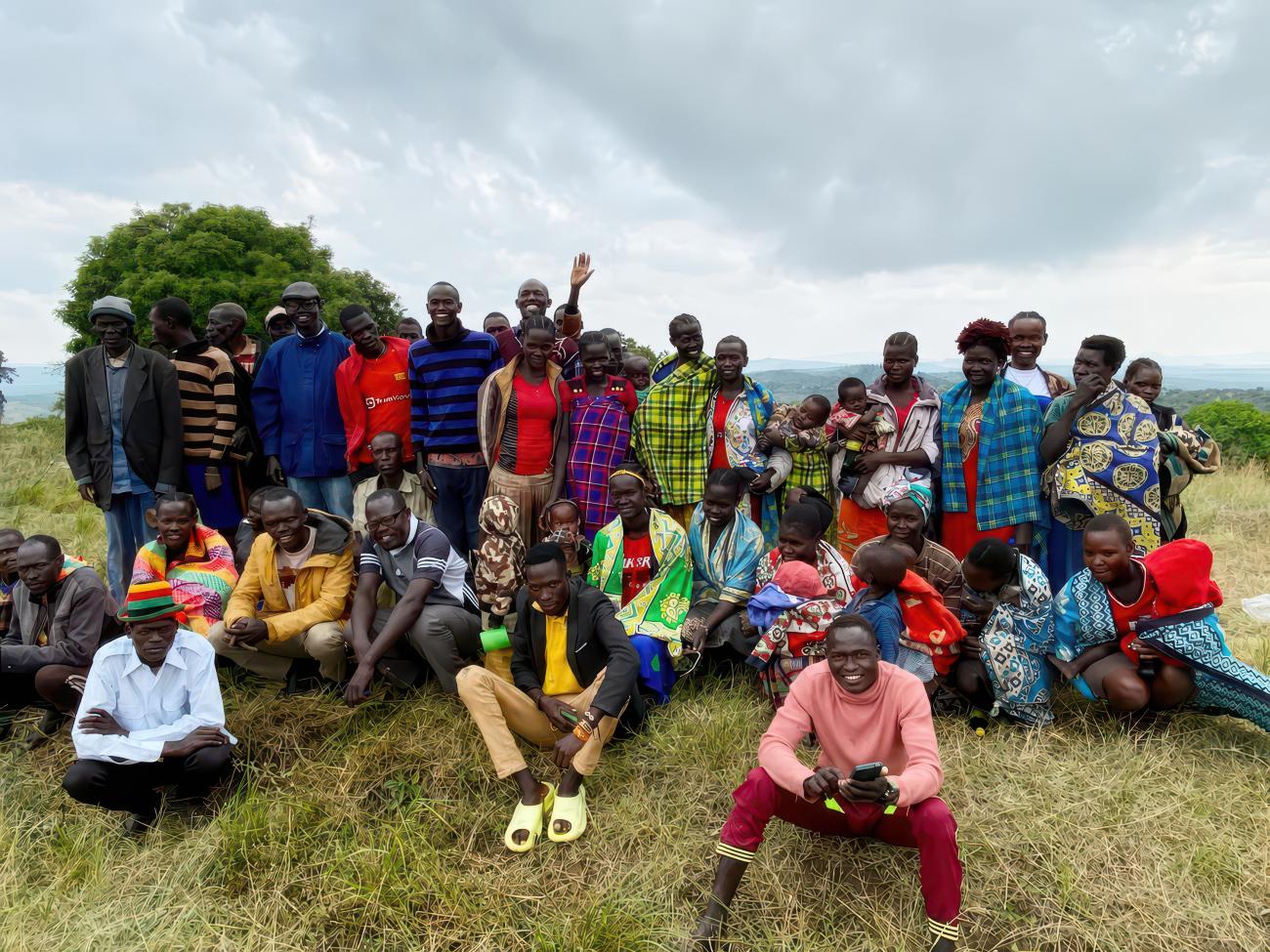
For generations, Indigenous communities in Abim District, Karamoja, in northeastern Uganda, have depended on a deep relationship with their land, water, animals, forests, and natural environment. This relationship has guided how communities make decisions, resolve challenges, protect resources, and prepare for uncertain times.


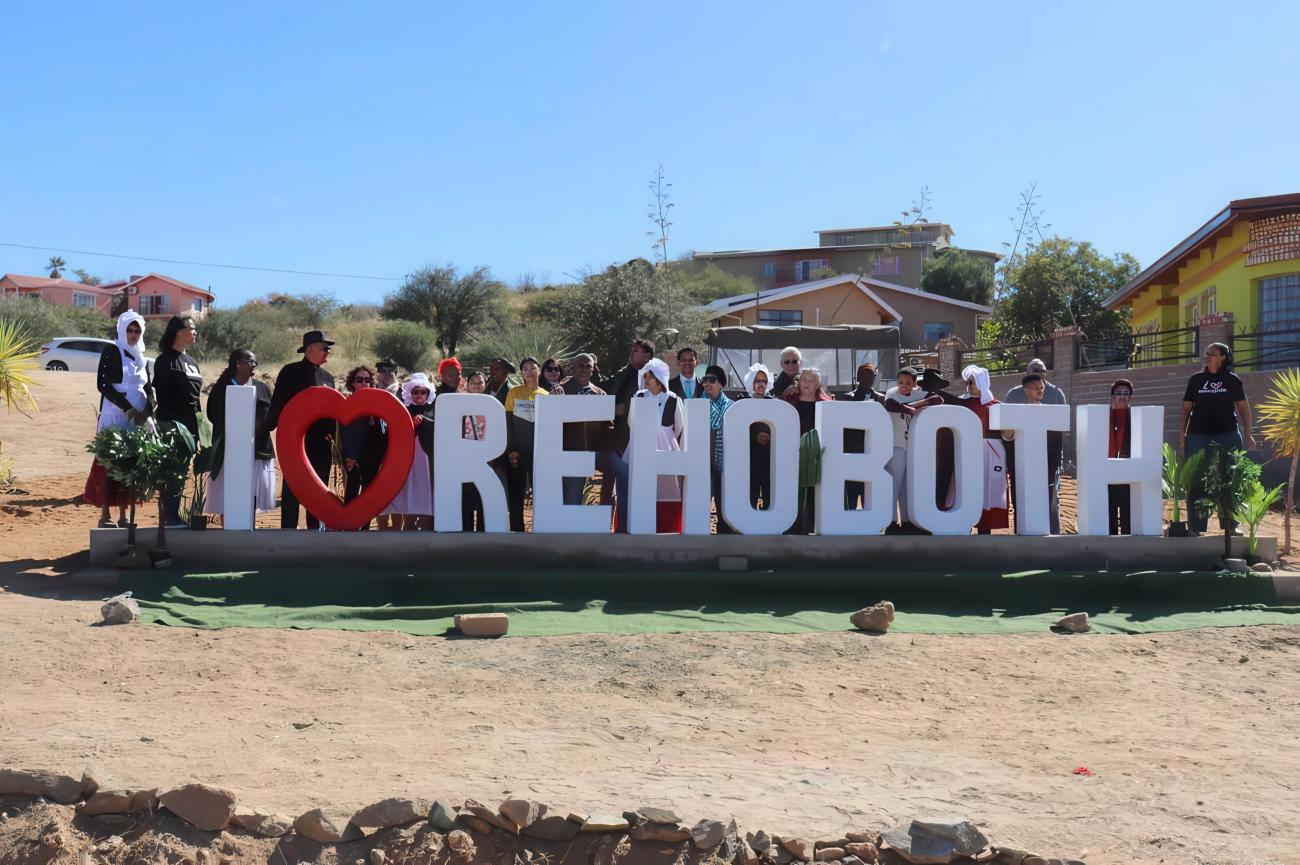
People who know where they come from will always know where they are going.” Those are words I often heard while growing up in Rehoboth. Whether it was around the family dinner table, during church gatherings, or listening to our grandparents’ stories under an old camelthorn tree, one lesson remained constant: our community exists today because our ancestors chose to govern themselves according to their own values.


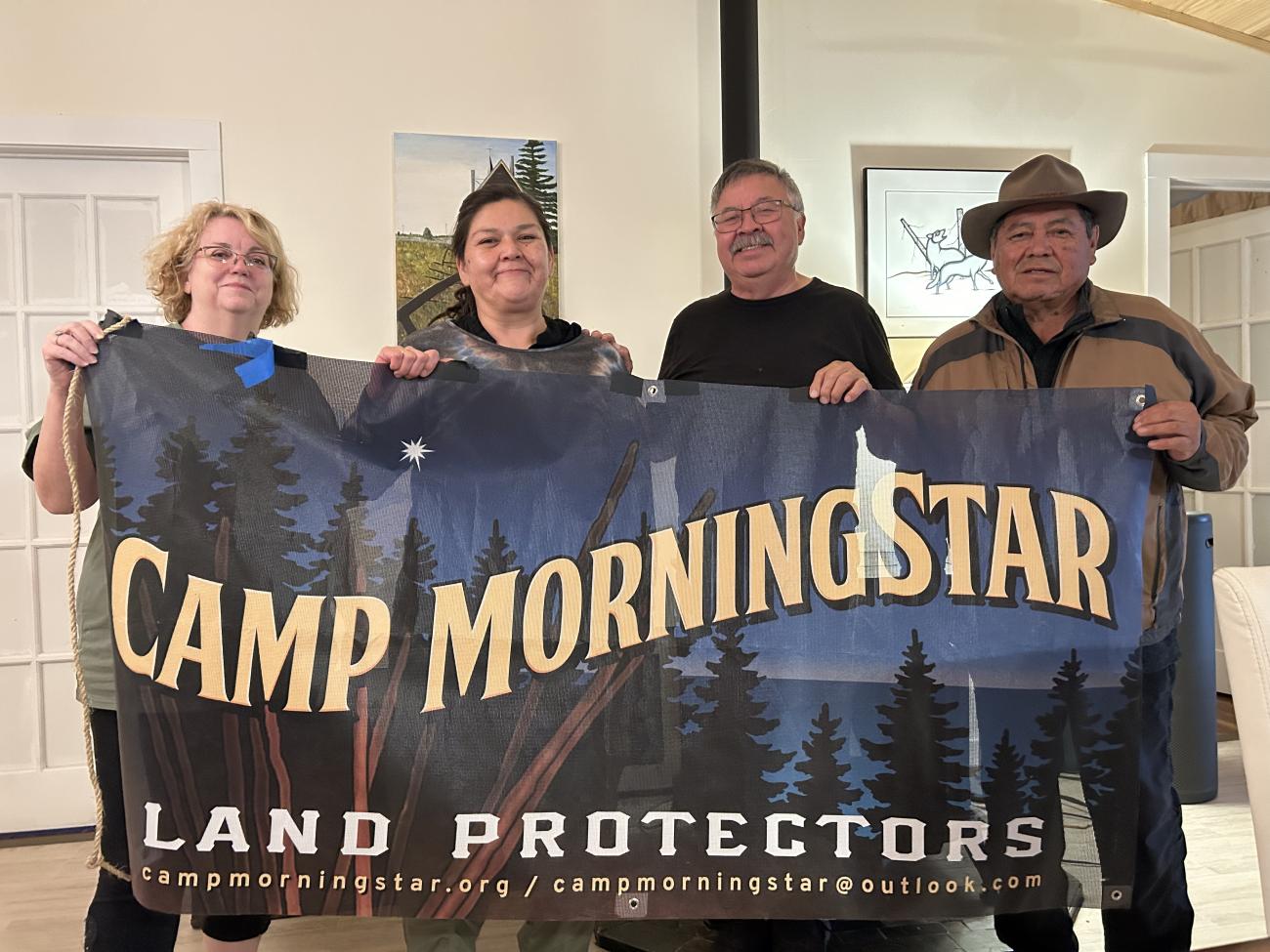
Indigenous Peoples in Canada, through diverse ways of organizing—whether traditional and hereditary Chiefs, Chiefs and Councils, or collectives and organizations—have a clear direction at the core of their existence: the protection and continuous relations with Mother Earth and all beings on the land for generations to come.


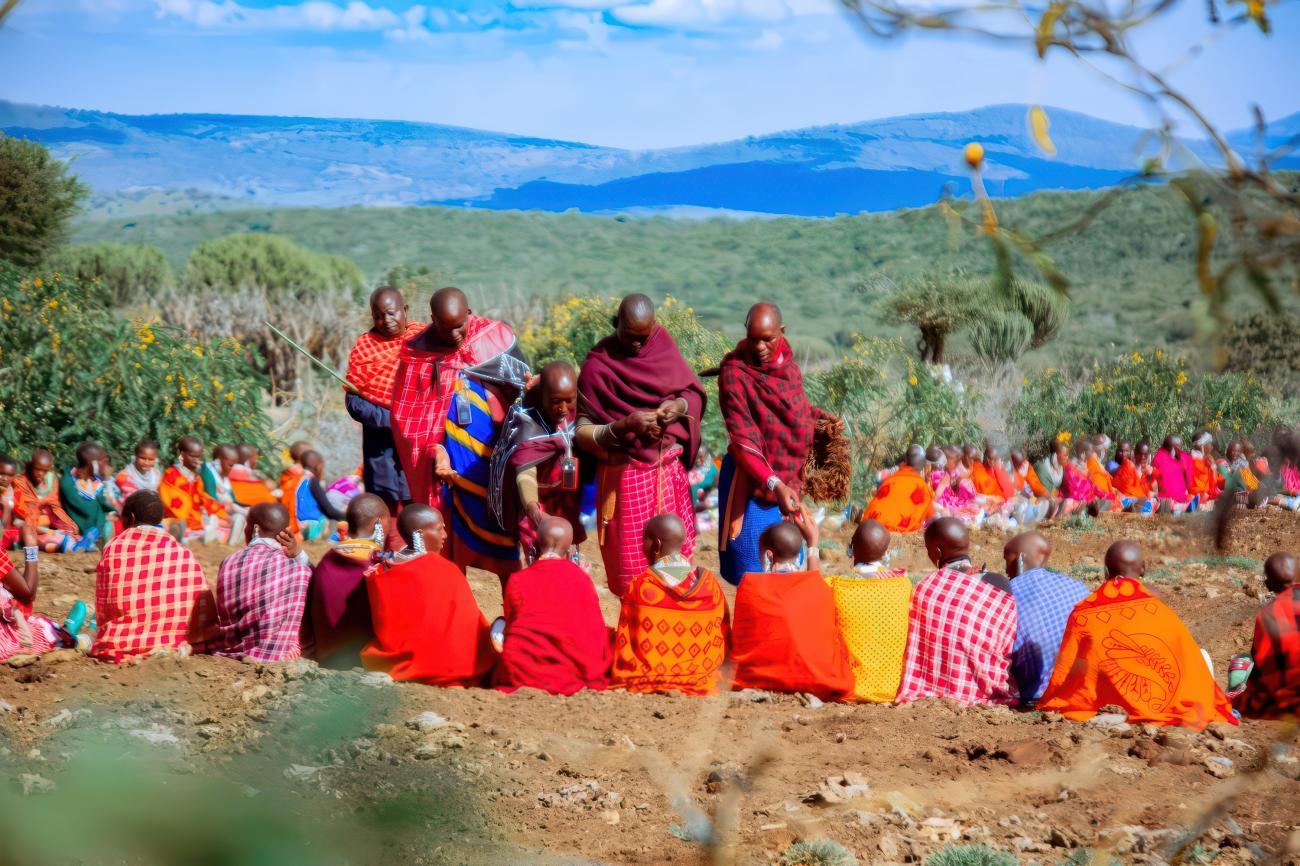
For countless generations, the Maasai have governed their communities without separating leadership from land, culture, spirituality, livestock, and collective responsibility. Our governance system is not built around one powerful individual. It is a living network of Elders, women, spiritual leaders, family heads, and community assemblies, each carrying different responsibilities. Authority is earned through service, wisdom, integrity, experience, and the ability to protect the well being of the whole community.


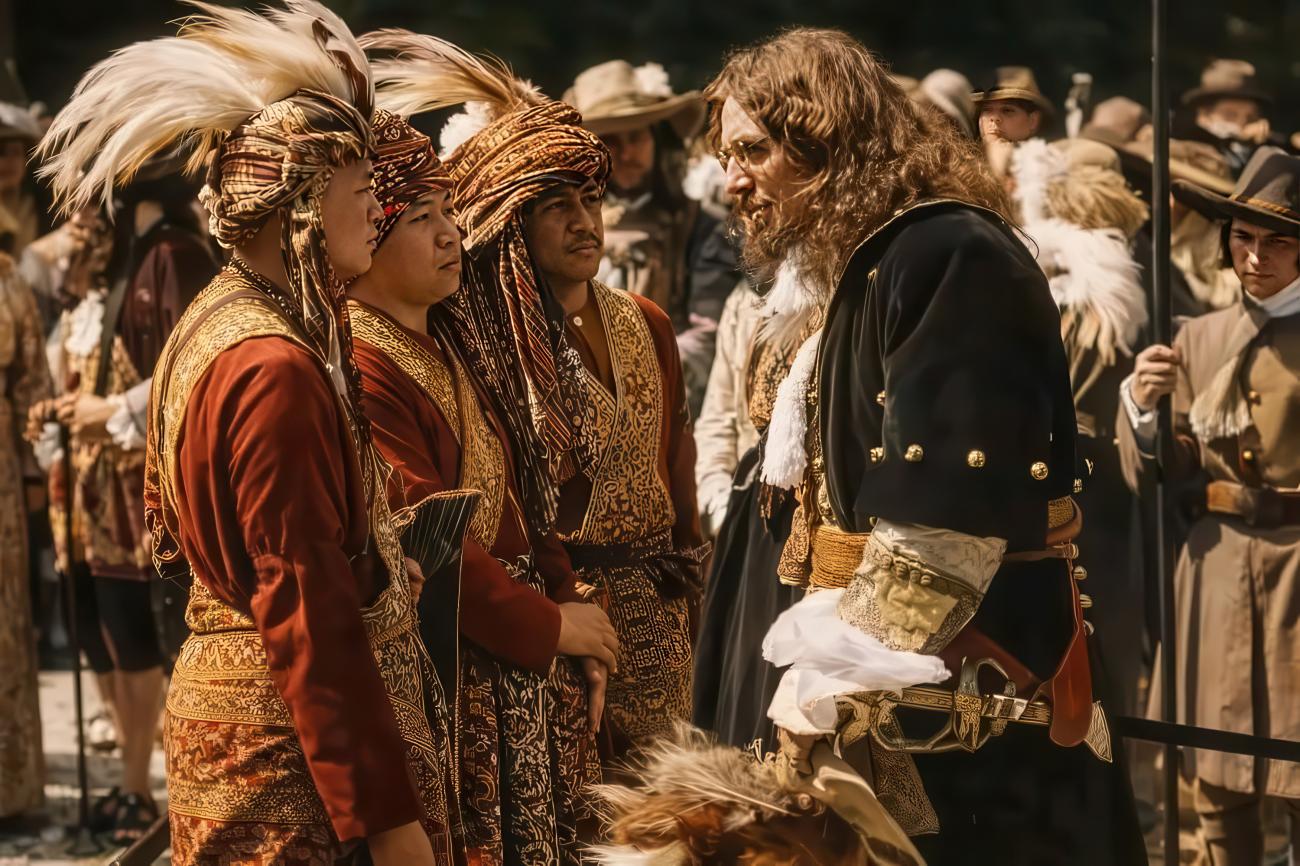
Long before the concept of modern democracy emerged in ancient Greek political thought, the Minahasan Peoples had already developed their own system of governance rooted in consensus-based deliberation, equality, division of responsibilities, and collective accountability. Unlike societies structured around rigid social stratification, Minahasan society embraced the principle of human equality. Individuals were seen primarily based on the roles and responsibilities they assumed within their communities, rather than social status.


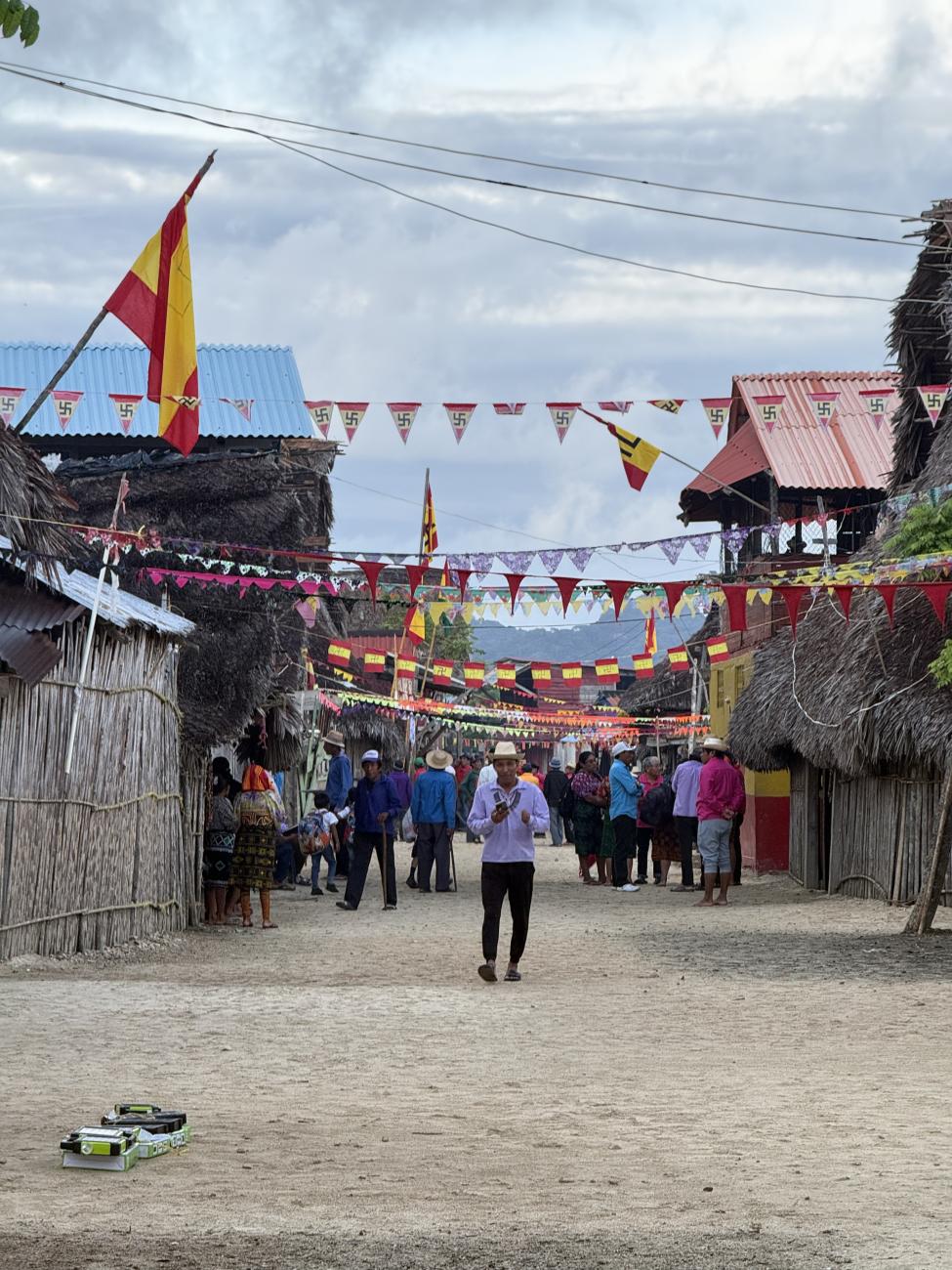
Gunayala is a leading example of Indigenous autonomy and self-government in Abya Yala. The Guna Peoples have been defending their territory, their identity, and their own form of governance long before international instruments such as the UN Declaration on the Rights of Indigenous Peoples formally recognized the rights to self-determination, autonomy, and self-government.


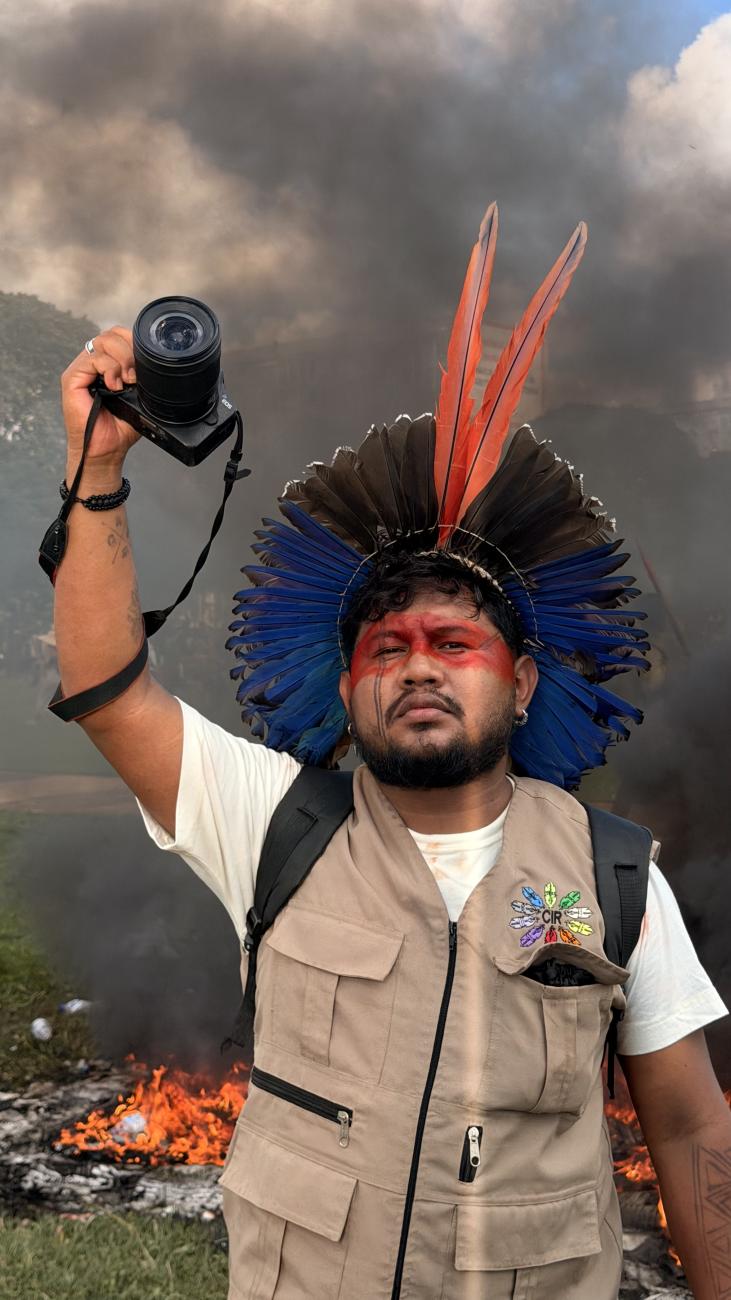
In a time of climate change, economic pressures, and growing threats to Indigenous rights, self-governance remains the most effective response for building a sustainable future for the next generations. The Indigenous Council of Roraima (CIR) in the Amazon rainforest demonstrates that Indigenous governance does not merely involve a recognition of Indigenous presence and political representation. It is a living process, built daily by communities, leaders, women, youth, and Elders who make collective decisions to protect their territories and secure the future of their Peoples.