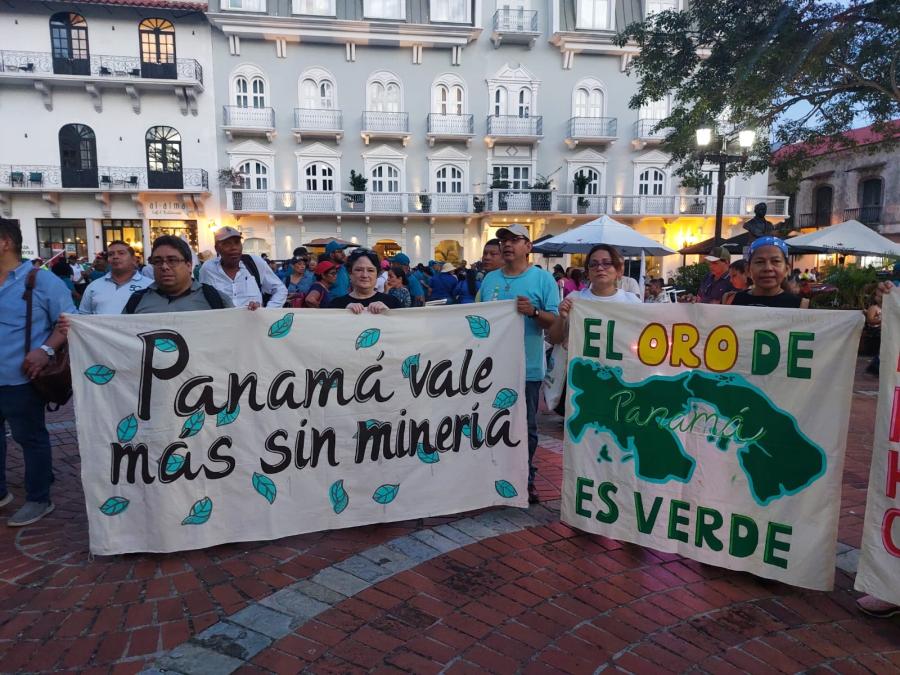
Cultural Survival releases the report “The Forgotten Ones of the Changuinola River” and launches the campaign “La justicia no se represa” (Justice Dammed) during the IACHR’s 197th Period of Sessions in Panama.
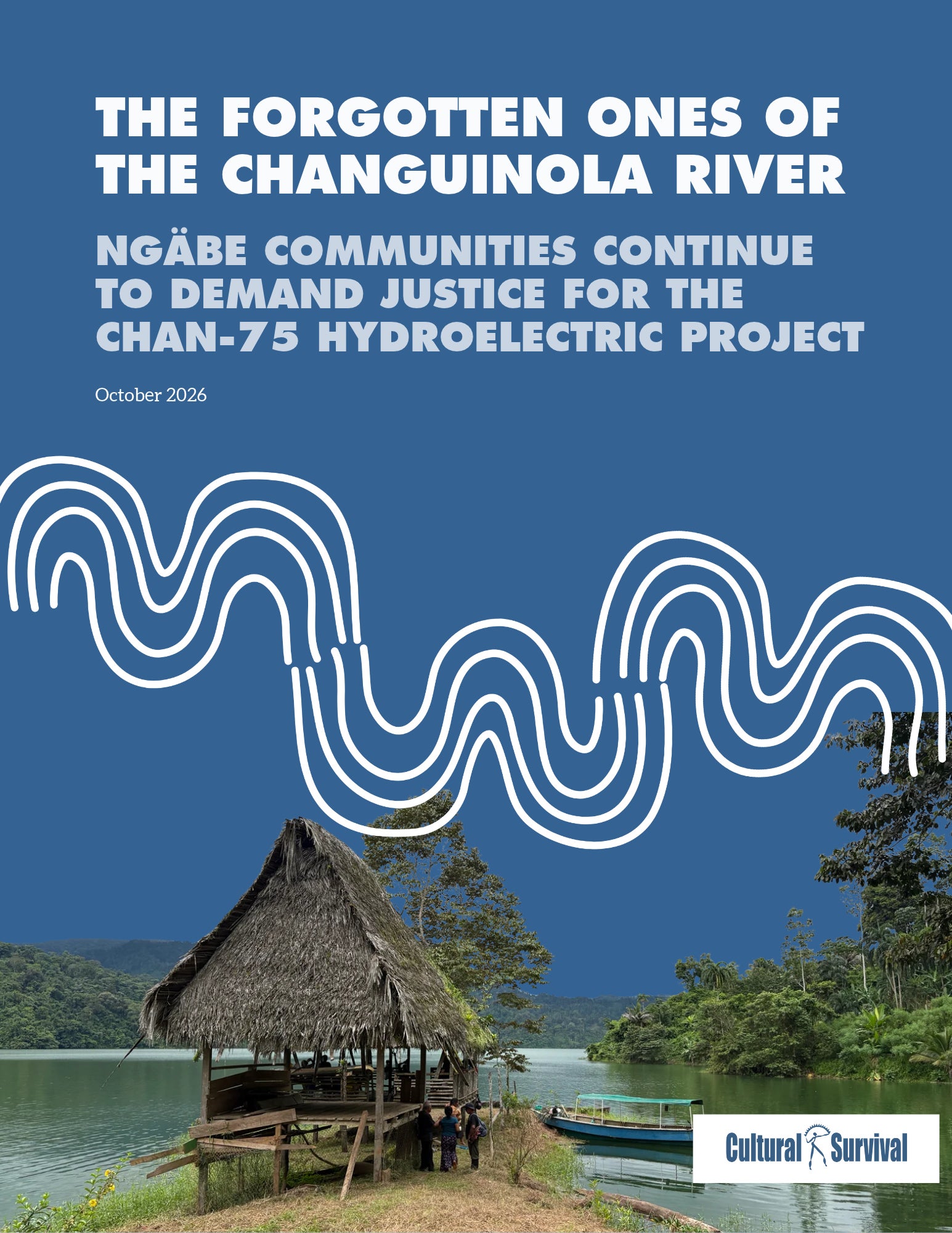
Nearly 20 years after the construction of the CHAN-75 hydroelectric dam began without the consent of the affected Indigenous communities, the Ngäbe communities of the Changuinola River Valley in Panama are amplifying their call for justice and comprehensive reparations. Today, Cultural Survival released the report “The Forgotten Ones of the Changuinola River: Ngäbe Communities Continue to Demand Justice for the CHAN-75 Hydroelectric Project," and launched the campaign “La justicia no se represa” (Justice Will Not Be Dammed), calling on the Panamanian State to comply with its international obligations.
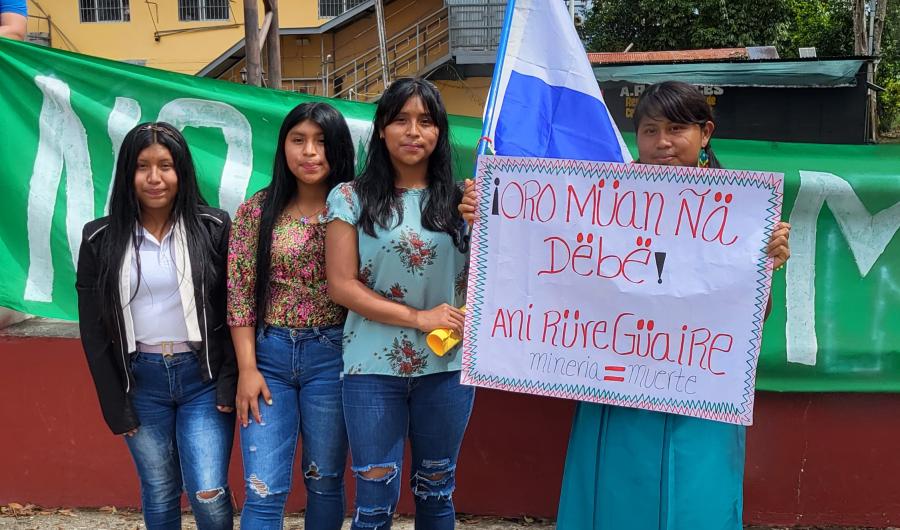
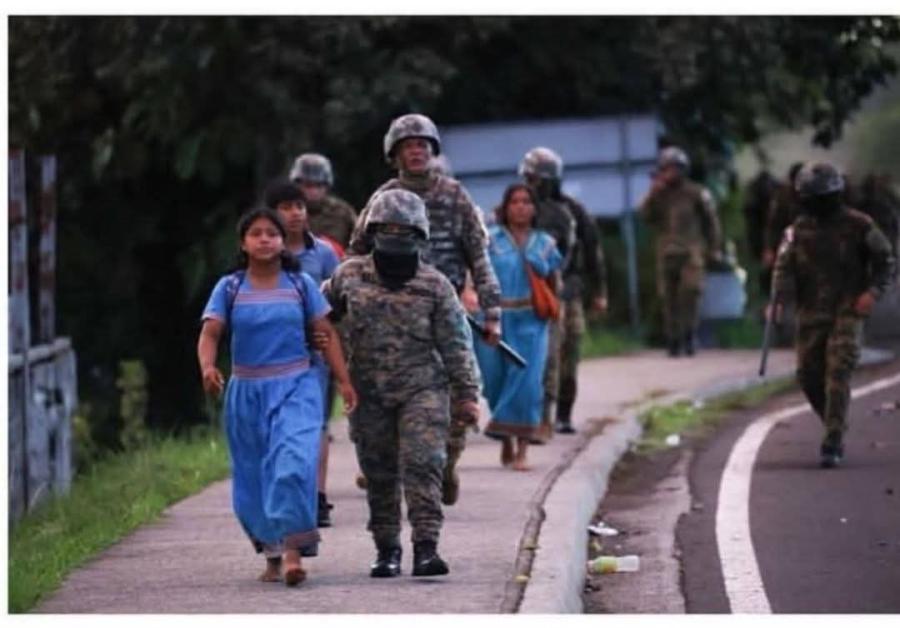
Initiated in 2007 by the U.S.-based AES Corporation in the province of Bocas del Toro, Panama, the CHAN-75 hydroelectric dam project was carried out without adequate consultation or the Free, Prior and Informed Consent (FPIC) of the affected Ngäbe communities. The construction resulted in the forced displacement of families, the destruction of ancestral lands and livelihoods, and severe environmental degradation of the Changuinola River, the lifeblood of the region. Peaceful protests in January 2008 were met with severe police repression, arbitrary detentions of dozens of community members—including children and an 11-month-old baby—and reported human rights violations.
In 2021, the Inter-American Commission on Human Rights (IACHR) issued Merits Report 401/21, formally concluding that the Panamanian State is responsible for violating the human rights of the affected communities and establishing six fundamental recommendations to repair the harm. However, five years later and following at least 15 extensions granted to the State, the recommendations remain largely unfulfilled. Furthermore, the State continues to question the legitimacy of the complaint, maintaining that only families who were resettled due to the construction of CHAN-75 could demand reparations, not the rest of the affected communities.
"The Changuinola River and the communities who depend on it have endured nearly two decades of abandonment, unfulfilled promises, and systemic indifference," said Ilenia May Pérez, Panama Advocacy Coordinator at Cultural Survival. "Justice cannot remain stalled while a second hydroelectric concession, Changuinola II (CHAN II), threatens the exact same river and territorial rights without consent or comprehensive reparation to affected communities."
Ngäbe communities and Cultural Survival are also calling on the Panamanian State to:
-
Comply fully with all IACHR recommendations and recognize all impacted Ngäbe families and communities.
-
Effectively delimit, demarcate, and title the ancestral territories of the affected Indigenous communities with full legal certainty
-
Strictly enforce Law No. 37 (2016) on Free, Prior and Informed Consent.
-
Abstain from authorizing or advancing the Changuinola II project in the absence of community consent and comprehensive reparations.
Under the Inter-American system, when a State fails to comply with the recommendations of a Merits Report, the IACHR may submit the case to the Inter-American Court of Human Rights, whose judgments are binding. If Panama does not comply, that remains the path for the communities to obtain justice.
Cultural Survival stands in solidarity with the Ngäbe communities in their ongoing struggle to ensure that future generations can maintain their cultural identity, protect their territory, and secure true justice.
Read the report: “The Forgotten Ones of the Changuinola River: Ngäbe Communities Continue to Demand Justice for the CHAN-75 Hydroelectric Project"