By Damaris Lenantare (Rendille, CS Journalism Fellow)
For pastoralist communities in Northern Kenya, livestock is everything. It is more than a source of livelihood; it is a means of survival.
For generations, cattle, goats, sheep, camels, and even donkeys have sustained families across the arid lands of Marsabit. They provide milk for children, income for households, and a deep sense of identity and pride. Livestock has long been the backbone of life for the Rendille pastoralist community in the Marsabit region. Today, however, this way of life is under serious threat as prolonged drought and climate change place increasing pressure on pastoralist communities.
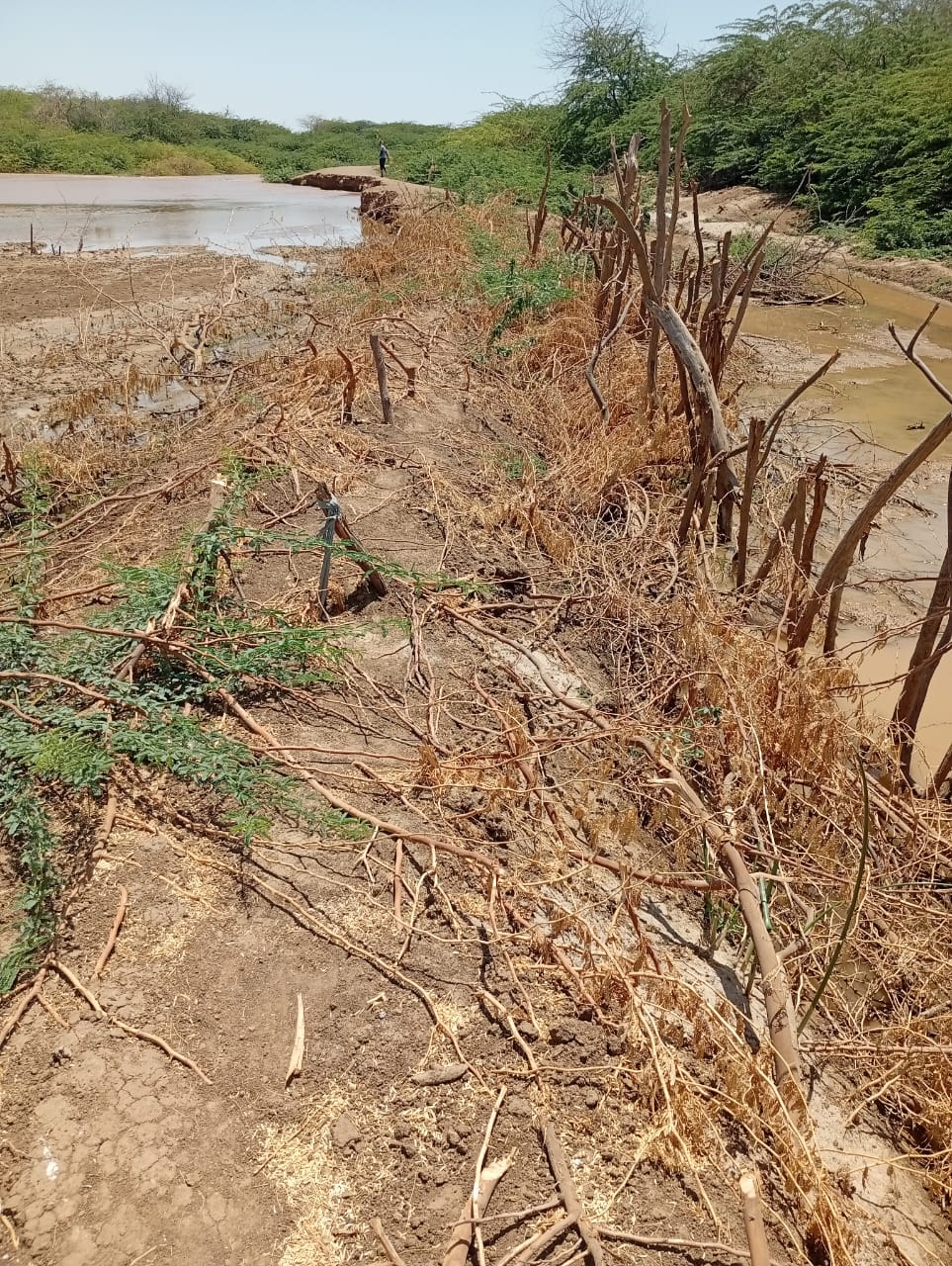
Recurring droughts and rising temperatures are wiping out livestock herds across Northern Kenya. Grazing fields that once sustained animals for months have turned into stretches of dust, hot sand, and thorn bushes. Wells have dried up across the vast landscape, forcing herders to travel long distances in search of water and pasture. Many animals do not survive the journey.
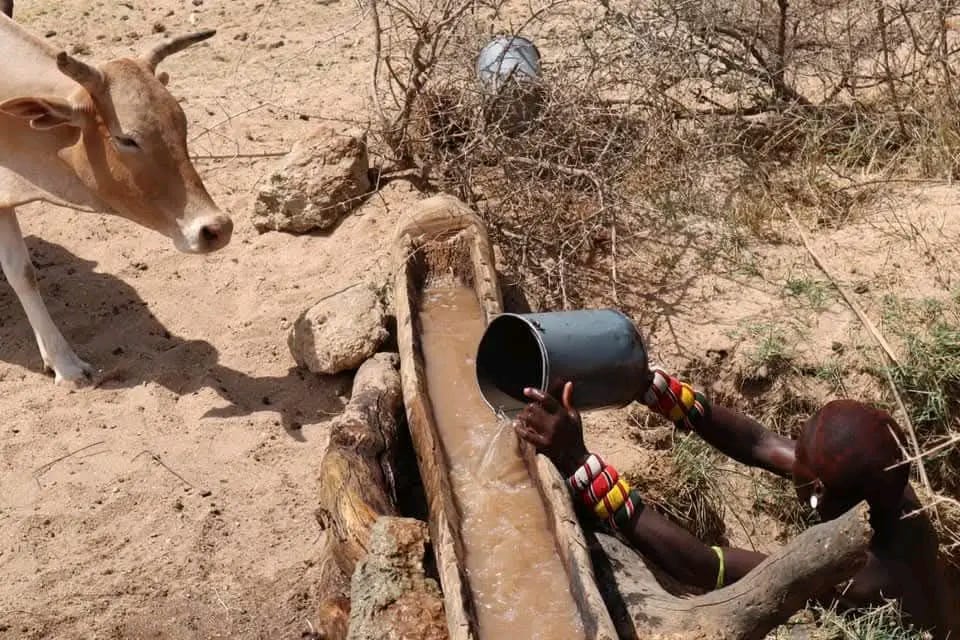
One early morning, around 6:00 a.m., as I made my usual journey to the studio for my radio breakfast show, I met Nareu Lito, a 20-year-old Rendille woman. She was walking her animals towards the grazing fields in search of pasture and water. I stopped and exchanged greetings with her. As someone who also reports on climate change, I have been documenting these experiences and amplifying voices from the arid and semi-arid lands, or ASAL region, with the aim of highlighting the realities of climate change in the lives of Rendille pastoralists.
Nareu shared her story. In her voice, there was a clear sense of fear and the pain of potentially losing everything she holds dear—her livestock, which provides the income her family depends on for almost every aspect of daily life. As she spoke, tears ran down her cheeks. It was clear how deeply drought and the loss of livestock had affected her household.
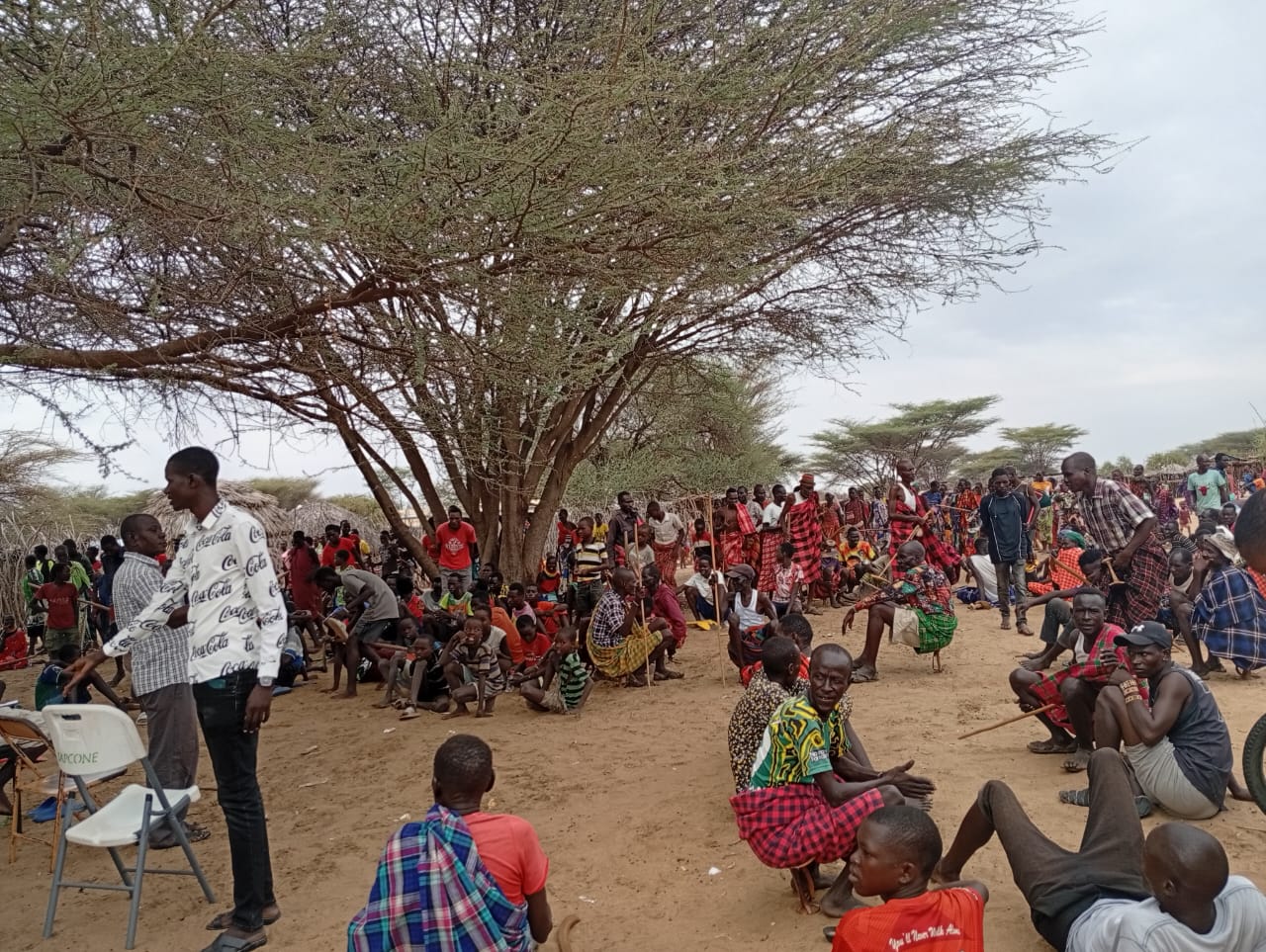
Listening to her story was painful. It reminded me of the area where I come from and of the realities that pastoralist communities face every day as natural disasters increasingly shape and dictate their lives. For pastoralist families, the death of an animal is not simply an economic loss. When a cow dies, it can mean less milk for young children. Losing a goat can mean less money for food, school fees, and clothing. When a camel collapses, a family loses an important asset that could otherwise have been sold during an emergency.
Across the Marsabit region of Northern Kenya, livestock serves several purposes at once. It functions as a savings account, a source of food, and a safety net for families during difficult times. When drought destroys an entire herd, families can lose years of investment within a matter of weeks. Rebuilding that wealth can take many years, particularly when another drought strikes before communities have had enough time to recover.
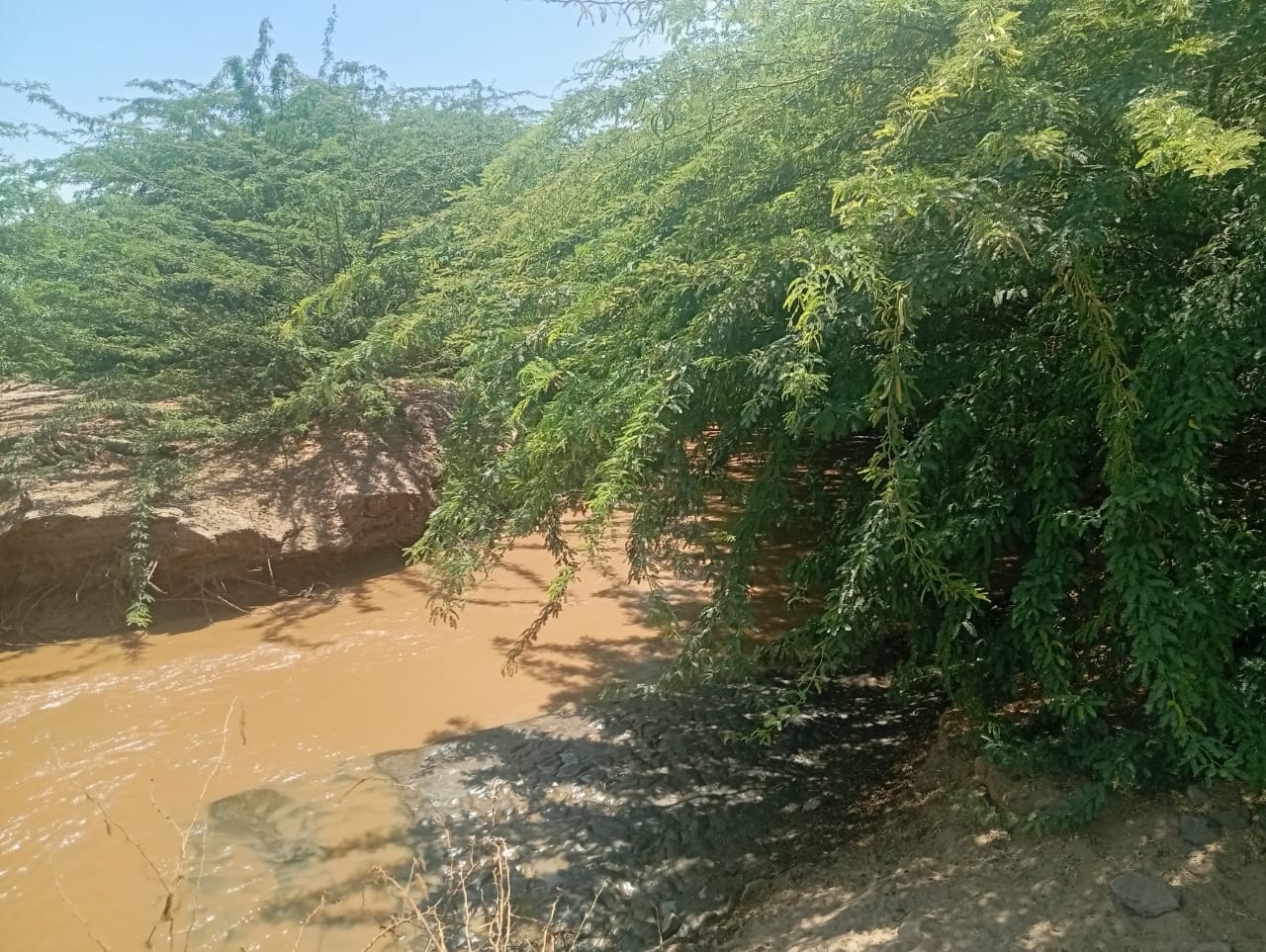
For generations, pastoralist communities have adapted to harsh environmental conditions through mobility and traditional knowledge. Elders were able to predict seasons, identify grazing patterns, and move livestock before conditions became severe. Climate change, however, is making these traditional systems increasingly less reliable. Rains may arrive late, stop earlier than expected, or fail completely. Droughts are also becoming longer and more frequent, leaving pastoralist families with little time to recover between crises.
Organizations such as PACIDA, Caritas Marsabit, and other humanitarian partners are supporting affected communities through emergency assistance and livelihood support. However, local leaders say emergency aid alone is not enough to protect pastoralist communities in the long term. They say greater investment is needed in water infrastructure, livestock insurance, and alternative income opportunities that can help families withstand recurring droughts and climate-related shocks.
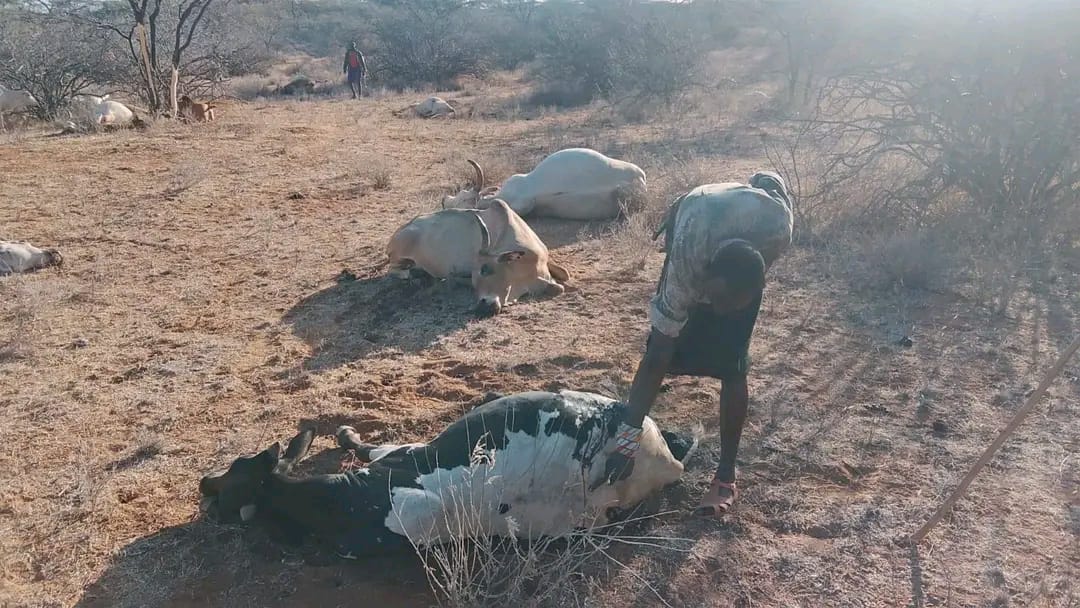
Despite the growing hardship, many pastoralist families continue to fight to maintain their way of life. Herders still wake before dawn and travel in search of grazing land. Communities continue to share information about available water points and the condition of grazing areas. Their resilience remains strong even as the environment around them becomes increasingly harsh.
In Marsabit County, the death of a cow is never simply the death of an animal. It represents the loss of food, income, opportunity, and hope for a family. As climate change intensifies, protecting livestock and strengthening the resilience of pastoralist communities is increasingly important for preserving livelihoods and the way of life that has sustained generations across Northern Kenya.
--Damaris Lenantare (Rendille) is a 2026 Cultural Survival Indigenous Journalism Fellow. She is a journalist and Indigenous women's rights activist from Kenya. She specializes in radio program production and short video reporting to amplify the voices of Indigenous Peoples, focusing on land rights, climate change, and cultural conservation in northern Kenya.