By Anonymous Journalism Fellow from Indonesia
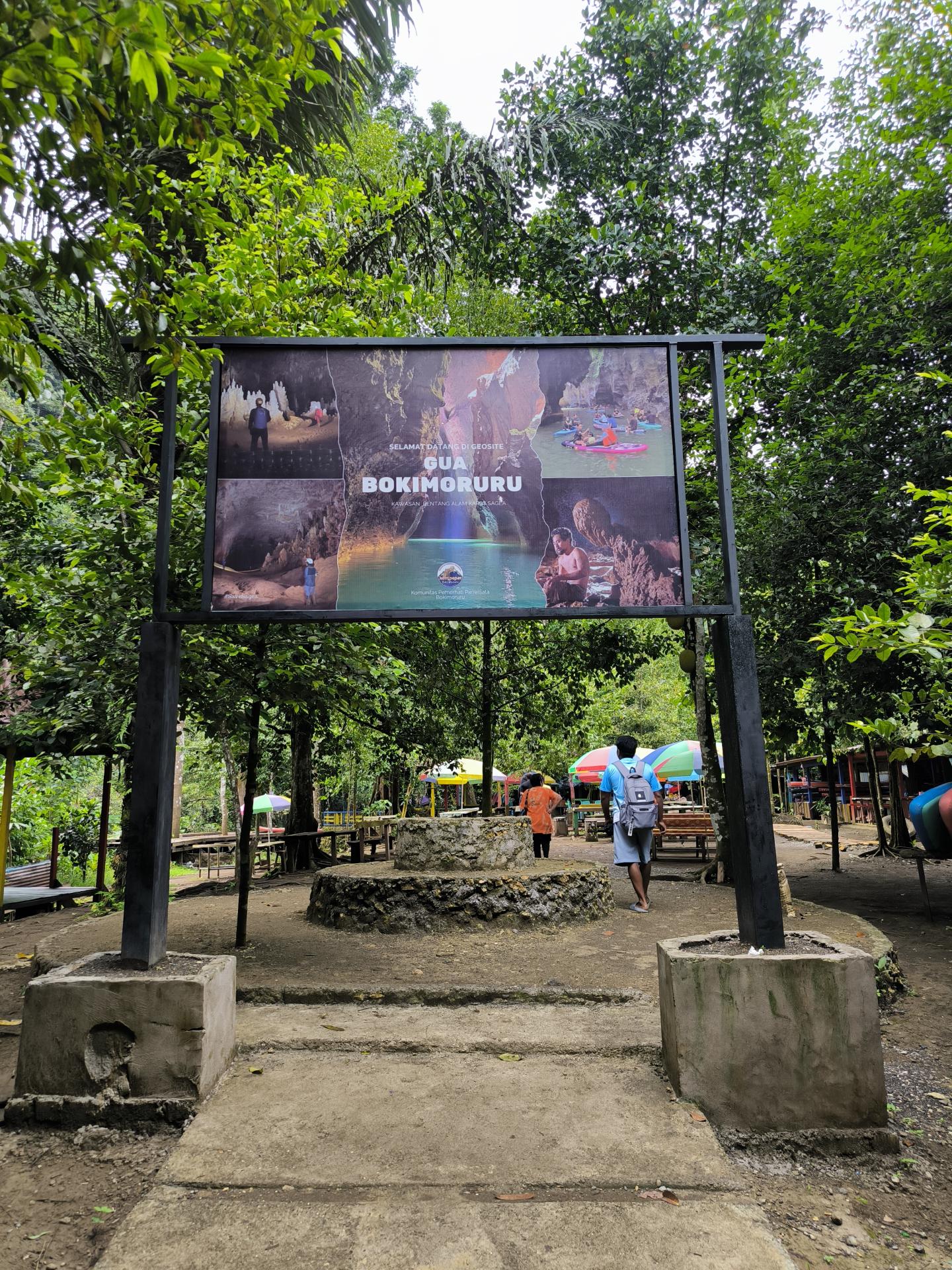
The breathtaking beauty of Bokimoruru Cave, one of Halmahera Island’s longest and most remarkable karst cave systems, faces growing threats from expanding nickel mining in the surrounding region in Indonesia. Located in Sagea Village, North Weda District, Central Halmahera Regency, North Maluku Province, Bokimoruru Cave—also known as Boki Maruru—is a natural wonder featuring an underground river, crystal-clear turquoise waters, and towering stalactites and stalagmites resembling white marble sculptures.
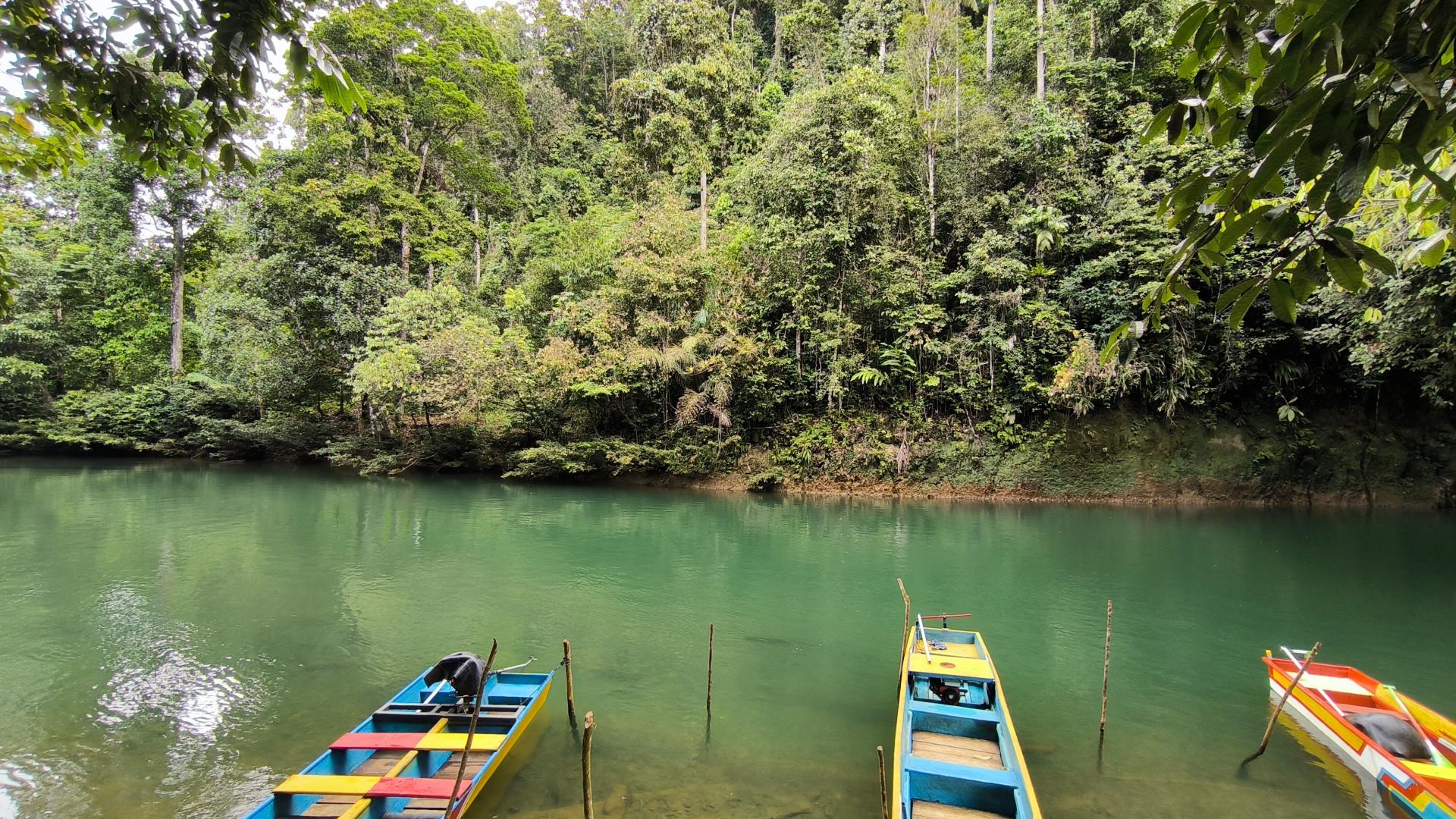
Stretching approximately 7.6 kilometers, the cave has become a symbol of pride for the people of Central Halmahera and a major tourism attraction. Visitors typically travel from Sagea Village by ketinting—a traditional motorized wooden boat—along the Sageyen River for about 15–20 minutes before reaching the cave entrance. Inside the cave, visitors encounter unique geological formations and the iconic Batu Sembayang (Prayer Stone), a stalagmite formation resembling a person sitting in the tahiyyat position during prayer. For the local community, the formation is not merely a natural structure but a sacred landmark carrying cultural meaning.
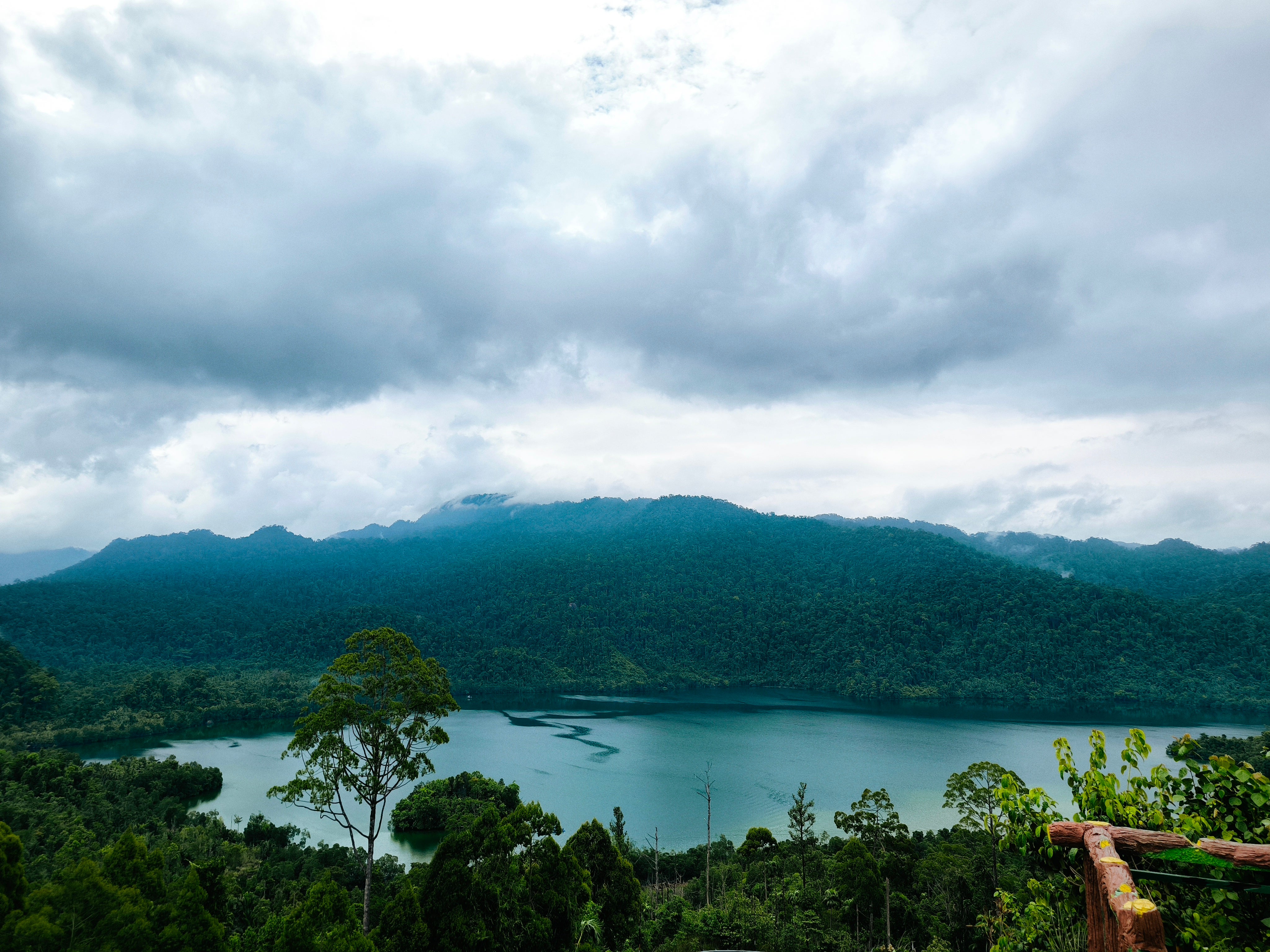
At the cave entrance lies Buleu, a sandy riverbank area where the water turns a striking turquoise blue. The location has long served as a resting place and camping area for visitors. The surrounding tropical rainforest remains rich in biodiversity, including several bird species endemic to Halmahera and North Maluku. According to local folklore, the name Bokimoruru originated from the story of a princess from the Sultanate of Tidore who drifted (maruru) along the river and disappeared, giving the cave its name and adding to its cultural significance. However, the natural and cultural heritage of Bokimoruru is now under pressure from the rapid growth of nickel mining activities in the region.
Nickel Expansion Raises Environmental Concerns
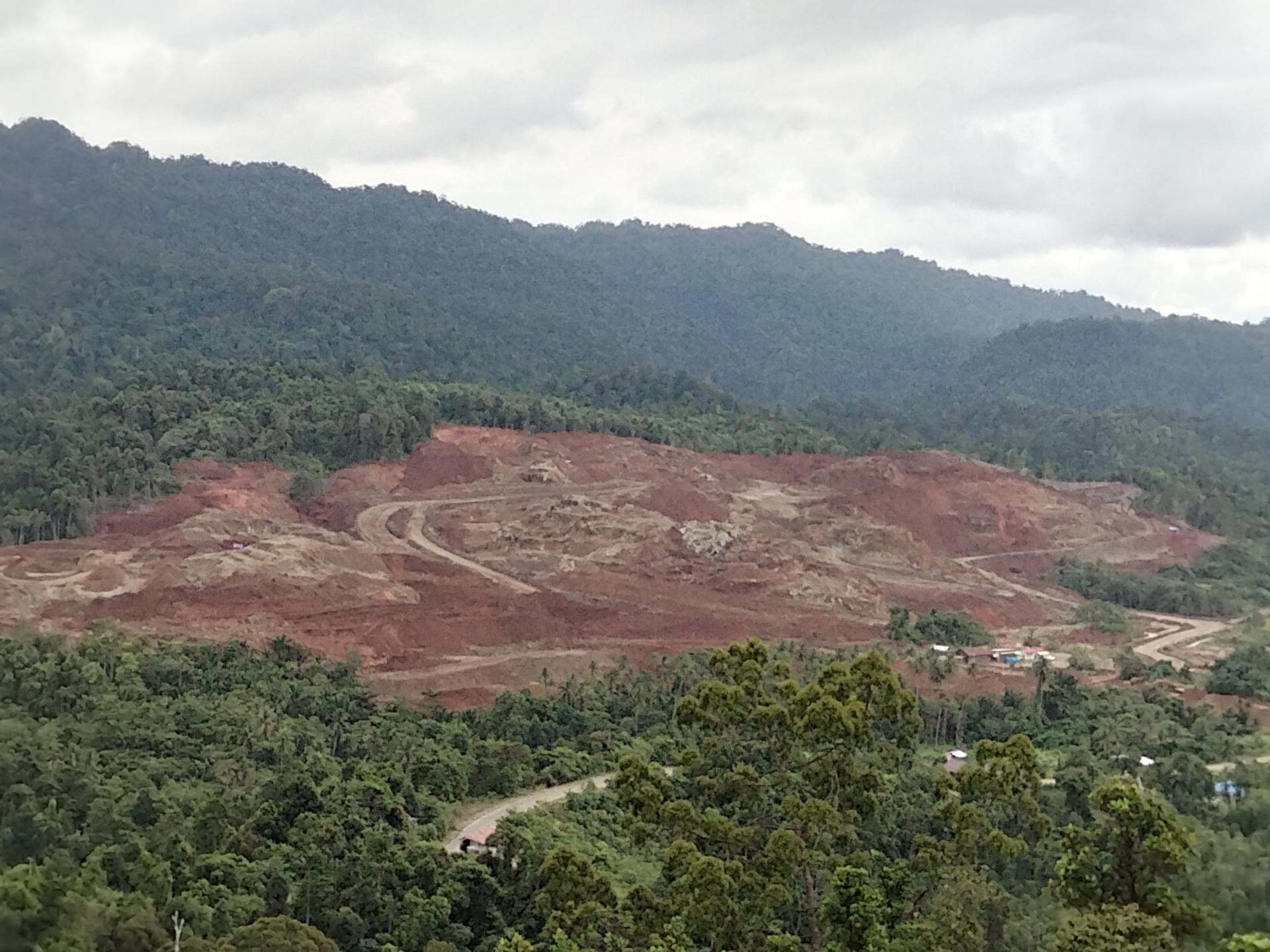
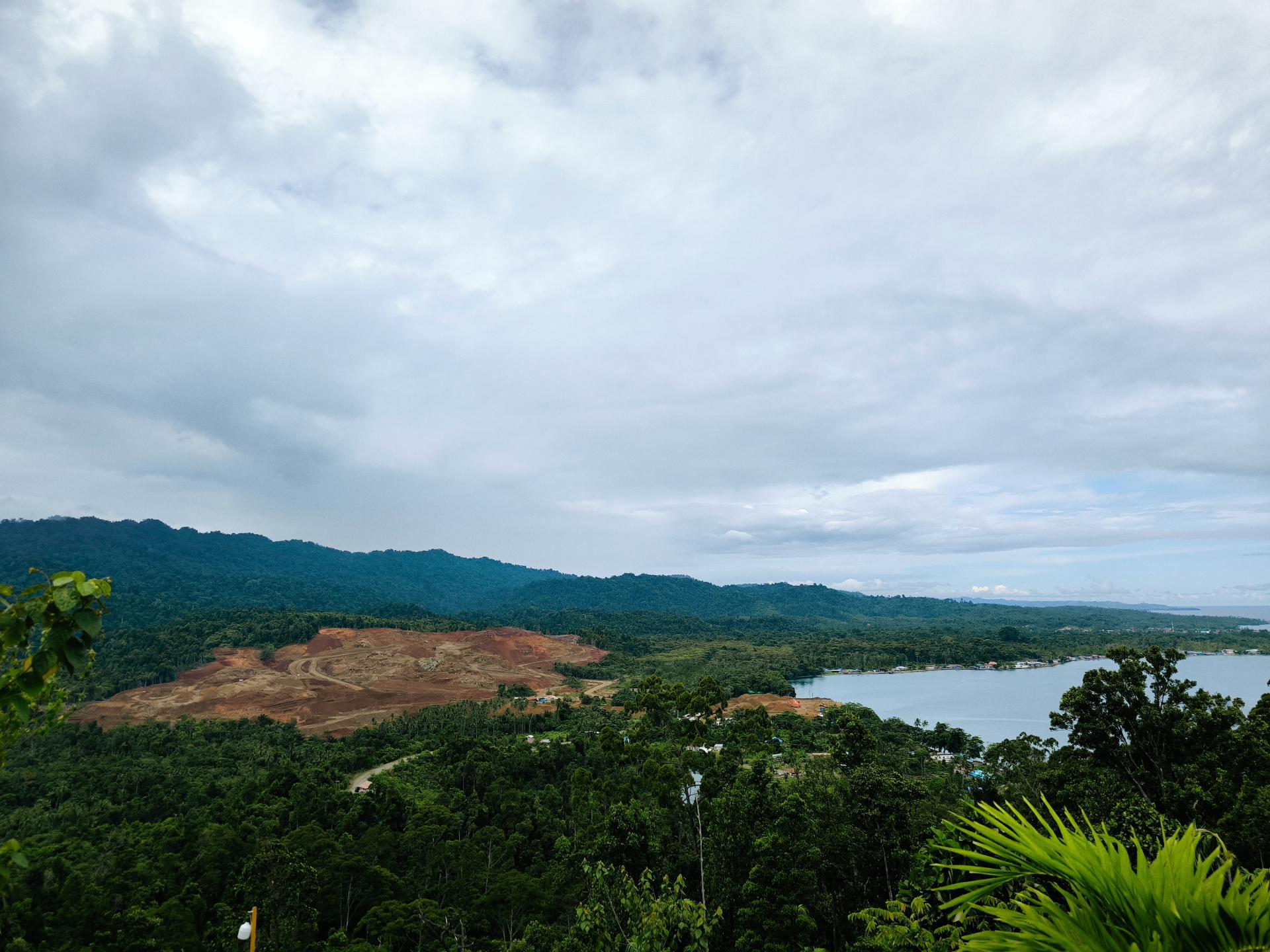
In the coastal areas of Sagea and Kiya villages, nickel mining operations have expanded in recent years, involving companies including PT Mining Abadi Indonesia (MAI), PT Zong Hai Rare Metal Mining Indonesia, and other foreign-linked mining firms. Residents of Sagea and Kiya have expressed concerns over the environmental consequences of mining activities, particularly their potential impact on rivers, forests, agricultural land, and tourism-based livelihoods.
For generations, the people of Sagea-Kiya have depended on farming and fishing. Their gardens produced valuable crops such as cloves, nutmeg, and coconuts, while the waters of Weda Bay provided fish and other marine resources. The area is also home to important cultural landscapes, including Lake Yonelo and Mount Legae Lol, which hold spiritual and historical significance for the Sagea indigenous community. These natural sites are regarded as part of their ancestral identity and cultural survival.
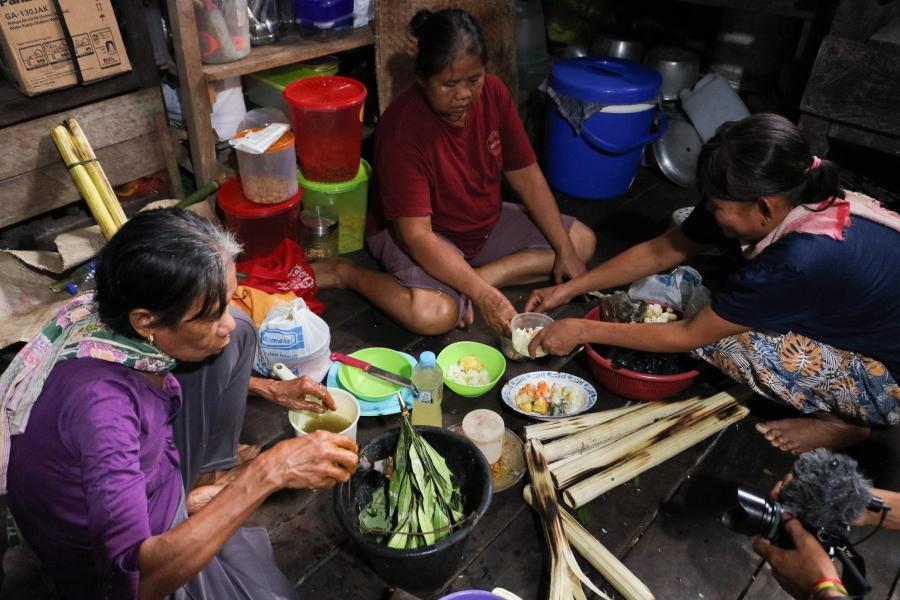
Before the arrival of large-scale mining operations, Bokimoruru Cave and surrounding natural attractions supported a growing local tourism economy. Women from Sagea and Kiya operated food stalls, sold traditional products, and earned income from visitors who came to experience the region’s natural beauty. Today, residents fear that mining expansion could threaten both their environment and economic stability.
Declining Tourism and Changing Livelihoods
Local residents say that mining activities have affected the condition of rivers and tourism areas around Bokimoruru Cave. Rubaya, an indigenous woman from Sagea-Kiya, said that water sources previously used for daily activities have become increasingly polluted.
“The rivers where we wash and collect drinking water have become murky since these mining companies arrived. PT MAI’s activities around Lake Yonelo, which is close to our sacred ritual areas, have also created serious concerns,” she said.
Residents also claim that mining activities by companies, including PT Yong Hai, PT IWIP, and PT Weda Bay, have contributed to environmental changes, particularly around waterways local communities rely on.
According to Rubaya, women who depend on tourism-related businesses near Bokimoruru Cave have been among those most affected.
“We managed Bokimaruru Cave carefully while running our food stalls. But when the river becomes muddy, visitors stop coming. When rain falls upstream, the water quality changes immediately, and our income disappears,” she said.
She added that supporting facilities at the tourism site, including access infrastructure such as stairs leading to the cave, have deteriorated.
“We have reported this to the regent’s office and the regional secretary. They promised repairs, but nothing has changed. This is why we reject companies that only bring harm and take away our livelihoods,” she said.
Loss of Agricultural Land and Traditional Livelihoods
Mining has also transformed the community's economic structure. Many former farmers and fishermen have shifted to becoming mining workers after agricultural land was converted into mining areas. Residents said the transformation accelerated after land clearing began in 2022 under PT First Pacific Mining (FPM), which resulted in the disappearance of several community gardens. They also raised concerns about the land acquisition process, including compensation values and environmental procedures.
According to residents, some land was purchased at prices of around IDR 20,000 per square meter for flat areas, IDR 15,000 for wetlands, and IDR 12,000 for mountainous land. They compared these figures with a community-agreed rate of IDR 50,000 per square meter. Rubaya said that environmental assessments and community consultations should have been conducted before land clearing began.
“Before acquiring land, an environmental impact assessment consultation should have taken place. Instead, it was ignored. The company also cleared land close to rivers, which creates a risk of pollution,” she said.
Concerns Over Future Generations
Another resident, Saoda, said many families now regret losing agricultural land that once provided food and income.
“Today, it is difficult to harvest anything from our gardens. No land is left because it belongs to companies. If we need food, we must buy it. We deeply regret giving up our gardens,” Saoda said.
She added that nickel processing requires extensive land clearing, affecting forests, water sources, and community resilience.
Residents have also expressed concern about the futures of younger generations. Many families hoped their children would continue to higher education, but financial difficulties and limited opportunities have pushed some young people toward mining employment.
“Our children should continue their education after high school. But without financial support and with the environment around them, many eventually become mining workers,” Saoda said.
A Struggle to Protect Heritage
For the people of Sagea-Kiya, Bokimoruru Cave represents more than a tourism destination. It is a symbol of ancestral heritage, cultural identity, and a source of livelihood. As nickel extraction continues to expand across Central Halmahera, local communities are calling for greater protection of their natural resources, cultural sites, and traditional ways of life. They fear that without stronger environmental safeguards, one of Halmahera’s most extraordinary natural treasures could gradually disappear beneath the pressure of industrial development.
--The writer is a journalist covering Indigenous Peoples of the Indonesian Archipelago, specifically the Maluku Islands, and a 2026 Cultural Survival Indigenous Journalism Fellow. She is a journalist and human rights defender based in Indonesia who has pioneered some initiatives for women's empowerment and youth counseling. She has over two decades of experience in media advocacy for women, children, and Indigenous communities, documenting the violation of Indigenous Peoples' rights to land and access to customary forests by the extractive industries. In this fellowship, she will amplify the voices of Indigenous communities, primarily focusing on the environmental impacts of mining through investigative articles and visual reports on the disruption of local economies and the degradation of Indigenous land and territories caused by mining expansion.