By Sin Bolai, Program Officer, Conserve Indigenous Peoples Language Organization
Indigenous communities in Ratanakiri province in Cambodia are facing growing challenges due to rapid development projects that are resulting in the loss of their lands, cultures, and livelihoods. The projects, such as rubber plantations and dam construction, have brought deforestation, land loss, and displacement risks, further eroding the cultural traditions and Indigenous languages. Despite these pressures, local communities, especially youth, are finding ways to amplify their voices, particularly through youth-led media initiatives.
For generations, Indigenous Peoples in Ratanakiri have relied on forests, rivers, and farmland for survival. These resources are not only economic lifelines, but also sacred spaces linked to cultural identity. However, large-scale rubber plantations have destroyed most of the forest, leaving many families without farmland and threatening food security. Dam projects have displaced entire villages and submerged ancestral lands, resulting in fears that sacred forests and cultural practices may disappear. “We want our land and sacred forests protected. Now our voice is recorded and shared,” said Roeurn Sreykia, a community member from a dam-affected village.
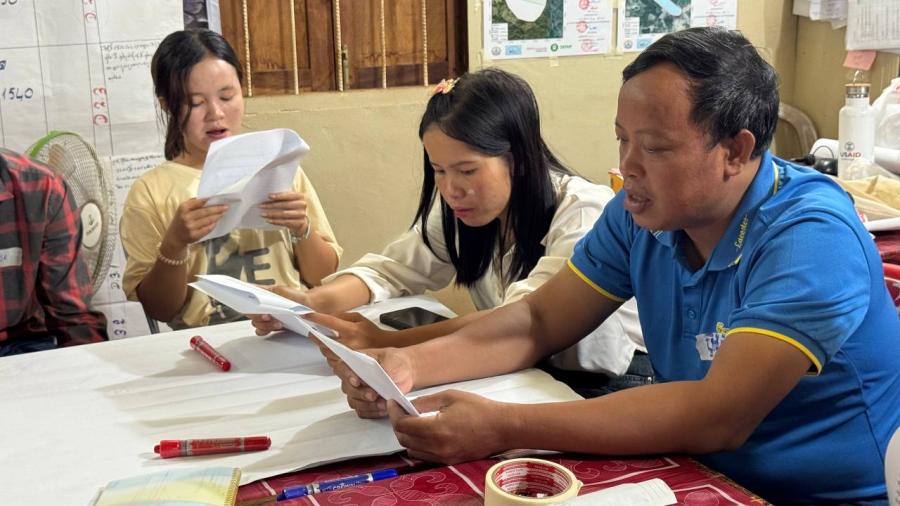
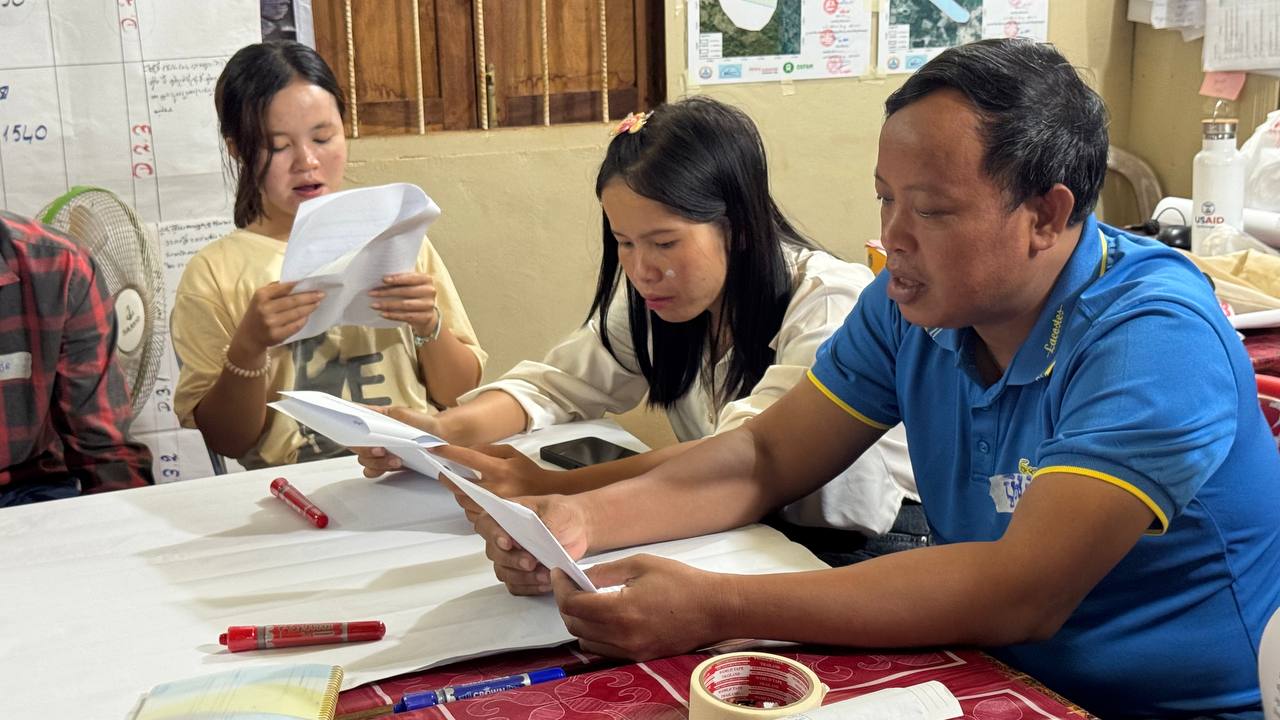
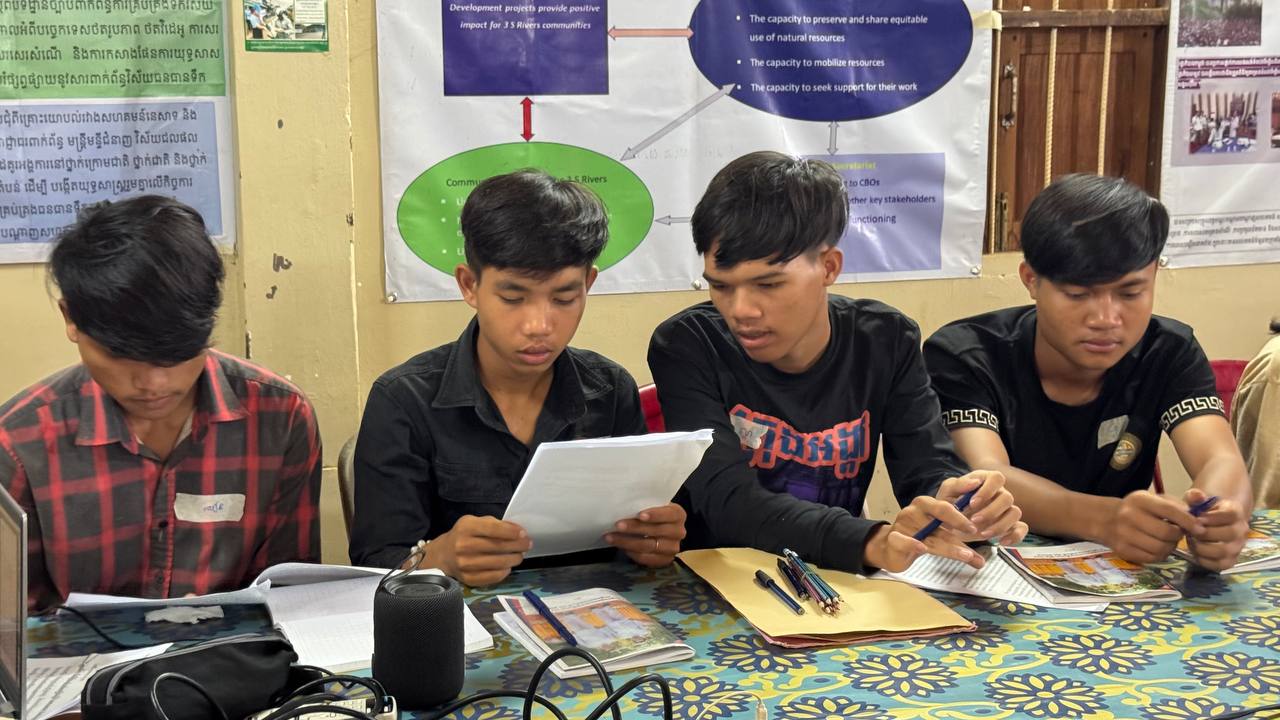
Mainstream media rarely cover these struggles, leaving Indigenous Peoples’ voices unheard. Youth in particular face barriers, including limited training, scarce resources, and few opportunities to report on the issues affecting their communities. To close this gap, Conserve Indigenous Peoples Language Organization (CIPL) organized a citizen journalism training workshop to help Indigenous youth and women to create their own digital media platform.
There, they can produce their own media content in their own Indigenous languages, which we believe will ultimately help to protect culture, promote rights, and break the silence surrounding Indigenous Peoples’ issues.
CIPL has focused mainly on education in digital skills and capacity building with training for Indigenous youth and women to understand media rights, digital security, and storytelling; theyare now prepared to create stories that promote their rights and languages. Sin Bolai, a member of the Cambodia Indigenous Youth Media Network, reflected the growing confidence among young reporters: “Digital media, in this age of technology, helps us protect our culture and language.”
The digital divide is a big problem. Technology can support advocacy and help people to generate income, but many Indigenous youth lack access to the internet and media skills.
Significant risks such as misinformation, online fraud, and digital insecurity further complicate their participation. Bridging this divide is important to ensure Indigenous communities can fully engage in digital advocacy and protect themselves online.
We also conducted a case study that highlights the transformative impact of training. Aen Khat, a youth from Thmey Village in Lumphat District, had little knowledge of climate change, despite his community’s struggles with irregular rainfall, crop losses, and plastic waste. After attending a two-day climate change training organized by CIPL, he gained a clear understanding of causes and impacts of climate change and ways of adaptation. Following the group discussions and action planning, he became confident in addressing environmental issues. He later developed a community action plan focused on reducing plastic use and replanting trees. “Through this training, I understand climate change better and feel confident to educate my community,” Khat said, echoing the sentiments of many other participants.
These efforts show Indigenous knowledge and modern training can work together. Traditional practices like forest protection and sustainable farming are being combined with new skills in digital media and climate adaptation. This mix makes the community stronger and ensures
Indigenous Peoples’ voices are heard in broader debates about development and environmental protection.
CIPL’s vision is to ensure that Indigenous youth and women will gain a greater understanding of media and digital rights, enabling them to produce stories that promote their rights and languages. By building networks of Indigenous journalists and storytellers, we hope to challenge
mainstream narratives and ensure Indigenous Peoples’ perspectives are included in national conversations.
The challenges are still serious. Deforestation continues, land disputes are ongoing, and cultural loss threatens identity. But Indigenous youth are becoming more confident. They are not only documenting their communities’ struggles but also helping to solve them. Their voices, once ignored, are now being heard through radio, television, and digital platforms.
In Ratanakiri, the fight for land, culture, and language is like a fight for survival. Development projects may bring economic growth, but they can also risk erasing centuries of Indigenous heritage. By empowering youth and supporting community media, Indigenous Peoples are reclaiming their right to speak, resist, and protect their future. Their stories are no longer limited to their villages; they are now becoming part of the national dialogue.
Ting Kham said, “We want our land and sacred forests protected.” This call is not only about land. It is also about identity, dignity, and the survival of cultures that have thrived for generations. Through media, training, and collective action, Indigenous communities in Ratanakiri are ensuring that their voices are heard. They are telling their own stories, defending their rights, and reminding the world that development must respect the people who live closest to the land.
In 2025, Conserve Indigenous Peoples Languages Organization (CIPL) received a grant from Cultural Survival’s Indigenous Community Fund, which provides opportunities for journalism, broadcasting, audio editing, technical skills, and more for community media from Indigenous communities around the world. In 2025 CS awarded a total of $502,000 to 63 Indigenous communication projects that will benefit Indigenous Peoples in 29 countries: Argentina, Bangladesh, Bolivia, Botswana, Brazil, Chile, Ecuador, Colombia, United States of America, Philippines, Guatemala, India, Kenya, Mexico, Nepal, Peru, South Africa, Democratic Republic of Congo, Indonesia, Honduras, Mali, Nicaragua, Cambodia, Chile, Canada, Panama, Paraguay, Papua New Guinea, New Zealand, Nicaragua, and Tanzania.