By Pardo Mwetaminwa, Coordinator, Union of Indigenous Peoples for Peace and Endogenous Development (UPADE)
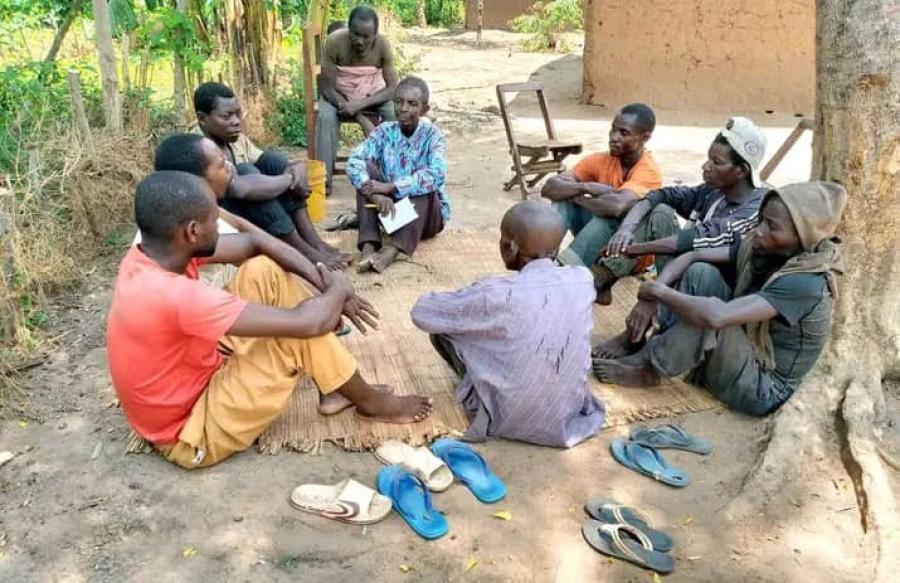
In the remote villages of the Fizi region in the Democratic Republic of Congo, a quiet but powerful change is taking place. For years, Indigenous communities watched as their ancestral lands and territories were dug up and their rivers turned cloudy by mining companies. Families saw their fields destroyed and did not know how to speak out, or who would listen. That silence has now been broken.
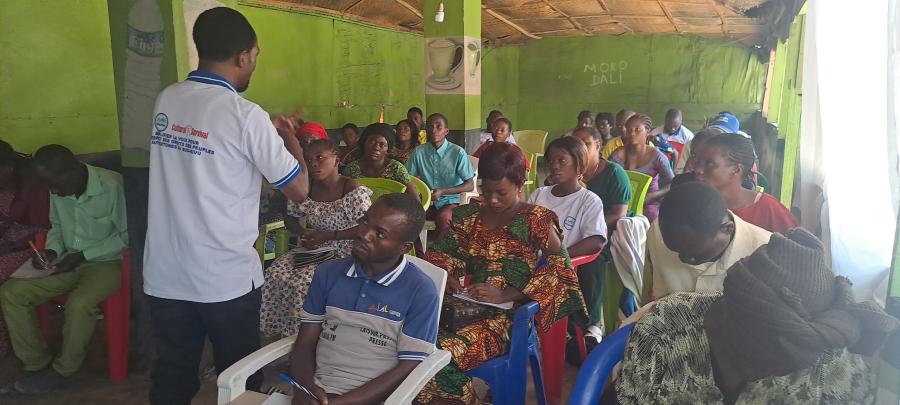
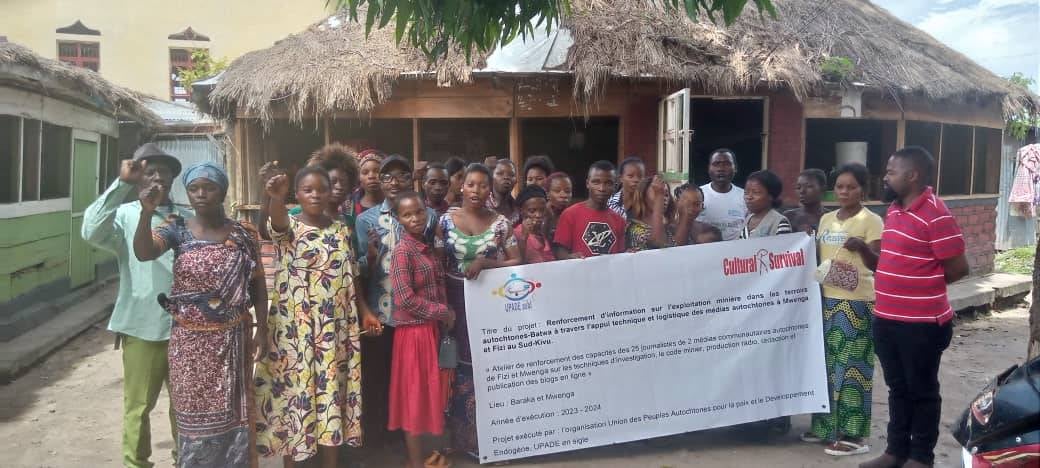
In recent months, Indigenous women have become important leaders in the fight against illegal mining and human rights abuses. After receiving information about the rights violations and basic training in advocacy and platforms for speaking out, these women have gone from being silent to active protectors of their community’s future.
Before this change, many Indigenous women believed that the laws governing minerals and land—the mining code—were meant for others and did not apply to them. They saw the heavy machinery and the polluted water as burdens they simply had to bear. But after the training, their perspective changed. They understood they are equally affected by the mining code, and that the law also protects their rights.
This understanding led them to direct action. Women who once felt powerless are now documenting and reporting cases of human rights abuse. In a short period, Indigenous women have turned into leaders and documented more than 200 cases of rights violations, including sexual and gender-based violence. By finding their voices, they have exposed abuses in the mining industry that were once hidden in the dark.
The impact is deeply felt by those who have lost their livelihoods to unregulated mining. For many Indigenous families, their fields are their only source of food and income. When a mining company begins mining on their land and territories without consent, the consequences are devastating. M’munga ’Yambi, an Indigenous leader, shared the pain of losing his farm to these activities: “My corn field is gone,” ‘Yambi said, “I tried to contact the local government authorities but they told me to wait, and I am still waiting. I hope that through this radio station, the local and national authorities will understand and listen to our problem, too.”
To make sure these stories reach the right people, local Radio Clubs were formed in towns like Misisi and Sebele. These clubs act as a bridge between the quiet villages and the wider world. Members of these clubs are trained in how to gather information and report on the impact of mining. This has turned the local radio station, Radio Voix de la Femme Autochtone, into an important tool for justice.
For a long time, Indigenous Peoples were unaware of their rights and were victims of rights violations, with no one to report them to. Now, they have channels for reporting violations and are making their voices heard.
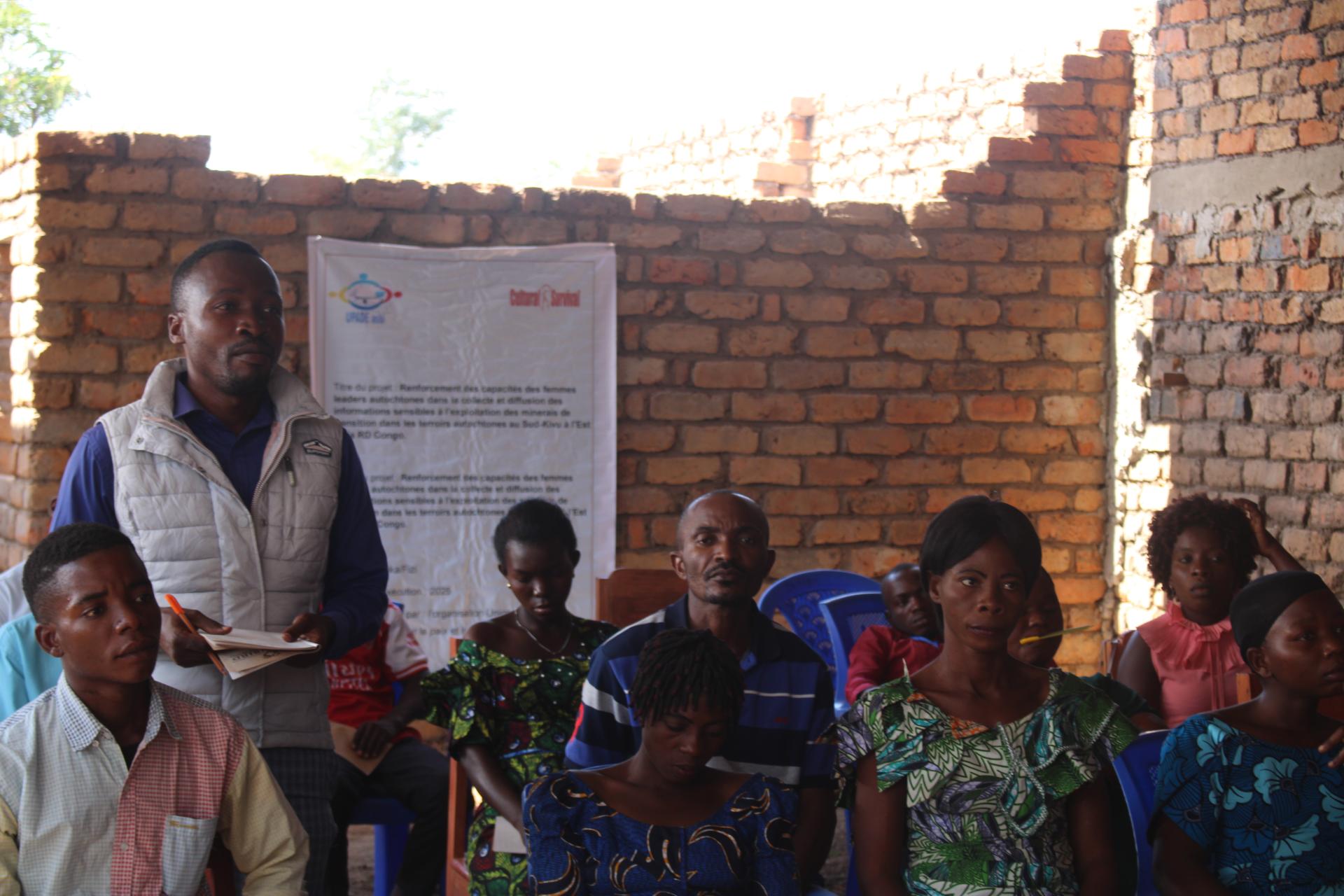
The work is still full of challenges. Being a journalist or a community reporter in these remote, rugged areas is difficult. Many women have to travel long distances on foot to reach mining sites or remote communities because they lack transportation. Despite these hardships, their commitment remains strong. Safi L’homme, a journalist who participated in the training, expressed her gratitude for the skills she gained, noting how essential it is for Indigenous voices to lead these conversations.
The women’s courage is also protecting the next generation. In many mining areas, children under the age of 18 are often found working in dangerous pits because their families have lost their farms and have no other way to pay for school. By challenging illegal mining and demanding that companies follow the rules, these women are fighting to get their children out of the mines and back into classrooms.
The movement has grown so strong that it has moved beyond the radio and into the streets. Recently, Indigenous leaders and local allies organized a peaceful march demanding that mining companies respect local communities and honor legal frameworks that protect the environment and human rights.
While there is still a need for better equipment, such as cameras and recorders, for women in the field, the foundation of leadership has been built and is now strong. The Indigenous women of South Kivu are no longer waiting for others to save their lands. They are now holding the microphones, reading the law, and making sure that their people are never ignored again.
As Epenga, a member of the Misisi Radio Club, says, “having access to the right tools is the next step to becoming even more effective. But even with limited resources, the message is clear: the Indigenous Peoples of the Fizi region have found their voice, and they do not intend to let it be silenced again.”
In 2025, UPADE received a grant from Cultural Survival’s Indigenous Community Fund, which provides opportunities for journalism, broadcasting, audio editing, technical skills, and more for community media from Indigenous communities around the world. In 2025 CS awarded a total of $502,000 to 63 Indigenous communication projects that will benefit Indigenous Peoples in 29 countries: Argentina, Bangladesh, Bolivia, Botswana, Brazil, Chile, Ecuador, Colombia, United States of America, Philippines, Guatemala, India, Kenya, Mexico, Nepal, Peru, South Africa, Democratic Republic of Congo, Indonesia, Honduras, Mali, Nicaragua, Cambodia, Chile, Canada, Panama, Paraguay, Papua New Guinea, New Zealand, Nicaragua, and Tanzania.