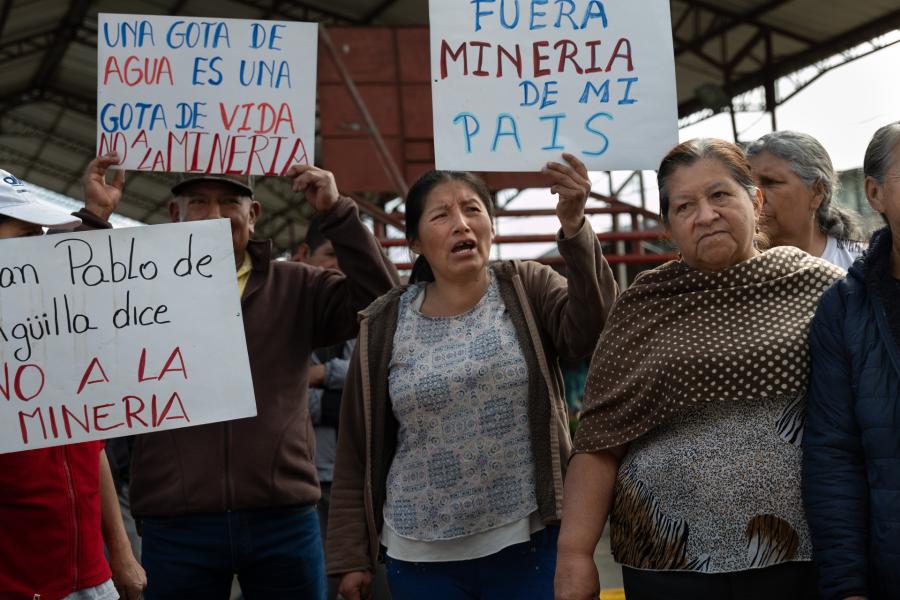
The Ecuadorian government is investigating Marlon Santi (president of the Confederation of Indigenous Nationalities of Ecuador, or CONIAE) for alleged sabotage and terrorism in connection with his participation in a protest against government exclusion of Indigenous representatives from a high-level, international meeting about Indigenous issues. On June 24 and 25, the presidents of Ecuador, Bolivia, and Venezuela met in Otavalo to discuss, among other issues, Indigenous affairs, but no Indigenous groups were invited to this meeting of the “Bolivarian Alliance (ALBA).” This omission spurred a protest by thousands of Indigenous people. Although no arrests were made at the protests, Marlon Santi reportedly broke through a police line, and a pair of handcuffs allegedly went missing during the scuffle at the protest, prompting the investigation. Now government officials want to implicate Santi in terrorist activities.
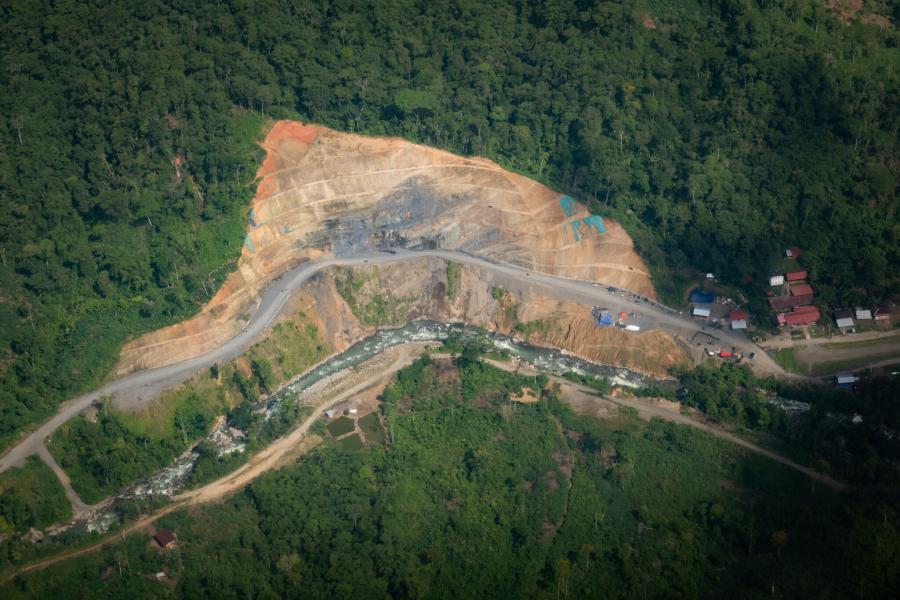
Increasingly, the Ecuadoran government has been launching investigations and legal actions against NGOs that oppose the government, especially those involved in anti-mining activities. Ecuador’s new mining law now guarantees mining companies protection of their operations; hence these accusations seem to serve to marginalize the voices of Indigenous and campesino organizations. Ecuador's anti-mining and Indigenous movements are denouncing renewed attempts by the Correa Administration to criminalize dissent. Currently, more than 30 people, including Santi, are being investigated for allegations including terrorism and sabotage as a result of their participation in protests related to controversies over gold and copper mining, water, and Indigenous rights.
Tensions between the national government and the national Indigenous movement have been building over the last couple of years. In recent months, CONAIE, and other Indigenous organizations have locked horns in an ongoing dispute with the government and legislative assembly over a proposed water law.