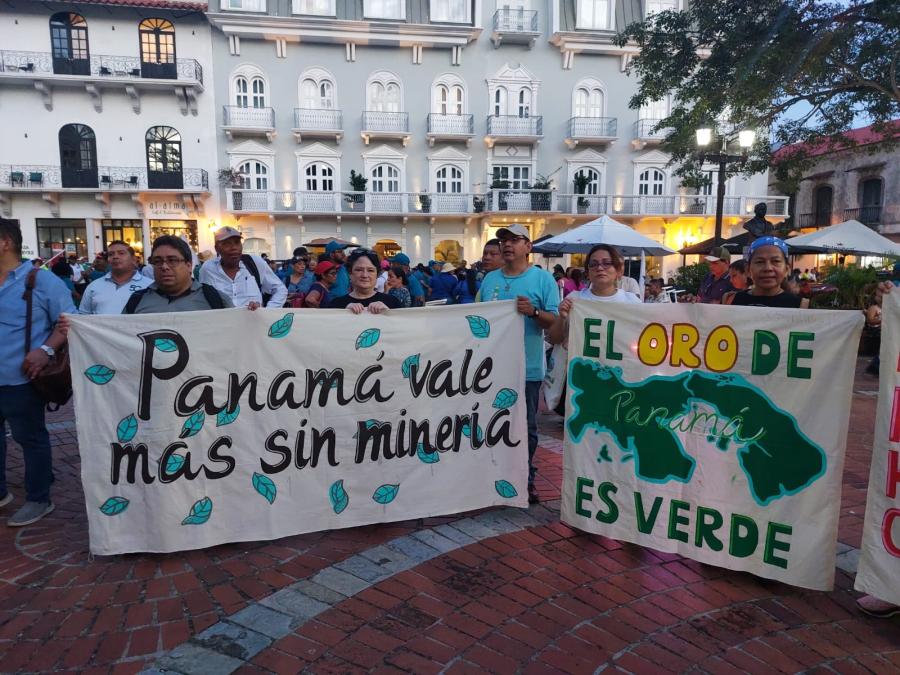
The Ngöbe Indigenous People, environmentalists, and human rights advocates in Panama are celebrating a decision by Panama’s National Public Service Authority (ASEP) that will prevent US-based AES Corporation from building a second dam on the Changuinola River.
AES’s first dam, Chan-75, was built over the protests of many sectors of Panamanian society and in spite of precautionary measures issued by the Inter-American Commission on Human Rights. The company began filling the Chan 75 reservoir in early June, flooding the homes of Ngöbe families who had not negotiated a settlement agreement with the company.
ASEP did not refer to the protests when it announced that AES will not be permitted to build more dams on the Changuinola River. The agency cited 1997's Law #6, which limits the percentage of energy that any single company can produce in Panama. AES and its Panama subsidiary AES Changuinola currently supply 27 percent of Panama’s electricity, and by 2012 it will produce 35 percent.
Cultural Survival, Panamanian activists, and Ngöbe people herald the news that AES, which committed serious human rights abuses, will not be able to build more dams in Panama. However, other companies, including China’s premier dam-builder, Sinohydro, are vying for permits to build more dams on the Changuinola, upstream from Chan 75. These dams will threaten other Indigenous communities and the biological diversity of the La Amistad Biosphere Reserve and World Heritage Site. This week, UNESCO is assessing the potential threat to the World Heritage Site and considering whether to declare La Amistad “in danger.”